
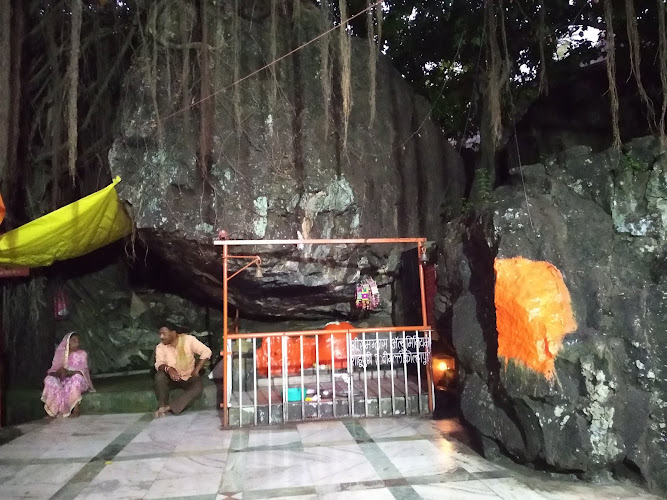
Ujalai Devi temple
About Ujalai Devi temple
Description
Tucked away on the quieter side of Kolhapur, the Ujalai Devi Temple is one of those places that doesn’t try too hard to impress—yet somehow leaves a deep mark on anyone who visits. It’s not the grandest temple in Maharashtra, nor the most polished, but it’s got this old-world charm that feels authentic, raw, and deeply spiritual. The temple is dedicated to Goddess Ujalai Devi, believed to be the guardian deity of the eastern gate of Karveer (the old name for Kolhapur). Locals often refer to her as “Ujwalamba Devi,” and there’s a certain reverence in the way they say her name—like she’s more than just a goddess; she’s family.
The temple sits near a small waterfall, which adds a soothing rhythm to the place. On quieter days, you can hear the gentle rush of water blending with the temple bells, creating a kind of natural symphony. Sure, some visitors have mentioned that the area could use a bit more upkeep—there are occasional concerns about water cleanliness and nearby construction—but that’s part of what makes it feel real. It’s not a manicured tourist spot; it’s a living, breathing part of the community.
When I first visited, I remember watching an elderly woman offer flowers at the shrine, her hands trembling slightly, her eyes closed in complete devotion. It hit me then—this wasn’t just a temple; it was a space where generations have whispered prayers, celebrated festivals, and sought comfort. The air carries that kind of energy, the kind you can’t fake.
Key Features
- Spiritual significance: Dedicated to Goddess Ujalai Devi, regarded as the protector of Kolhapur’s eastern boundary.
- Waterfall nearby: A small natural cascade adds to the temple’s tranquil setting, especially beautiful during monsoon months.
- Local connection: Deeply rooted in community traditions, the temple is a focal point for local festivals and rituals.
- Traditional architecture: The structure features modest but intricate carvings that reflect old Maharashtrian temple design.
- Peaceful atmosphere: Despite being close to town, it offers a surprisingly calm environment for meditation and quiet reflection.
- Photography spot: The blend of nature, architecture, and faith makes it a favorite among photographers seeking authentic cultural shots.
If you’re the kind of traveler who enjoys discovering places that feel untouched by commercial tourism, Ujalai Devi Temple will probably strike a chord with you. It’s not about grandeur; it’s about connection. You’ll see locals chatting on the temple steps, kids playing near the water, and priests performing rituals that have been passed down for centuries. It’s simple, but it’s real.
Best Time to Visit
The best time to visit Ujalai Devi Temple is between October and February when Kolhapur’s weather is pleasantly cool and the surrounding greenery is still lush from the monsoon rains. The temple also takes on a special charm during the Navratri festival, when devotees gather in large numbers, chanting and offering prayers to the goddess. The energy is contagious—you can feel the devotion in the air, and even if you’re not particularly religious, it’s hard not to get swept up in it.
If you visit during the monsoon (June to September), the nearby waterfall comes alive, cascading with full force. It’s a sight to behold, though you’ll want to be cautious as the pathways can get slippery. Summer, on the other hand, can be quite hot and humid, so unless you’re accustomed to tropical weather, it might not be the most comfortable time to explore.
How to Get There
Reaching Ujalai Devi Temple is fairly straightforward if you’re already in Kolhapur. The temple lies a short drive from the city center, making it accessible by auto-rickshaw, taxi, or private vehicle. Local buses also operate on this route, though they can get crowded at peak hours. For those driving, the roads are well-paved, and parking is usually available nearby, though it can fill up quickly during festivals or weekends.
If you’re arriving from outside Kolhapur, the city is well-connected by rail and road. The Kolhapur Railway Station is about a 15–20 minute drive from the temple, and the nearest airport offers flights to major cities like Mumbai and Pune. From there, you can easily hire a cab or use local transport to reach the temple.
I’d recommend visiting early in the morning, around sunrise if possible. The light is soft, the crowd is minimal, and the sound of morning prayers echoing through the temple complex is something you’ll carry with you long after you leave.
Tips for Visiting
- Arrive early: Morning hours are peaceful, and you’ll get to experience the temple rituals without the midday rush.
- Footwear: As with most temples, you’ll need to remove your shoes before entering, so wear something easy to slip off.
- Photography: Be respectful—avoid photographing people during prayer. The best shots are usually of the temple exterior and the surrounding landscape.
- Accessibility: The temple isn’t wheelchair accessible, so visitors with mobility issues may find it challenging to navigate the uneven steps.
- Stay hydrated: Kolhapur can get warm, especially from March to May, so carry a bottle of water with you.
- Local eateries: After your visit, try some authentic Kolhapuri cuisine at nearby restaurants—spicy tambda rassa and pandhra rassa are local favorites.
- Respect the customs: Dress modestly and maintain silence inside the sanctum. Even if you’re just there for the experience, showing respect goes a long way.
One small piece of advice—don’t rush your visit. Sit for a while under the old banyan tree near the temple steps. Watch the devotees come and go, listen to the rhythmic chants, and let the peaceful energy of the place sink in. It’s moments like these that remind you why travel isn’t just about ticking places off a list—it’s about feeling something genuine. And Ujalai Devi Temple, in its humble, unpretentious way, offers exactly that.
So if you’re planning a trip to Kolhapur and want to experience a place that blends spirituality, local culture, and a touch of natural beauty, make sure to carve out a couple of hours for Ujalai Devi Temple. It’s not a spot you’ll find splashed across glossy travel magazines, but maybe that’s what makes it so special. It’s the kind of place that stays with you—not because it’s perfect, but because it’s real.
Key Features
- Key Features
- Best Time to Visit
- How to Get There
- Tips for Visiting
More Details
Updated November 7, 2025
Table of Contents
Description
Tucked away on the quieter side of Kolhapur, the Ujalai Devi Temple is one of those places that doesn’t try too hard to impress—yet somehow leaves a deep mark on anyone who visits. It’s not the grandest temple in Maharashtra, nor the most polished, but it’s got this old-world charm that feels authentic, raw, and deeply spiritual. The temple is dedicated to Goddess Ujalai Devi, believed to be the guardian deity of the eastern gate of Karveer (the old name for Kolhapur). Locals often refer to her as “Ujwalamba Devi,” and there’s a certain reverence in the way they say her name—like she’s more than just a goddess; she’s family.
The temple sits near a small waterfall, which adds a soothing rhythm to the place. On quieter days, you can hear the gentle rush of water blending with the temple bells, creating a kind of natural symphony. Sure, some visitors have mentioned that the area could use a bit more upkeep—there are occasional concerns about water cleanliness and nearby construction—but that’s part of what makes it feel real. It’s not a manicured tourist spot; it’s a living, breathing part of the community.
When I first visited, I remember watching an elderly woman offer flowers at the shrine, her hands trembling slightly, her eyes closed in complete devotion. It hit me then—this wasn’t just a temple; it was a space where generations have whispered prayers, celebrated festivals, and sought comfort. The air carries that kind of energy, the kind you can’t fake.
Key Features
- Spiritual significance: Dedicated to Goddess Ujalai Devi, regarded as the protector of Kolhapur’s eastern boundary.
- Waterfall nearby: A small natural cascade adds to the temple’s tranquil setting, especially beautiful during monsoon months.
- Local connection: Deeply rooted in community traditions, the temple is a focal point for local festivals and rituals.
- Traditional architecture: The structure features modest but intricate carvings that reflect old Maharashtrian temple design.
- Peaceful atmosphere: Despite being close to town, it offers a surprisingly calm environment for meditation and quiet reflection.
- Photography spot: The blend of nature, architecture, and faith makes it a favorite among photographers seeking authentic cultural shots.
If you’re the kind of traveler who enjoys discovering places that feel untouched by commercial tourism, Ujalai Devi Temple will probably strike a chord with you. It’s not about grandeur; it’s about connection. You’ll see locals chatting on the temple steps, kids playing near the water, and priests performing rituals that have been passed down for centuries. It’s simple, but it’s real.
Best Time to Visit
The best time to visit Ujalai Devi Temple is between October and February when Kolhapur’s weather is pleasantly cool and the surrounding greenery is still lush from the monsoon rains. The temple also takes on a special charm during the Navratri festival, when devotees gather in large numbers, chanting and offering prayers to the goddess. The energy is contagious—you can feel the devotion in the air, and even if you’re not particularly religious, it’s hard not to get swept up in it.
If you visit during the monsoon (June to September), the nearby waterfall comes alive, cascading with full force. It’s a sight to behold, though you’ll want to be cautious as the pathways can get slippery. Summer, on the other hand, can be quite hot and humid, so unless you’re accustomed to tropical weather, it might not be the most comfortable time to explore.
How to Get There
Reaching Ujalai Devi Temple is fairly straightforward if you’re already in Kolhapur. The temple lies a short drive from the city center, making it accessible by auto-rickshaw, taxi, or private vehicle. Local buses also operate on this route, though they can get crowded at peak hours. For those driving, the roads are well-paved, and parking is usually available nearby, though it can fill up quickly during festivals or weekends.
If you’re arriving from outside Kolhapur, the city is well-connected by rail and road. The Kolhapur Railway Station is about a 15–20 minute drive from the temple, and the nearest airport offers flights to major cities like Mumbai and Pune. From there, you can easily hire a cab or use local transport to reach the temple.
I’d recommend visiting early in the morning, around sunrise if possible. The light is soft, the crowd is minimal, and the sound of morning prayers echoing through the temple complex is something you’ll carry with you long after you leave.
Tips for Visiting
- Arrive early: Morning hours are peaceful, and you’ll get to experience the temple rituals without the midday rush.
- Footwear: As with most temples, you’ll need to remove your shoes before entering, so wear something easy to slip off.
- Photography: Be respectful—avoid photographing people during prayer. The best shots are usually of the temple exterior and the surrounding landscape.
- Accessibility: The temple isn’t wheelchair accessible, so visitors with mobility issues may find it challenging to navigate the uneven steps.
- Stay hydrated: Kolhapur can get warm, especially from March to May, so carry a bottle of water with you.
- Local eateries: After your visit, try some authentic Kolhapuri cuisine at nearby restaurants—spicy tambda rassa and pandhra rassa are local favorites.
- Respect the customs: Dress modestly and maintain silence inside the sanctum. Even if you’re just there for the experience, showing respect goes a long way.
One small piece of advice—don’t rush your visit. Sit for a while under the old banyan tree near the temple steps. Watch the devotees come and go, listen to the rhythmic chants, and let the peaceful energy of the place sink in. It’s moments like these that remind you why travel isn’t just about ticking places off a list—it’s about feeling something genuine. And Ujalai Devi Temple, in its humble, unpretentious way, offers exactly that.
So if you’re planning a trip to Kolhapur and want to experience a place that blends spirituality, local culture, and a touch of natural beauty, make sure to carve out a couple of hours for Ujalai Devi Temple. It’s not a spot you’ll find splashed across glossy travel magazines, but maybe that’s what makes it so special. It’s the kind of place that stays with you—not because it’s perfect, but because it’s real.
Key Highlights
- Key Features
- Best Time to Visit
- How to Get There
- Tips for Visiting
Location
Places to Stay Near Ujalai Devi temple
Find and Book a Tour
Explore More Travel Guides
No reviews found! Be the first to review!
Traveler Reviews for Ujalai Devi temple
There are no reviews yet. Be the first one to write one.
Have you visited Ujalai Devi temple? Help other travelers by sharing your review.
You Might Also Like
Kanheri Math Parking

Dream World Water Park Kolhapur
Padpath Garden
Find Accommodations Nearby
Recommended Tours & Activities
Visitor Reviews
There are no reviews yet. Be the first one to write one.
Share Your Experience
Have you visited Ujalai Devi temple? Help other travelers by leaving a review.