
New Palace
About New Palace
Description
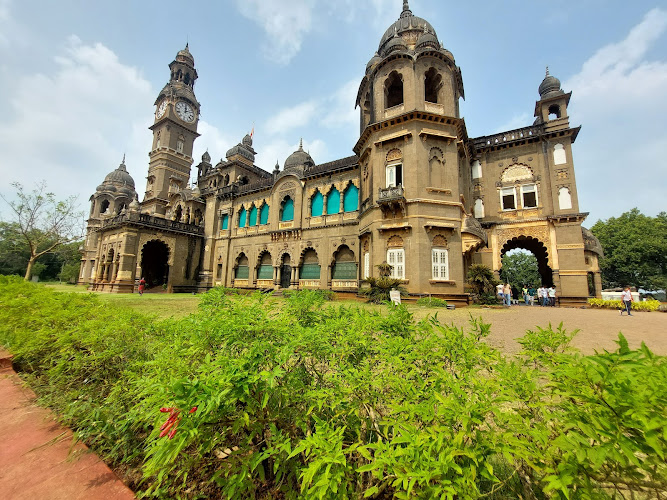
The New Palace in Kolhapur is one of those places that quietly sneaks up on you. At first glance, it’s the kind of grand old building you might expect to see in a history book, but once you step inside, it feels alive – like the walls themselves are whispering stories of kings, battles, and royal traditions. Built between 1877 and 1884 during the reign of Chhatrapati Shahu Maharaj, this palace isn’t just a relic of the past; it’s a living museum that still houses the royal family of Kolhapur on its upper floors. The ground floor, open to the public, is home to the Shree Chhatrapati Shahu Museum – a treasure chest of artifacts that tell the story of Kolhapur’s regal heritage.
Walking through the museum, you’ll see everything from royal costumes and jewelry to ancient coins, hunting trophies, and even one of Emperor Aurangzeb’s swords. There’s a certain charm in how the exhibits are arranged – not overly polished or modernized, but authentic, with that slightly old-world museum smell that somehow makes it feel more real. The black polished stone used in the palace’s construction gives it a distinct look, especially when sunlight hits the façade, turning it into a photographer’s dream. And honestly, if you’re into architecture, this place is a feast – a fusion of Hindu and British styles, with domes, arches, and stained glass that tell stories of gods, warriors, and legends.
It’s not all about grandeur, though. There’s a sense of quiet dignity here. You can almost imagine the royal processions that once passed through these halls or the strategy meetings that might have taken place in its chambers. While some visitors find the museum a bit old-fashioned, most agree it has a charm that modern museums just can’t replicate. It’s a reminder of a time when craftsmanship meant something, when every carving and corner had purpose and pride behind it.
Key Features
- Architectural Blend: A unique combination of Hindu and British architectural elements, built from black polished stone that gleams beautifully in the sun.
- Royal Museum: Houses personal belongings of the Kolhapur rulers, including weapons, silver elephant saddles, royal attire, and historical letters.
- Historical Artifacts: Features ancient coins, hunting trophies, and one of Aurangzeb’s swords – a rare piece of history.
- Stained Glass Windows: Intricately designed panels depicting mythological scenes and royal emblems, adding color and character to the interiors.
- Wildlife and Zoo Area: The palace grounds also include a small zoo, making it a fun stop for families with children.
- Accessibility: Wheelchair-friendly entrances and parking make it easy for everyone to explore.
- Peaceful Ambiance: The sprawling lawns and quiet surroundings offer a calm break from city chaos.
Best Time to Visit
If you ask locals, they’ll tell you Kolhapur looks its best right after the monsoon, from October to February. The air is crisp, the skies are clear, and the palace grounds are lush and green. It’s the kind of weather that makes you want to linger a bit longer, maybe sit on one of the benches outside and just take in the view. Summers, on the other hand, can be quite warm, so unless you enjoy the heat, it’s better to avoid visiting between April and June. The museum itself stays relatively cool inside, but the outdoor sections can be a bit draining in peak sun.
Visiting during local festivals like Dasara adds another layer of magic. The palace often becomes a hub of activity, with cultural programs and traditional performances that give you a glimpse into the living traditions of the Maratha royal lineage. It’s busy, yes, but in the best possible way – full of color, sound, and life.
How to Get There
Kolhapur is well-connected by road, rail, and air, making it quite convenient for travelers. If you’re coming from Mumbai or Pune, the drive is scenic – about 5 to 6 hours through the Western Ghats, with plenty of pit stops for chai and vada pav along the way. The Kolhapur Railway Station is just a short drive from the palace, and you’ll find auto-rickshaws and taxis easily available outside. For those flying in, the nearest airport is Kolhapur Airport, which has regular flights from major cities in Maharashtra.
Once you’re in the city, getting to the New Palace is straightforward. It’s one of Kolhapur’s prime landmarks, so even if you’re not great with maps (I’m not, to be honest), you can just ask a local or follow the signboards. The roads leading to the palace are wide and well-maintained, and parking is available right outside the main gate.
Tips for Visiting
Before you go, here are a few things I’ve learned from my own visit – and a few from fellow travelers I chatted with along the way:
- Timing Matters: Try to visit in the morning or late afternoon. The light is softer, perfect for photos, and it’s less crowded.
- Photography: While photography is allowed in some areas, certain sections of the museum may have restrictions. Always check with the staff before snapping away.
- Footwear: Comfortable shoes are a must. The palace grounds are extensive, and you’ll be doing a fair bit of walking.
- Local Guides: Hire a local guide if you can. They often share fascinating tidbits and stories that you won’t find on the information boards.
- Kids and Families: The museum and adjoining zoo make it a great spot for families. Kids usually love the animal enclosures and the royal armory displays.
- Respect the Space: Remember, this is not just a tourist site but also a royal residence. Keep noise levels down and avoid touching exhibits.
- Souvenirs: There’s a small shop near the exit selling Kolhapuri artifacts and handicrafts – a great spot to pick up something meaningful instead of the usual fridge magnets.
- Hydrate and Snack: Carry a bottle of water and some light snacks, especially if you plan to explore the gardens. There are a few stalls nearby, but options inside are limited.
In the end, the New Palace isn’t just about history – it’s about feeling connected to a different era. It’s about walking through corridors that have seen centuries pass and realizing how much of that legacy still lives on in Kolhapur’s culture today. Whether you’re a history buff, a photographer, or someone who just enjoys discovering stories hidden in old walls, this is one place that leaves you thinking long after you’ve left. And honestly, that’s the mark of a truly great destination, isn’t it?
Key Features
- Key Features
- Best Time to Visit
- How to Get There
- Tips for Visiting
More Details
Updated November 7, 2025
Table of Contents
Description
The New Palace in Kolhapur is one of those places that quietly sneaks up on you. At first glance, it’s the kind of grand old building you might expect to see in a history book, but once you step inside, it feels alive – like the walls themselves are whispering stories of kings, battles, and royal traditions. Built between 1877 and 1884 during the reign of Chhatrapati Shahu Maharaj, this palace isn’t just a relic of the past; it’s a living museum that still houses the royal family of Kolhapur on its upper floors. The ground floor, open to the public, is home to the Shree Chhatrapati Shahu Museum – a treasure chest of artifacts that tell the story of Kolhapur’s regal heritage.
Walking through the museum, you’ll see everything from royal costumes and jewelry to ancient coins, hunting trophies, and even one of Emperor Aurangzeb’s swords. There’s a certain charm in how the exhibits are arranged – not overly polished or modernized, but authentic, with that slightly old-world museum smell that somehow makes it feel more real. The black polished stone used in the palace’s construction gives it a distinct look, especially when sunlight hits the façade, turning it into a photographer’s dream. And honestly, if you’re into architecture, this place is a feast – a fusion of Hindu and British styles, with domes, arches, and stained glass that tell stories of gods, warriors, and legends.
It’s not all about grandeur, though. There’s a sense of quiet dignity here. You can almost imagine the royal processions that once passed through these halls or the strategy meetings that might have taken place in its chambers. While some visitors find the museum a bit old-fashioned, most agree it has a charm that modern museums just can’t replicate. It’s a reminder of a time when craftsmanship meant something, when every carving and corner had purpose and pride behind it.
Key Features
- Architectural Blend: A unique combination of Hindu and British architectural elements, built from black polished stone that gleams beautifully in the sun.
- Royal Museum: Houses personal belongings of the Kolhapur rulers, including weapons, silver elephant saddles, royal attire, and historical letters.
- Historical Artifacts: Features ancient coins, hunting trophies, and one of Aurangzeb’s swords – a rare piece of history.
- Stained Glass Windows: Intricately designed panels depicting mythological scenes and royal emblems, adding color and character to the interiors.
- Wildlife and Zoo Area: The palace grounds also include a small zoo, making it a fun stop for families with children.
- Accessibility: Wheelchair-friendly entrances and parking make it easy for everyone to explore.
- Peaceful Ambiance: The sprawling lawns and quiet surroundings offer a calm break from city chaos.
Best Time to Visit
If you ask locals, they’ll tell you Kolhapur looks its best right after the monsoon, from October to February. The air is crisp, the skies are clear, and the palace grounds are lush and green. It’s the kind of weather that makes you want to linger a bit longer, maybe sit on one of the benches outside and just take in the view. Summers, on the other hand, can be quite warm, so unless you enjoy the heat, it’s better to avoid visiting between April and June. The museum itself stays relatively cool inside, but the outdoor sections can be a bit draining in peak sun.
Visiting during local festivals like Dasara adds another layer of magic. The palace often becomes a hub of activity, with cultural programs and traditional performances that give you a glimpse into the living traditions of the Maratha royal lineage. It’s busy, yes, but in the best possible way – full of color, sound, and life.
How to Get There
Kolhapur is well-connected by road, rail, and air, making it quite convenient for travelers. If you’re coming from Mumbai or Pune, the drive is scenic – about 5 to 6 hours through the Western Ghats, with plenty of pit stops for chai and vada pav along the way. The Kolhapur Railway Station is just a short drive from the palace, and you’ll find auto-rickshaws and taxis easily available outside. For those flying in, the nearest airport is Kolhapur Airport, which has regular flights from major cities in Maharashtra.
Once you’re in the city, getting to the New Palace is straightforward. It’s one of Kolhapur’s prime landmarks, so even if you’re not great with maps (I’m not, to be honest), you can just ask a local or follow the signboards. The roads leading to the palace are wide and well-maintained, and parking is available right outside the main gate.
Tips for Visiting
Before you go, here are a few things I’ve learned from my own visit – and a few from fellow travelers I chatted with along the way:
- Timing Matters: Try to visit in the morning or late afternoon. The light is softer, perfect for photos, and it’s less crowded.
- Photography: While photography is allowed in some areas, certain sections of the museum may have restrictions. Always check with the staff before snapping away.
- Footwear: Comfortable shoes are a must. The palace grounds are extensive, and you’ll be doing a fair bit of walking.
- Local Guides: Hire a local guide if you can. They often share fascinating tidbits and stories that you won’t find on the information boards.
- Kids and Families: The museum and adjoining zoo make it a great spot for families. Kids usually love the animal enclosures and the royal armory displays.
- Respect the Space: Remember, this is not just a tourist site but also a royal residence. Keep noise levels down and avoid touching exhibits.
- Souvenirs: There’s a small shop near the exit selling Kolhapuri artifacts and handicrafts – a great spot to pick up something meaningful instead of the usual fridge magnets.
- Hydrate and Snack: Carry a bottle of water and some light snacks, especially if you plan to explore the gardens. There are a few stalls nearby, but options inside are limited.
In the end, the New Palace isn’t just about history – it’s about feeling connected to a different era. It’s about walking through corridors that have seen centuries pass and realizing how much of that legacy still lives on in Kolhapur’s culture today. Whether you’re a history buff, a photographer, or someone who just enjoys discovering stories hidden in old walls, this is one place that leaves you thinking long after you’ve left. And honestly, that’s the mark of a truly great destination, isn’t it?
Key Highlights
- Key Features
- Best Time to Visit
- How to Get There
- Tips for Visiting
Location
Places to Stay Near New Palace
Find and Book a Tour
Explore More Travel Guides
No reviews found! Be the first to review!
Traveler Reviews for New Palace
There are no reviews yet. Be the first one to write one.
Have you visited New Palace? Help other travelers by sharing your review.
You Might Also Like
New Palace Lake
Kaneri Museum

Dream World Water Park Kolhapur
Find Accommodations Nearby
Recommended Tours & Activities
Visitor Reviews
There are no reviews yet. Be the first one to write one.
Share Your Experience
Have you visited New Palace? Help other travelers by leaving a review.