
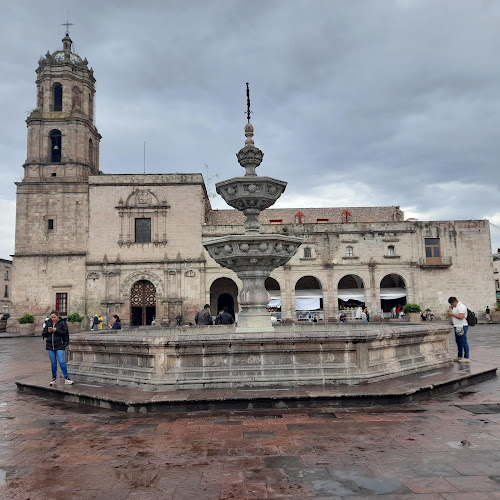
Centro Morelia
About Centro Morelia
Description
The historic center of Morelia is the kind of place that sneaks up on you. At first glance, it feels like another charming colonial city in Mexico, but the longer you wander its pink-stone streets, the more it reveals its character. The UNESCO World Heritage designation isn’t just a fancy title—it really does feel like stepping into a living museum, with centuries-old architecture still standing strong, yet woven into the rhythm of modern life. What makes it stand out is the balance: the city has kept its Renaissance grid layout and grand facades, but it’s not frozen in time. Locals still shop, chat, and gather in the plazas, which gives the area an energy that feels authentic rather than staged.
Of course, not everything is perfect. Some visitors find the crowds a bit much during peak hours, and like any historic district, there’s the occasional building that looks like it could use a little love. But honestly, that’s part of the charm. The imperfections remind you this isn’t a polished theme park—it’s a real city with a long, layered history. Families will appreciate that the area is safe and walkable, with plenty of spots where kids can run around or enjoy an ice cream while parents take in the views. Accessibility is also thoughtfully integrated, with wheelchair-friendly entrances and parking, which isn’t always the case in older cities.
What struck me most the first time I visited was the color of the stone. The pink hue glows differently depending on the light—soft at sunrise, almost fiery at sunset. I remember sitting on a bench near the cathedral just watching the towers turn golden as the sun went down, and it’s one of those memories that sticks with you. The center isn’t just about monuments, though. It’s about the little details: the sound of church bells echoing down narrow streets, the smell of fresh tortillas wafting from a corner stand, the laughter of students spilling out of cafes. It’s an attraction, yes, but also a heartbeat of everyday Morelia life.
Key Features
- The Cathedral of Morelia, a baroque masterpiece built from pink cantera stone
- The 18th-century aqueduct with its impressive 253 arches
- Dozens of plazas and gardens that double as gathering spots for locals
- Colonial-era mansions and government buildings with ornate facades
- Street markets and food vendors offering traditional Michoacán flavors
- Accessibility features including wheelchair-friendly entrances and parking
- Family-friendly atmosphere with open spaces and cultural activities for kids
Best Time to Visit
Timing makes a big difference when exploring Centro Morelia. The dry season, roughly from November to April, offers the most comfortable weather for walking around—sunny days without the heavy rains that sometimes hit in summer. That said, if you’re the kind of traveler who enjoys festivals, Day of the Dead at the end of October is magical here. Streets are filled with altars, marigolds, and candlelight, and the whole city seems to hum with tradition. On the flip side, if crowds aren’t your thing, visiting midweek in late spring or early fall can give you a quieter experience. Mornings are best for photos, while evenings bring a special glow as the buildings light up and street performers take over the plazas.
How to Get There
Reaching the historic center is fairly straightforward. Morelia has its own international airport, about a 30-minute drive from downtown. From the airport, taxis and ride-hailing apps are available, though I’d recommend arranging a transfer ahead of time if you’re arriving late at night. If you’re already in Mexico, long-distance buses connect Morelia with major cities like Mexico City, Guadalajara, and Querétaro, and the bus terminal is just a short drive from the center. Once you’re in the city, walking is the best way to explore. Streets are laid out in a grid, so it’s hard to get lost, and every corner seems to hide another church, museum, or café worth stopping for. Parking can be tricky in the immediate area, so if you’re driving, look for lots a few blocks away and then continue on foot.
Tips for Visiting
A few things can make your visit smoother and more enjoyable. First, wear comfortable shoes—those cobblestones are charming but not exactly forgiving after a few hours. Carry some cash, since smaller shops and food stands don’t always take cards. If you’re traveling with kids, keep in mind that the plazas are perfect for breaks, and many cafes are family-friendly. For those with mobility needs, the main attractions are accessible, but some side streets can be uneven, so plan routes accordingly.
One personal tip: don’t rush. It’s tempting to tick off the big landmarks and move on, but the real joy of Centro Morelia is in slowing down. Sit at a café, order a café de olla, and just watch life unfold around you. And if you can, stay until evening. The cathedral’s illumination show is genuinely worth the wait, and the atmosphere at night feels both lively and safe. Lastly, if you’re sensitive to noise, bring earplugs—church bells have no respect for sleep schedules. But honestly, that’s part of the experience, and you might even find yourself missing them once you leave.
Key Features
- The Cathedral of Morelia, a baroque masterpiece built from pink cantera stone
- The 18th-century aqueduct with its impressive 253 arches
- Dozens of plazas and gardens that double as gathering spots for locals
- Colonial-era mansions and government buildings with ornate facades
- Street markets and food vendors offering traditional Michoacán flavors
- Accessibility features including wheelchair-friendly entrances and parking
- Family-friendly atmosphere with open spaces and cultural activities for kids
More Details
Updated October 1, 2025
Table of Contents
Description
The historic center of Morelia is the kind of place that sneaks up on you. At first glance, it feels like another charming colonial city in Mexico, but the longer you wander its pink-stone streets, the more it reveals its character. The UNESCO World Heritage designation isn’t just a fancy title—it really does feel like stepping into a living museum, with centuries-old architecture still standing strong, yet woven into the rhythm of modern life. What makes it stand out is the balance: the city has kept its Renaissance grid layout and grand facades, but it’s not frozen in time. Locals still shop, chat, and gather in the plazas, which gives the area an energy that feels authentic rather than staged.
Of course, not everything is perfect. Some visitors find the crowds a bit much during peak hours, and like any historic district, there’s the occasional building that looks like it could use a little love. But honestly, that’s part of the charm. The imperfections remind you this isn’t a polished theme park—it’s a real city with a long, layered history. Families will appreciate that the area is safe and walkable, with plenty of spots where kids can run around or enjoy an ice cream while parents take in the views. Accessibility is also thoughtfully integrated, with wheelchair-friendly entrances and parking, which isn’t always the case in older cities.
What struck me most the first time I visited was the color of the stone. The pink hue glows differently depending on the light—soft at sunrise, almost fiery at sunset. I remember sitting on a bench near the cathedral just watching the towers turn golden as the sun went down, and it’s one of those memories that sticks with you. The center isn’t just about monuments, though. It’s about the little details: the sound of church bells echoing down narrow streets, the smell of fresh tortillas wafting from a corner stand, the laughter of students spilling out of cafes. It’s an attraction, yes, but also a heartbeat of everyday Morelia life.
Key Features
- The Cathedral of Morelia, a baroque masterpiece built from pink cantera stone
- The 18th-century aqueduct with its impressive 253 arches
- Dozens of plazas and gardens that double as gathering spots for locals
- Colonial-era mansions and government buildings with ornate facades
- Street markets and food vendors offering traditional Michoacán flavors
- Accessibility features including wheelchair-friendly entrances and parking
- Family-friendly atmosphere with open spaces and cultural activities for kids
Best Time to Visit
Timing makes a big difference when exploring Centro Morelia. The dry season, roughly from November to April, offers the most comfortable weather for walking around—sunny days without the heavy rains that sometimes hit in summer. That said, if you’re the kind of traveler who enjoys festivals, Day of the Dead at the end of October is magical here. Streets are filled with altars, marigolds, and candlelight, and the whole city seems to hum with tradition. On the flip side, if crowds aren’t your thing, visiting midweek in late spring or early fall can give you a quieter experience. Mornings are best for photos, while evenings bring a special glow as the buildings light up and street performers take over the plazas.
How to Get There
Reaching the historic center is fairly straightforward. Morelia has its own international airport, about a 30-minute drive from downtown. From the airport, taxis and ride-hailing apps are available, though I’d recommend arranging a transfer ahead of time if you’re arriving late at night. If you’re already in Mexico, long-distance buses connect Morelia with major cities like Mexico City, Guadalajara, and Querétaro, and the bus terminal is just a short drive from the center. Once you’re in the city, walking is the best way to explore. Streets are laid out in a grid, so it’s hard to get lost, and every corner seems to hide another church, museum, or café worth stopping for. Parking can be tricky in the immediate area, so if you’re driving, look for lots a few blocks away and then continue on foot.
Tips for Visiting
A few things can make your visit smoother and more enjoyable. First, wear comfortable shoes—those cobblestones are charming but not exactly forgiving after a few hours. Carry some cash, since smaller shops and food stands don’t always take cards. If you’re traveling with kids, keep in mind that the plazas are perfect for breaks, and many cafes are family-friendly. For those with mobility needs, the main attractions are accessible, but some side streets can be uneven, so plan routes accordingly.
One personal tip: don’t rush. It’s tempting to tick off the big landmarks and move on, but the real joy of Centro Morelia is in slowing down. Sit at a café, order a café de olla, and just watch life unfold around you. And if you can, stay until evening. The cathedral’s illumination show is genuinely worth the wait, and the atmosphere at night feels both lively and safe. Lastly, if you’re sensitive to noise, bring earplugs—church bells have no respect for sleep schedules. But honestly, that’s part of the experience, and you might even find yourself missing them once you leave.
Key Highlights
- The Cathedral of Morelia, a baroque masterpiece built from pink cantera stone
- The 18th-century aqueduct with its impressive 253 arches
- Dozens of plazas and gardens that double as gathering spots for locals
- Colonial-era mansions and government buildings with ornate facades
- Street markets and food vendors offering traditional Michoacán flavors
- Accessibility features including wheelchair-friendly entrances and parking
- Family-friendly atmosphere with open spaces and cultural activities for kids
Location
Places to Stay Near Centro Morelia
Find and Book a Tour
Explore More Travel Guides
No reviews found! Be the first to review!
Traveler Reviews for Centro Morelia
There are no reviews yet. Be the first one to write one.
Have you visited Centro Morelia? Help other travelers by sharing your review.
You Might Also Like
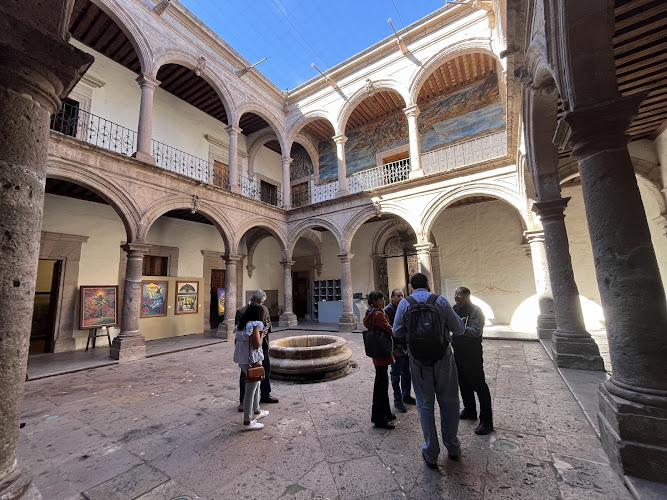
Museo Regional Michoacano, Dr. Nicolás León Calderón
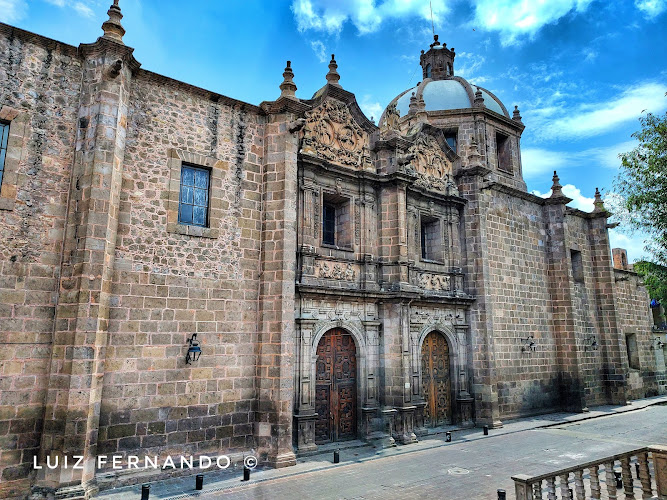
Templo de Santa Rosa de Lima
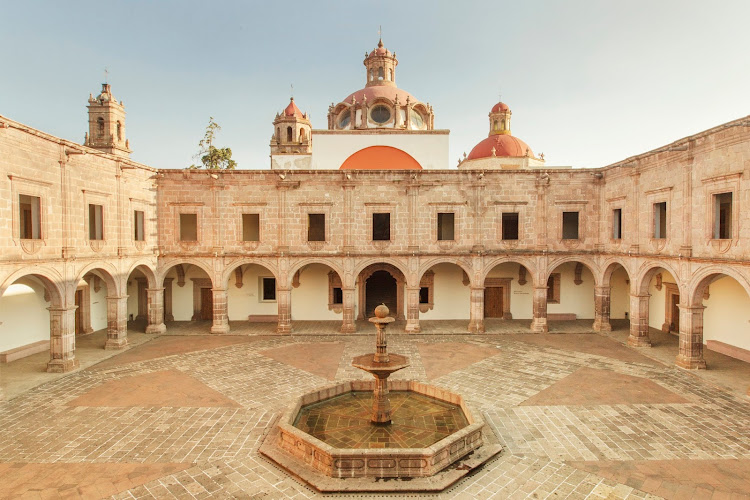
Centro Cultural Clavijero
Find Accommodations Nearby
Recommended Tours & Activities
Visitor Reviews
There are no reviews yet. Be the first one to write one.
Share Your Experience
Have you visited Centro Morelia? Help other travelers by leaving a review.