About Acueducto de Morelia

Description

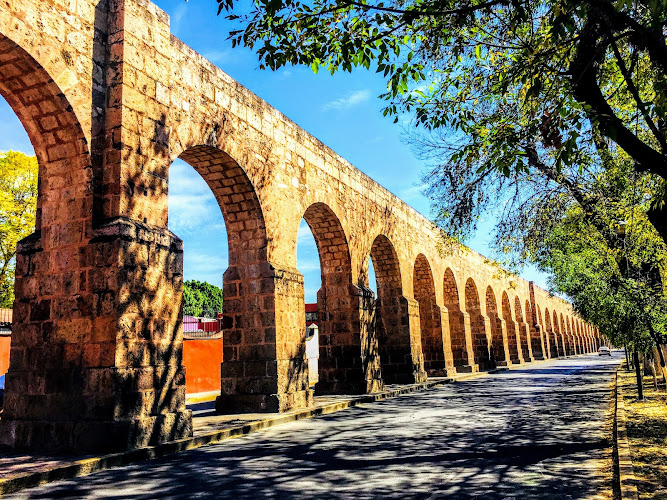
The Acueducto de Morelia is one of those places that somehow manages to feel both grand and approachable at the same time. Stretching for just over a mile, this 18th-century aqueduct is made from the region’s distinct pink limestone and stands proudly with 253 arches—some of them soaring high enough to make you crane your neck in awe. Built between 1785 and 1788 under the direction of Bishop Fray Antonio de San Miguel, it was originally designed to bring fresh water into the city. Today, it no longer carries water, but instead carries history, memory, and the quiet pride of the people of Morelia.

What makes it so fascinating isn’t just the architecture, though that alone is reason enough to stop by. It’s the way the aqueduct threads through the city, blending into everyday life. People stroll beneath its arches, vendors set up nearby, and at night the soft lighting makes it feel almost theatrical. It’s not just a monument you look at—it’s one you walk alongside, live with, and feel part of.

Visitors often remark on how well-preserved it is, given its age. Sure, a few folks might find it less exciting if they’re expecting a museum-like experience, but that’s missing the point. This isn’t a place where you stare at a plaque and move on. It’s a landmark that invites you to slow down, maybe grab an ice cream from a street cart, and imagine what life was like here more than two centuries ago. For families, it’s an easy stop: kids can run around safely in the nearby green spaces, and parents get to soak in the view. For history lovers, it’s like stepping into a living textbook. And for photographers—well, let’s just say you’ll probably run out of memory before you run out of angles.

Key Features

  • 253 arches built from pink limestone, many still standing tall after more than 230 years
  • Length of just over 2 kilometers, making it one of the most striking aqueducts in Mexico
  • Constructed between 1785 and 1788 under Bishop Fray Antonio de San Miguel
  • Originally supplied fresh water to the city until the early 20th century
  • Beautifully illuminated at night, creating a dramatic and romantic atmosphere
  • Surrounded by plazas, parks, and cultural landmarks, making it easy to combine with other attractions
  • Accessible and family-friendly, with open spaces for walking and relaxing

Best Time to Visit

The aqueduct is open to the public all year round, and honestly, there’s no bad time to see it. That said, evenings are particularly magical. When the sun dips low and the arches start glowing under the city lights, you’ll understand why locals are so proud of it. If you’re visiting in winter, bring a light jacket—the nights can be cool. Summer afternoons can get hot, so mornings or evenings are more pleasant for walking. Personally, I think Sundays are the best, when families gather in the area, musicians sometimes play nearby, and the whole place feels alive.

If you’re the type who likes to avoid crowds, weekday mornings are blissfully calm. You can wander almost alone, hear the birds, and take photos without waiting for people to clear out of your frame. But if you enjoy the buzz of local life, weekends are when you’ll see the aqueduct at its most social.

How to Get There

Getting to the Acueducto de Morelia is straightforward since it runs right through one of the main avenues of the historic center. If you’re already exploring downtown, chances are you’ll stumble upon it without even trying. Walking is the best way to experience it—you can start near Plaza Villalongín and follow the arches as they stretch through the city. Taxis and rideshares are easy to find, and local buses also pass along the route.

If you’re driving, parking can be a bit tricky in the historic center, so I usually recommend leaving the car in a public lot and exploring on foot. That way, you don’t miss the little details—the stonework, the shadows, the way the arches frame the streets.

Tips for Visiting

Here are some things I’ve learned (sometimes the hard way) that might make your visit smoother and more enjoyable:

  • Wear comfortable shoes: The aqueduct is long, and you’ll probably end up walking more than you think. Cobblestone streets can be tough on sandals.
  • Visit at night: The lighting transforms the arches into something almost cinematic. It’s worth seeing both by day and after dark.
  • Bring a camera: This seems obvious, but the aqueduct is ridiculously photogenic. Morning light and sunset are especially good times for photos.
  • Combine with nearby attractions: The Cathedral, Plaza de Armas, and local markets are all within walking distance, so plan a half-day around the area.
  • Stay safe but relaxed: The area is generally safe, especially where tourists gather, but keep an eye on your belongings like you would in any city.
  • Try local snacks: Street vendors often sell nieves (Mexican-style ice cream) nearby. It’s a perfect treat while strolling under the arches.
  • Take your time: Don’t just snap a picture and leave. Sit on a bench, watch the city go by, and let the place sink in. That’s when it really clicks.

One last thing—don’t be surprised if you find yourself coming back more than once during your stay in Morelia. The aqueduct has a way of drawing people in. It’s different every time you see it: in the morning light, in the afternoon bustle, and under the quiet glow of night. And honestly, that’s the charm—you don’t just visit the Acueducto de Morelia, you experience it.

Key Features

  • 253 arches built from pink limestone, many still standing tall after more than 230 years
  • Length of just over 2 kilometers, making it one of the most striking aqueducts in Mexico
  • Constructed between 1785 and 1788 under Bishop Fray Antonio de San Miguel
  • Originally supplied fresh water to the city until the early 20th century
  • Beautifully illuminated at night, creating a dramatic and romantic atmosphere
  • Surrounded by plazas, parks, and cultural landmarks, making it easy to combine with other attractions
  • Accessible and family-friendly, with open spaces for walking and relaxing

More Details

Updated October 1, 2025


Description

The Acueducto de Morelia is one of those places that somehow manages to feel both grand and approachable at the same time. Stretching for just over a mile, this 18th-century aqueduct is made from the region’s distinct pink limestone and stands proudly with 253 arches—some of them soaring high enough to make you crane your neck in awe. Built between 1785 and 1788 under the direction of Bishop Fray Antonio de San Miguel, it was originally designed to bring fresh water into the city. Today, it no longer carries water, but instead carries history, memory, and the quiet pride of the people of Morelia.

What makes it so fascinating isn’t just the architecture, though that alone is reason enough to stop by. It’s the way the aqueduct threads through the city, blending into everyday life. People stroll beneath its arches, vendors set up nearby, and at night the soft lighting makes it feel almost theatrical. It’s not just a monument you look at—it’s one you walk alongside, live with, and feel part of.

Visitors often remark on how well-preserved it is, given its age. Sure, a few folks might find it less exciting if they’re expecting a museum-like experience, but that’s missing the point. This isn’t a place where you stare at a plaque and move on. It’s a landmark that invites you to slow down, maybe grab an ice cream from a street cart, and imagine what life was like here more than two centuries ago. For families, it’s an easy stop: kids can run around safely in the nearby green spaces, and parents get to soak in the view. For history lovers, it’s like stepping into a living textbook. And for photographers—well, let’s just say you’ll probably run out of memory before you run out of angles.

Key Features

  • 253 arches built from pink limestone, many still standing tall after more than 230 years
  • Length of just over 2 kilometers, making it one of the most striking aqueducts in Mexico
  • Constructed between 1785 and 1788 under Bishop Fray Antonio de San Miguel
  • Originally supplied fresh water to the city until the early 20th century
  • Beautifully illuminated at night, creating a dramatic and romantic atmosphere
  • Surrounded by plazas, parks, and cultural landmarks, making it easy to combine with other attractions
  • Accessible and family-friendly, with open spaces for walking and relaxing

Best Time to Visit

The aqueduct is open to the public all year round, and honestly, there’s no bad time to see it. That said, evenings are particularly magical. When the sun dips low and the arches start glowing under the city lights, you’ll understand why locals are so proud of it. If you’re visiting in winter, bring a light jacket—the nights can be cool. Summer afternoons can get hot, so mornings or evenings are more pleasant for walking. Personally, I think Sundays are the best, when families gather in the area, musicians sometimes play nearby, and the whole place feels alive.

If you’re the type who likes to avoid crowds, weekday mornings are blissfully calm. You can wander almost alone, hear the birds, and take photos without waiting for people to clear out of your frame. But if you enjoy the buzz of local life, weekends are when you’ll see the aqueduct at its most social.

How to Get There

Getting to the Acueducto de Morelia is straightforward since it runs right through one of the main avenues of the historic center. If you’re already exploring downtown, chances are you’ll stumble upon it without even trying. Walking is the best way to experience it—you can start near Plaza Villalongín and follow the arches as they stretch through the city. Taxis and rideshares are easy to find, and local buses also pass along the route.

If you’re driving, parking can be a bit tricky in the historic center, so I usually recommend leaving the car in a public lot and exploring on foot. That way, you don’t miss the little details—the stonework, the shadows, the way the arches frame the streets.

Tips for Visiting

Here are some things I’ve learned (sometimes the hard way) that might make your visit smoother and more enjoyable:

  • Wear comfortable shoes: The aqueduct is long, and you’ll probably end up walking more than you think. Cobblestone streets can be tough on sandals.
  • Visit at night: The lighting transforms the arches into something almost cinematic. It’s worth seeing both by day and after dark.
  • Bring a camera: This seems obvious, but the aqueduct is ridiculously photogenic. Morning light and sunset are especially good times for photos.
  • Combine with nearby attractions: The Cathedral, Plaza de Armas, and local markets are all within walking distance, so plan a half-day around the area.
  • Stay safe but relaxed: The area is generally safe, especially where tourists gather, but keep an eye on your belongings like you would in any city.
  • Try local snacks: Street vendors often sell nieves (Mexican-style ice cream) nearby. It’s a perfect treat while strolling under the arches.
  • Take your time: Don’t just snap a picture and leave. Sit on a bench, watch the city go by, and let the place sink in. That’s when it really clicks.

One last thing—don’t be surprised if you find yourself coming back more than once during your stay in Morelia. The aqueduct has a way of drawing people in. It’s different every time you see it: in the morning light, in the afternoon bustle, and under the quiet glow of night. And honestly, that’s the charm—you don’t just visit the Acueducto de Morelia, you experience it.

Key Highlights

  • 253 arches built from pink limestone, many still standing tall after more than 230 years
  • Length of just over 2 kilometers, making it one of the most striking aqueducts in Mexico
  • Constructed between 1785 and 1788 under Bishop Fray Antonio de San Miguel
  • Originally supplied fresh water to the city until the early 20th century
  • Beautifully illuminated at night, creating a dramatic and romantic atmosphere
  • Surrounded by plazas, parks, and cultural landmarks, making it easy to combine with other attractions
  • Accessible and family-friendly, with open spaces for walking and relaxing

Location

Places to Stay Near Acueducto de Morelia

Find and Book a Tour

Explore More Travel Guides

No reviews found! Be the first to review!

Traveler Reviews for Acueducto de Morelia

There are no reviews yet. Be the first one to write one.

Share Your Experience

Have you visited Acueducto de Morelia? Help other travelers by sharing your review.

Find Accommodations Nearby

Recommended Tours & Activities

Visitor Reviews

There are no reviews yet. Be the first one to write one.

Share Your Experience

Have you visited Acueducto de Morelia? Help other travelers by leaving a review.