About Centro de Morelia

Description

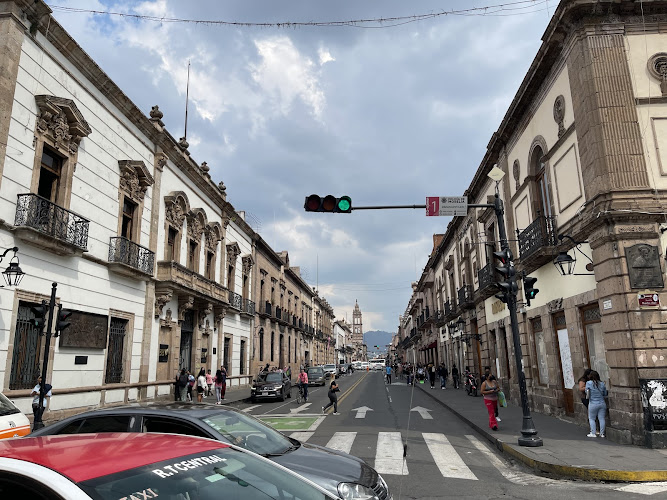
Centro de Morelia is the kind of place that feels like stepping into a living storybook. The historic heart of the city is recognized for its stone-paved streets, colonial-era architecture, and the unmistakable pink quarry stone that gives the buildings their warm, almost glowing character. It’s not just about pretty facades though—this is a place where daily life hums right alongside centuries of history. You’ll see school kids darting across plazas, older couples enjoying ice cream on benches, and street musicians filling the air with sound. There’s a real sense of authenticity here that makes wandering around both relaxing and inspiring.

The atmosphere is welcoming, and what stands out is how accessible it feels. Many of the main attractions are within walking distance of each other, and the area is well-kept, making it easy to explore at your own pace. Families will find it accommodating, as children can enjoy the open plazas and cultural displays without feeling overwhelmed. And for wheelchair users, the main entrances and pathways are designed with accessibility in mind, which isn’t always the case in older city centers.

Of course, no place is perfect. Some visitors might find the crowds a little much during festivals or weekends, and like any city center, you’ll want to stay aware of your surroundings. But overall, the charm and cultural richness far outweigh the minor inconveniences. From majestic cathedrals to the aroma of fresh tamales wafting through the air, Centro de Morelia leaves a lasting impression on anyone who spends time here.

Key Features

  • Historic architecture built from pink quarry stone, giving the city center its distinctive look
  • A UNESCO World Heritage designation, reflecting its cultural and historical importance
  • Central plazas where locals gather, often with live music and food vendors
  • Cathedrals, museums, and government buildings that showcase colonial and baroque styles
  • Accessible pathways and wheelchair-friendly entrances across main attractions
  • Family-friendly atmosphere with open spaces for children to explore
  • Rich culinary scene with traditional Michoacán dishes available from street stalls and restaurants
  • Frequent cultural events, festivals, and parades that bring the streets to life

Best Time to Visit

If you ask locals, they’ll probably tell you that Centro de Morelia is beautiful year-round, and honestly, they’re not wrong. But if you want to avoid heavy crowds while still catching some of the city’s cultural magic, aim for the months between October and March. The weather is cooler, which makes strolling around the plazas and streets more comfortable. Plus, this is when you’ll find some of the most spectacular events, like the Day of the Dead celebrations in early November.

Springtime is also a wonderful option, with jacaranda trees blooming and filling the streets with bursts of purple. Summers can get warm, and while there’s a certain charm to sipping a cold drink in the shade of a colonial archway, you’ll probably find midday heat a little tiring for long walks. Personally, I once visited during a summer festival and while the energy was unforgettable, I remember darting from shaded arcades to ice cream shops just to stay cool. Timing your trip with the city’s calendar of festivals can be worth it, but if you prefer quiet exploration, weekdays during the off-season are your best bet.

How to Get There

Getting to Centro de Morelia is pretty straightforward. The city itself is well connected by both air and road. If you’re flying in, Morelia International Airport is only about a 30-minute drive from the center. Taxis and rideshare services are readily available, and if you’re the adventurous type, local buses are an inexpensive way to get into town.

For those already traveling within Mexico, buses from nearby cities like Mexico City, Guadalajara, or León are frequent and comfortable, often dropping you off at the main bus terminal just outside the city center. From there, it’s a quick taxi ride into Centro. If you’re driving, the roads leading into Morelia are in good condition, though parking in the historic center can be a little tricky. I’ve personally circled around a few times before finding a spot, so if patience isn’t your strong suit, you might want to park just outside the core and walk in.

Tips for Visiting

One of the best pieces of advice for exploring Centro de Morelia is to take your time. It’s not the kind of place you can rush through—you’ll miss the details that make it special. The carvings on the cathedral doors, the way the light hits the stone at sunset, or the little cafes tucked into side streets. Give yourself room to wander and get lost a bit.

Here are some practical tips that will make your visit smoother:

  • Wear comfortable shoes: The cobblestone streets are charming but not always kind to your feet.
  • Plan for evenings: The city center lights up beautifully at night, and the atmosphere is just as lively after dark.
  • Try local food: Don’t just stick to restaurants—street vendors often serve some of the most authentic flavors.
  • Mind the festivals: If you’re visiting during a major event, book accommodations early as hotels fill up quickly.
  • Stay hydrated: Especially if you’re visiting in warmer months, carry water with you while exploring.
  • Engage with locals: People here are generally friendly and proud of their city—asking for recommendations can lead you to hidden gems.

And one last thing—don’t forget to look up. The facades and rooftops in Centro de Morelia often have little details that you’d miss if you keep your eyes on the ground. I once spotted a carved gargoyle peeking out from a corner balcony that made me stop in my tracks. It’s those small surprises that make wandering the center so rewarding.

Key Features

  • Historic architecture built from pink quarry stone, giving the city center its distinctive look
  • A UNESCO World Heritage designation, reflecting its cultural and historical importance
  • Central plazas where locals gather, often with live music and food vendors
  • Cathedrals, museums, and government buildings that showcase colonial and baroque styles
  • Accessible pathways and wheelchair-friendly entrances across main attractions
  • Family-friendly atmosphere with open spaces for children to explore
  • Rich culinary scene with traditional Michoacán dishes available from street stalls and restaurants
  • Frequent cultural events, festivals, and parades that bring the streets to life

More Details

Updated October 1, 2025


Description

Centro de Morelia is the kind of place that feels like stepping into a living storybook. The historic heart of the city is recognized for its stone-paved streets, colonial-era architecture, and the unmistakable pink quarry stone that gives the buildings their warm, almost glowing character. It’s not just about pretty facades though—this is a place where daily life hums right alongside centuries of history. You’ll see school kids darting across plazas, older couples enjoying ice cream on benches, and street musicians filling the air with sound. There’s a real sense of authenticity here that makes wandering around both relaxing and inspiring.

The atmosphere is welcoming, and what stands out is how accessible it feels. Many of the main attractions are within walking distance of each other, and the area is well-kept, making it easy to explore at your own pace. Families will find it accommodating, as children can enjoy the open plazas and cultural displays without feeling overwhelmed. And for wheelchair users, the main entrances and pathways are designed with accessibility in mind, which isn’t always the case in older city centers.

Of course, no place is perfect. Some visitors might find the crowds a little much during festivals or weekends, and like any city center, you’ll want to stay aware of your surroundings. But overall, the charm and cultural richness far outweigh the minor inconveniences. From majestic cathedrals to the aroma of fresh tamales wafting through the air, Centro de Morelia leaves a lasting impression on anyone who spends time here.

Key Features

  • Historic architecture built from pink quarry stone, giving the city center its distinctive look
  • A UNESCO World Heritage designation, reflecting its cultural and historical importance
  • Central plazas where locals gather, often with live music and food vendors
  • Cathedrals, museums, and government buildings that showcase colonial and baroque styles
  • Accessible pathways and wheelchair-friendly entrances across main attractions
  • Family-friendly atmosphere with open spaces for children to explore
  • Rich culinary scene with traditional Michoacán dishes available from street stalls and restaurants
  • Frequent cultural events, festivals, and parades that bring the streets to life

Best Time to Visit

If you ask locals, they’ll probably tell you that Centro de Morelia is beautiful year-round, and honestly, they’re not wrong. But if you want to avoid heavy crowds while still catching some of the city’s cultural magic, aim for the months between October and March. The weather is cooler, which makes strolling around the plazas and streets more comfortable. Plus, this is when you’ll find some of the most spectacular events, like the Day of the Dead celebrations in early November.

Springtime is also a wonderful option, with jacaranda trees blooming and filling the streets with bursts of purple. Summers can get warm, and while there’s a certain charm to sipping a cold drink in the shade of a colonial archway, you’ll probably find midday heat a little tiring for long walks. Personally, I once visited during a summer festival and while the energy was unforgettable, I remember darting from shaded arcades to ice cream shops just to stay cool. Timing your trip with the city’s calendar of festivals can be worth it, but if you prefer quiet exploration, weekdays during the off-season are your best bet.

How to Get There

Getting to Centro de Morelia is pretty straightforward. The city itself is well connected by both air and road. If you’re flying in, Morelia International Airport is only about a 30-minute drive from the center. Taxis and rideshare services are readily available, and if you’re the adventurous type, local buses are an inexpensive way to get into town.

For those already traveling within Mexico, buses from nearby cities like Mexico City, Guadalajara, or León are frequent and comfortable, often dropping you off at the main bus terminal just outside the city center. From there, it’s a quick taxi ride into Centro. If you’re driving, the roads leading into Morelia are in good condition, though parking in the historic center can be a little tricky. I’ve personally circled around a few times before finding a spot, so if patience isn’t your strong suit, you might want to park just outside the core and walk in.

Tips for Visiting

One of the best pieces of advice for exploring Centro de Morelia is to take your time. It’s not the kind of place you can rush through—you’ll miss the details that make it special. The carvings on the cathedral doors, the way the light hits the stone at sunset, or the little cafes tucked into side streets. Give yourself room to wander and get lost a bit.

Here are some practical tips that will make your visit smoother:

  • Wear comfortable shoes: The cobblestone streets are charming but not always kind to your feet.
  • Plan for evenings: The city center lights up beautifully at night, and the atmosphere is just as lively after dark.
  • Try local food: Don’t just stick to restaurants—street vendors often serve some of the most authentic flavors.
  • Mind the festivals: If you’re visiting during a major event, book accommodations early as hotels fill up quickly.
  • Stay hydrated: Especially if you’re visiting in warmer months, carry water with you while exploring.
  • Engage with locals: People here are generally friendly and proud of their city—asking for recommendations can lead you to hidden gems.

And one last thing—don’t forget to look up. The facades and rooftops in Centro de Morelia often have little details that you’d miss if you keep your eyes on the ground. I once spotted a carved gargoyle peeking out from a corner balcony that made me stop in my tracks. It’s those small surprises that make wandering the center so rewarding.

Key Highlights

  • Historic architecture built from pink quarry stone, giving the city center its distinctive look
  • A UNESCO World Heritage designation, reflecting its cultural and historical importance
  • Central plazas where locals gather, often with live music and food vendors
  • Cathedrals, museums, and government buildings that showcase colonial and baroque styles
  • Accessible pathways and wheelchair-friendly entrances across main attractions
  • Family-friendly atmosphere with open spaces for children to explore
  • Rich culinary scene with traditional Michoacán dishes available from street stalls and restaurants
  • Frequent cultural events, festivals, and parades that bring the streets to life

Location

Places to Stay Near Centro de Morelia

Find and Book a Tour

Explore More Travel Guides

No reviews found! Be the first to review!

Traveler Reviews for Centro de Morelia

There are no reviews yet. Be the first one to write one.

Share Your Experience

Have you visited Centro de Morelia? Help other travelers by sharing your review.

Find Accommodations Nearby

Recommended Tours & Activities

Visitor Reviews

There are no reviews yet. Be the first one to write one.

Share Your Experience

Have you visited Centro de Morelia? Help other travelers by leaving a review.