About Centro Cultural Clavijero

Description

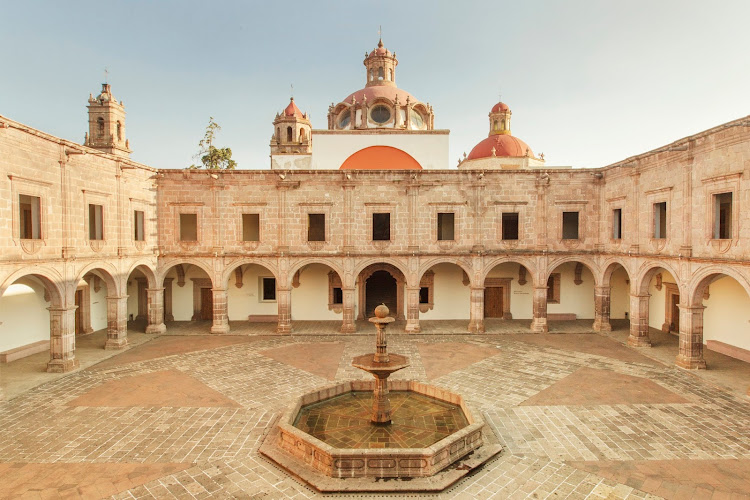
The Centro Cultural Clavijero in Morelia is one of those places that quietly takes your breath away. It’s not just another museum or gallery—it’s a building with centuries of history layered into its walls, once a Jesuit college dating back to the 17th century. Today, it stands as a cultural hub where art, history, and community come together. Travelers often remark on the sheer scale of its architecture: pink stone façades, soaring arches, and a courtyard that feels like it belongs in a film set. Walking through its hallways, you can almost hear the echoes of students debating philosophy centuries ago.

The center has a strong reputation for its exhibitions, particularly contemporary art, photography, and cultural showcases that rotate throughout the year. While some visitors might find certain exhibitions hit-or-miss depending on taste, the majority agree the atmosphere and the building itself make the visit worthwhile. Personally, I think the beauty of this place is that it doesn’t try to overwhelm you with endless displays—it gives you space to breathe, wander, and reflect. And that’s rare.

Accessibility is another plus. Wheelchair users will find both entrances and restrooms adapted, which is not always a given in historic buildings. Amenities like clean restrooms are available, which may sound like a small thing, but trust me, after a long day exploring Morelia’s historic center, it’s a real relief.

Key Features

  • Historic 17th-century Jesuit architecture with striking pink stonework
  • Expansive courtyards and colonnades perfect for photography
  • Rotating exhibitions featuring contemporary art, photography, and cultural themes
  • Free or low-cost entry, making it accessible for budget travelers
  • Wheelchair-accessible entrances and restrooms
  • Central location in Morelia’s historic downtown, near other landmarks

Best Time to Visit

If you’re planning your trip around weather, the cooler months from November to February are especially pleasant for wandering through the center and the surrounding colonial streets. The afternoons can be busy, so mornings tend to be the sweet spot if you prefer a quieter atmosphere. Personally, I love visiting during cultural festivals in Morelia—like the International Film Festival—because the center often hosts related exhibits and events. That said, weekends can get crowded, so if you’re not a fan of jostling with large groups, aim for a weekday visit.

Another tip: the building’s stone keeps the interior cool, so even in the warmer months of April or May, it’s a refreshing escape from the sun. And if you’re into photography, late afternoon light in the courtyard is downright magical.

How to Get There

Reaching the Centro Cultural Clavijero is straightforward if you’re already in Morelia’s historic center. Most travelers simply walk, since the city’s main attractions are clustered close together. If you’re staying a bit farther out, taxis and ride-share apps are inexpensive and reliable. Public buses also pass through the area, but honestly, unless you’re really trying to save every peso, I’d recommend walking or grabbing a cab. The streets around the center are safe during the day, though like most cities, it’s best to be cautious at night.

For those driving, parking can be tricky in the historic core—lots are available but tend to fill quickly. Personally, I’d avoid bringing a car into this part of town altogether. Walking really lets you soak up the architecture and atmosphere, and you’ll stumble across cafés and shops you’d miss from behind a windshield.

Tips for Visiting

Here’s where the little things matter. First, check what exhibitions are on before you go. The building itself is stunning, but the experience really depends on what’s being shown. Some exhibits are thought-provoking and beautifully curated, while others might feel a bit sparse if you’re expecting a packed gallery.

Second, give yourself at least an hour. I once rushed through in 30 minutes because I had a bus to catch, and I regretted not taking the time to sit in the courtyard and just watch life go by. The rhythm of the place invites you to slow down.

Third, bring a camera or at least your phone fully charged. The light and shadows in the corridors are a photographer’s dream. Even if you’re not into photography, you’ll probably end up snapping more pictures than you planned.

Also, don’t skip the restrooms before heading back out into the city—they’re well-maintained, which is not always the case in public attractions. And if you’re traveling with someone with mobility needs, rest easy: the center is one of the more accessible historic sites in Morelia.

Lastly, take a moment to step outside and look at the building from across the street. It’s easy to get caught up in what’s inside, but the exterior itself is part of the experience. I remember standing there once, coffee in hand from a nearby café, just staring at those stone walls glowing pink in the late afternoon sun. That memory has stuck with me more than some of the exhibits.

Key Features

  • Historic 17th-century Jesuit architecture with striking pink stonework
  • Expansive courtyards and colonnades perfect for photography
  • Rotating exhibitions featuring contemporary art, photography, and cultural themes
  • Free or low-cost entry, making it accessible for budget travelers
  • Wheelchair-accessible entrances and restrooms
  • Central location in Morelia’s historic downtown, near other landmarks

More Details

Updated October 1, 2025


Description

The Centro Cultural Clavijero in Morelia is one of those places that quietly takes your breath away. It’s not just another museum or gallery—it’s a building with centuries of history layered into its walls, once a Jesuit college dating back to the 17th century. Today, it stands as a cultural hub where art, history, and community come together. Travelers often remark on the sheer scale of its architecture: pink stone façades, soaring arches, and a courtyard that feels like it belongs in a film set. Walking through its hallways, you can almost hear the echoes of students debating philosophy centuries ago.

The center has a strong reputation for its exhibitions, particularly contemporary art, photography, and cultural showcases that rotate throughout the year. While some visitors might find certain exhibitions hit-or-miss depending on taste, the majority agree the atmosphere and the building itself make the visit worthwhile. Personally, I think the beauty of this place is that it doesn’t try to overwhelm you with endless displays—it gives you space to breathe, wander, and reflect. And that’s rare.

Accessibility is another plus. Wheelchair users will find both entrances and restrooms adapted, which is not always a given in historic buildings. Amenities like clean restrooms are available, which may sound like a small thing, but trust me, after a long day exploring Morelia’s historic center, it’s a real relief.

Key Features

  • Historic 17th-century Jesuit architecture with striking pink stonework
  • Expansive courtyards and colonnades perfect for photography
  • Rotating exhibitions featuring contemporary art, photography, and cultural themes
  • Free or low-cost entry, making it accessible for budget travelers
  • Wheelchair-accessible entrances and restrooms
  • Central location in Morelia’s historic downtown, near other landmarks

Best Time to Visit

If you’re planning your trip around weather, the cooler months from November to February are especially pleasant for wandering through the center and the surrounding colonial streets. The afternoons can be busy, so mornings tend to be the sweet spot if you prefer a quieter atmosphere. Personally, I love visiting during cultural festivals in Morelia—like the International Film Festival—because the center often hosts related exhibits and events. That said, weekends can get crowded, so if you’re not a fan of jostling with large groups, aim for a weekday visit.

Another tip: the building’s stone keeps the interior cool, so even in the warmer months of April or May, it’s a refreshing escape from the sun. And if you’re into photography, late afternoon light in the courtyard is downright magical.

How to Get There

Reaching the Centro Cultural Clavijero is straightforward if you’re already in Morelia’s historic center. Most travelers simply walk, since the city’s main attractions are clustered close together. If you’re staying a bit farther out, taxis and ride-share apps are inexpensive and reliable. Public buses also pass through the area, but honestly, unless you’re really trying to save every peso, I’d recommend walking or grabbing a cab. The streets around the center are safe during the day, though like most cities, it’s best to be cautious at night.

For those driving, parking can be tricky in the historic core—lots are available but tend to fill quickly. Personally, I’d avoid bringing a car into this part of town altogether. Walking really lets you soak up the architecture and atmosphere, and you’ll stumble across cafés and shops you’d miss from behind a windshield.

Tips for Visiting

Here’s where the little things matter. First, check what exhibitions are on before you go. The building itself is stunning, but the experience really depends on what’s being shown. Some exhibits are thought-provoking and beautifully curated, while others might feel a bit sparse if you’re expecting a packed gallery.

Second, give yourself at least an hour. I once rushed through in 30 minutes because I had a bus to catch, and I regretted not taking the time to sit in the courtyard and just watch life go by. The rhythm of the place invites you to slow down.

Third, bring a camera or at least your phone fully charged. The light and shadows in the corridors are a photographer’s dream. Even if you’re not into photography, you’ll probably end up snapping more pictures than you planned.

Also, don’t skip the restrooms before heading back out into the city—they’re well-maintained, which is not always the case in public attractions. And if you’re traveling with someone with mobility needs, rest easy: the center is one of the more accessible historic sites in Morelia.

Lastly, take a moment to step outside and look at the building from across the street. It’s easy to get caught up in what’s inside, but the exterior itself is part of the experience. I remember standing there once, coffee in hand from a nearby café, just staring at those stone walls glowing pink in the late afternoon sun. That memory has stuck with me more than some of the exhibits.

Key Highlights

  • Historic 17th-century Jesuit architecture with striking pink stonework
  • Expansive courtyards and colonnades perfect for photography
  • Rotating exhibitions featuring contemporary art, photography, and cultural themes
  • Free or low-cost entry, making it accessible for budget travelers
  • Wheelchair-accessible entrances and restrooms
  • Central location in Morelia’s historic downtown, near other landmarks

Location

Places to Stay Near Centro Cultural Clavijero

Find and Book a Tour

Explore More Travel Guides

No reviews found! Be the first to review!

Traveler Reviews for Centro Cultural Clavijero

There are no reviews yet. Be the first one to write one.

Share Your Experience

Have you visited Centro Cultural Clavijero? Help other travelers by sharing your review.

Find Accommodations Nearby

Recommended Tours & Activities

Visitor Reviews

There are no reviews yet. Be the first one to write one.

Share Your Experience

Have you visited Centro Cultural Clavijero? Help other travelers by leaving a review.