
Chiba Shrine Myōken Hongū
About Chiba Shrine Myōken Hongū
Description
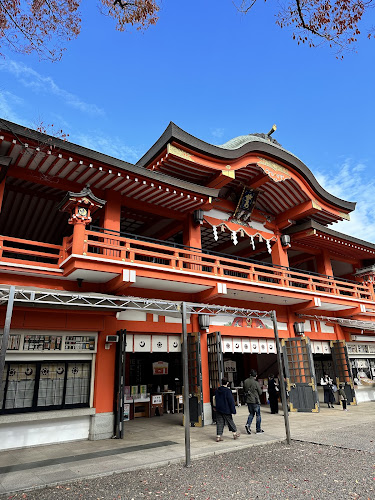
Chiba Shrine Myōken Hongū is one of those places that feels like it has a foot in both the spiritual and the everyday world. Originally founded as a Buddhist temple centuries ago, it later became a Shinto shrine during the Meiji era, and today it’s dedicated to Myōken—often associated with the North Star and the Big Dipper. That celestial connection gives the place a fascinating aura; it’s not just about prayers for health or fortune, but also about aligning yourself with the stars, quite literally.
The shrine itself is striking, with vivid orange and gold details that catch the light differently depending on the time of day. The wood carvings are intricate and worth pausing over—tiny details you might miss if you’re in a rush. The grounds are calm, with statues and trees that create a sense of balance between human craftsmanship and natural beauty. It’s not as crowded as some of the more famous shrines in Tokyo or Kyoto, which makes it easier to breathe and actually take in the atmosphere. Of course, like any popular spot, you’ll find both glowing praise and a few grumbles from visitors. Some people expect a grander scale, but others appreciate that it’s not overwhelming. Personally, I think its charm lies in that middle ground—it feels important without being intimidating.
Walking through the gates, you might notice the shrine has a kind of protective energy. Historically, it was believed to ward off misfortune, whether illness, accidents, or other troubles. That apotropaic role is still part of its identity today, and you’ll see people coming specifically to pray for safety in travel, success in studies, or just general good luck. I remember the first time I visited, I wasn’t really looking for spiritual protection, but I still found myself quietly wishing for safe journeys ahead. Sometimes places like this nudge you into reflection without you realizing it.
Key Features
- Dedicated to Myōken, deity of the North Star and Big Dipper, with a focus on protection and good fortune
- Bright orange and gold architectural details that stand out beautifully in photos
- Intricate wood carvings and statues throughout the grounds
- Peaceful garden setting that balances nature and design
- Wheelchair accessible entrance and restrooms available
- A spiritual site with deep ties to the historic Chiba clan
- Known for rituals and practices aimed at warding off misfortune
Best Time to Visit
The shrine is open year-round, but the experience shifts with the seasons. Spring brings cherry blossoms that frame the shrine’s bold colors in a soft pink haze. Summer can be hot and humid, but the shade of the trees and the slower pace of the grounds make it bearable. Autumn is probably my favorite time—the crisp air, the golden leaves, and the orange paintwork all seem to harmonize perfectly. Winter has its own quiet charm, especially if you catch a dusting of snow on the rooftops.
If you’re hoping to avoid crowds, weekdays in the morning are ideal. Festivals and special events can draw larger groups, which can be exciting if you’re into lively atmospheres but might not be for everyone. I once stumbled into a local festival here without realizing it was happening, and while it was busier than usual, the energy was contagious—drums, food stalls, and families all around. It gave me a different perspective on the shrine, more community-oriented than solitary.
How to Get There
Reaching the shrine is relatively simple if you’re already in the Tokyo or Chiba area. Trains are the most convenient option, with Chiba Station being the nearest major hub. From there, it’s just a short walk—long enough to get a feel for the city streets but not so far that you’ll be exhausted before you arrive. If you’re traveling with luggage, I’d recommend storing it at the station lockers first so you can enjoy the visit without dragging bags around.
For those who prefer driving, there are parking options nearby, though it can get tight during weekends or festivals. Public transport is generally easier, but I know some travelers like the freedom of a car, especially if they’re exploring other parts of Chiba Prefecture on the same day.
Tips for Visiting
First off, take your time. It’s tempting to snap a few photos and move on, but the details here reward patience. Look closely at the carvings—you’ll notice motifs that tie back to the shrine’s star-related symbolism. And don’t skip the smaller side areas; they’re often quieter and give you a chance to really soak in the atmosphere.
If you’re planning to make an offering or prayer, it’s helpful to read up a bit on the proper etiquette. Even if you’re not religious, following the basic customs shows respect and makes the experience more meaningful. I remember fumbling through the clapping and bowing the first time, and a kind local gently corrected me—it ended up being a sweet little exchange that made the visit more memorable.
Wear comfortable shoes, because while the grounds aren’t huge, you’ll still be walking and standing quite a bit. Also, keep in mind that the shrine is an active place of worship, not just a tourist attraction. Be mindful of where you’re standing during ceremonies or rituals, and try not to block pathways with tripods or big bags.
For those who like souvenirs, the omamori (protective charms) here are especially tied to safe travel and avoiding misfortune. They make thoughtful gifts, too—I brought one back for a friend who was nervous about an upcoming overseas move, and she loved the gesture.
And finally, don’t rush off after your visit. The surrounding neighborhood has small eateries and shops where you can grab a bite or just wander a bit. Sometimes the best memories come from those unplanned moments after the main attraction, when you’re still carrying the calm of the shrine with you.
Key Features
- Dedicated to Myōken, deity of the North Star and Big Dipper, with a focus on protection and good fortune
- Bright orange and gold architectural details that stand out beautifully in photos
- Intricate wood carvings and statues throughout the grounds
- Peaceful garden setting that balances nature and design
- Wheelchair accessible entrance and restrooms available
- A spiritual site with deep ties to the historic Chiba clan
- Known for rituals and practices aimed at warding off misfortune
More Details
Updated October 1, 2025
Table of Contents
Description
Chiba Shrine Myōken Hongū is one of those places that feels like it has a foot in both the spiritual and the everyday world. Originally founded as a Buddhist temple centuries ago, it later became a Shinto shrine during the Meiji era, and today it’s dedicated to Myōken—often associated with the North Star and the Big Dipper. That celestial connection gives the place a fascinating aura; it’s not just about prayers for health or fortune, but also about aligning yourself with the stars, quite literally.
The shrine itself is striking, with vivid orange and gold details that catch the light differently depending on the time of day. The wood carvings are intricate and worth pausing over—tiny details you might miss if you’re in a rush. The grounds are calm, with statues and trees that create a sense of balance between human craftsmanship and natural beauty. It’s not as crowded as some of the more famous shrines in Tokyo or Kyoto, which makes it easier to breathe and actually take in the atmosphere. Of course, like any popular spot, you’ll find both glowing praise and a few grumbles from visitors. Some people expect a grander scale, but others appreciate that it’s not overwhelming. Personally, I think its charm lies in that middle ground—it feels important without being intimidating.
Walking through the gates, you might notice the shrine has a kind of protective energy. Historically, it was believed to ward off misfortune, whether illness, accidents, or other troubles. That apotropaic role is still part of its identity today, and you’ll see people coming specifically to pray for safety in travel, success in studies, or just general good luck. I remember the first time I visited, I wasn’t really looking for spiritual protection, but I still found myself quietly wishing for safe journeys ahead. Sometimes places like this nudge you into reflection without you realizing it.
Key Features
- Dedicated to Myōken, deity of the North Star and Big Dipper, with a focus on protection and good fortune
- Bright orange and gold architectural details that stand out beautifully in photos
- Intricate wood carvings and statues throughout the grounds
- Peaceful garden setting that balances nature and design
- Wheelchair accessible entrance and restrooms available
- A spiritual site with deep ties to the historic Chiba clan
- Known for rituals and practices aimed at warding off misfortune
Best Time to Visit
The shrine is open year-round, but the experience shifts with the seasons. Spring brings cherry blossoms that frame the shrine’s bold colors in a soft pink haze. Summer can be hot and humid, but the shade of the trees and the slower pace of the grounds make it bearable. Autumn is probably my favorite time—the crisp air, the golden leaves, and the orange paintwork all seem to harmonize perfectly. Winter has its own quiet charm, especially if you catch a dusting of snow on the rooftops.
If you’re hoping to avoid crowds, weekdays in the morning are ideal. Festivals and special events can draw larger groups, which can be exciting if you’re into lively atmospheres but might not be for everyone. I once stumbled into a local festival here without realizing it was happening, and while it was busier than usual, the energy was contagious—drums, food stalls, and families all around. It gave me a different perspective on the shrine, more community-oriented than solitary.
How to Get There
Reaching the shrine is relatively simple if you’re already in the Tokyo or Chiba area. Trains are the most convenient option, with Chiba Station being the nearest major hub. From there, it’s just a short walk—long enough to get a feel for the city streets but not so far that you’ll be exhausted before you arrive. If you’re traveling with luggage, I’d recommend storing it at the station lockers first so you can enjoy the visit without dragging bags around.
For those who prefer driving, there are parking options nearby, though it can get tight during weekends or festivals. Public transport is generally easier, but I know some travelers like the freedom of a car, especially if they’re exploring other parts of Chiba Prefecture on the same day.
Tips for Visiting
First off, take your time. It’s tempting to snap a few photos and move on, but the details here reward patience. Look closely at the carvings—you’ll notice motifs that tie back to the shrine’s star-related symbolism. And don’t skip the smaller side areas; they’re often quieter and give you a chance to really soak in the atmosphere.
If you’re planning to make an offering or prayer, it’s helpful to read up a bit on the proper etiquette. Even if you’re not religious, following the basic customs shows respect and makes the experience more meaningful. I remember fumbling through the clapping and bowing the first time, and a kind local gently corrected me—it ended up being a sweet little exchange that made the visit more memorable.
Wear comfortable shoes, because while the grounds aren’t huge, you’ll still be walking and standing quite a bit. Also, keep in mind that the shrine is an active place of worship, not just a tourist attraction. Be mindful of where you’re standing during ceremonies or rituals, and try not to block pathways with tripods or big bags.
For those who like souvenirs, the omamori (protective charms) here are especially tied to safe travel and avoiding misfortune. They make thoughtful gifts, too—I brought one back for a friend who was nervous about an upcoming overseas move, and she loved the gesture.
And finally, don’t rush off after your visit. The surrounding neighborhood has small eateries and shops where you can grab a bite or just wander a bit. Sometimes the best memories come from those unplanned moments after the main attraction, when you’re still carrying the calm of the shrine with you.
Key Highlights
- Dedicated to Myōken, deity of the North Star and Big Dipper, with a focus on protection and good fortune
- Bright orange and gold architectural details that stand out beautifully in photos
- Intricate wood carvings and statues throughout the grounds
- Peaceful garden setting that balances nature and design
- Wheelchair accessible entrance and restrooms available
- A spiritual site with deep ties to the historic Chiba clan
- Known for rituals and practices aimed at warding off misfortune
Location
Places to Stay Near Chiba Shrine Myōken Hongū
Find and Book a Tour
Explore More Travel Guides
No reviews found! Be the first to review!
Traveler Reviews for Chiba Shrine Myōken Hongū
There are no reviews yet. Be the first one to write one.
Have you visited Chiba Shrine Myōken Hongū? Help other travelers by sharing your review.
You Might Also Like
Minato Park
Chiba Port Tower
Hoki Museum
Find Accommodations Nearby
Recommended Tours & Activities
Visitor Reviews
There are no reviews yet. Be the first one to write one.
Share Your Experience
Have you visited Chiba Shrine Myōken Hongū? Help other travelers by leaving a review.