
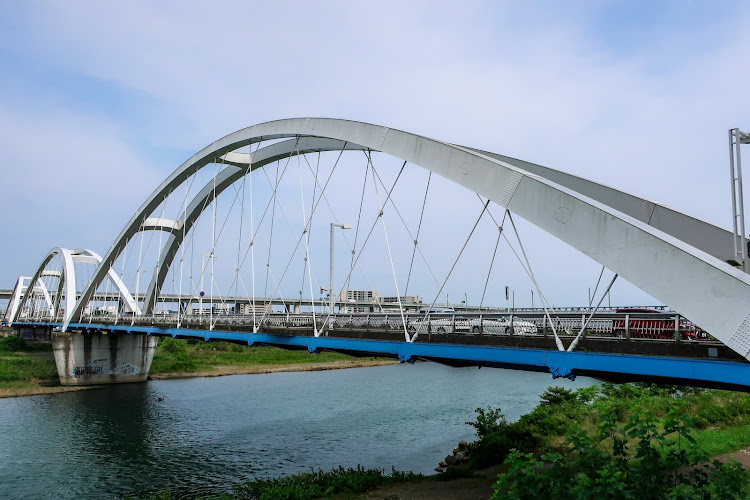
Ayumi Bridge
About Ayumi Bridge
Description
Ayumi Bridge, or あゆみ橋, isn't just another slab of concrete spanning a river in Kanagawa—though, at first glance, I’ll admit, that’s how I saw it. I remember the first time I crossed it; I was running late (as usual) and barely noticed anything but my own hurried steps and the low hum of traffic. But then I slowed for a moment, heard the thrum of wheels on old planks, and suddenly, this bridge started whispering stories to me. It feels like a shortcut for some, a connection for others, and honestly, a tiny slice of ordinary Japanese city life that most travelers totally miss. If you're expecting ancient arches or gleaming glass, Ayumi Bridge might surprise you. It’s practical, grit-and-grind, the kind of bridge locals use every day.
You’re not likely to find Ayumi Bridge splashed all over glossy travel brochures. No dramatic legends or epic love stories here (at least none I’ve stumbled across chatting with folks or in my midnight Google sessions). But there’s a kind of everyday magic about it. This spot is where high schoolers cruise past on their bikes, where old-timers stop a minute to watch the flow of life below. It’s a bridge in the realest sense—an unassuming connector for people, cars, dreams on wheels.
Yeah, Ayumi Bridge isn’t exactly wheelchair-friendly (not my favorite news to share), which bothered me the first time I saw someone struggle with a stroller and steps. You’ll want to know: there's no accessible entrance and, frustratingly, the parking situation for wheelchairs just isn’t happening. But it reminds me that not every place is designed with everyone in mind, an annoying truth in travel and life. Still, if you’re able-bodied and curious, or just looking for a tiny peek into average Kanagawa moments, there’s something here for you.
If you’re anything like me, you’ll find odd joy in stopping in the middle of Ayumi Bridge, letting traffic roll behind you, and just watching the rhythm of the city. It’s not postcard-perfect, but it’s absolutely real.
Key Features
- No-Fuss Urban Design – This isn’t one of those ornate, Instagram-candy bridges. Why do I like that? Because it doesn’t try too hard. Simple, straightforward, and practical—the kind of bridge that gets the job done and then steps quietly aside for your own stories.
- Local Character – Cross at rush hour and you’ll find yourself part of a moving river of office workers, school kids, cyclists, and the odd stray cat. Ayumi Bridge is as honest as it gets. No filter needed.
- Public Accessibility (with Limits) – Open to cars and pedestrians, but heads up—if you rely on a wheelchair or need step-free access, sadly, this bridge isn’t built for it. It’s a detail that matters, and worth knowing before you set out.
- Urban Views – Some bridges serve up panoramic mountain backdrops—Ayumi offers real-city views. You’ll see rooftops, busy streets, flashes of blue river or canal (depends on the season and weather), and layers of daily life unfolding.
- Quiet Moments (if you catch the right time) – Early mornings or late evenings, before traffic picks up, it can feel surprisingly peaceful. I’ve stood there more than once sipping vending machine coffee, watching the first streaks of light paint the city awake.
Best Time to Visit
If you want honesty, Ayumi Bridge is pretty much a year-round spot—there’s no strict “perfect” window (unless you count avoiding summer’s peak humidity, which I 100% recommend). I think you’ll get the best experience in spring, when nearby trees burst into green or cherry blossoms tease at the edges of the route. There’s a special energy in the air—people linger, the world feels less rushed, even the river (if you peek over the edge) seems to carry on more brightly.
But here’s a tip you won’t find on most lists: hit the bridge early in the morning or just as the city starts to wind down after sunset. That’s when you catch the golden hour glow—soft light that makes even the most mundane settings feel cinematic. You avoid most of the traffic and can actually hear the sounds around you. One time, I walked across at dusk and caught a couple holding hands, silent, both lost in thought. It’s those unscripted moments that turn an ordinary bridge into a low-key memory postcard.
If you’re visiting during holidays or weekends, expect a slightly more crowded experience, especially when there’s a local event nearby. Still, it rarely gets shoulder-to-shoulder packed—the sort of place you can visit on impulse, no planning required (which is honestly my favorite kind).
How to Get There
Now, the directions. Ayumi Bridge sits in a connective part of Kanagawa that isn’t especially hidden, but it also isn’t screaming for your attention with neon signs or kiosk hawkers. The local public transport system is reliable, but not immune to quirks (like most places in Japan).
I usually recommend using the train—it’s the closest thing to teleportation in Japan. Hop off at the nearest station (if you're like me, double-check your route because station names can trip you up), and it’s typically a short walk. I once tried biking it and discovered a handful of hidden shrines along the way, so consider two wheels if you enjoy unexpected detours.
Driving? Sure, but know that parking can be a minor headache, especially during weekday mornings when everyone’s commuting. And if you’re thinking about taxis, they're convenient but a pricier way to do a short hop. My advice: lace up your comfiest shoes and embrace a little urban wandering.
Tips for Visiting
- Don’t Expect Flashy – If you come searching for breathtaking architecture, you might leave unimpressed. But if you look for character, you’ll see little details that speak volumes about daily life here.
- Best For Strolls, Not Photoshoots – I’m all for a good travel selfie, but Ayumi Bridge is more about soaking in the vibe than striking dramatic poses. Instead, keep your phone tucked away and just be present for a few minutes.
- No Wheelchair Access – This is one of the downsides, and I really hope it changes in the future. If mobility is a concern for you or your companions, consider alternative viewpoints or accessible bridges nearby.
- Watch for Traffic – Pretty obvious, but it’s not a pedestrian-only bridge. Cars and bikes zoom by, so keep an eye on little ones, especially if they tend to dart ahead. There’s no rush—let the regulars hustle around you; you’re here to soak it up.
- Catch Sunrise or Sunset – Seriously, this simple bridge glows during golden hours. My best memory? Watching the day flip from sleepy blue dawn to the full-on energy of a Japanese weekday, people bustling all around me.
- Bring Your Curiosity – This isn’t a box-ticking stop on a famous itinerary. It’s a place for curious travelers who like the raw, lived-in layers of a city.
- Explore the Surroundings – Don't just cross the bridge and call it a day. Check out the quirky shops, local shrines, and tiny parks nearby. I once stumbled upon a park bench where old men played shogi in the afternoon sunlight—the sort of detail I’d never have found if I’d stuck to the main roads.
- Respect Locals – This isn’t a tourist magnet. Folks using this bridge are often on their daily grind, so a little courtesy goes a long way. Greet someone with a nod, and maybe you’ll get a smile back.
I’ll be honest, Ayumi Bridge likely won’t change your life. But if you love glimpsing places through the lens of real, everyday people and you’re the type just as happy with a city’s small secrets as its headlining sights, this bridge has a quiet charm all its own. Cross it slow, listen to the city, and let yourself be surprised by small wonders along the way. And hey, if you find anything magical in the mundane here, send me a story back—because in these tiny moments, that’s where travel really lives.
Key Features
- Key Features
- Best Time to Visit
- How to Get There
- Tips for Visiting
More Details
Updated June 6, 2025
Table of Contents
Description
Ayumi Bridge, or あゆみ橋, isn’t just another slab of concrete spanning a river in Kanagawa—though, at first glance, I’ll admit, that’s how I saw it. I remember the first time I crossed it; I was running late (as usual) and barely noticed anything but my own hurried steps and the low hum of traffic. But then I slowed for a moment, heard the thrum of wheels on old planks, and suddenly, this bridge started whispering stories to me. It feels like a shortcut for some, a connection for others, and honestly, a tiny slice of ordinary Japanese city life that most travelers totally miss. If you’re expecting ancient arches or gleaming glass, Ayumi Bridge might surprise you. It’s practical, grit-and-grind, the kind of bridge locals use every day.
You’re not likely to find Ayumi Bridge splashed all over glossy travel brochures. No dramatic legends or epic love stories here (at least none I’ve stumbled across chatting with folks or in my midnight Google sessions). But there’s a kind of everyday magic about it. This spot is where high schoolers cruise past on their bikes, where old-timers stop a minute to watch the flow of life below. It’s a bridge in the realest sense—an unassuming connector for people, cars, dreams on wheels.
Yeah, Ayumi Bridge isn’t exactly wheelchair-friendly (not my favorite news to share), which bothered me the first time I saw someone struggle with a stroller and steps. You’ll want to know: there’s no accessible entrance and, frustratingly, the parking situation for wheelchairs just isn’t happening. But it reminds me that not every place is designed with everyone in mind, an annoying truth in travel and life. Still, if you’re able-bodied and curious, or just looking for a tiny peek into average Kanagawa moments, there’s something here for you.
If you’re anything like me, you’ll find odd joy in stopping in the middle of Ayumi Bridge, letting traffic roll behind you, and just watching the rhythm of the city. It’s not postcard-perfect, but it’s absolutely real.
Key Features
- No-Fuss Urban Design – This isn’t one of those ornate, Instagram-candy bridges. Why do I like that? Because it doesn’t try too hard. Simple, straightforward, and practical—the kind of bridge that gets the job done and then steps quietly aside for your own stories.
- Local Character – Cross at rush hour and you’ll find yourself part of a moving river of office workers, school kids, cyclists, and the odd stray cat. Ayumi Bridge is as honest as it gets. No filter needed.
- Public Accessibility (with Limits) – Open to cars and pedestrians, but heads up—if you rely on a wheelchair or need step-free access, sadly, this bridge isn’t built for it. It’s a detail that matters, and worth knowing before you set out.
- Urban Views – Some bridges serve up panoramic mountain backdrops—Ayumi offers real-city views. You’ll see rooftops, busy streets, flashes of blue river or canal (depends on the season and weather), and layers of daily life unfolding.
- Quiet Moments (if you catch the right time) – Early mornings or late evenings, before traffic picks up, it can feel surprisingly peaceful. I’ve stood there more than once sipping vending machine coffee, watching the first streaks of light paint the city awake.
Best Time to Visit
If you want honesty, Ayumi Bridge is pretty much a year-round spot—there’s no strict “perfect” window (unless you count avoiding summer’s peak humidity, which I 100% recommend). I think you’ll get the best experience in spring, when nearby trees burst into green or cherry blossoms tease at the edges of the route. There’s a special energy in the air—people linger, the world feels less rushed, even the river (if you peek over the edge) seems to carry on more brightly.
But here’s a tip you won’t find on most lists: hit the bridge early in the morning or just as the city starts to wind down after sunset. That’s when you catch the golden hour glow—soft light that makes even the most mundane settings feel cinematic. You avoid most of the traffic and can actually hear the sounds around you. One time, I walked across at dusk and caught a couple holding hands, silent, both lost in thought. It’s those unscripted moments that turn an ordinary bridge into a low-key memory postcard.
If you’re visiting during holidays or weekends, expect a slightly more crowded experience, especially when there’s a local event nearby. Still, it rarely gets shoulder-to-shoulder packed—the sort of place you can visit on impulse, no planning required (which is honestly my favorite kind).
How to Get There
Now, the directions. Ayumi Bridge sits in a connective part of Kanagawa that isn’t especially hidden, but it also isn’t screaming for your attention with neon signs or kiosk hawkers. The local public transport system is reliable, but not immune to quirks (like most places in Japan).
I usually recommend using the train—it’s the closest thing to teleportation in Japan. Hop off at the nearest station (if you’re like me, double-check your route because station names can trip you up), and it’s typically a short walk. I once tried biking it and discovered a handful of hidden shrines along the way, so consider two wheels if you enjoy unexpected detours.
Driving? Sure, but know that parking can be a minor headache, especially during weekday mornings when everyone’s commuting. And if you’re thinking about taxis, they’re convenient but a pricier way to do a short hop. My advice: lace up your comfiest shoes and embrace a little urban wandering.
Tips for Visiting
- Don’t Expect Flashy – If you come searching for breathtaking architecture, you might leave unimpressed. But if you look for character, you’ll see little details that speak volumes about daily life here.
- Best For Strolls, Not Photoshoots – I’m all for a good travel selfie, but Ayumi Bridge is more about soaking in the vibe than striking dramatic poses. Instead, keep your phone tucked away and just be present for a few minutes.
- No Wheelchair Access – This is one of the downsides, and I really hope it changes in the future. If mobility is a concern for you or your companions, consider alternative viewpoints or accessible bridges nearby.
- Watch for Traffic – Pretty obvious, but it’s not a pedestrian-only bridge. Cars and bikes zoom by, so keep an eye on little ones, especially if they tend to dart ahead. There’s no rush—let the regulars hustle around you; you’re here to soak it up.
- Catch Sunrise or Sunset – Seriously, this simple bridge glows during golden hours. My best memory? Watching the day flip from sleepy blue dawn to the full-on energy of a Japanese weekday, people bustling all around me.
- Bring Your Curiosity – This isn’t a box-ticking stop on a famous itinerary. It’s a place for curious travelers who like the raw, lived-in layers of a city.
- Explore the Surroundings – Don’t just cross the bridge and call it a day. Check out the quirky shops, local shrines, and tiny parks nearby. I once stumbled upon a park bench where old men played shogi in the afternoon sunlight—the sort of detail I’d never have found if I’d stuck to the main roads.
- Respect Locals – This isn’t a tourist magnet. Folks using this bridge are often on their daily grind, so a little courtesy goes a long way. Greet someone with a nod, and maybe you’ll get a smile back.
I’ll be honest, Ayumi Bridge likely won’t change your life. But if you love glimpsing places through the lens of real, everyday people and you’re the type just as happy with a city’s small secrets as its headlining sights, this bridge has a quiet charm all its own. Cross it slow, listen to the city, and let yourself be surprised by small wonders along the way. And hey, if you find anything magical in the mundane here, send me a story back—because in these tiny moments, that’s where travel really lives.
Key Highlights
- Key Features
- Best Time to Visit
- How to Get There
- Tips for Visiting
Location
Places to Stay Near Ayumi Bridge
Find and Book a Tour
Explore More Travel Guides
No reviews found! Be the first to review!
Traveler Reviews for Ayumi Bridge
There are no reviews yet. Be the first one to write one.
Have you visited Ayumi Bridge? Help other travelers by sharing your review.
Find Accommodations Nearby
Recommended Tours & Activities
Visitor Reviews
There are no reviews yet. Be the first one to write one.
Share Your Experience
Have you visited Ayumi Bridge? Help other travelers by leaving a review.