

Tsutsusaki Lighthouse
About Tsutsusaki Lighthouse
Description
You know those hidden spots you find on a trip—the kind that sneak up and surprise you? That’s how I felt standing at the top of Tsutsusaki Lighthouse. There’s a particular hush you get up here. Seagulls tracing lazy circles above, the wind nipping just enough to wake you up but not blow you over, and those views sweeping across the deep blue Japan Sea—jaw-dropping, honestly. If you’re chasing that authentic “off-the-beaten-path” feeling on Tsushima Island, this is the spot for it.
The lighthouse itself isn’t some ornate, storybook tower. No frills, just solid white, clean lines, and a powerfully stoic presence, as if it’s spent its days shrugging off centuries of wild storms. (It sort of has—since 1928, actually.) What makes Tsutsusaki Lighthouse ridiculously special isn’t just its looks. The real magic’s all about where it sits. Perched on the farthest tip of Tsushima’s southern coast, it’s like someone decided to put a “last outpost” sign here before nothing but rolling sea and distant mainland.
Inside, you can soak up some pretty cool technical details about its original Fresnel lens and beacon. The surrounding grounds—well, that’s where my hiking boots came in handy. Paths twist through wind-brushed grasses and stubborn pine trees clinging to the bluffs. And maybe I’m weird, but I love how the salty sea air somehow feels cleaner out here. For a traveler, Tsutsusaki isn’t just a photo-op or a pit stop. It’s reflective, refreshing—a lighthouse in the truest, most metaphorical sense. But, heads up: There’s no ramp or elevator, so accessibility is rougher for wheelchair users.
Key Features
- Sweeping Panoramic Views: From the observation area, gaze at endless horizon where the Japan Sea meets rocky coves and, on clear days, you might even spot the distant Korean Peninsula. Clouds or sun, it’s dramatic!
- Historic Engineering: Operating since 1928, this well-preserved lighthouse still boasts its original structure and weathered charm—standing guard for generations of ships and wanderers alike.
- Photographer’s Paradise: Sunsets here are long and cinematic. I mean, even amateur phone photographers end up with screensaver-worthy shots. Wildlife pops up, too—hawks, fishing boats, and wildflowers if you time it right.
- Peaceful Hiking Trails: Short, rugged trails lead you toward coastal bluffs and hidden picnic spots. There’s a certain solitude here—it’s not crawling with crowds, especially compared to Japan’s more famous lighthouses. I found that a huge plus.
- Remote Atmosphere: The journey here is part of the experience—it makes you feel like an explorer arriving at land’s end. There aren’t any souvenir shops or noisy cafés, and honestly, that’s a blessing in disguise.
Best Time to Visit
Okay, let’s get real. You probably don’t want to shiver through coastal winds or sweat buckets on your trek. For my money, spring and autumn absolutely win at Tsutsusaki Lighthouse. If you hit it in April or early May, cherry blossoms occasionally blush along the path—a rare sight at lighthouses! Fall brings gentle breezes and those soft, golden Japanese sunsets. Summer afternoons are lovely, but you might get a little more humidity (plus the bugs like to join the party).
Winter gives the island a moody vibe—mist swirling around the bluffs and angry-looking waves smashing below. Not bad for drama and solitude, but you’ll want a seriously decent coat. And maybe a thermos. My coldest morning here had me second-guessing all my life choices, but then the light hit just right and—wow—totally worth numb fingers.
Pro tip: Plan for midday if you want fewer clouds, or time your visit for late afternoon to watch the sky turn gold and pink. The place gets fairly quiet almost year-round, except the odd local festival season when you might run into a handful of other sightseers.
How to Get There
If you’re already on Tsushima, you’ll find getting to Tsutsusaki Lighthouse something of an adventure. Frankly, you need a bit of grit. Most travelers start from Izuhara, the island’s main hub. No direct train (it’s Tsushima, folks—part of its charm), so your best bet is renting a car or catching a local taxi. Buses operate, but scheduling can be spotty, and not all routes come close—you might be hiking the last stretch.
Set your course southwards along winding rural roads—don’t worry, GPS is up to the challenge, or you can do as I did and ask a local store owner, which led to a lively (and slightly confusing) round of hand gestures and laughter. After you pass small harbors and sleepy hamlets, look for the posted sign: 鶴朶崎灯台. It’s about 30-40 minutes from Izuhara by car, give or take traffic and your tendency to stop for ocean views.
Last tip on getting there: parking is available about 400 meters from the lighthouse itself. From there, a walking path snakes through wild grass and a few stairs—no pavement and pretty rocky, so wear solid shoes and pack light.
Tips for Visiting
- Bring Water and Snacks: Seriously, there are no vending machines or shops near the lighthouse. Pack a picnic if you want to linger—it turns lunch into an occasion.
- Wear Good Shoes: Some travelers wing it in sandals and, trust me, they regret it. The path’s rocky and the steps can get slick in wet weather. Hiking shoes or sturdy trainers save the day.
- Prepare for the Elements: Windbreaker, sunscreen…both must-haves. Out here, the weather changes its mind every hour.
- Watch the Time: There’s no artificial lighting once dusk hits. Best to head back down before sunset if you aren’t comfortable walking in the dark.
- Respect the Quiet: This isn’t a busy tourist circus. Locals use the area for quiet walks and reflection, so keep voices low and leave no trash behind.
- Photography: If you’re a photographer, bring a wide lens. Early morning and late afternoon are magic hours—I’ve snapped some of my favorite Japan travel photos here.
- Wildlife: Watch for hawks, wild rabbits, and (if you’re lucky!) shy deer. But don’t feed or approach. Nature’s best enjoyed from a distance.
- Accessibility Note: For those with mobility challenges, sadly, steep steps and rocky paths make this spot tough to navigate. If you’re up for the challenge, bring a companion to help.
And you know what? I could tell you a hundred times why Tsutsusaki Lighthouse matters—but really, you won’t “get it” until you stand there, letting sea breeze ruffle your hair and watching the sun weigh heavy on the horizon. If you’re the type of traveler who’s curious about Japan’s wild edges and likes your attractions a bit left of the mainstream, this little, weather-stained lighthouse is calling your name. It’s not just about the view—it’s about the memory you’ll carry home, too.
Key Features
- Key Features
- Best Time to Visit
- How to Get There
- Tips for Visiting
More Details
Updated June 9, 2025
Table of Contents
Description
You know those hidden spots you find on a trip—the kind that sneak up and surprise you? That’s how I felt standing at the top of Tsutsusaki Lighthouse. There’s a particular hush you get up here. Seagulls tracing lazy circles above, the wind nipping just enough to wake you up but not blow you over, and those views sweeping across the deep blue Japan Sea—jaw-dropping, honestly. If you’re chasing that authentic “off-the-beaten-path” feeling on Tsushima Island, this is the spot for it.
The lighthouse itself isn’t some ornate, storybook tower. No frills, just solid white, clean lines, and a powerfully stoic presence, as if it’s spent its days shrugging off centuries of wild storms. (It sort of has—since 1928, actually.) What makes Tsutsusaki Lighthouse ridiculously special isn’t just its looks. The real magic’s all about where it sits. Perched on the farthest tip of Tsushima’s southern coast, it’s like someone decided to put a “last outpost” sign here before nothing but rolling sea and distant mainland.
Inside, you can soak up some pretty cool technical details about its original Fresnel lens and beacon. The surrounding grounds—well, that’s where my hiking boots came in handy. Paths twist through wind-brushed grasses and stubborn pine trees clinging to the bluffs. And maybe I’m weird, but I love how the salty sea air somehow feels cleaner out here. For a traveler, Tsutsusaki isn’t just a photo-op or a pit stop. It’s reflective, refreshing—a lighthouse in the truest, most metaphorical sense. But, heads up: There’s no ramp or elevator, so accessibility is rougher for wheelchair users.
Key Features
- Sweeping Panoramic Views: From the observation area, gaze at endless horizon where the Japan Sea meets rocky coves and, on clear days, you might even spot the distant Korean Peninsula. Clouds or sun, it’s dramatic!
- Historic Engineering: Operating since 1928, this well-preserved lighthouse still boasts its original structure and weathered charm—standing guard for generations of ships and wanderers alike.
- Photographer’s Paradise: Sunsets here are long and cinematic. I mean, even amateur phone photographers end up with screensaver-worthy shots. Wildlife pops up, too—hawks, fishing boats, and wildflowers if you time it right.
- Peaceful Hiking Trails: Short, rugged trails lead you toward coastal bluffs and hidden picnic spots. There’s a certain solitude here—it’s not crawling with crowds, especially compared to Japan’s more famous lighthouses. I found that a huge plus.
- Remote Atmosphere: The journey here is part of the experience—it makes you feel like an explorer arriving at land’s end. There aren’t any souvenir shops or noisy cafés, and honestly, that’s a blessing in disguise.
Best Time to Visit
Okay, let’s get real. You probably don’t want to shiver through coastal winds or sweat buckets on your trek. For my money, spring and autumn absolutely win at Tsutsusaki Lighthouse. If you hit it in April or early May, cherry blossoms occasionally blush along the path—a rare sight at lighthouses! Fall brings gentle breezes and those soft, golden Japanese sunsets. Summer afternoons are lovely, but you might get a little more humidity (plus the bugs like to join the party).
Winter gives the island a moody vibe—mist swirling around the bluffs and angry-looking waves smashing below. Not bad for drama and solitude, but you’ll want a seriously decent coat. And maybe a thermos. My coldest morning here had me second-guessing all my life choices, but then the light hit just right and—wow—totally worth numb fingers.
Pro tip: Plan for midday if you want fewer clouds, or time your visit for late afternoon to watch the sky turn gold and pink. The place gets fairly quiet almost year-round, except the odd local festival season when you might run into a handful of other sightseers.
How to Get There
If you’re already on Tsushima, you’ll find getting to Tsutsusaki Lighthouse something of an adventure. Frankly, you need a bit of grit. Most travelers start from Izuhara, the island’s main hub. No direct train (it’s Tsushima, folks—part of its charm), so your best bet is renting a car or catching a local taxi. Buses operate, but scheduling can be spotty, and not all routes come close—you might be hiking the last stretch.
Set your course southwards along winding rural roads—don’t worry, GPS is up to the challenge, or you can do as I did and ask a local store owner, which led to a lively (and slightly confusing) round of hand gestures and laughter. After you pass small harbors and sleepy hamlets, look for the posted sign: 鶴朶崎灯台. It’s about 30-40 minutes from Izuhara by car, give or take traffic and your tendency to stop for ocean views.
Last tip on getting there: parking is available about 400 meters from the lighthouse itself. From there, a walking path snakes through wild grass and a few stairs—no pavement and pretty rocky, so wear solid shoes and pack light.
Tips for Visiting
- Bring Water and Snacks: Seriously, there are no vending machines or shops near the lighthouse. Pack a picnic if you want to linger—it turns lunch into an occasion.
- Wear Good Shoes: Some travelers wing it in sandals and, trust me, they regret it. The path’s rocky and the steps can get slick in wet weather. Hiking shoes or sturdy trainers save the day.
- Prepare for the Elements: Windbreaker, sunscreen…both must-haves. Out here, the weather changes its mind every hour.
- Watch the Time: There’s no artificial lighting once dusk hits. Best to head back down before sunset if you aren’t comfortable walking in the dark.
- Respect the Quiet: This isn’t a busy tourist circus. Locals use the area for quiet walks and reflection, so keep voices low and leave no trash behind.
- Photography: If you’re a photographer, bring a wide lens. Early morning and late afternoon are magic hours—I’ve snapped some of my favorite Japan travel photos here.
- Wildlife: Watch for hawks, wild rabbits, and (if you’re lucky!) shy deer. But don’t feed or approach. Nature’s best enjoyed from a distance.
- Accessibility Note: For those with mobility challenges, sadly, steep steps and rocky paths make this spot tough to navigate. If you’re up for the challenge, bring a companion to help.
And you know what? I could tell you a hundred times why Tsutsusaki Lighthouse matters—but really, you won’t “get it” until you stand there, letting sea breeze ruffle your hair and watching the sun weigh heavy on the horizon. If you’re the type of traveler who’s curious about Japan’s wild edges and likes your attractions a bit left of the mainstream, this little, weather-stained lighthouse is calling your name. It’s not just about the view—it’s about the memory you’ll carry home, too.
Key Highlights
- Key Features
- Best Time to Visit
- How to Get There
- Tips for Visiting
Location
Places to Stay Near Tsutsusaki Lighthouse
Find and Book a Tour
Explore More Travel Guides
No reviews found! Be the first to review!
Traveler Reviews for Tsutsusaki Lighthouse
There are no reviews yet. Be the first one to write one.
Have you visited Tsutsusaki Lighthouse? Help other travelers by sharing your review.
You Might Also Like
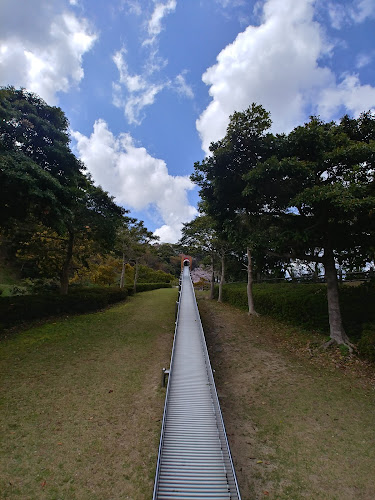
Tsushima Green Park
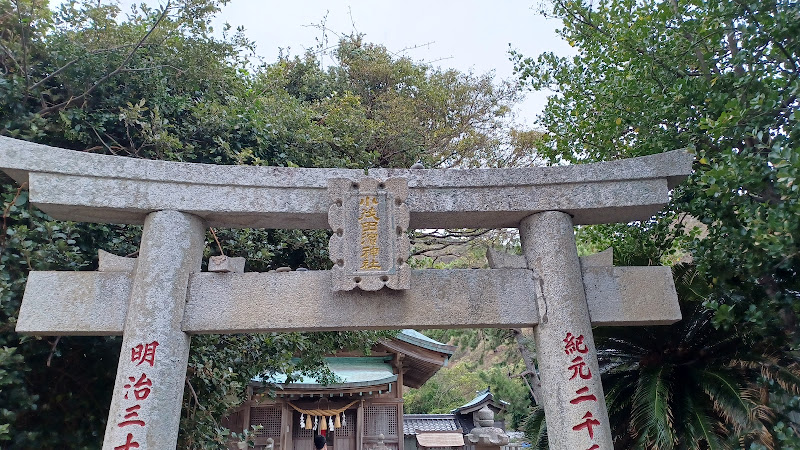
Komodahama Shrine
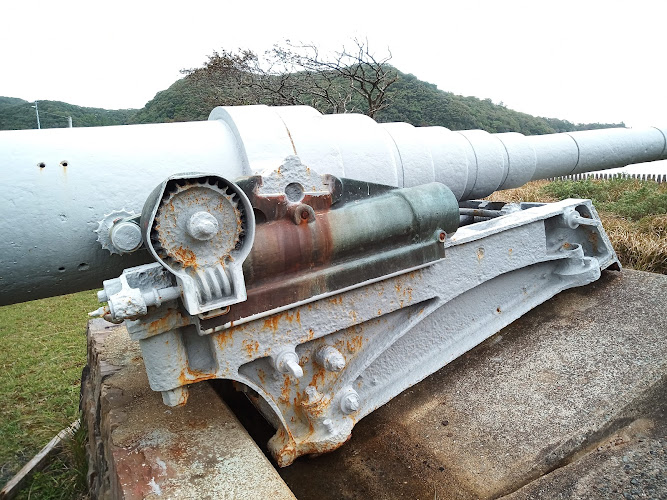
Land Disembarkment of Russian Soldiers
Find Accommodations Nearby
Recommended Tours & Activities
Visitor Reviews
There are no reviews yet. Be the first one to write one.
Share Your Experience
Have you visited Tsutsusaki Lighthouse? Help other travelers by leaving a review.