
Osakasayama
About Osakasayama
Description
It might not make the shortlists in glossy travel magazines just yet, but Osakasayama is honestly the sort of place I love discovering—and sharing with folks who want more from Japan than just neon bustle and picture-perfect shrines. Tucked away in southern Osaka, Osakasayama balances the pulse of city life with the warmth and quirks of a smaller community. With around 58,000 residents (I always love knowing the scale of a place before I visit), it feels manageable, local, but still full of surprises.
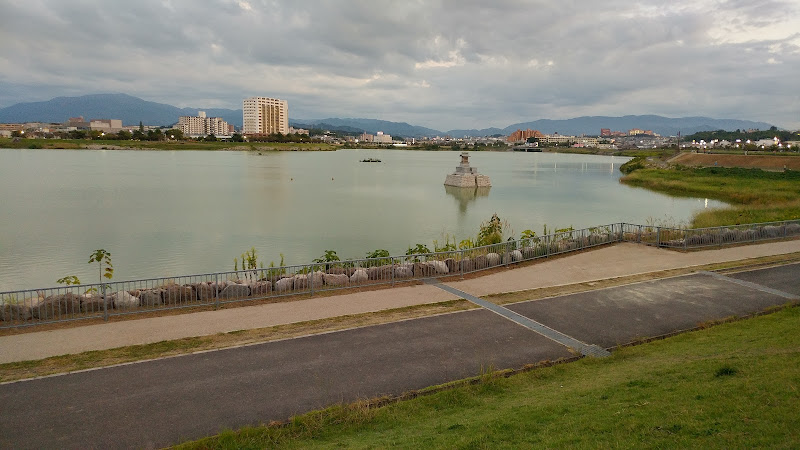
You might hear folks call this city quaint, and that isn’t too far off—though I'd also throw in a few curveballs like eclectic, unexpectedly lively, and (sometimes) gently mysterious. Osakasayama’s roots run deep. The city has been through a few big changes over the last century: think agricultural heartland, suburban boomtown, and now a space where locals seem equally comfortable with tradition and Amazon Prime. My favorite thing? Even if you’re coming just for a quick day trip or plan to linger longer, there are quiet moments to be found – a morning breeze at Sayamaike Park, fresh-picked produce at a city farmer’s market, or a casual noodle lunch near a store that’s probably been run by the same cheery auntie for decades.
I won’t tell you there are headline-grabbing monuments everywhere, but honestly, the appeal lies in its everyday charm. Here, you’re almost guaranteed to stumble across neighborhood scenes that could be plucked straight from a Ghibli film—little egret birds gliding over ponds, grandpas chatting in the sunshine, and children chasing each other after school (I may have watched this play out one rainy afternoon, completely captivated).
It’s a city that feels lived in—since people stay for years and know each other by name. Osakasayama isn’t a theme park. It’s a real place, with all the messy, fascinating small details real places gift you. And if you’re the type of traveler who likes to get under the skin of a destination, it delivers some serendipitous rewards: hidden historical sites, oddball snack shops, the clang of school bells, and the occasional festival that unites several generations on a lantern-lit street. Magical, if you ask me.
Key Features
- Sayamaike Historical Museum: Yes, I gush about museums, but this Tadao Ando-designed space is something special—part ancient reservoir exhibit, part architectural gem. Even if history isn’t usually your thing, the building (and moat!) makes it memorable. You’ll see the oldest man-made reservoir in Japan, dating all the way back to the Asuka period. Not bad for a local attraction.
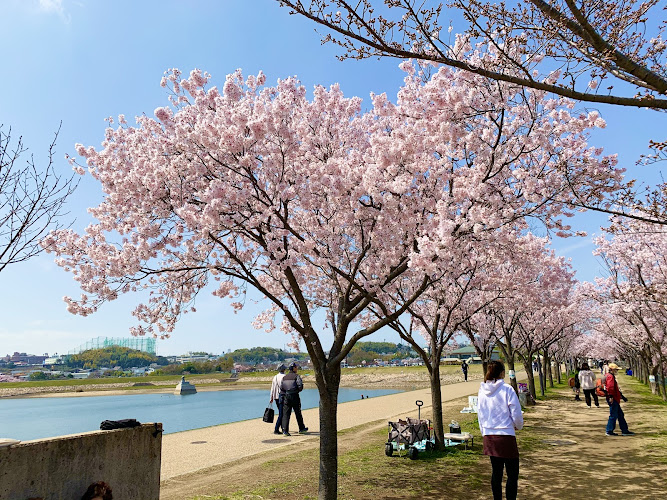
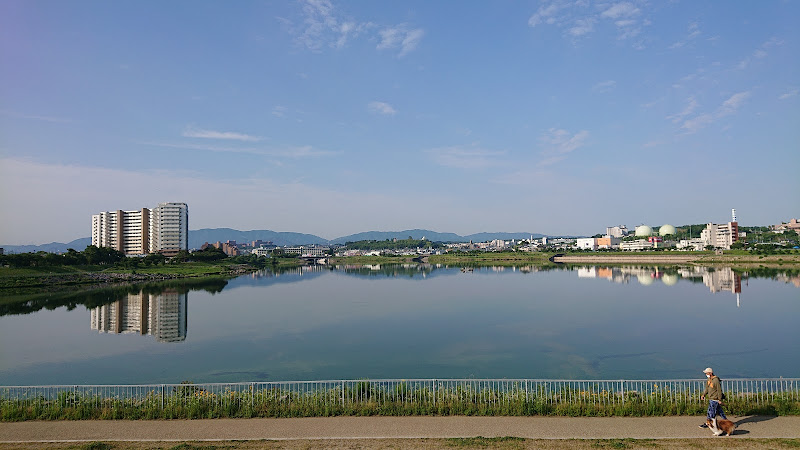
- Sayamaike Park: Early mornings or late afternoons here are balm for the soul. Locals out jogging, elderly people tending cherry blossom trees, and views that beg a little quiet reflection. The seasonal changes are the highlight—cherry blossoms softening the skyline in spring, golden gingko in the autumn.
- Old Meets New Atmosphere: The city manages to pull off a fun juxtaposition: ancient rice paddies and centuries-old irrigation systems sit just a few blocks from cheerful shopping arcades and suburban cafes serving bubble tea.
- Local Market Culture: Look for pop-up food markets (especially near the park or train stations), selling everything from takoyaki to daifuku. Good luck resisting the smell of freshly grilled yakitori. I rarely do.
- Hidden Temples and Shrines: They might not be as grand as Kyoto’s, but you can find surprising small shrines tucked between neighborhoods—the kind with mossy steps and paper lanterns. If you poke around and see locals heading in with flowers, you’re on the right track.
- Friendly Local Vibe: People here are proud of their pocket of Osaka. Generosity isn’t rare—expect offers to help if you look lost, and a few curious stares (usually followed by a shy smile) if you’re sporting a camera and a big hat.
- Community Festivals: Depending on when you visit, you may catch matsuri (festivals) where neighbors parade portable shrines, dance, or put on neighborhood fireworks. Don't be shy—these aren't touristy shows, so bring your best festival spirit.
- Compact, Easy-to-Explore Layout: The city’s 11.92 square kilometers make it a breeze to navigate by bike or on foot. You won’t get lost (for long, anyway), and smaller scale means you can sample more in less time.
- Proximity to Osaka City and Sakai: Hop on a train and you’re in Osaka’s lively downtown in under an hour or exploring historical Sakai in even less. You get the suburb and the metropolis—just depends what flavor you’re after.
Best Time to Visit
If you’re anything like me, weather and local buzz matter a ton for travel planning. In Osakasayama, the sweet spots are spring (late March to early April) and autumn (late October to early December). Here’s why:
- Spring: Cherry blossoms light up Sayamaike Park’s walkways and ponds. There’s an electric mood in the air. People picnic, kids play, you get selfies under petals—it’s one of the more low-key but beautiful sakura scenes in southern Osaka. Temps are comfortable, often 12-20°C (54-68°F).
- Autumn: My personal favorite. Golden leaves, lower humidity, and quieter neighborhoods. You’ll spot persimmons dangling from branches in random gardens and the gingko trees turn such a bright yellow you’ll squint. Fewer crowds, ideal for aimless wandering.
- Summer: Hot, sticky, and cicada-loud, but festivals ramp up and the city does late-night markets. If you love festival food and the shrieks of kids playing with sparklers, this is your time.
- Winter: Chilly but rarely frigid. The town slows, but you get to connect with the gentle day-to-day pace of locals. Not much snow, just cozy eateries and the odd dazzling display of winter illuminations.
How to Get There
Here’s the best part. Osakasayama’s not some unreachable rural fantasy where you need two buses and a lucky coin. It’s easy to reach from almost anywhere in greater Osaka.
- By Train:
- Hop on the Nankai Koya Line from Osaka Namba Station. The Sayama-shi Station drops you right at the city’s hub. It takes about 25-30 minutes, depending on the service. Super straightforward. If you’re coming from elsewhere, Kansai International Airport is just over an hour by train and transfer—no stress.
- By Car:
- Drivers can zip down the Hanwa or Kinki Expressway from central Osaka. Parking isn’t usually a nightmare, especially near parks or shopping centers, but weekends and festival days can jam things up a bit.
- By Bus:
- Local bus lines loop from Sakai, Kawachinagano, and beyond. Not the quickest route, but scenic—rural glimpses, residential neighborhoods, a real slice of daily life if you’re up for an adventure (and don’t mind deciphering a Japanese bus timetable—bring patience or Google Translate).
Tips for Visiting
- Start early: Mornings have that special hush. Try to catch sunrise at Sayamaike Park or beat the afternoon rush at a local bakery (the melon bread here, wow).
- Learn a few Japanese basics: Many locals love a chat—even if it’s just a few words. Arigato (thank you), Sumimasen (excuse me), and Oishii (delicious) go a long way. I once got free pickled daikon after saying “oishii” at a grocer. Worth it.
- Look for local events: Even small neighborhood fairs are a treat. Don't be shy—peek at community boards near the train station or ask at your hotel/inn. If you’re polite, invitations usually follow.
- Pack layers: Weather
Key Features
- Key Features
- Best Time to Visit
- How to Get There
- Tips for Visiting
More Details
Updated June 9, 2025
Table of Contents
Description
It might not make the shortlists in glossy travel magazines just yet, but Osakasayama is honestly the sort of place I love discovering—and sharing with folks who want more from Japan than just neon bustle and picture-perfect shrines. Tucked away in southern Osaka, Osakasayama balances the pulse of city life with the warmth and quirks of a smaller community. With around 58,000 residents (I always love knowing the scale of a place before I visit), it feels manageable, local, but still full of surprises.
You might hear folks call this city quaint, and that isn’t too far off—though I’d also throw in a few curveballs like eclectic, unexpectedly lively, and (sometimes) gently mysterious. Osakasayama’s roots run deep. The city has been through a few big changes over the last century: think agricultural heartland, suburban boomtown, and now a space where locals seem equally comfortable with tradition and Amazon Prime. My favorite thing? Even if you’re coming just for a quick day trip or plan to linger longer, there are quiet moments to be found – a morning breeze at Sayamaike Park, fresh-picked produce at a city farmer’s market, or a casual noodle lunch near a store that’s probably been run by the same cheery auntie for decades.
I won’t tell you there are headline-grabbing monuments everywhere, but honestly, the appeal lies in its everyday charm. Here, you’re almost guaranteed to stumble across neighborhood scenes that could be plucked straight from a Ghibli film—little egret birds gliding over ponds, grandpas chatting in the sunshine, and children chasing each other after school (I may have watched this play out one rainy afternoon, completely captivated).
It’s a city that feels lived in—since people stay for years and know each other by name. Osakasayama isn’t a theme park. It’s a real place, with all the messy, fascinating small details real places gift you. And if you’re the type of traveler who likes to get under the skin of a destination, it delivers some serendipitous rewards: hidden historical sites, oddball snack shops, the clang of school bells, and the occasional festival that unites several generations on a lantern-lit street. Magical, if you ask me.
Key Features
- Sayamaike Historical Museum: Yes, I gush about museums, but this Tadao Ando-designed space is something special—part ancient reservoir exhibit, part architectural gem. Even if history isn’t usually your thing, the building (and moat!) makes it memorable. You’ll see the oldest man-made reservoir in Japan, dating all the way back to the Asuka period. Not bad for a local attraction.
- Sayamaike Park: Early mornings or late afternoons here are balm for the soul. Locals out jogging, elderly people tending cherry blossom trees, and views that beg a little quiet reflection. The seasonal changes are the highlight—cherry blossoms softening the skyline in spring, golden gingko in the autumn.
- Old Meets New Atmosphere: The city manages to pull off a fun juxtaposition: ancient rice paddies and centuries-old irrigation systems sit just a few blocks from cheerful shopping arcades and suburban cafes serving bubble tea.
- Local Market Culture: Look for pop-up food markets (especially near the park or train stations), selling everything from takoyaki to daifuku. Good luck resisting the smell of freshly grilled yakitori. I rarely do.
- Hidden Temples and Shrines: They might not be as grand as Kyoto’s, but you can find surprising small shrines tucked between neighborhoods—the kind with mossy steps and paper lanterns. If you poke around and see locals heading in with flowers, you’re on the right track.
- Friendly Local Vibe: People here are proud of their pocket of Osaka. Generosity isn’t rare—expect offers to help if you look lost, and a few curious stares (usually followed by a shy smile) if you’re sporting a camera and a big hat.
- Community Festivals: Depending on when you visit, you may catch matsuri (festivals) where neighbors parade portable shrines, dance, or put on neighborhood fireworks. Don’t be shy—these aren’t touristy shows, so bring your best festival spirit.
- Compact, Easy-to-Explore Layout: The city’s 11.92 square kilometers make it a breeze to navigate by bike or on foot. You won’t get lost (for long, anyway), and smaller scale means you can sample more in less time.
- Proximity to Osaka City and Sakai: Hop on a train and you’re in Osaka’s lively downtown in under an hour or exploring historical Sakai in even less. You get the suburb and the metropolis—just depends what flavor you’re after.
Best Time to Visit
If you’re anything like me, weather and local buzz matter a ton for travel planning. In Osakasayama, the sweet spots are spring (late March to early April) and autumn (late October to early December). Here’s why:
- Spring: Cherry blossoms light up Sayamaike Park’s walkways and ponds. There’s an electric mood in the air. People picnic, kids play, you get selfies under petals—it’s one of the more low-key but beautiful sakura scenes in southern Osaka. Temps are comfortable, often 12-20°C (54-68°F).
- Autumn: My personal favorite. Golden leaves, lower humidity, and quieter neighborhoods. You’ll spot persimmons dangling from branches in random gardens and the gingko trees turn such a bright yellow you’ll squint. Fewer crowds, ideal for aimless wandering.
- Summer: Hot, sticky, and cicada-loud, but festivals ramp up and the city does late-night markets. If you love festival food and the shrieks of kids playing with sparklers, this is your time.
- Winter: Chilly but rarely frigid. The town slows, but you get to connect with the gentle day-to-day pace of locals. Not much snow, just cozy eateries and the odd dazzling display of winter illuminations.
Btw, if you want that picture-perfect, non-touristy Japan, visit on a weekday outside any major holiday—Osakasayama’s quieter rhythm is the real magic.
How to Get There
Here’s the best part. Osakasayama’s not some unreachable rural fantasy where you need two buses and a lucky coin. It’s easy to reach from almost anywhere in greater Osaka.
- By Train:
- Hop on the Nankai Koya Line from Osaka Namba Station. The Sayama-shi Station drops you right at the city’s hub. It takes about 25-30 minutes, depending on the service. Super straightforward. If you’re coming from elsewhere, Kansai International Airport is just over an hour by train and transfer—no stress.
- By Car:
- Drivers can zip down the Hanwa or Kinki Expressway from central Osaka. Parking isn’t usually a nightmare, especially near parks or shopping centers, but weekends and festival days can jam things up a bit.
- By Bus:
- Local bus lines loop from Sakai, Kawachinagano, and beyond. Not the quickest route, but scenic—rural glimpses, residential neighborhoods, a real slice of daily life if you’re up for an adventure (and don’t mind deciphering a Japanese bus timetable—bring patience or Google Translate).
Osakasayama is compact enough that once you’re off the train, you can hoof it pretty much everywhere. I’m a slow walker, but even I’ve crisscrossed town without needing more than a comfy pair of sneakers. If you’re lugging bags or with kids, taxis are available but rarely needed unless the weather’s nasty.
Tips for Visiting
- Start early: Mornings have that special hush. Try to catch sunrise at Sayamaike Park or beat the afternoon rush at a local bakery (the melon bread here, wow).
- Learn a few Japanese basics: Many locals love a chat—even if it’s just a few words. Arigato (thank you), Sumimasen (excuse me), and Oishii (delicious) go a long way. I once got free pickled daikon after saying “oishii” at a grocer. Worth it.
- Look for local events: Even small neighborhood fairs are a treat. Don’t be shy—peek at community boards near the train station or ask at your hotel/inn. If you’re polite, invitations usually follow.
- Pack layers: Weather
Key Highlights
- Key Features
- Best Time to Visit
- How to Get There
- Tips for Visiting
Location
Places to Stay Near Osakasayama
Find and Book a Tour
Explore More Travel Guides
No reviews found! Be the first to review!
Traveler Reviews for Osakasayama
There are no reviews yet. Be the first one to write one.
Have you visited Osakasayama? Help other travelers by sharing your review.
You Might Also Like
Sayama-ike Pond
Sayamaike Park
Niji no yu
Find Accommodations Nearby
Recommended Tours & Activities
Visitor Reviews
There are no reviews yet. Be the first one to write one.
Share Your Experience
Have you visited Osakasayama? Help other travelers by leaving a review.