
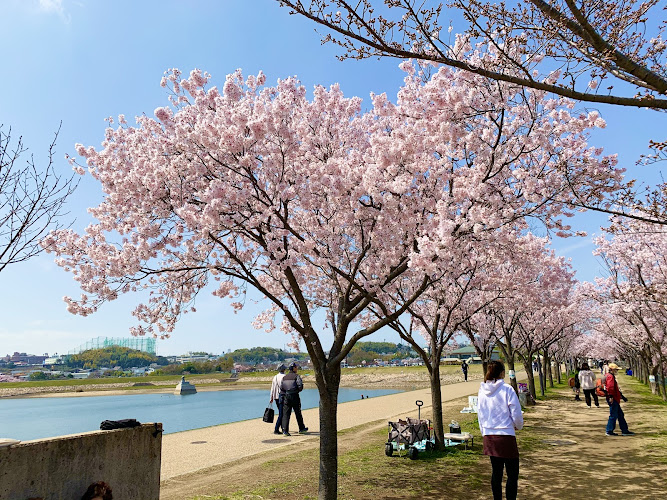
Sayama-ike Pond
About Sayama-ike Pond
Description
The first time I wandered around Sayama-ike Pond, I was floored—no exaggeration. I mean, sure, from the road, you see a wide quiet pond. But when you actually step onto the walking path, you realize: this place is a living, breathing piece of Japanese history, still humming along after nearly 1,400 years. It’s got those striking contrasts—the ancient earthwork embankment cozied up against a modern museum built by a starchitect, buzz-cut lawns rolling beside wild reeds. Walking here, you see grandparents practicing their slow stroll beside schoolkids catching bugs, while runners lap the circuit with headphones on. There’s something pleasingly honest about it; it’s been used, enjoyed, and lived with for centuries.
Despite being man-made, Sayama-ike feels natural. The gentle curve of the dike, green slopes with swans floating silently along the banks, cherry trees lining the pathways—it’s the kind of place you want to loaf around, even if you’re not the “pond enthusiast” type (hey, I wasn’t either until I kept coming back here!). The cherry blossom season is something you have to see; crowds gather, families unfold picnic sheets, photographers jostle for a shot. If you can, also duck into the Sayamaike Museum—the architecture will knock your socks off, and the exhibits peel back centuries of clever Japanese engineering.
Honestly, if you’re looking to trade a bit of Osaka’s urban edge for history and scenic tranquility, Sayama-ike Pond is a no-brainer. It doesn’t try to wow you with glitz. Instead, it gives you stories, space, and time to soak them in.
Key Features
- Centuries-Old Heritage: Built over 1,400 years ago—offering a rare glimpse at Japan’s earliest water management ingenuity (seriously, they were thinking sustainability before it was cool).
- Cherry Blossoms in Spring: Walkways lined with sakura trees, painting the shores pink each April. If you come here at the right time, picnic spots fill up fast—locals know best, so claim a patch early!
- Sayamaike Museum: Super-modern, award-winning architecture, plus exhibits that are surprisingly fun even if you don’t think you’re a museum buff. Bonus points: you can see actual excavated dike chunks up close.
- Stroller & Wheelchair Friendly: Flat, wide paths and regular benches make it easy for everyone to enjoy, no matter your mobility level.
- Local Birds & Wildlife: Swans, ducks, turtles, and herons love the pond—bring binoculars if you’re into birdwatching, or just sit and soak it in.
- Family-Friendly Atmosphere: Kids can run wild, parents can relax. It’s remarkably peaceful, even on weekends.
- Running & Walking Trails: The 2km circuit is perfect for runners, joggers, or slow wanderers like me who keep stopping for a better view.
- Free Admission: No wallet pains for soaking up the scenery—the park itself costs nothing, and even the museum is wallet-friendly.
- Accessible Facilities: Wheelchair-accessible entrances, toilets, and parking, plus vending machines tucked here and there. No need to lug in snacks.
- Photo Opportunities: Sunrises and sunsets are particularly striking over the pond—genuinely, your Instagram will thank you.
Best Time to Visit
If you ask me (and let’s be real, everyone around Osaka), spring is the sweet spot for Sayama-ike Pond, especially late March through mid-April. That’s cherry blossom season—the walkways become tunnels of pink, and honestly, even the most “seen it all” traveler will find themselves grinning at the sight. Summer can be hot, but the breezes off the pond make it surprisingly tolerable. I personally love late afternoon and early evenings in early summer, when the skies glow gold and dragonflies zip around—there’s something magical about the air.
Autumn is a sleeper hit, too: the maples and ginkgos turn wild shades of red and yellow, and crowds thin out. If you’re not a fan of crowds and sticky heat, shoot for late October or early November. Winter? Well, it’s quieter—some might say moody, especially at sunrise, with mist curling over the water. Basically, unless you absolutely cannot tolerate brisk air or bigger crowds, you can’t really pick a bad time. My only advice: check the forecast before coming if you care about the view—you want those clear blue skies if you can get ‘em.
How to Get There
Getting to Sayama-ike Pond is a breeze—yet another reason I keep recommending it to everyone who asks where they should sightsee outside the Osaka city bustle. If you’re coming from central Osaka, it’s roughly a 40-minute train ride. Hop onto the Nankai Koya Line and aim for Osakasayama Station. From there, it’s an easy walk—maybe 15 minutes? On a nice day, the stroll itself feels like a prelude to the main show, with local bakeries and ever-reliable convenience stores dotting the route.
Driving? Totally doable. There’s a public parking lot with designated wheelchair spaces—just be warned, weekends or major flower seasons do fill up fast (I once found myself circling a lot, fruitlessly, while everyone else seemed to have shown up at sunrise). Biking is an option too, especially if you’re feeling outdoorsy or staying nearby.
If you’re relying on public buses, the Sayama-ike Museum stop is clearly marked and lets you right out by the pond. Piece of cake. Taxis are ok, but can get stuck in traffic when cherry blossoms peak. If you’re into walking, the area is safe, and the signage is friendly to non-Japanese speakers. Only caveat? Sometimes Google Maps gets the pond entrance mixed up—so keep an eye on the signs, and follow your nose (or the crowds).
Tips for Visiting
Now, here’s the stuff nobody tells you until you find out the hard way (like I did my first time, soggy sandwich and all):
- Picnic Preparedness: During cherry blossom season especially, bring a ground sheet or tarp. The grass will be damp—even on sunny days—if you want to park yourself for lunch. And trust me, nothing ruins a good bento faster than a soggy bottom.
- Shoes Matter: The trail is mostly smooth, but after a rain, a few spots can get a bit muddy. Wear sneakers or comfy walking shoes, rather than those Instagram-ready sandals.
- Get There Early: Mornings are less crowded, especially on weekends and in spring. If you want your pick of the prime blossom-spotting benches, set that alarm.
- Say Hello to Locals: This isn’t just a tourist spot; locals love it. If you want restaurant or snack recommendations in the area, strike up a conversation. People are warm and will point you to local gems—the best croquettes I’ve eaten in Japan were a tip from an elderly walker I met there.
- Bring Binoculars or a Camera: The birdlife is surprisingly diverse, and the light can be jaw-dropping at sunset. Even if you’re not a blogger, you’ll regret leaving your camera in the hotel.
- Mind the Weather: Bring an umbrella or a hat—with little shelter, a sudden drizzle or strong midday sun can catch you by surprise. The convenience stores are life-savers, but don’t count on finding much shade.
- Visit the Museum: Even if you’re just a little curious about how people engineered ponds over a millennium ago, the Sayamaike Museum is worth an hour or two. Super kid-friendly, and surprisingly hands-on in parts.
- Check for Events: Occasionally, the park has small festivals, music events, or historical reenactments. They aren’t always widely advertised outside Japan, but if you stumble onto one, you’re in for a treat.
- Accessibility Rocks: If you’re traveling with someone who uses a wheelchair or stroller, don’t worry. Between the paved paths, accessible restrooms, and parking, Sayama-ike is actually one of the more inclusive spots I’ve found in the region.
- Keep it Clean: This is a cherished local landmark—pack out your trash, and leave the blossoms (and turtles!) for the next bunch of visitors.
So, would I recommend Sayama-ike Pond? A hundred times, yes. It’s genuinely one of those places that grows on you—the kind of spot where every visit feels different, depending on the weather, the season, and even your mood. Some folks might say it’s just a
Key Features
- Key Features
- Best Time to Visit
- How to Get There
- Tips for Visiting
More Details
Updated June 9, 2025
Table of Contents
Description
The first time I wandered around Sayama-ike Pond, I was floored—no exaggeration. I mean, sure, from the road, you see a wide quiet pond. But when you actually step onto the walking path, you realize: this place is a living, breathing piece of Japanese history, still humming along after nearly 1,400 years. It’s got those striking contrasts—the ancient earthwork embankment cozied up against a modern museum built by a starchitect, buzz-cut lawns rolling beside wild reeds. Walking here, you see grandparents practicing their slow stroll beside schoolkids catching bugs, while runners lap the circuit with headphones on. There’s something pleasingly honest about it; it’s been used, enjoyed, and lived with for centuries.
Despite being man-made, Sayama-ike feels natural. The gentle curve of the dike, green slopes with swans floating silently along the banks, cherry trees lining the pathways—it’s the kind of place you want to loaf around, even if you’re not the “pond enthusiast” type (hey, I wasn’t either until I kept coming back here!). The cherry blossom season is something you have to see; crowds gather, families unfold picnic sheets, photographers jostle for a shot. If you can, also duck into the Sayamaike Museum—the architecture will knock your socks off, and the exhibits peel back centuries of clever Japanese engineering.
Honestly, if you’re looking to trade a bit of Osaka’s urban edge for history and scenic tranquility, Sayama-ike Pond is a no-brainer. It doesn’t try to wow you with glitz. Instead, it gives you stories, space, and time to soak them in.
Key Features
- Centuries-Old Heritage: Built over 1,400 years ago—offering a rare glimpse at Japan’s earliest water management ingenuity (seriously, they were thinking sustainability before it was cool).
- Cherry Blossoms in Spring: Walkways lined with sakura trees, painting the shores pink each April. If you come here at the right time, picnic spots fill up fast—locals know best, so claim a patch early!
- Sayamaike Museum: Super-modern, award-winning architecture, plus exhibits that are surprisingly fun even if you don’t think you’re a museum buff. Bonus points: you can see actual excavated dike chunks up close.
- Stroller & Wheelchair Friendly: Flat, wide paths and regular benches make it easy for everyone to enjoy, no matter your mobility level.
- Local Birds & Wildlife: Swans, ducks, turtles, and herons love the pond—bring binoculars if you’re into birdwatching, or just sit and soak it in.
- Family-Friendly Atmosphere: Kids can run wild, parents can relax. It’s remarkably peaceful, even on weekends.
- Running & Walking Trails: The 2km circuit is perfect for runners, joggers, or slow wanderers like me who keep stopping for a better view.
- Free Admission: No wallet pains for soaking up the scenery—the park itself costs nothing, and even the museum is wallet-friendly.
- Accessible Facilities: Wheelchair-accessible entrances, toilets, and parking, plus vending machines tucked here and there. No need to lug in snacks.
- Photo Opportunities: Sunrises and sunsets are particularly striking over the pond—genuinely, your Instagram will thank you.
Best Time to Visit
If you ask me (and let’s be real, everyone around Osaka), spring is the sweet spot for Sayama-ike Pond, especially late March through mid-April. That’s cherry blossom season—the walkways become tunnels of pink, and honestly, even the most “seen it all” traveler will find themselves grinning at the sight. Summer can be hot, but the breezes off the pond make it surprisingly tolerable. I personally love late afternoon and early evenings in early summer, when the skies glow gold and dragonflies zip around—there’s something magical about the air.
Autumn is a sleeper hit, too: the maples and ginkgos turn wild shades of red and yellow, and crowds thin out. If you’re not a fan of crowds and sticky heat, shoot for late October or early November. Winter? Well, it’s quieter—some might say moody, especially at sunrise, with mist curling over the water. Basically, unless you absolutely cannot tolerate brisk air or bigger crowds, you can’t really pick a bad time. My only advice: check the forecast before coming if you care about the view—you want those clear blue skies if you can get ‘em.
How to Get There
Getting to Sayama-ike Pond is a breeze—yet another reason I keep recommending it to everyone who asks where they should sightsee outside the Osaka city bustle. If you’re coming from central Osaka, it’s roughly a 40-minute train ride. Hop onto the Nankai Koya Line and aim for Osakasayama Station. From there, it’s an easy walk—maybe 15 minutes? On a nice day, the stroll itself feels like a prelude to the main show, with local bakeries and ever-reliable convenience stores dotting the route.
Driving? Totally doable. There’s a public parking lot with designated wheelchair spaces—just be warned, weekends or major flower seasons do fill up fast (I once found myself circling a lot, fruitlessly, while everyone else seemed to have shown up at sunrise). Biking is an option too, especially if you’re feeling outdoorsy or staying nearby.
If you’re relying on public buses, the Sayama-ike Museum stop is clearly marked and lets you right out by the pond. Piece of cake. Taxis are ok, but can get stuck in traffic when cherry blossoms peak. If you’re into walking, the area is safe, and the signage is friendly to non-Japanese speakers. Only caveat? Sometimes Google Maps gets the pond entrance mixed up—so keep an eye on the signs, and follow your nose (or the crowds).
Tips for Visiting
Now, here’s the stuff nobody tells you until you find out the hard way (like I did my first time, soggy sandwich and all):
- Picnic Preparedness: During cherry blossom season especially, bring a ground sheet or tarp. The grass will be damp—even on sunny days—if you want to park yourself for lunch. And trust me, nothing ruins a good bento faster than a soggy bottom.
- Shoes Matter: The trail is mostly smooth, but after a rain, a few spots can get a bit muddy. Wear sneakers or comfy walking shoes, rather than those Instagram-ready sandals.
- Get There Early: Mornings are less crowded, especially on weekends and in spring. If you want your pick of the prime blossom-spotting benches, set that alarm.
- Say Hello to Locals: This isn’t just a tourist spot; locals love it. If you want restaurant or snack recommendations in the area, strike up a conversation. People are warm and will point you to local gems—the best croquettes I’ve eaten in Japan were a tip from an elderly walker I met there.
- Bring Binoculars or a Camera: The birdlife is surprisingly diverse, and the light can be jaw-dropping at sunset. Even if you’re not a blogger, you’ll regret leaving your camera in the hotel.
- Mind the Weather: Bring an umbrella or a hat—with little shelter, a sudden drizzle or strong midday sun can catch you by surprise. The convenience stores are life-savers, but don’t count on finding much shade.
- Visit the Museum: Even if you’re just a little curious about how people engineered ponds over a millennium ago, the Sayamaike Museum is worth an hour or two. Super kid-friendly, and surprisingly hands-on in parts.
- Check for Events: Occasionally, the park has small festivals, music events, or historical reenactments. They aren’t always widely advertised outside Japan, but if you stumble onto one, you’re in for a treat.
- Accessibility Rocks: If you’re traveling with someone who uses a wheelchair or stroller, don’t worry. Between the paved paths, accessible restrooms, and parking, Sayama-ike is actually one of the more inclusive spots I’ve found in the region.
- Keep it Clean: This is a cherished local landmark—pack out your trash, and leave the blossoms (and turtles!) for the next bunch of visitors.
So, would I recommend Sayama-ike Pond? A hundred times, yes. It’s genuinely one of those places that grows on you—the kind of spot where every visit feels different, depending on the weather, the season, and even your mood. Some folks might say it’s just a
Key Highlights
- Key Features
- Best Time to Visit
- How to Get There
- Tips for Visiting
Location
Places to Stay Near Sayama-ike Pond
Find and Book a Tour
Explore More Travel Guides
No reviews found! Be the first to review!
Traveler Reviews for Sayama-ike Pond
There are no reviews yet. Be the first one to write one.
Have you visited Sayama-ike Pond? Help other travelers by sharing your review.
You Might Also Like
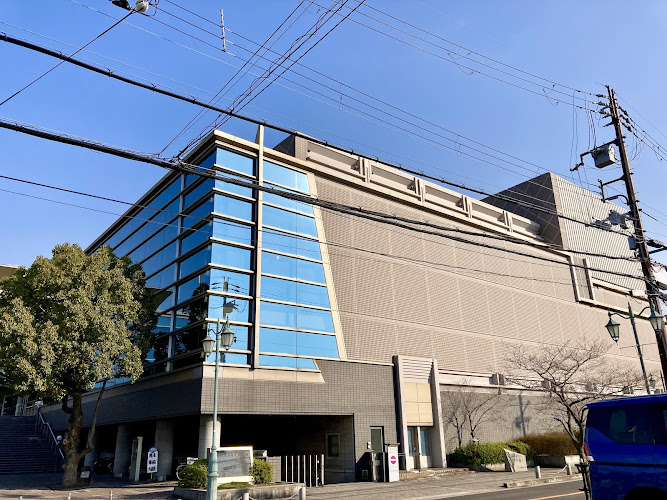
Osaka Sayama Cultural Center SAYAKA Hall
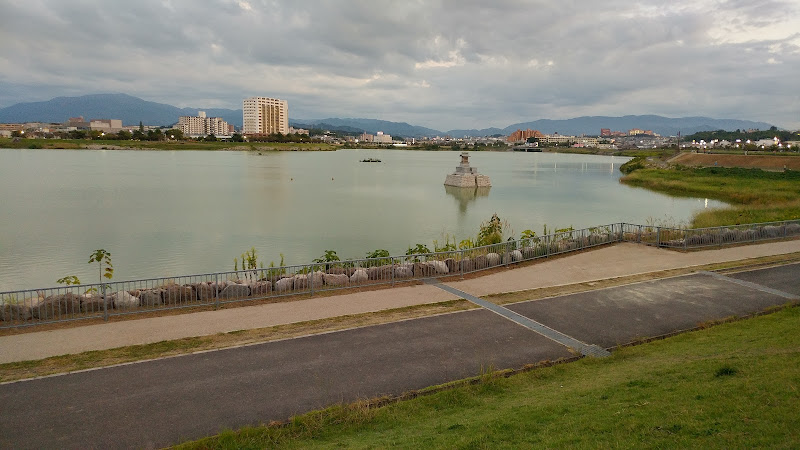
Osakasayama
Niji no yu
Find Accommodations Nearby
Recommended Tours & Activities
Visitor Reviews
There are no reviews yet. Be the first one to write one.
Share Your Experience
Have you visited Sayama-ike Pond? Help other travelers by leaving a review.