
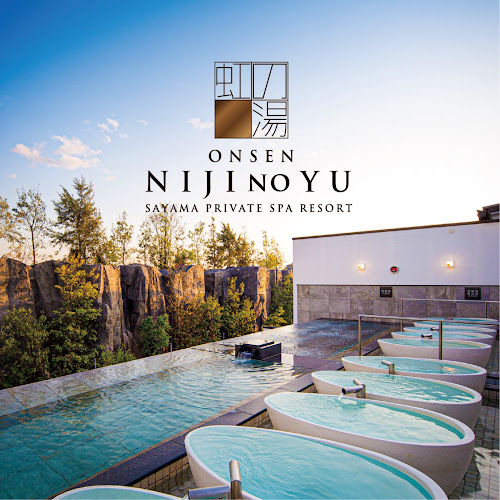
Niji no yu
About Niji no yu
Description
Rolling up to Niji no yu, you get this immediate sense that you’re at the edge of the city—like you’ve stepped just far enough away from Osaka’s dulled blistering pace, but not so far you lose that electric hum altogether. Niji no yu is a super public bath (or スーパー銭湯, as locals call it), but that doesn’t really do it justice. It’s part spa, part community hub, and for some reason, you inevitably find yourself relaxing the minute the doors whoosh open. I’ve been to my fair share of onsens, and let’s just say, not all of them stick in your memory. But here, things feel inviting without trying too hard. The natural hot spring water is rich with minerals (I honestly can’t pronounce half the names, but trust me, your skin will thank you), and the air outside has this gentle, earthy aroma, especially after it rains. If you’re a bit shy, there are private day-use baths you can book—great for families, couples, or folks like me who simply appreciate some solitude after a too-loud day. One story: Last time I dropped by, a little after lunch, there was this (very vocal) local grandma advising everyone in the open-air bath about proper stretching. You don’t get that kind of charm in your average western spa. But hey, you learn something new, and the relaxed, community atmosphere is one of the best “features” here. Just don’t expect snooty silence—you’ll get laughter, casual conversation, and maybe pick up a few Japanese words along the way. The water temperature is just right—hot enough to feel rejuvenating but not so scorching that you leap right back out. I always recommend the lie-down bath if your lower back is a regular complainer. Facilities are thoughtfully accessible, and for those who need it, both the entrance and parking lot support wheelchairs. Sometimes, these little details truly make or break a trip, don’t they? For foodies, there’s a restaurant inside serving hearty, comfort dishes. I’m partial to the lightly salted yakitori and seriously cold beer—nothing fancy, but it hits the spot after a soak. Oh, and sauna lovers—yes, there’s a proper sauna (though, if you’re someone who can only handle 30 seconds, pace yourself; it does get toasty). Not everything is perfect (I mean, what place is?), but the overall vibe is friendly, down-to-earth, and definitely worth a detour if you’re anywhere near the city’s southwest. If you want quiet luxury, maybe look elsewhere; if you want genuine relaxation among local folks with a restorative soak, Niji no yu’s going to check a lot of your boxes.Key Features
- Natural Onsen Waters: Authentic hot spring baths packed with skin-nourishing minerals—great for easing tired muscles or just floating your stress away. It’s not a gimmick; you really do feel different after an hour or two here.
- Open-Air Baths: The outdoor baths let you soak under the open sky, which—in my humble opinion—is the way these baths are meant to be enjoyed. Listening to rustling leaves or softly falling rain always makes me linger longer.
- Day-Use Private Baths: Perfect for anyone who values a bit more privacy, or if you’re traveling with family, or (let’s be real) just want to avoid strangers entirely for a bit.
- Sauna Included: Not just an add-on, their sauna is surprisingly roomy. After sweating it out, the cold water plunge pool is…intense. But the rush is unbeatable.
- Lie-Down Bath: Unique design lets you truly sprawl out—your back will thank you.
- Wheelchair Accessible: Thoughtful touches like the accessible entrance and parking make sure everyone can join the relaxation party.
- Casual Restaurant: Tasty, unfussy eats—Japanese comfort food and cold drinks. Eating in your yukata feels pleasantly rebellious, honestly.
- Rest Areas: There are lounging spaces, and I may have napped here once or twice—no regrets.
Best Time to Visit
Is there really a wrong time to sink into piping-hot onsen water? Not really, but I find certain times have their own flavor. For the most relaxing experience, try visiting on weekday mornings or late evenings. The crowds thin out, and the baths feel even more peaceful—almost like you’ve stumbled onto your own private oasis. If you’re the type who enjoys a quiet retreat, skip weekends and public holidays. It’s a local favorite, so it’s not uncommon to bump elbows if you show up on a busy Saturday afternoon. Winter, though, that’s peak magic. Picture this: your breath steaming in the crisp air, while your body’s toasty-warm under the night sky. I remember one January evening when gentle snowflakes started falling while I was stretched out in the open-air bath—unforgettable, honestly. That said, each season’s got its perks. Spring brings fresh greenery, summer evenings are lively and chatty, and autumn, well, the nearby foliage puts on a subtle display for anyone looking out from the outdoor pools. So, pick your favorite mood—just plan ahead if you don’t love crowds.How to Get There
Getting to Niji no yu isn’t complicated, but it feels like a proper adventure, especially if you’re coming from central Osaka. Before you even start, double-check train times—Japanese public transport is rarely late, but it can be confusing for first-timers. By train, you’ll want to ride the Nankai Koya Line. Get off at Sayama Station. From there, you can either walk (about 20 minutes—good for working up a pre-soak appetite) or grab a taxi from just outside the station. Taxis are affordable here, and you won’t feel awkward—drivers are pretty used to bath-bound travelers. If you have a rental car, parking is a breeze and, more importantly, accessible for everyone. Rainy days turn that short walk from the parking lot into a refreshing mini-adventure though, so pack a light raincoat just in case. Oftentimes, folks traveling as a group or with elderly relatives find driving the simplest option. The area isn’t too congested, so you won’t have to worry about the circus that is big-city traffic. A quirky aside: Japanese convenience stores near the station make great pit stops for onsen snacks or last-minute essentials (like that bottle of peach-flavored Pocari Sweat you never knew you needed).Tips for Visiting
Alright, so here’s where I spill the beans on what I wish I’d known my first visit (and what my friends always thank me for telling them!). Some tips might sound basic, but trust me, even veteran travelers can get tripped up at a Japanese super sento.- Bring Your Own Towel & Toiletries: Sure, you can rent or buy these, but it’s cheaper—and just easier—to bring your own. More than once, I’ve watched someone sheepishly realize they packed everything…except a towel.
- Cash is King: Japan is moving toward card payments, but smaller spots (especially restaurants or vending machines inside) might still prefer cash. Always have some yen handy.
- Tattoos? Check In Advance: The rules around tattoos have loosened up a bit, but still, ask at the desk if you’re unsure. Some onsens will provide cover-up patches, though not always.
- Observe the Bath Etiquette: Wash *thoroughly* before entering the baths. Onsen manners are serious business here—go ahead, be part of the club.
- Don’t Rush the Experience: Try each of the baths, especially the lie-down bath and open-air pools. Spending some time rotating between hot, cold, and sauna sessions is half the fun—and, let’s be honest, a great nap recipe.
- Accessibility: If you have mobility needs, staff are usually helpful. Don't be shy; asking at the front desk makes a world of difference.
- Dining Tip: The restaurant gets busy during peak times. I aim for off-hours—I once had a late lunch here and got chatting with a local chef, who insisted I try an extra side of pickles. Worth it.
- Communal Vibe: Expect laughter, conversations, and kids playing—this isn’t a silent retreat, so just roll with it. I've always found the locals welcoming and chatty, in that refreshingly unpretentious Osaka way.
- Stay Hydrated: Between the hot waters and sauna, your body loses a lot of moisture. Drink up; the vending machines are stocked with local goodies (try the yuzu-flavored drinks, quirky but refreshing).
- Lockers & Valuables: Use the secure lockers for peace of mind, but I suggest not bringing anything expensive with you. You'll be in a yukata or nothing at all most of the time; travel light.
Key Features
- Key Features
- Best Time to Visit
- How to Get There
- Tips for Visiting
More Details
Updated June 9, 2025
Table of Contents
Description
Rolling up to Niji no yu, you get this immediate sense that you’re at the edge of the city—like you’ve stepped just far enough away from Osaka’s dulled blistering pace, but not so far you lose that electric hum altogether. Niji no yu is a super public bath (or スーパー銭湯, as locals call it), but that doesn’t really do it justice. It’s part spa, part community hub, and for some reason, you inevitably find yourself relaxing the minute the doors whoosh open.
I’ve been to my fair share of onsens, and let’s just say, not all of them stick in your memory. But here, things feel inviting without trying too hard. The natural hot spring water is rich with minerals (I honestly can’t pronounce half the names, but trust me, your skin will thank you), and the air outside has this gentle, earthy aroma, especially after it rains. If you’re a bit shy, there are private day-use baths you can book—great for families, couples, or folks like me who simply appreciate some solitude after a too-loud day.
One story: Last time I dropped by, a little after lunch, there was this (very vocal) local grandma advising everyone in the open-air bath about proper stretching. You don’t get that kind of charm in your average western spa. But hey, you learn something new, and the relaxed, community atmosphere is one of the best “features” here. Just don’t expect snooty silence—you’ll get laughter, casual conversation, and maybe pick up a few Japanese words along the way.
The water temperature is just right—hot enough to feel rejuvenating but not so scorching that you leap right back out. I always recommend the lie-down bath if your lower back is a regular complainer. Facilities are thoughtfully accessible, and for those who need it, both the entrance and parking lot support wheelchairs. Sometimes, these little details truly make or break a trip, don’t they?
For foodies, there’s a restaurant inside serving hearty, comfort dishes. I’m partial to the lightly salted yakitori and seriously cold beer—nothing fancy, but it hits the spot after a soak. Oh, and sauna lovers—yes, there’s a proper sauna (though, if you’re someone who can only handle 30 seconds, pace yourself; it does get toasty).
Not everything is perfect (I mean, what place is?), but the overall vibe is friendly, down-to-earth, and definitely worth a detour if you’re anywhere near the city’s southwest. If you want quiet luxury, maybe look elsewhere; if you want genuine relaxation among local folks with a restorative soak, Niji no yu’s going to check a lot of your boxes.
Key Features
- Natural Onsen Waters: Authentic hot spring baths packed with skin-nourishing minerals—great for easing tired muscles or just floating your stress away. It’s not a gimmick; you really do feel different after an hour or two here.
- Open-Air Baths: The outdoor baths let you soak under the open sky, which—in my humble opinion—is the way these baths are meant to be enjoyed. Listening to rustling leaves or softly falling rain always makes me linger longer.
- Day-Use Private Baths: Perfect for anyone who values a bit more privacy, or if you’re traveling with family, or (let’s be real) just want to avoid strangers entirely for a bit.
- Sauna Included: Not just an add-on, their sauna is surprisingly roomy. After sweating it out, the cold water plunge pool is…intense. But the rush is unbeatable.
- Lie-Down Bath: Unique design lets you truly sprawl out—your back will thank you.
- Wheelchair Accessible: Thoughtful touches like the accessible entrance and parking make sure everyone can join the relaxation party.
- Casual Restaurant: Tasty, unfussy eats—Japanese comfort food and cold drinks. Eating in your yukata feels pleasantly rebellious, honestly.
- Rest Areas: There are lounging spaces, and I may have napped here once or twice—no regrets.
Best Time to Visit
Is there really a wrong time to sink into piping-hot onsen water? Not really, but I find certain times have their own flavor. For the most relaxing experience, try visiting on weekday mornings or late evenings. The crowds thin out, and the baths feel even more peaceful—almost like you’ve stumbled onto your own private oasis.
If you’re the type who enjoys a quiet retreat, skip weekends and public holidays. It’s a local favorite, so it’s not uncommon to bump elbows if you show up on a busy Saturday afternoon. Winter, though, that’s peak magic. Picture this: your breath steaming in the crisp air, while your body’s toasty-warm under the night sky. I remember one January evening when gentle snowflakes started falling while I was stretched out in the open-air bath—unforgettable, honestly.
That said, each season’s got its perks. Spring brings fresh greenery, summer evenings are lively and chatty, and autumn, well, the nearby foliage puts on a subtle display for anyone looking out from the outdoor pools. So, pick your favorite mood—just plan ahead if you don’t love crowds.
How to Get There
Getting to Niji no yu isn’t complicated, but it feels like a proper adventure, especially if you’re coming from central Osaka. Before you even start, double-check train times—Japanese public transport is rarely late, but it can be confusing for first-timers.
By train, you’ll want to ride the Nankai Koya Line. Get off at Sayama Station. From there, you can either walk (about 20 minutes—good for working up a pre-soak appetite) or grab a taxi from just outside the station. Taxis are affordable here, and you won’t feel awkward—drivers are pretty used to bath-bound travelers.
If you have a rental car, parking is a breeze and, more importantly, accessible for everyone. Rainy days turn that short walk from the parking lot into a refreshing mini-adventure though, so pack a light raincoat just in case.
Oftentimes, folks traveling as a group or with elderly relatives find driving the simplest option. The area isn’t too congested, so you won’t have to worry about the circus that is big-city traffic.
A quirky aside: Japanese convenience stores near the station make great pit stops for onsen snacks or last-minute essentials (like that bottle of peach-flavored Pocari Sweat you never knew you needed).
Tips for Visiting
Alright, so here’s where I spill the beans on what I wish I’d known my first visit (and what my friends always thank me for telling them!). Some tips might sound basic, but trust me, even veteran travelers can get tripped up at a Japanese super sento.
- Bring Your Own Towel & Toiletries: Sure, you can rent or buy these, but it’s cheaper—and just easier—to bring your own. More than once, I’ve watched someone sheepishly realize they packed everything…except a towel.
- Cash is King: Japan is moving toward card payments, but smaller spots (especially restaurants or vending machines inside) might still prefer cash. Always have some yen handy.
- Tattoos? Check In Advance: The rules around tattoos have loosened up a bit, but still, ask at the desk if you’re unsure. Some onsens will provide cover-up patches, though not always.
- Observe the Bath Etiquette: Wash *thoroughly* before entering the baths. Onsen manners are serious business here—go ahead, be part of the club.
- Don’t Rush the Experience: Try each of the baths, especially the lie-down bath and open-air pools. Spending some time rotating between hot, cold, and sauna sessions is half the fun—and, let’s be honest, a great nap recipe.
- Accessibility: If you have mobility needs, staff are usually helpful. Don’t be shy; asking at the front desk makes a world of difference.
- Dining Tip: The restaurant gets busy during peak times. I aim for off-hours—I once had a late lunch here and got chatting with a local chef, who insisted I try an extra side of pickles. Worth it.
- Communal Vibe: Expect laughter, conversations, and kids playing—this isn’t a silent retreat, so just roll with it. I’ve always found the locals welcoming and chatty, in that refreshingly unpretentious Osaka way.
- Stay Hydrated: Between the hot waters and sauna, your body loses a lot of moisture. Drink up; the vending machines are stocked with local goodies (try the yuzu-flavored drinks, quirky but refreshing).
- Lockers & Valuables: Use the secure lockers for peace of mind, but I suggest not bringing anything expensive with you. You’ll be in a yukata or nothing at all most of the time; travel light.
Key Highlights
- Key Features
- Best Time to Visit
- How to Get There
- Tips for Visiting
Location
Places to Stay Near Niji no yu
Find and Book a Tour
Explore More Travel Guides
No reviews found! Be the first to review!
Traveler Reviews for Niji no yu
There are no reviews yet. Be the first one to write one.
Have you visited Niji no yu? Help other travelers by sharing your review.
You Might Also Like
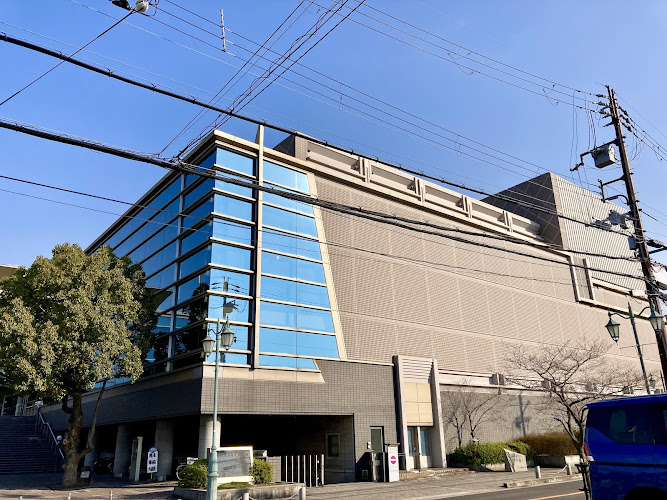
Osaka Sayama Cultural Center SAYAKA Hall

Osakasayama
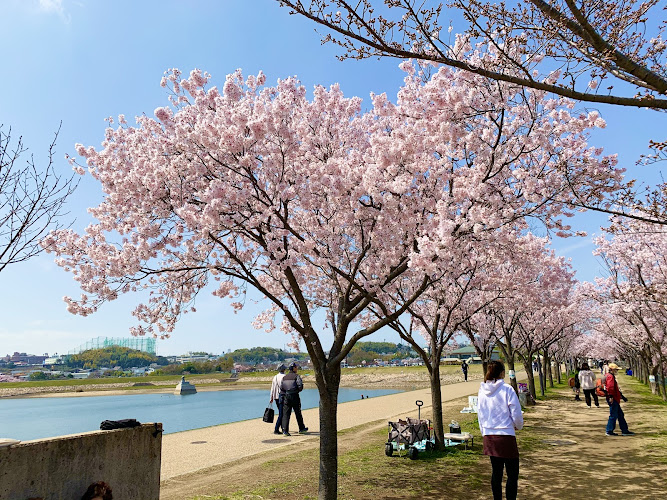
Sayama-ike Pond
Find Accommodations Nearby
Recommended Tours & Activities
Visitor Reviews
There are no reviews yet. Be the first one to write one.
Share Your Experience
Have you visited Niji no yu? Help other travelers by leaving a review.