

EN1-1A 176
About EN1-1A 176
Description
Key Features
- Historic windmill design: Distinctive red rooftop cap and original wooden blades make this mill a top photo opportunity for anyone passionate about authentic Azorean architecture.
- Sweeping Atlantic views: Standing near the building, you’ll find open vistas, often with the horizon blurred between sea and sky—it’s honestly hard not to stop and simply take it all in, especially on a clear day.
- Traditional stonework: The mix of volcanic rock and weathered wood speaks of the island’s geological drama and the resourcefulness of its builders over generations.
- Quiet, uncrowded atmosphere: Unlike the big city sights, you’ll probably share this spot with only a handful of others (if anyone). For those like me who sometimes like to travel away from the crowds, this has real appeal.
- Nearby Azorean gardens: Some parts of the area feature small gardens brimming with native plants, hydrangeas (Azores' pride!), and even little lemon trees.
- Heritage value: The mill, along with other similar structures dotting São Miguel, is a living link to 19th-century agricultural practices. It adds texture to the story of the island’s past, just waiting for the curious traveler to explore.
- Easy access: Just off the main EN1-1A road, it’s easy to find yet feels a world away from tourist hustle.
Best Time to Visit
How to Get There
Tips for Visiting
- Come prepared for the elements. The weather here shifts gear quickly. Bring a lightweight rain jacket even on a sunny day; I’ve learned that lesson the hard way, squinting through drizzle as other travelers sauntered by with dry smiles.
- Pack a snack or drinks. There are not always cafés right nearby. A small picnic—local cheese, a pastel de nata, maybe some fresh pineapple—is the best way to make the most of the views.
- Photography essentials: Early morning and blue hour offer the richest light, and photos of the red windmill aglow with the pinks and oranges of sunset look genuinely magical. Don’t rush; sometimes it’s just about waiting for the clouds to clear.
- Respect local property. Some windmills on São Miguel have been converted into private homes or guesthouses, so always check signs and don’t wander inside unless you’re expressly invited. A friendly wave goes a long way here.
- Sturdy shoes are your friend. The coastal walks can be uneven or soggy if it’s been raining, and volcanic stone gets slippery. Sandals aren’t my top pick here, though I watch others braving it with mixed (sometimes muddy) results.
- Take it slow. This isn’t the place for a rushed visit—let yourself linger by the sea, listen for seabirds, chat with a local if the opportunity arises. The pace of life on this island is a treat for those who let themselves experience it.
- Combine with other stops. If you’re making a day of it, visit some of the other nearby little gems scattered along EN1-1A. The coastline is studded with lookouts, small beaches, and vineyards that are worth a peek.
Key Features
- Key Features
- Best Time to Visit
- How to Get There
- Tips for Visiting
More Details
Updated July 9, 2025
Table of Contents
Description
Right off the bat, the first thing you notice is the windmill—it’s a bit of a local icon. With its bright red painted cap and quaint wooden blades, it’s perfectly at home amid the rolling green hills and volcanic stone houses of the area. I remember the first time I stumbled across it—quite literally after taking a wrong turn from the main EN1-1A road. It felt like bumping into a piece of living history just quietly tucked away from the buzz of downtown Ponta Delgada.
The mill calls back to the 19th-century tradition when small windmills like this powered daily life on the island. You can imagine local millers grinding grains as Atlantic breezes rush around the sails, and it doesn’t take a huge stretch to picture yourself in those shoes—even if you’re just passing by with a camera or jotting down a travel journal (guilty as charged).
Located close to the sea, the building faces out to sweeping blue ocean views, with the stone-and-wood craftsmanship holding up against salty wind and the sometimes-misty weather that the Azores are famous for. There’s a unique blend of old-world charm and subtle coastal grandeur here—stroll around, and you’ll sense the humility and endurance that defines life on São Miguel.
But as picturesque as it is, the building’s real magic is how it connects you to the rhythm of the island. Out here, travel isn’t rushed. It’s not a quick check on your itinerary; it’s an experience that gives you a tangible sense of how nature and tradition meld together in this corner of Portugal. Locals and travelers alike will tell you this spot has an unfiltered, genuine aura—no glossy tourist gimmicks, just the gentle hum of island life.
Key Features
- Historic windmill design: Distinctive red rooftop cap and original wooden blades make this mill a top photo opportunity for anyone passionate about authentic Azorean architecture.
- Sweeping Atlantic views: Standing near the building, you’ll find open vistas, often with the horizon blurred between sea and sky—it’s honestly hard not to stop and simply take it all in, especially on a clear day.
- Traditional stonework: The mix of volcanic rock and weathered wood speaks of the island’s geological drama and the resourcefulness of its builders over generations.
- Quiet, uncrowded atmosphere: Unlike the big city sights, you’ll probably share this spot with only a handful of others (if anyone). For those like me who sometimes like to travel away from the crowds, this has real appeal.
- Nearby Azorean gardens: Some parts of the area feature small gardens brimming with native plants, hydrangeas (Azores’ pride!), and even little lemon trees.
- Heritage value: The mill, along with other similar structures dotting São Miguel, is a living link to 19th-century agricultural practices. It adds texture to the story of the island’s past, just waiting for the curious traveler to explore.
- Easy access: Just off the main EN1-1A road, it’s easy to find yet feels a world away from tourist hustle.
Best Time to Visit
Now, don’t get me wrong, the Azorean weather loves to surprise you. Rain can appear out of nowhere, and clouds gather quickly—but that’s kind of the fun, isn’t it? Even on a moody, dramatic day, the sight of the windmill’s red cap standing out against the mist can feel mystical. If your goal is endlessly sunny photos, you might want to check an extended forecast before you make plans (just Google the day before, like I do when I can’t decide what to pack).
Crowds are almost never a problem here—peak season in Ponta Delgada can put a strain on bigger attractions, but this spot remains an under-the-radar gem. If you’re a fan of wildflowers, June is spectacular; the area comes alive with color, and even the gardens near the windmill start showing off. For photographers, early morning or late afternoon light plays beautifully off the sea and the old stones.
How to Get There
By Car:
Most travelers find that renting a car is the best way to experience São Miguel, giving you the freedom to hop between small towns, volcanic craters, and hidden ocean viewpoints. The EN1-1A road links many of the island’s main sites—and with Ponta Delgada being the main city hub, you’re never too far away. Just punch EN1-1A 176 into your GPS or favorite maps app (offline maps can be a lifesaver with spotty reception), and you’ll wind your way there in no time. There’s usually parking nearby, although in summer you might have to be a bit patient.
Walking/Biking:
If you’re staying close, consider a walk or even renting a bike. The roads are generally quiet, and wandering along the coastal lanes here is one of the best ways to soak up local color—you’ll catch scents of hydrangeas and salt on the breeze, maybe spot a few chickens pecking in the gardens.
Public Transport:
While São Miguel does have buses, they’re not always perfectly synced with tourist needs—think island rhythms rather than city schedules. If you like a bit of unpredictability in your trip (I sometimes do), look up the local bus routes from Ponta Delgada to surrounding villages along EN1-1A.
Coming from further off on the island? The main city is about a 15-20 min drive away, depending on how sidetracked you get by ocean overlooks or roadside snack stalls selling local queijo.
Tips for Visiting
- Come prepared for the elements. The weather here shifts gear quickly. Bring a lightweight rain jacket even on a sunny day; I’ve learned that lesson the hard way, squinting through drizzle as other travelers sauntered by with dry smiles.
- Pack a snack or drinks. There are not always cafés right nearby. A small picnic—local cheese, a pastel de nata, maybe some fresh pineapple—is the best way to make the most of the views.
- Photography essentials: Early morning and blue hour offer the richest light, and photos of the red windmill aglow with the pinks and oranges of sunset look genuinely magical. Don’t rush; sometimes it’s just about waiting for the clouds to clear.
- Respect local property. Some windmills on São Miguel have been converted into private homes or guesthouses, so always check signs and don’t wander inside unless you’re expressly invited. A friendly wave goes a long way here.
- Sturdy shoes are your friend. The coastal walks can be uneven or soggy if it’s been raining, and volcanic stone gets slippery. Sandals aren’t my top pick here, though I watch others braving it with mixed (sometimes muddy) results.
- Take it slow. This isn’t the place for a rushed visit—let yourself linger by the sea, listen for seabirds, chat with a local if the opportunity arises. The pace of life on this island is a treat for those who let themselves experience it.
- Combine with other stops. If you’re making a day of it, visit some of the other nearby little gems scattered along EN1-1A. The coastline is studded with lookouts, small beaches, and vineyards that are worth a peek.
What really sticks with me about EN1-1A 176—after all the castles, big city lights, and resort beaches I’ve seen in Portugal—is its authenticity. It stands quietly, a postcard-perfect windmill still holding watch over the island, as life carries on at its own pace. You’ll leave with more than just photos; you’ll carry a subtle but real sense of what makes the Azores so special among the world’s islands. And if you’re anything like me, you’ll probably be planning your return before you even leave.
Key Highlights
- Key Features
- Best Time to Visit
- How to Get There
- Tips for Visiting
Location
Places to Stay Near EN1-1A 176
Find and Book a Tour
Explore More Travel Guides
No reviews found! Be the first to review!
Traveler Reviews for EN1-1A 176
There are no reviews yet. Be the first one to write one.
Have you visited EN1-1A 176? Help other travelers by sharing your review.
You Might Also Like

Igreja Matriz de São Sebastião
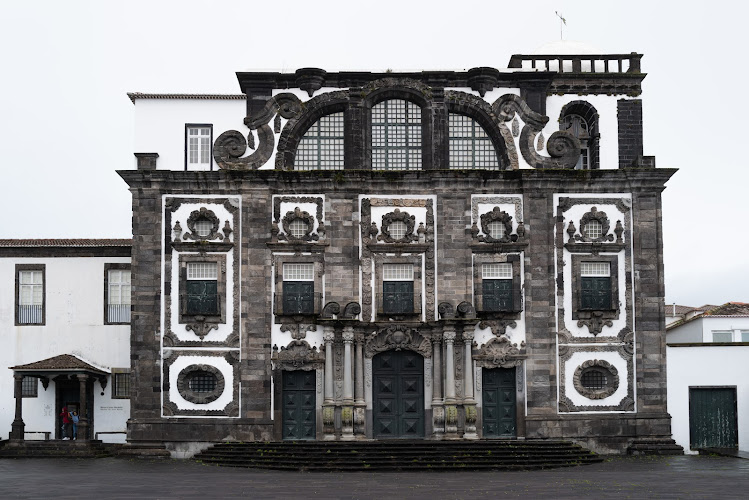
Igreja do Colégio dos Jesuítas
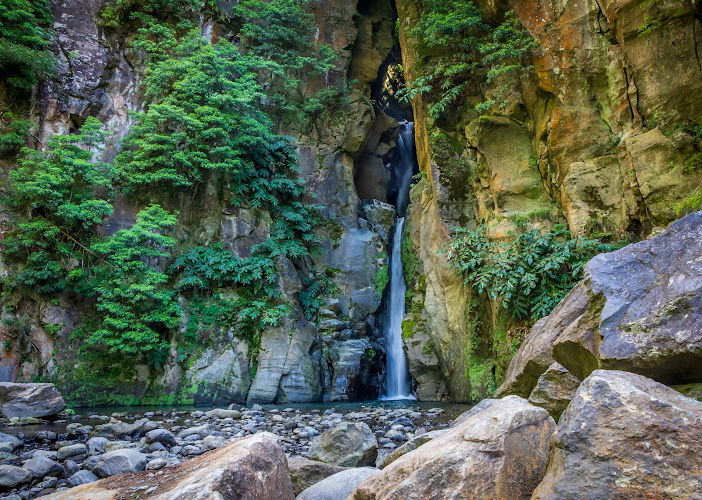
Salto do Cabrito
Find Accommodations Nearby
Recommended Tours & Activities
Visitor Reviews
There are no reviews yet. Be the first one to write one.
Share Your Experience
Have you visited EN1-1A 176? Help other travelers by leaving a review.