
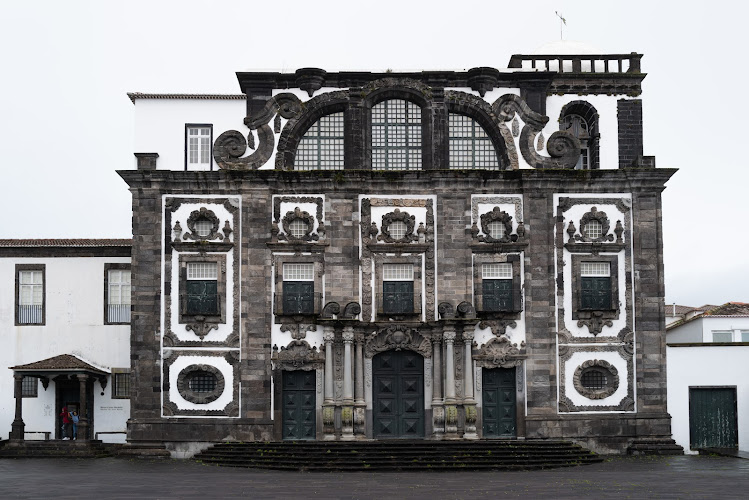
Igreja do Colégio dos Jesuítas
About Igreja do Colégio dos Jesuítas
Description
Step into a place where history echoes off thick stone walls and beauty lives in every intricate corner—the Igreja do Colégio dos Jesuítas in the heart of Ponta Delgada. Oh, if these stones could talk, they'd whisper tales of the Jesuit order, religious devotion, and the changing face of the Azores across centuries. This isn’t just another church, and I don’t say that lightly; you can feel the significance as soon as you pass beneath those dramatic archways and let your gaze run up the imposing Baroque façade. It's the kind of place you might just stumble into while wandering São Miguel Island’s capital, but anyone with a smidgeon of interest in culture, art, or Portuguese history should really put it smack at the top of their list.
So what makes the Colégio dos Jesuítas stand out among Portugal’s many historic churches? For starters, this is more than a church—it's a multi-layered attraction, each layer worth exploring. Built in the 17th century by the Jesuit order, the building has lived many lives: as a center of learning, a religious sanctuary, and today, as a revered site blending spiritual, educational, and cultural heritage. Part of the structure now houses the Museu Carlos Machado, giving you a unique experience: see sacred art, local azulejos (tiles), and regional artifacts all under one (often elaborately gilded) roof. And yes, this is the largest Jesuit church in the Azores, with a scale that feels both grand and somehow intimate, especially if you visit during a quieter moment.
The interior is the real showstopper for me. There’s gold leaf, rich wooden altars, and enough intricately painted details to make even the most jaded traveler pause mid-snap. Those blue-and-white azulejos wrapping parts of the nave? They not only anchor the building firmly within Portuguese tradition but also create an almost dreamlike glow as sunlight pours through tall windows. Despite the church’s grandiosity, there’s genuine warmth (both figuratively and literally—I was grateful for the sturdy walls blocking out a chilly Atlantic wind during my last visit).
But what I really remember, perhaps more than the gold or the frescoes, is just how alive this space feels. From families coming in to light a candle, to curious groups trailing museum guides speaking a dozen different languages, there’s a constant buzz of discovery. Many come for spiritual reasons, others—like myself—for a direct line into the island’s singular mix of Portuguese, Jesuit, and Azorean identities.
Key Features
- Stunning Baroque Architecture: Recognizable for its impressive façade, soaring arches, and elaborate stonework, making it a striking presence in Ponta Delgada’s cityscape.
- Historic Jesuit Heritage: Built by the Society of Jesus in the 17th century, playing a central role in the cultural and religious development of São Miguel Island.
- Museu Carlos Machado: Part of the church now serves as a museum, giving you access to Azorean art, natural history exhibits, and religious artifacts in beautifully maintained galleries.
- Gilded Altars & Sacred Art: The interior features ornate woodwork, intricate altars, and religious art unique to the Azores.
- Azulejos (Tiles): See iconic Portuguese blue-and-white tiles, some dating back centuries, telling stories both sacred and everyday.
- Wheelchair Accessibility: Thoughtful, step-free entry and accessible restroom and parking options, genuinely welcoming to all.
- Cultural Events: Occasionally hosts concerts, temporary exhibitions, and other public events, connecting the historic space to contemporary Azorean life.
- Peaceful Setting: Despite being central, you’ll often find a slice of calm inside—ideal for reflection, sketching, or simply taking a breather.
Best Time to Visit
Honestly, Ponta Delgada—and the Azores as a whole—are not your typical year-round beach destination. The weather here is famously “four seasons in a day”, so timing your visit can make a real difference. From my own soggy-shoe experience: Spring (April to early June) serves up lush gardens and the city at its prettiest, but you’ll want to pack a rain jacket no matter what. Summer (June to September) brings longer days, more sun, and various local festivals—this is a fabulous time to explore, though crowds are a bit thicker and things hum a notch louder.
Inside the church, though, it’s always serene, rain or shine. If you want fewer people in your photos and a little hush-hush tranquility, aim for a weekday morning. I recall wandering almost alone one dreary Tuesday afternoon, just the gentle echo of my footsteps and the far-off murmur of restoration work behind a cordon—bliss for the contemplative traveler.
Local religious festivals like Senhor Santo Cristo dos Milagres in May draw thousands, and the streets become a whirlwind of color and devotion. It’s a spectacle, but do go in knowing it’s packed, energetic, and you’re unlikely to get a quiet minute inside the church. Perfect if you love people-watching, not so much if you’re in meditative mode.
How to Get There
Ponta Delgada is the main city on São Miguel Island, so chances are, you’ll pass through whether you’re island-hopping or just soaking up Azorean life. The Igreja do Colégio dos Jesuítas is right in the city’s heart—absolutely walkable from the marina, popular accommodation spots, and most main attractions. If you’re coming from the airport (a mere 10-15 minutes by taxi or rental car), you’ll likely be downtown in no time.
Here’s my practical, feet-on-the-ground advice:
On Foot: Most of the charm’s in wandering. The cobbled streets and calçada walkways are easy to tackle, though some are uneven.
By Car: There’s wheelchair-accessible parking nearby, but parking in central Ponta Delgada can sometimes be a mild headache, especially on festival days.
Public Transit: Local buses run to the city center, but honestly, unless you’re staying out of town, it’s easier to stroll in and soak up the Azorean architecture along your way.
Feeling adventurous? Rent a bike or scooter (though be warned—the city’s got its fair share of hills and slick paving if it’s wet).
Tips for Visiting
- Respectful Dress: This is still a functioning church, so even in the middle of summer, try to cover shoulders and knees. I always carry a light scarf for such occasions, and it’s come in handy more than once.
- Photography: You’re welcome to snap away in most areas, but please avoid flash inside, and always be mindful if there’s a service or someone deep in prayer nearby. Some art and museum exhibits may have restrictions—check for signage.
- Timing: For maximum peace, arrive early or towards the late afternoon. Group tours tend to flow through mid-morning. If you want to linger, go off-peak.
- Accessibility: The wheelchair-accessible entrance and restroom are a real plus—you don’t find that in every Azorean site. If you or someone in your party needs step-free access, you won’t feel out of place here.
- Guided Tours: Consider joining a local guide or booking a walking tour that includes the Igreja do Colégio dos Jesuítas and other São Miguel cultural landmarks. There’s a lot of backstory here, and a good guide can bring it all to life.
- Combine with Other Sights: You’re steps from the Museu Carlos Machado’s other sites, the city’s main square, and the bustling Mercado da Graça. Make a day of it!
- Travelling with Kids? The museum as well as the church can be surprisingly engaging for older kids. Just prep them for a quieter atmosphere—a little “treasure hunt” for statues and details can work wonders.
- Restroom Access: There are clean restrooms available within the building—another thing every traveler appreciates.
- Admission: While the church itself is free to enter, the museum sections may require a ticket. Bring a little cash in case cards aren’t accepted (but most places in Ponta Delgada are now card-friendly).
- Weather Watch: The Azores are notorious for sudden rain, so toss a compact umbrella or quick-dry jacket in your bag. The church and museum are excellent back-up plans if the weather turns.
If you love history, or art, or that spellbinding hush only a centuries-old building gives, the Igreja do Colégio dos Jesuítas is hands-down worth your time in Ponta Delgada. It’s one of those places where Portugal’s island stories, global Jesuit history, and plain human creativity are all crammed together under a beautiful, sometimes crumbling, endlessly fascinating roof.
On my last visit, standing under the painted ceilings and soaking up the layered voices of schoolchildren, elderly locals, and inquisitive travelers, I realized—the church really is more than the sum of its parts. It’s living, breathing history. And that’s something no camera, however good your Instagram game, can truly capture.
Key Features
- Key Features
- Best Time to Visit
- How to Get There
- Tips for Visiting
More Details
Updated September 16, 2025
Table of Contents
Description
Step into a place where history echoes off thick stone walls and beauty lives in every intricate corner—the Igreja do Colégio dos Jesuítas in the heart of Ponta Delgada. Oh, if these stones could talk, they’d whisper tales of the Jesuit order, religious devotion, and the changing face of the Azores across centuries. This isn’t just another church, and I don’t say that lightly; you can feel the significance as soon as you pass beneath those dramatic archways and let your gaze run up the imposing Baroque façade. It’s the kind of place you might just stumble into while wandering São Miguel Island’s capital, but anyone with a smidgeon of interest in culture, art, or Portuguese history should really put it smack at the top of their list.
So what makes the Colégio dos Jesuítas stand out among Portugal’s many historic churches? For starters, this is more than a church—it’s a multi-layered attraction, each layer worth exploring. Built in the 17th century by the Jesuit order, the building has lived many lives: as a center of learning, a religious sanctuary, and today, as a revered site blending spiritual, educational, and cultural heritage. Part of the structure now houses the Museu Carlos Machado, giving you a unique experience: see sacred art, local azulejos (tiles), and regional artifacts all under one (often elaborately gilded) roof. And yes, this is the largest Jesuit church in the Azores, with a scale that feels both grand and somehow intimate, especially if you visit during a quieter moment.
The interior is the real showstopper for me. There’s gold leaf, rich wooden altars, and enough intricately painted details to make even the most jaded traveler pause mid-snap. Those blue-and-white azulejos wrapping parts of the nave? They not only anchor the building firmly within Portuguese tradition but also create an almost dreamlike glow as sunlight pours through tall windows. Despite the church’s grandiosity, there’s genuine warmth (both figuratively and literally—I was grateful for the sturdy walls blocking out a chilly Atlantic wind during my last visit).
But what I really remember, perhaps more than the gold or the frescoes, is just how alive this space feels. From families coming in to light a candle, to curious groups trailing museum guides speaking a dozen different languages, there’s a constant buzz of discovery. Many come for spiritual reasons, others—like myself—for a direct line into the island’s singular mix of Portuguese, Jesuit, and Azorean identities.
Key Features
- Stunning Baroque Architecture: Recognizable for its impressive façade, soaring arches, and elaborate stonework, making it a striking presence in Ponta Delgada’s cityscape.
- Historic Jesuit Heritage: Built by the Society of Jesus in the 17th century, playing a central role in the cultural and religious development of São Miguel Island.
- Museu Carlos Machado: Part of the church now serves as a museum, giving you access to Azorean art, natural history exhibits, and religious artifacts in beautifully maintained galleries.
- Gilded Altars & Sacred Art: The interior features ornate woodwork, intricate altars, and religious art unique to the Azores.
- Azulejos (Tiles): See iconic Portuguese blue-and-white tiles, some dating back centuries, telling stories both sacred and everyday.
- Wheelchair Accessibility: Thoughtful, step-free entry and accessible restroom and parking options, genuinely welcoming to all.
- Cultural Events: Occasionally hosts concerts, temporary exhibitions, and other public events, connecting the historic space to contemporary Azorean life.
- Peaceful Setting: Despite being central, you’ll often find a slice of calm inside—ideal for reflection, sketching, or simply taking a breather.
Best Time to Visit
Honestly, Ponta Delgada—and the Azores as a whole—are not your typical year-round beach destination. The weather here is famously “four seasons in a day”, so timing your visit can make a real difference. From my own soggy-shoe experience: Spring (April to early June) serves up lush gardens and the city at its prettiest, but you’ll want to pack a rain jacket no matter what. Summer (June to September) brings longer days, more sun, and various local festivals—this is a fabulous time to explore, though crowds are a bit thicker and things hum a notch louder.
Inside the church, though, it’s always serene, rain or shine. If you want fewer people in your photos and a little hush-hush tranquility, aim for a weekday morning. I recall wandering almost alone one dreary Tuesday afternoon, just the gentle echo of my footsteps and the far-off murmur of restoration work behind a cordon—bliss for the contemplative traveler.
Local religious festivals like Senhor Santo Cristo dos Milagres in May draw thousands, and the streets become a whirlwind of color and devotion. It’s a spectacle, but do go in knowing it’s packed, energetic, and you’re unlikely to get a quiet minute inside the church. Perfect if you love people-watching, not so much if you’re in meditative mode.
How to Get There
Ponta Delgada is the main city on São Miguel Island, so chances are, you’ll pass through whether you’re island-hopping or just soaking up Azorean life. The Igreja do Colégio dos Jesuítas is right in the city’s heart—absolutely walkable from the marina, popular accommodation spots, and most main attractions. If you’re coming from the airport (a mere 10-15 minutes by taxi or rental car), you’ll likely be downtown in no time.
Here’s my practical, feet-on-the-ground advice:
On Foot: Most of the charm’s in wandering. The cobbled streets and calçada walkways are easy to tackle, though some are uneven.
By Car: There’s wheelchair-accessible parking nearby, but parking in central Ponta Delgada can sometimes be a mild headache, especially on festival days.
Public Transit: Local buses run to the city center, but honestly, unless you’re staying out of town, it’s easier to stroll in and soak up the Azorean architecture along your way.
Feeling adventurous? Rent a bike or scooter (though be warned—the city’s got its fair share of hills and slick paving if it’s wet).
Tips for Visiting
- Respectful Dress: This is still a functioning church, so even in the middle of summer, try to cover shoulders and knees. I always carry a light scarf for such occasions, and it’s come in handy more than once.
- Photography: You’re welcome to snap away in most areas, but please avoid flash inside, and always be mindful if there’s a service or someone deep in prayer nearby. Some art and museum exhibits may have restrictions—check for signage.
- Timing: For maximum peace, arrive early or towards the late afternoon. Group tours tend to flow through mid-morning. If you want to linger, go off-peak.
- Accessibility: The wheelchair-accessible entrance and restroom are a real plus—you don’t find that in every Azorean site. If you or someone in your party needs step-free access, you won’t feel out of place here.
- Guided Tours: Consider joining a local guide or booking a walking tour that includes the Igreja do Colégio dos Jesuítas and other São Miguel cultural landmarks. There’s a lot of backstory here, and a good guide can bring it all to life.
- Combine with Other Sights: You’re steps from the Museu Carlos Machado’s other sites, the city’s main square, and the bustling Mercado da Graça. Make a day of it!
- Travelling with Kids? The museum as well as the church can be surprisingly engaging for older kids. Just prep them for a quieter atmosphere—a little “treasure hunt” for statues and details can work wonders.
- Restroom Access: There are clean restrooms available within the building—another thing every traveler appreciates.
- Admission: While the church itself is free to enter, the museum sections may require a ticket. Bring a little cash in case cards aren’t accepted (but most places in Ponta Delgada are now card-friendly).
- Weather Watch: The Azores are notorious for sudden rain, so toss a compact umbrella or quick-dry jacket in your bag. The church and museum are excellent back-up plans if the weather turns.
If you love history, or art, or that spellbinding hush only a centuries-old building gives, the Igreja do Colégio dos Jesuítas is hands-down worth your time in Ponta Delgada. It’s one of those places where Portugal’s island stories, global Jesuit history, and plain human creativity are all crammed together under a beautiful, sometimes crumbling, endlessly fascinating roof.
On my last visit, standing under the painted ceilings and soaking up the layered voices of schoolchildren, elderly locals, and inquisitive travelers, I realized—the church really is more than the sum of its parts. It’s living, breathing history. And that’s something no camera, however good your Instagram game, can truly capture.
Key Highlights
- Key Features
- Best Time to Visit
- How to Get There
- Tips for Visiting
Location
Places to Stay Near Igreja do Colégio dos Jesuítas
Find and Book a Tour
Explore More Travel Guides
No reviews found! Be the first to review!
Traveler Reviews for Igreja do Colégio dos Jesuítas
There are no reviews yet. Be the first one to write one.
Have you visited Igreja do Colégio dos Jesuítas? Help other travelers by sharing your review.
You Might Also Like

EN1-1A 176
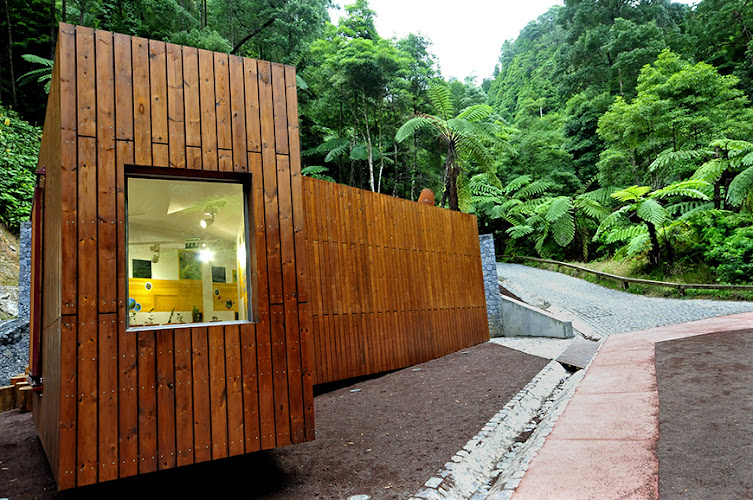
Centro de Interpretação Ambiental da Caldeira Velha
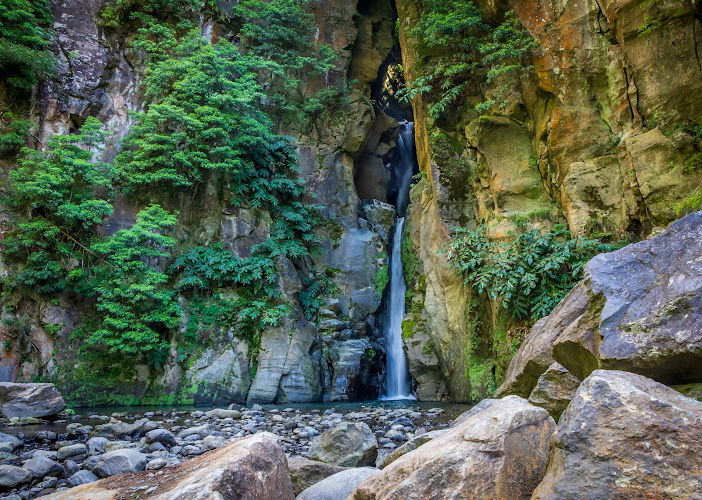
Salto do Cabrito
Find Accommodations Nearby
Recommended Tours & Activities
Visitor Reviews
There are no reviews yet. Be the first one to write one.
Share Your Experience
Have you visited Igreja do Colégio dos Jesuítas? Help other travelers by leaving a review.