
Binurong Point
About Binurong Point
Description
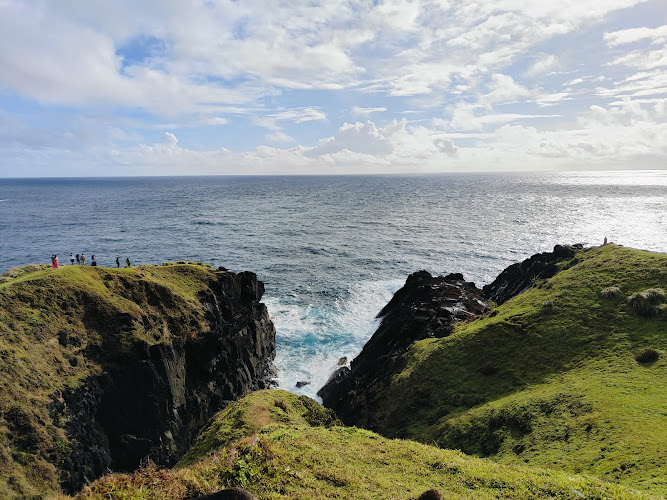
Honestly, if you're craving a raw, unpolished dose of Mother Nature, Binurong Point in Baras, Catanduanes is the kind of place your adventure-loving soul will want to bookmark for your next trip through the Philippines. Its reputation among travelers is almost legendary by now — and for good reason. The moment you set foot on those rolling hills and feel that Pacific breeze on your cheeks, you just know you’re somewhere special. It’s the kind of vast, exhilarating beauty that pulls you right out of your everyday worries and tosses you into a living postcard.
What you get at Binurong Point isn’t your typical tourist attraction, to be perfectly frank. Don’t expect paved walkways, accessibility ramps, or the kind of polished tour guide experience you find in city museums. Nope, here, it's hills that look like they've been painted with greens pulled from an artist’s palette, wild cliffs popping straight out of the blue ocean, and crashing waves making music that drowns out your phone’s buzz. Local folks in Catanduanes take fierce pride in keeping this place as authentic and untouched as possible, too. The atmosphere’s cheerful and inviting, but there’s always this undeniable hush of respect for nature.
If you’re a fan of early mornings (listen, I get it, mornings can be rough), drag yourself out of bed and make that trek for sunrise. That golden light flooding the green hills? Seriously next-level. But any time of day, Binurong Point gives you panoramic views over the Pacific Ocean and the iconic, craggy coastline of Catanduanes that folks call the "Batanes of the East." Maybe that's a bit of a bold claim, but having seen both, I’d say Binurong holds its own.
Don’t sweat it if you aren’t a hardcore trekker, either. The trail is manageable for beginners and children — you’ll spot local families making the hike together. There's no getting around the fact it's not wheelchair accessible, and the terrain can get slippery after rain (which happens quite a lot in these parts, so, you know, check your weather app). But there’s something about earning your view at the summit that makes the experience, and the photos, even more memorable.
Key Features
- Uninterrupted Pacific Ocean Views: From the top, soak up an unbroken spectacle of blue — waves rolling in from as far as you can see, with the horizon painted in sherbet hues during sunrise.
- Rolling Green Hills: The landscape looks almost uncanny, with lush hills undulating toward the sea at all angles. If you’ve daydreamed of running through the hills in a shampoo commercial, this is it.
- Instagram-Worthy Photo Spots: Seriously, every few meters there’s a new angle you’ll want to snap. Cliffs, rock formations, grassland — your camera roll will be loaded on the way back. #NoFilter needed.
- Gentle Trekking Experience: The main trail (about 30 to 45 minutes, depending on your pace or how often you stop to gawk at the view — I stopped a lot) is friendly for active kids and beginners. No climbing ropes or technical gear needed.
- Close to Puraran Beach: After your trek, you’re just a short ride away from Puraran Beach, famous for gnarly surf and a laid-back, happy-island vibe.
- Onsite Local Guides: You’ll be greeted by local guides upon arrival. They know the place like the back of their hand and can point out hidden nooks and prime sunrise spots. There’s a guide fee, but it helps support the community and keeps the trail maintained.
- Rich Local Stories: Binurong Point isn’t just a stunner — it’s thick with local legends, and you’ll hear about the meaning behind the name "Binurong" and why the cliffs matter so much to the people of Baras.
- Great for Group or Solo Adventures: Whether you’re the contemplative, solo-hiker type or you love discovering places with friends or family, Binurong Point feels safe, welcoming, and… well, kind of magical.
- No Commercial Overload: Unlike some other tourist spots in the Philippines, you won’t find rows of souvenir stalls or overbearing signage here. It’s just you, nature, and the sound of the waves.
Best Time to Visit
Let’s just say weather is wildly important when you plan a trip to Binurong Point. That’s true for almost every outdoor destination in Catanduanes but feels extra vital here because you want those views and safe hiking. The dry months — typically from February to early June — are a safe bet if you want to avoid the muddy, sometimes slippery paths and catch that clear view of the coast and rolling hills.
If you ask around (like I often do — never underestimate the wisdom of local tricycle drivers or sari-sari store owners), most will tell you to hike for sunrise. There’s nothing like watching the first light wash over the island and the Pacific. But hey, not everyone is a morning person, so late afternoon hikes are just as dramatic, especially if you’re keen on catching pastel skies above the ocean before heading down.
Avoid typhoon season — that’s kind of a no-brainer. Catanduanes is in the path of a decent number of storms between July and December. If your trip overlaps with those months, just keep an eye on weather advisories. Rain can come out of nowhere, turning the friendly trail to mush, and fog can cover up your hard-earned views.
Odd side note: weekdays see fewer visitors. If you prefer the place almost to yourself, plan a mid-week sunrise trek. That’s when I did it — had long stretches of the ridge completely alone except for the wind and a few curious goats. Felt like I was standing at the edge of the world.
How to Get There
It’s an adventure before you even start the hike at Binurong Point. Catanduanes island itself isn’t wildly over-touristed, so half the fun is in the getting-there. Most travelers start their journey from Virac, the capital town, where there’s both an airport and sea port.
From Virac: Ride a tricycle, jeepney, or van headed for Baras town. It’s about 27 kilometers, so expect an hourish travel time, depending on road conditions (and how many stops you make for snacks). Tell your driver you’re off to Binurong Point — everyone knows where it is. Sometimes they’ll even regale you with a story or two.
Once you reach Baras, you’ll turn toward the jump-off area (locals can point you in the right direction if signposts are lacking that day). A tricycle can take you pretty close to the starting point of the trek. There’s a small registration hut where you’ll meet your local guide, pay the guide fee, and go over the dos and don’ts.
The trailhead is easy to spot — usually a flock of people in hiking gear, possibly with umbrellas for sun protection, and plenty of energy. What follows is 30 to 45 minutes of hiking up a rugged but manageable path to the main view point.
Oh, and there’s an unwritten rule: always greet the locals you meet along the way. It’s just what you do in Catanduanes. They’re usually happy to see travelers appreciating the natural beauty of their island province.
Tips for Visiting
- Go Early: The sunrise hike is legendary for a reason, but a late afternoon trek when the sun isn’t blazing works, too. Bring a flashlight or your phone torch if you plan to walk down after sunset — it gets dark fast.
- Bring Water and Light Snacks: There are no vendors along the trail. You’ll want water, for sure. Maybe some local “tinapay” from town for an impromptu hillside picnic. But whatever you pack in, pack it out.
- Dress for an Adventure: Wear proper shoes. Trust me, nothing ruins a trek faster than soggy sneakers or slippery sandals. Hats and sunscreen are your friends — the sun can be unrelenting up there, even on breezy days.
- Respect Local Customs: Listen to your guide, and don’t go off-trail. Some areas are off-limits for a reason — whether it’s to protect fragile plant life or because of local traditions tied to those hills.
- Don’t Expect Paved Paths or Wheelchair Access: This is a wild, unrefined trail. If mobility is a big concern, Binurong Point is unfortunately not designed with accessibility in mind.
- Weather Can Change Fast: Again, trust the locals and check forecasts. If it looks like rain, seriously consider rescheduling. The trail becomes a mudslide in heavy downpours.
- Camera Ready: Binurong Point is a photographer's dream — panoramic shots, macro photos of wildflowers, action shots on the cliffs. Bring an extra memory card. You’ll use it.
- Set Expectations: There are no restaurants, modern restrooms, or WiFi signals on the trail. But honestly, that unplugged, unhurried feeling is half the charm here.
- Combine with Other Experiences: You’re right by Puraran Beach — famous for its surfing. After your hike, reward yourself with a dip in the sea or lunch at a rustic nipa hut eatery nearby.
- Leave No Trace: It bears repeating: help keep Binurong Point as drop-dead beautiful for the next batch of wanderers. Every scrap of trash, take it back with you.
Few places in the Philippines deliver a hike-and-view combo like Binurong Point, Baras, Catanduanes. Whether you’re all about the soul-soothing silence, wild open spaces, or just need a shot of nature that’ll make you feel alive, this spot delivers. Just be prepared to disconnect, sweat a little, and find yourself awestruck at the edge of an island. Not bad for a morning’s adventure, right?
Key Features
- Key Features
- Best Time to Visit
- How to Get There
- Tips for Visiting
More Details
Updated July 12, 2025
Table of Contents
Honestly, if you’re craving a raw, unpolished dose of Mother Nature, Binurong Point in Baras, Catanduanes is the kind of place your adventure-loving soul will want to bookmark for your next trip through the Philippines. Its reputation among travelers is almost legendary by now — and for good reason. The moment you set foot on those rolling hills and feel that Pacific breeze on your cheeks, you just know you’re somewhere special. It’s the kind of vast, exhilarating beauty that pulls you right out of your everyday worries and tosses you into a living postcard.
What you get at Binurong Point isn’t your typical tourist attraction, to be perfectly frank. Don’t expect paved walkways, accessibility ramps, or the kind of polished tour guide experience you find in city museums. Nope, here, it’s hills that look like they’ve been painted with greens pulled from an artist’s palette, wild cliffs popping straight out of the blue ocean, and crashing waves making music that drowns out your phone’s buzz. Local folks in Catanduanes take fierce pride in keeping this place as authentic and untouched as possible, too. The atmosphere’s cheerful and inviting, but there’s always this undeniable hush of respect for nature.
If you’re a fan of early mornings (listen, I get it, mornings can be rough), drag yourself out of bed and make that trek for sunrise. That golden light flooding the green hills? Seriously next-level. But any time of day, Binurong Point gives you panoramic views over the Pacific Ocean and the iconic, craggy coastline of Catanduanes that folks call the “Batanes of the East.” Maybe that’s a bit of a bold claim, but having seen both, I’d say Binurong holds its own.
Don’t sweat it if you aren’t a hardcore trekker, either. The trail is manageable for beginners and children — you’ll spot local families making the hike together. There’s no getting around the fact it’s not wheelchair accessible, and the terrain can get slippery after rain (which happens quite a lot in these parts, so, you know, check your weather app). But there’s something about earning your view at the summit that makes the experience, and the photos, even more memorable.
Let’s just say weather is wildly important when you plan a trip to Binurong Point. That’s true for almost every outdoor destination in Catanduanes but feels extra vital here because you want those views and safe hiking. The dry months — typically from February to early June — are a safe bet if you want to avoid the muddy, sometimes slippery paths and catch that clear view of the coast and rolling hills.
If you ask around (like I often do — never underestimate the wisdom of local tricycle drivers or sari-sari store owners), most will tell you to hike for sunrise. There’s nothing like watching the first light wash over the island and the Pacific. But hey, not everyone is a morning person, so late afternoon hikes are just as dramatic, especially if you’re keen on catching pastel skies above the ocean before heading down.
Avoid typhoon season — that’s kind of a no-brainer. Catanduanes is in the path of a decent number of storms between July and December. If your trip overlaps with those months, just keep an eye on weather advisories. Rain can come out of nowhere, turning the friendly trail to mush, and fog can cover up your hard-earned views.
Odd side note: weekdays see fewer visitors. If you prefer the place almost to yourself, plan a mid-week sunrise trek. That’s when I did it — had long stretches of the ridge completely alone except for the wind and a few curious goats. Felt like I was standing at the edge of the world.
It’s an adventure before you even start the hike at Binurong Point. Catanduanes island itself isn’t wildly over-touristed, so half the fun is in the getting-there. Most travelers start their journey from Virac, the capital town, where there’s both an airport and sea port.
From Virac: Ride a tricycle, jeepney, or van headed for Baras town. It’s about 27 kilometers, so expect an hourish travel time, depending on road conditions (and how many stops you make for snacks). Tell your driver you’re off to Binurong Point — everyone knows where it is. Sometimes they’ll even regale you with a story or two.
Once you reach Baras, you’ll turn toward the jump-off area (locals can point you in the right direction if signposts are lacking that day). A tricycle can take you pretty close to the starting point of the trek. There’s a small registration hut where you’ll meet your local guide, pay the guide fee, and go over the dos and don’ts.
The trailhead is easy to spot — usually a flock of people in hiking gear, possibly with umbrellas for sun protection, and plenty of energy. What follows is 30 to 45 minutes of hiking up a rugged but manageable path to the main view point.
Oh, and there’s an unwritten rule: always greet the locals you meet along the way. It’s just what you do in Catanduanes. They’re usually happy to see travelers appreciating the natural beauty of their island province.
Few places in the Philippines deliver a hike-and-view combo like Binurong Point, Baras, Catanduanes. Whether you’re all about the soul-soothing silence, wild open spaces, or just need a shot of nature that’ll make you feel alive, this spot delivers. Just be prepared to disconnect, sweat a little, and find yourself awestruck at the edge of an island. Not bad for a morning’s adventure, right?
Description
Key Features
Best Time to Visit
How to Get There
Tips for Visiting
Key Highlights
- Key Features
- Best Time to Visit
- How to Get There
- Tips for Visiting
Location
Places to Stay Near Binurong Point
Find and Book a Tour
Explore More Travel Guides
No reviews found! Be the first to review!
Traveler Reviews for Binurong Point
There are no reviews yet. Be the first one to write one.
Have you visited Binurong Point? Help other travelers by sharing your review.
You Might Also Like
Balacay Point
Palo Alto
Masungi Georeserve
Find Accommodations Nearby
Recommended Tours & Activities
Visitor Reviews
There are no reviews yet. Be the first one to write one.
Share Your Experience
Have you visited Binurong Point? Help other travelers by leaving a review.