
Masungi Georeserve
About Masungi Georeserve
Description
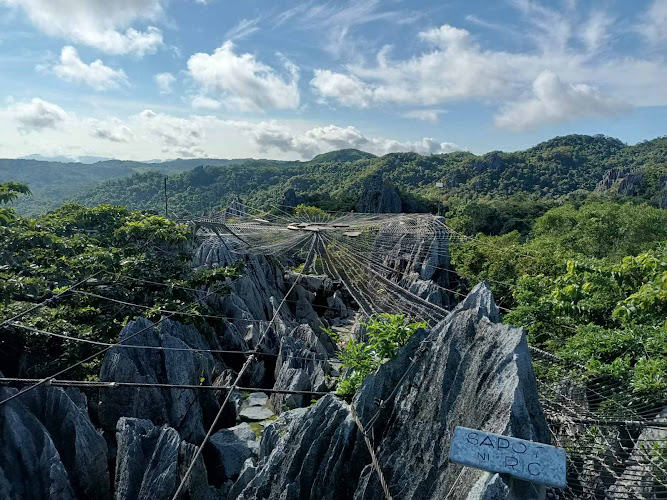
Masungi Georeserve is honestly one of those places that completely reshapes what you thought nature could be in the Philippines. Located in the lush mountains of Rizal province, this protected rainforest area has become something of a legend among outdoor enthusiasts and conservation-minded travelers. And for good reason, really. What sets this place apart from your typical nature park is how they've managed to create an immersive experience without compromising the environment. The preserve features guided trails that weave through ancient limestone formations, with rope courses and viewing platforms that let you get up close with the karst landscape. I remember talking to a friend who visited last year, and she couldn't stop going on about how the trail felt like stepping into another world entirely. The whole operation runs on a reservation-only system, which might seem inconvenient at first but actually makes perfect sense when you're there. By limiting the number of visitors, Masungi has managed to keep the trails from getting destroyed and the ecosystem relatively undisturbed. You won't find crowds of people trampling through or that awful feeling of being in a theme park instead of nature. The conservation team here has done remarkable work restoring what was once degraded land. They've planted thousands of native trees and created a model for sustainable eco-tourism that other places should honestly copy. But beyond the environmental stuff, what really gets people is the sheer beauty of walking through a prehistoric-looking landscape with rock formations that tower overhead and vines hanging down like something out of a movie.Key Features
The Masungi experience delivers some genuinely unique elements that you won't find at your average hiking destination: • Rope Course Integration - The trails incorporate rope bridges and cable walks that let you traverse between limestone peaks, offering perspectives that would be impossible otherwise. These aren't your kiddie playground ropes either - they're properly designed installations that add an adventure element without feeling gimmicky. • Limestone Karst Formations - These geological wonders took millions of years to form, and walking among them feels humbling in the best way. The rock formations have names like "Tatay" and "Sapot" that guides will explain during your trek. • Mandatory Guided Tours - While some people prefer hiking solo, the guide requirement here actually enhances the experience. The local guides know stories about the formations, point out wildlife you'd otherwise miss, and ensure everyone stays safe on the more challenging sections. • Conservation Education - Throughout the trail, you'll encounter information about reforestation efforts and the importance of protecting these ecosystems. It's educational without being preachy. • Viewing Decks and Platforms - Strategically placed platforms offer jaw-dropping views of the Sierra Madre mountain range and the surrounding forest canopy. These spots are perfect for catching your breath and snapping photos. • Native Wildlife - Keep your eyes open for endemic bird species, monitor lizards, and various insects and plants found nowhere else. The guides are great at spotting creatures you'd walk right past. • Picnic Areas - After completing your trail, there are designated spots where you can rest and enjoy packed meals while surrounded by nature. • Playground Facilities - For families with younger children, there are play areas that let kids burn off energy in a natural setting.Best Time to Visit
Timing your visit to Masungi makes a huge difference in your experience, so let me break this down properly. The dry season from November through early May is generally considered ideal. During these months, you'll have clearer skies, less chance of trails being slippery, and better visibility for those panoramic views everyone comes for. December through February offers the coolest temperatures, which matters more than you might think when you're exerting yourself on steep inclines. But here's the thing - the wet season from June to October has its own appeal. The forest becomes incredibly lush, waterfalls are more active, and there's something magical about the mist rolling through the karst formations. Just know that trails can get slick and tricky to navigate. The reserve sometimes closes during heavy rain for safety reasons, so check ahead if you're visiting during these months. I'd personally avoid weekends and Philippine holidays if possible. The reservation system limits numbers, but popular slots fill up fast and you'll still encounter more people than on weekdays. There's something special about experiencing these trails on a quiet Tuesday morning when it feels like the forest belongs just to your small group. Early morning slots are fantastic. The light filtering through the canopy at sunrise creates this ethereal atmosphere, and temperatures are more forgiving before the midday heat kicks in. Plus, wildlife tends to be more active during cooler hours. Consider the moon phases too if you're into that sort of thing. Full moon periods offer enough natural light that the landscape takes on a completely different character, though most visitors stick to daytime slots.How to Get There
Getting to Masungi requires a bit of planning since it's not exactly accessible by public transportation, but that's part of what keeps it special. Most travelers coming from Manila will drive or arrange private transportation. The journey takes roughly 1.5 to 2 hours depending on traffic, heading east through Rizal province. You'll take the Manila East Road toward Antipolo, then continue toward Baras. The final stretch involves some winding mountain roads, so having a confident driver helps. For those without personal vehicles, hiring a private car or joining organized tours are the most practical options. Several tour operators in Manila offer packages that include transportation, which removes the stress of navigation. Grab car services will take you there, though expect higher fares for the distance and waiting time. The road conditions are generally decent, though narrow in sections with occasional rough patches. A regular sedan can make it just fine - you don't need a 4x4 or anything fancy like that. Just drive carefully on the curves. Motorcycle riders sometimes make the trip, and the ride through the mountain roads is supposedly gorgeous. But consider your skill level with mountain riding before attempting it. Once you arrive at the meeting point, you'll check in with the staff and wait for your scheduled tour time. They're pretty strict about timings, so factor in buffer time for unexpected delays. Arriving 15-20 minutes early is smart.Tips for Visiting
After hearing countless stories from people who've done this trek, here's what actually matters for making your visit smooth and enjoyable. Book way in advance. Seriously, like months ahead if you're planning to visit during peak season. Slots fill up incredibly fast, especially for weekends. The online reservation system opens bookings for specific periods, so watch their announcements and grab your slot when they become available. Wear proper footwear. This isn't the place for flip-flops or fashion sneakers. You need shoes with good grip and ankle support. The trails involve climbing over rocks, walking on sometimes slippery surfaces, and navigating rope sections where solid footing matters. I can't stress this enough - bad shoes will ruin your day. Bring enough water. The preserve provides some water stations, but carry your own bottles too. You'll be sweating, especially on warmer days. Dehydration happens faster than people expect when they're focused on the scenery and physical challenge. Pack light but smart. A small backpack with essentials works better than lugging around a huge bag. Include sunscreen, insect repellent, a hat, and maybe a light rain jacket just in case. The guides can usually store larger bags at the starting point. Respect the reservation time. If your tour starts at 9 AM, be there ready to go. Late arrivals mess up the whole scheduling system, and they won't wait around. Follow the no-littering policy religiously. This should go without saying, but take everything out that you bring in. The conservation team works incredibly hard to maintain this ecosystem, and leaving trash behind is just disrespectful. Listen to your guide. They know which rocks are stable, where to step, and how to safely navigate the rope sections. Don't be that person who ignores instructions and creates problems. Consider your fitness level honestly. The trails range from moderate to challenging. If you're not regularly active, the Legacy Trail might be tough. There's no shame in choosing an easier option - you'll still see amazing things. Bring snacks for after your hike. There aren't restaurants right there, so having food in your car or bag means you can refuel properly after expending all that energy. Charge your phone or camera fully. You'll want to capture these views, and there aren't many opportunities to charge devices. Bring a power bank if you're a heavy photo-taker. Check the weather forecast a few days before your visit. If heavy rain is predicted, consider rescheduling if possible. The experience is genuinely better with decent weather. Be prepared for limited accessibility. The nature of the terrain means this isn't wheelchair accessible, and some sections require decent mobility. If you have physical limitations, discuss this with the staff beforehand. The whole experience typically takes 3-4 hours, so plan your day accordingly. You'll leave tired, probably a bit dirty, and hopefully with a deeper appreciation for what conservation efforts can achieve when done right.Key Features
- Karst limestone formations and viewpoints (Masungi Rock)
- Suspension bridges and rope courses integrated into the landscape
- Guided, small‑group interpretive hikes focused on conservation
- Restored primary and secondary rainforest with diverse flora
- Educational signage and conservation-driven visitor model
More Details
Updated January 17, 2026
Table of Contents
Description
Masungi Georeserve is honestly one of those places that completely reshapes what you thought nature could be in the Philippines. Located in the lush mountains of Rizal province, this protected rainforest area has become something of a legend among outdoor enthusiasts and conservation-minded travelers. And for good reason, really.
What sets this place apart from your typical nature park is how they’ve managed to create an immersive experience without compromising the environment. The preserve features guided trails that weave through ancient limestone formations, with rope courses and viewing platforms that let you get up close with the karst landscape. I remember talking to a friend who visited last year, and she couldn’t stop going on about how the trail felt like stepping into another world entirely.
The whole operation runs on a reservation-only system, which might seem inconvenient at first but actually makes perfect sense when you’re there. By limiting the number of visitors, Masungi has managed to keep the trails from getting destroyed and the ecosystem relatively undisturbed. You won’t find crowds of people trampling through or that awful feeling of being in a theme park instead of nature.
The conservation team here has done remarkable work restoring what was once degraded land. They’ve planted thousands of native trees and created a model for sustainable eco-tourism that other places should honestly copy. But beyond the environmental stuff, what really gets people is the sheer beauty of walking through a prehistoric-looking landscape with rock formations that tower overhead and vines hanging down like something out of a movie.
Key Features
The Masungi experience delivers some genuinely unique elements that you won’t find at your average hiking destination:
• Rope Course Integration – The trails incorporate rope bridges and cable walks that let you traverse between limestone peaks, offering perspectives that would be impossible otherwise. These aren’t your kiddie playground ropes either – they’re properly designed installations that add an adventure element without feeling gimmicky.
• Limestone Karst Formations – These geological wonders took millions of years to form, and walking among them feels humbling in the best way. The rock formations have names like “Tatay” and “Sapot” that guides will explain during your trek.
• Mandatory Guided Tours – While some people prefer hiking solo, the guide requirement here actually enhances the experience. The local guides know stories about the formations, point out wildlife you’d otherwise miss, and ensure everyone stays safe on the more challenging sections.
• Conservation Education – Throughout the trail, you’ll encounter information about reforestation efforts and the importance of protecting these ecosystems. It’s educational without being preachy.
• Viewing Decks and Platforms – Strategically placed platforms offer jaw-dropping views of the Sierra Madre mountain range and the surrounding forest canopy. These spots are perfect for catching your breath and snapping photos.
• Native Wildlife – Keep your eyes open for endemic bird species, monitor lizards, and various insects and plants found nowhere else. The guides are great at spotting creatures you’d walk right past.
• Picnic Areas – After completing your trail, there are designated spots where you can rest and enjoy packed meals while surrounded by nature.
• Playground Facilities – For families with younger children, there are play areas that let kids burn off energy in a natural setting.
Best Time to Visit
Timing your visit to Masungi makes a huge difference in your experience, so let me break this down properly.
The dry season from November through early May is generally considered ideal. During these months, you’ll have clearer skies, less chance of trails being slippery, and better visibility for those panoramic views everyone comes for. December through February offers the coolest temperatures, which matters more than you might think when you’re exerting yourself on steep inclines.
But here’s the thing – the wet season from June to October has its own appeal. The forest becomes incredibly lush, waterfalls are more active, and there’s something magical about the mist rolling through the karst formations. Just know that trails can get slick and tricky to navigate. The reserve sometimes closes during heavy rain for safety reasons, so check ahead if you’re visiting during these months.
I’d personally avoid weekends and Philippine holidays if possible. The reservation system limits numbers, but popular slots fill up fast and you’ll still encounter more people than on weekdays. There’s something special about experiencing these trails on a quiet Tuesday morning when it feels like the forest belongs just to your small group.
Early morning slots are fantastic. The light filtering through the canopy at sunrise creates this ethereal atmosphere, and temperatures are more forgiving before the midday heat kicks in. Plus, wildlife tends to be more active during cooler hours.
Consider the moon phases too if you’re into that sort of thing. Full moon periods offer enough natural light that the landscape takes on a completely different character, though most visitors stick to daytime slots.
How to Get There
Getting to Masungi requires a bit of planning since it’s not exactly accessible by public transportation, but that’s part of what keeps it special.
Most travelers coming from Manila will drive or arrange private transportation. The journey takes roughly 1.5 to 2 hours depending on traffic, heading east through Rizal province. You’ll take the Manila East Road toward Antipolo, then continue toward Baras. The final stretch involves some winding mountain roads, so having a confident driver helps.
For those without personal vehicles, hiring a private car or joining organized tours are the most practical options. Several tour operators in Manila offer packages that include transportation, which removes the stress of navigation. Grab car services will take you there, though expect higher fares for the distance and waiting time.
The road conditions are generally decent, though narrow in sections with occasional rough patches. A regular sedan can make it just fine – you don’t need a 4×4 or anything fancy like that. Just drive carefully on the curves.
Motorcycle riders sometimes make the trip, and the ride through the mountain roads is supposedly gorgeous. But consider your skill level with mountain riding before attempting it.
Once you arrive at the meeting point, you’ll check in with the staff and wait for your scheduled tour time. They’re pretty strict about timings, so factor in buffer time for unexpected delays. Arriving 15-20 minutes early is smart.
Tips for Visiting
After hearing countless stories from people who’ve done this trek, here’s what actually matters for making your visit smooth and enjoyable.
Book way in advance. Seriously, like months ahead if you’re planning to visit during peak season. Slots fill up incredibly fast, especially for weekends. The online reservation system opens bookings for specific periods, so watch their announcements and grab your slot when they become available.
Wear proper footwear. This isn’t the place for flip-flops or fashion sneakers. You need shoes with good grip and ankle support. The trails involve climbing over rocks, walking on sometimes slippery surfaces, and navigating rope sections where solid footing matters. I can’t stress this enough – bad shoes will ruin your day.
Bring enough water. The preserve provides some water stations, but carry your own bottles too. You’ll be sweating, especially on warmer days. Dehydration happens faster than people expect when they’re focused on the scenery and physical challenge.
Pack light but smart. A small backpack with essentials works better than lugging around a huge bag. Include sunscreen, insect repellent, a hat, and maybe a light rain jacket just in case. The guides can usually store larger bags at the starting point.
Respect the reservation time. If your tour starts at 9 AM, be there ready to go. Late arrivals mess up the whole scheduling system, and they won’t wait around.
Follow the no-littering policy religiously. This should go without saying, but take everything out that you bring in. The conservation team works incredibly hard to maintain this ecosystem, and leaving trash behind is just disrespectful.
Listen to your guide. They know which rocks are stable, where to step, and how to safely navigate the rope sections. Don’t be that person who ignores instructions and creates problems.
Consider your fitness level honestly. The trails range from moderate to challenging. If you’re not regularly active, the Legacy Trail might be tough. There’s no shame in choosing an easier option – you’ll still see amazing things.
Bring snacks for after your hike. There aren’t restaurants right there, so having food in your car or bag means you can refuel properly after expending all that energy.
Charge your phone or camera fully. You’ll want to capture these views, and there aren’t many opportunities to charge devices. Bring a power bank if you’re a heavy photo-taker.
Check the weather forecast a few days before your visit. If heavy rain is predicted, consider rescheduling if possible. The experience is genuinely better with decent weather.
Be prepared for limited accessibility. The nature of the terrain means this isn’t wheelchair accessible, and some sections require decent mobility. If you have physical limitations, discuss this with the staff beforehand.
The whole experience typically takes 3-4 hours, so plan your day accordingly. You’ll leave tired, probably a bit dirty, and hopefully with a deeper appreciation for what conservation efforts can achieve when done right.
Key Highlights
- Karst limestone formations and viewpoints (Masungi Rock)
- Suspension bridges and rope courses integrated into the landscape
- Guided, small‑group interpretive hikes focused on conservation
- Restored primary and secondary rainforest with diverse flora
- Educational signage and conservation-driven visitor model
Location
Places to Stay Near Masungi Georeserve
Find and Book a Tour
Explore More Travel Guides
No reviews found! Be the first to review!
Traveler Reviews for Masungi Georeserve
There are no reviews yet. Be the first one to write one.
Have you visited Masungi Georeserve? Help other travelers by sharing your review.
Nearby Attractions
You Might Also Like
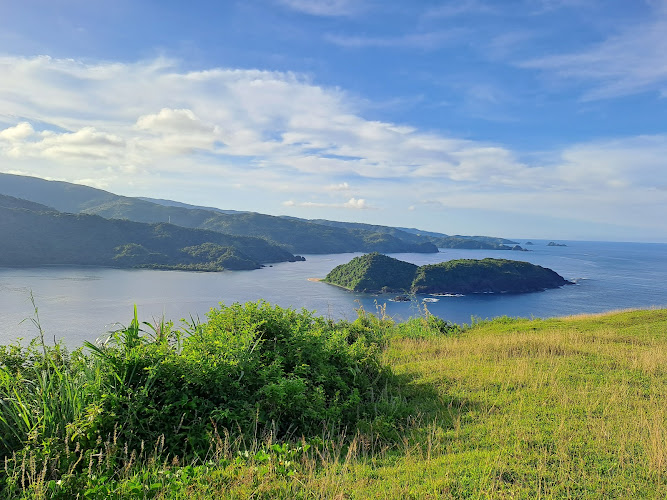
Balacay Point
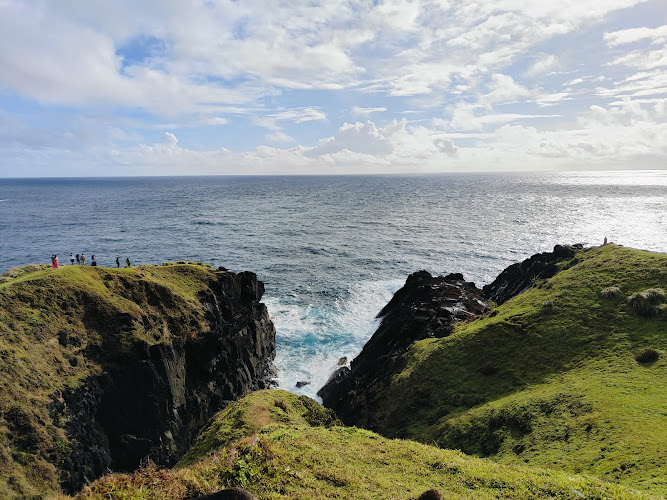
Binurong Point
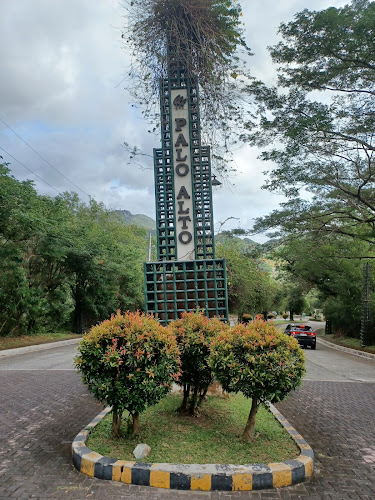
Palo Alto
Find Accommodations Nearby
Recommended Tours & Activities
Visitor Reviews
There are no reviews yet. Be the first one to write one.
Share Your Experience
Have you visited Masungi Georeserve? Help other travelers by leaving a review.