
Swoyambhu Mahachaitya
About Swoyambhu Mahachaitya
Description
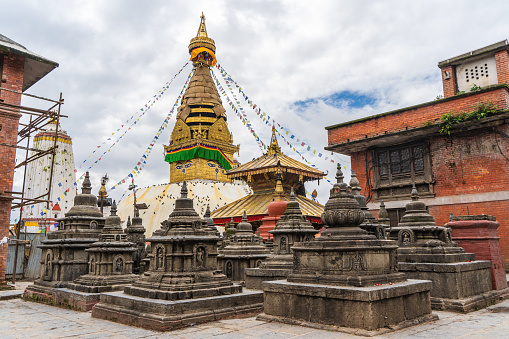
Swoyambhu Mahachaitya, which you might also hear called Swayambhunath or the Monkey Temple (for reasons that become obvious the moment you arrive), stands proudly atop a prominent hill in the Kathmandu Valley. If you’re seeking a rare blend of ancient history, sacred Buddhist significance, lively local culture, and a solid aerobic workout, there’s no place quite like it—trust me, your calves will remind you later.
This Buddhist stupa complex is believed to be over 1,500 years old, dating back to a time when, as the legend goes, the entire valley was a vast lake. According to ancient Buddhist texts, a lotus grew from the waters and, when the valley drained, that lotus settled here: hence the name Swayambhu, which means "self-created." Pilgrims still climb the stone steps at sunrise, murmuring mantras and spinning prayer wheels, letting the morning light wash over the city below. And while you’re catching your breath at the top, it’s hard not to think: if this mythical lotus could sprout here, anything feels possible.
The Mahachaitya stupa itself—with its gleaming white dome and imposing golden spire—demands attention, as do the ever-watchful eyes of Buddha painted on all four sides, watching Kathmandu with what feels like infinite patience and a hint of mischief. Around the main stupa, shrines, small temples, and statues jostle for space, some far older than the rest. You’ll see Buddhist monks, sadhus, Hindu devotees, and international visitors, all circling (always clockwise) in a swirl of color and purpose.
The place is also known, perhaps infamously, for its cheeky monkeys, who dart between statues, snatch snacks, and basically rule the hill with irrepressible confidence. Some find them endearing, others not so much—if you’ve got a snack in hand, you’ll soon know which camp you’re in.
For me, it’s the atmosphere that makes Swoyambhu Mahachaitya unforgettable. The beating of prayer drums, scent of incense, strings of fluttering prayer flags, and the gentle murmur of prayers—this is a place alive with meaning. Though it’s a massive draw for tourists and pilgrims, there are real moments of peace here, especially if you visit at the right time (early morning is magical). I’ve lost an hour or two just gazing over the Kathmandu skyline, letting my mind wander with the wind.
With over a thousand years of continuous devotion, multiple layers of architecture, and symbolism tucked into every crevice, Swoyambhu Mahachaitya isn’t just another stop on an itinerary—it’s the spiritual heart of a city, a vital piece of world heritage, and an experience you’ll recount for years to come (probably while showing off photos of the monkeys, because everyone does).
Key Features
- UNESCO World Heritage Site: Recognized for its outstanding universal value, the Mahachaitya complex is a symbol of Nepal’s rich cultural heritage and religious harmony.
- Ancient Buddhist Stupa: The main stupa’s immense whitewashed dome and golden spire rise 36 meters, with the eyes of Buddha painted in all directions, representing wisdom and compassion for all beings. It’s one of the oldest and most revered in Nepal.
- Sacred Pilgrimage Site: An important spiritual center for both Buddhists and Hindus, visited by thousands of devotees every year. People circle the stupa, spin prayer wheels, and offer butter lamps as acts of merit.
- Unique Architecture: The stupa combines ancient Nepalese, Tibetan, and Indian styles. Explore intricately carved temple doors, bronze shrines, and the beautiful golden Vajra (thunderbolt) guarding the eastern stairway.
- Vibrant Monkeys Everywhere: Home to a large troop of rhesus macaques, affectionately nicknamed the “monkey temple.” Beware—they’re cute, bold, and always on the lookout for unattended treats or shiny sunglasses.
- Panoramic Views: The sweeping 360-degree view from the top is genuinely breathtaking. On clear days, the city unfolds below you with the Himalayas shimmering in the distance.
- Prayer Flags & Wheels: See endless rows of brightly colored prayer flags fluttering in the breeze, and join pilgrims spinning hand-carved prayer wheels for blessings.
- Numerous Shrines and Temples: Discover a blend of Buddhist chaityas, Hindu shrines, images of Tara and other deities, plus hidden corners often missed by casual visitors.
- Active Monastery Life: Resident monks chant, light butter lamps, and go about their daily rituals—stop and listen, and you’ll catch the pulse of living tradition.
- Museum and Learning Centers: Within or near the complex, check out the Natural History Museum and small Tibetan art shops—perfect for a more in-depth dive into culture and crafts.
- Accessible Paid Parking: If you’re traveling by car or motorbike, there’s usually paid street parking at the base of the hill.
Best Time to Visit
Timing means everything at Swoyambhu Mahachaitya. While you can visit any time of year, some periods just hit differently—and I say this as someone who once sprinted up those stairs in the peak of summer. Here’s the scoop:
- Early Morning: Before 8am is hands-down the most tranquil time. The light is soft, the city below still yawns awake, and both the monkeys and tourists are just starting to stir. Catch sunrise if you can—the golden spire positively glows, and the air feels especially spiritual.
- Post-Monsoon (September–November): Crisp skies, fresh air, almost unbeatable visibility for those valley and mountain views. If you’ve come for photos, this is “the” season.
- Spring (March–May): Flowers burst into bloom, the surrounding hills are lush, and there’s a festival nearly every week. Buddha Jayanti (usually in April or May) is a major event, with special ceremonies, processions, and much joyful chaos.
- Festivals: Buddha Jayanti, Losar (Tibetan New Year), and other Buddhist or Hindu festivals bring the complex alive with color, music, and devotees. It’s crowded, but the experience is electric.
Avoid July–August unless you like your spiritual quests with a side of monsoon mud (it becomes slick and humid, which isn’t ideal for those legendary stone steps). Winters can be misty, atmospheric, and a bit chilly—but fewer crowds.
How to Get There
Swoyambhu Mahachaitya perches on a hill to the west of central Kathmandu. Getting here is an adventure of its own. If you’re like me and enjoy the journey just as much as the destination, here’s what you need to know:
- Taxi or Rideshare: Quick, straightforward, and affordable. Taxis from Thamel or Durbar Square usually take 15–20 minutes depending on traffic. Bargain for your fare upfront, as meters are rare.
- Public Bus or Microbus: Buses frequently run from New Road or Ratna Park towards Swayambhu, dropping you near the base of the hill. They’re crowded but a real slice of local city life—if you’re feeling adventurous and don’t mind a squeeze.
- Walking: If you’re staying in Thamel or nearby, you can easily walk in about 45 minutes, threading through local neighborhoods and catching glimpses of urban Kathmandu you won’t see from a cab.
- Cycling: Enthusiastic cyclists take on the ride, but beware: the last stretch is steep and bustling with activity (and, occasionally, monkeys).
- Paid Parking: There’s usually paid street parking at the eastern and western approaches for motorbikes and cars. Spaces can fill quickly on busy festival days, so come early if you’re driving.
The hill’s famous eastern staircase has 365 stone steps—one for each day, or so the legend claims. If stairs aren’t your style (or you, like me on a tired afternoon, want an easier route), there’s a gentler road to the western side offering a less strenuous climb.
Tips for Visiting
- Come Early: Seriously, nothing beats the golden morning light and quiet before the crowds. Plus, the monkeys are usually too busy breakfasting to pester anyone.
- Respect Local Customs: As a sacred Buddhist and Hindu site, dress modestly—cover knees and shoulders. Walk clockwise around the stupa, spin prayer wheels with your right hand, and remove shoes before entering shrines.
- Monkey Awareness: The monkeys are part of the experience, but keep your food and shiny bits tucked away; they’ve perfected the art of the snatch-and-run. If you sit, beware of your backpack—I speak from experience!
- Take Your Time Exploring: Many visitors zip up the steps, snap a few photos, then head back—but linger. Explore side shrines, small courtyards, and even chat with local artisans or monks if you’re open to it. That’s where the magic happens, honestly.
- Photography: Natural light here is a photographer’s dream. Capture sunrise, prayer flags, and panoramic city views, but always ask before taking photos of people, especially monks or devotees.
- Stay Hydrated & Sun-Safe: Those steps are serious work, especially midday. Bring water, wear sunscreen, and maybe treat yourself to a sweet masala tea once you reach the top.
- Festival Days: Expect crowds, colorful processions, extra vendors, and serious energy. If you hate crowds, come another day. But if you love a good spectacle, this is your chance!
- Museum Stops: If you love nature or science, pop into the small Natural History Museum nearby for a quirky mix of taxidermy and fossils (some wild stories there).
- Safety First: Watch your footing—the steps and pathways can be uneven (and, when wet, slippery). Hold onto railings if you need, and don’t rush the descent.
- Support Local: Lots of local vendors sell snacks, handicrafts, incense, and jewelry. Buying here keeps your money in the community—plus the souvenirs are seriously one of a kind.
- Don’t Rush the Experience: Swoyambhu Mahachaitya isn’t just a photo op; it’s a rare opportunity to step into living history and culture. Slow down, watch the city breathe beneath you, and, if you’re lucky, the stupa might just whisper back a little of its ancient wisdom.
Key Features
- Key Features
- Best Time to Visit
- How to Get There
- Tips for Visiting
More Details
Updated July 12, 2025
Table of Contents
Description
Swoyambhu Mahachaitya, which you might also hear called Swayambhunath or the Monkey Temple (for reasons that become obvious the moment you arrive), stands proudly atop a prominent hill in the Kathmandu Valley. If you’re seeking a rare blend of ancient history, sacred Buddhist significance, lively local culture, and a solid aerobic workout, there’s no place quite like it—trust me, your calves will remind you later.
This Buddhist stupa complex is believed to be over 1,500 years old, dating back to a time when, as the legend goes, the entire valley was a vast lake. According to ancient Buddhist texts, a lotus grew from the waters and, when the valley drained, that lotus settled here: hence the name Swayambhu, which means “self-created.” Pilgrims still climb the stone steps at sunrise, murmuring mantras and spinning prayer wheels, letting the morning light wash over the city below. And while you’re catching your breath at the top, it’s hard not to think: if this mythical lotus could sprout here, anything feels possible.
The Mahachaitya stupa itself—with its gleaming white dome and imposing golden spire—demands attention, as do the ever-watchful eyes of Buddha painted on all four sides, watching Kathmandu with what feels like infinite patience and a hint of mischief. Around the main stupa, shrines, small temples, and statues jostle for space, some far older than the rest. You’ll see Buddhist monks, sadhus, Hindu devotees, and international visitors, all circling (always clockwise) in a swirl of color and purpose.
The place is also known, perhaps infamously, for its cheeky monkeys, who dart between statues, snatch snacks, and basically rule the hill with irrepressible confidence. Some find them endearing, others not so much—if you’ve got a snack in hand, you’ll soon know which camp you’re in.
For me, it’s the atmosphere that makes Swoyambhu Mahachaitya unforgettable. The beating of prayer drums, scent of incense, strings of fluttering prayer flags, and the gentle murmur of prayers—this is a place alive with meaning. Though it’s a massive draw for tourists and pilgrims, there are real moments of peace here, especially if you visit at the right time (early morning is magical). I’ve lost an hour or two just gazing over the Kathmandu skyline, letting my mind wander with the wind.
With over a thousand years of continuous devotion, multiple layers of architecture, and symbolism tucked into every crevice, Swoyambhu Mahachaitya isn’t just another stop on an itinerary—it’s the spiritual heart of a city, a vital piece of world heritage, and an experience you’ll recount for years to come (probably while showing off photos of the monkeys, because everyone does).
Key Features
- UNESCO World Heritage Site: Recognized for its outstanding universal value, the Mahachaitya complex is a symbol of Nepal’s rich cultural heritage and religious harmony.
- Ancient Buddhist Stupa: The main stupa’s immense whitewashed dome and golden spire rise 36 meters, with the eyes of Buddha painted in all directions, representing wisdom and compassion for all beings. It’s one of the oldest and most revered in Nepal.
- Sacred Pilgrimage Site: An important spiritual center for both Buddhists and Hindus, visited by thousands of devotees every year. People circle the stupa, spin prayer wheels, and offer butter lamps as acts of merit.
- Unique Architecture: The stupa combines ancient Nepalese, Tibetan, and Indian styles. Explore intricately carved temple doors, bronze shrines, and the beautiful golden Vajra (thunderbolt) guarding the eastern stairway.
- Vibrant Monkeys Everywhere: Home to a large troop of rhesus macaques, affectionately nicknamed the “monkey temple.” Beware—they’re cute, bold, and always on the lookout for unattended treats or shiny sunglasses.
- Panoramic Views: The sweeping 360-degree view from the top is genuinely breathtaking. On clear days, the city unfolds below you with the Himalayas shimmering in the distance.
- Prayer Flags & Wheels: See endless rows of brightly colored prayer flags fluttering in the breeze, and join pilgrims spinning hand-carved prayer wheels for blessings.
- Numerous Shrines and Temples: Discover a blend of Buddhist chaityas, Hindu shrines, images of Tara and other deities, plus hidden corners often missed by casual visitors.
- Active Monastery Life: Resident monks chant, light butter lamps, and go about their daily rituals—stop and listen, and you’ll catch the pulse of living tradition.
- Museum and Learning Centers: Within or near the complex, check out the Natural History Museum and small Tibetan art shops—perfect for a more in-depth dive into culture and crafts.
- Accessible Paid Parking: If you’re traveling by car or motorbike, there’s usually paid street parking at the base of the hill.
Best Time to Visit
Timing means everything at Swoyambhu Mahachaitya. While you can visit any time of year, some periods just hit differently—and I say this as someone who once sprinted up those stairs in the peak of summer. Here’s the scoop:
- Early Morning: Before 8am is hands-down the most tranquil time. The light is soft, the city below still yawns awake, and both the monkeys and tourists are just starting to stir. Catch sunrise if you can—the golden spire positively glows, and the air feels especially spiritual.
- Post-Monsoon (September–November): Crisp skies, fresh air, almost unbeatable visibility for those valley and mountain views. If you’ve come for photos, this is “the” season.
- Spring (March–May): Flowers burst into bloom, the surrounding hills are lush, and there’s a festival nearly every week. Buddha Jayanti (usually in April or May) is a major event, with special ceremonies, processions, and much joyful chaos.
- Festivals: Buddha Jayanti, Losar (Tibetan New Year), and other Buddhist or Hindu festivals bring the complex alive with color, music, and devotees. It’s crowded, but the experience is electric.
Avoid July–August unless you like your spiritual quests with a side of monsoon mud (it becomes slick and humid, which isn’t ideal for those legendary stone steps). Winters can be misty, atmospheric, and a bit chilly—but fewer crowds.
How to Get There
Swoyambhu Mahachaitya perches on a hill to the west of central Kathmandu. Getting here is an adventure of its own. If you’re like me and enjoy the journey just as much as the destination, here’s what you need to know:
- Taxi or Rideshare: Quick, straightforward, and affordable. Taxis from Thamel or Durbar Square usually take 15–20 minutes depending on traffic. Bargain for your fare upfront, as meters are rare.
- Public Bus or Microbus: Buses frequently run from New Road or Ratna Park towards Swayambhu, dropping you near the base of the hill. They’re crowded but a real slice of local city life—if you’re feeling adventurous and don’t mind a squeeze.
- Walking: If you’re staying in Thamel or nearby, you can easily walk in about 45 minutes, threading through local neighborhoods and catching glimpses of urban Kathmandu you won’t see from a cab.
- Cycling: Enthusiastic cyclists take on the ride, but beware: the last stretch is steep and bustling with activity (and, occasionally, monkeys).
- Paid Parking: There’s usually paid street parking at the eastern and western approaches for motorbikes and cars. Spaces can fill quickly on busy festival days, so come early if you’re driving.
The hill’s famous eastern staircase has 365 stone steps—one for each day, or so the legend claims. If stairs aren’t your style (or you, like me on a tired afternoon, want an easier route), there’s a gentler road to the western side offering a less strenuous climb.
Tips for Visiting
- Come Early: Seriously, nothing beats the golden morning light and quiet before the crowds. Plus, the monkeys are usually too busy breakfasting to pester anyone.
- Respect Local Customs: As a sacred Buddhist and Hindu site, dress modestly—cover knees and shoulders. Walk clockwise around the stupa, spin prayer wheels with your right hand, and remove shoes before entering shrines.
- Monkey Awareness: The monkeys are part of the experience, but keep your food and shiny bits tucked away; they’ve perfected the art of the snatch-and-run. If you sit, beware of your backpack—I speak from experience!
- Take Your Time Exploring: Many visitors zip up the steps, snap a few photos, then head back—but linger. Explore side shrines, small courtyards, and even chat with local artisans or monks if you’re open to it. That’s where the magic happens, honestly.
- Photography: Natural light here is a photographer’s dream. Capture sunrise, prayer flags, and panoramic city views, but always ask before taking photos of people, especially monks or devotees.
- Stay Hydrated & Sun-Safe: Those steps are serious work, especially midday. Bring water, wear sunscreen, and maybe treat yourself to a sweet masala tea once you reach the top.
- Festival Days: Expect crowds, colorful processions, extra vendors, and serious energy. If you hate crowds, come another day. But if you love a good spectacle, this is your chance!
- Museum Stops: If you love nature or science, pop into the small Natural History Museum nearby for a quirky mix of taxidermy and fossils (some wild stories there).
- Safety First: Watch your footing—the steps and pathways can be uneven (and, when wet, slippery). Hold onto railings if you need, and don’t rush the descent.
- Support Local: Lots of local vendors sell snacks, handicrafts, incense, and jewelry. Buying here keeps your money in the community—plus the souvenirs are seriously one of a kind.
- Don’t Rush the Experience: Swoyambhu Mahachaitya isn’t just a photo op; it’s a rare opportunity to step into living history and culture. Slow down, watch the city breathe beneath you, and, if you’re lucky, the stupa might just whisper back a little of its ancient wisdom.
Key Highlights
- Key Features
- Best Time to Visit
- How to Get There
- Tips for Visiting
Location
Places to Stay Near Swoyambhu Mahachaitya
Find and Book a Tour
Explore More Travel Guides
No reviews found! Be the first to review!
Traveler Reviews for Swoyambhu Mahachaitya
There are no reviews yet. Be the first one to write one.
Have you visited Swoyambhu Mahachaitya? Help other travelers by sharing your review.
You Might Also Like
Switzerland Park
Hiranya Varna Mahavihar

Golden Gate
Find Accommodations Nearby
Recommended Tours & Activities
Visitor Reviews
There are no reviews yet. Be the first one to write one.
Share Your Experience
Have you visited Swoyambhu Mahachaitya? Help other travelers by leaving a review.