
Hiranya Varna Mahavihar
About Hiranya Varna Mahavihar
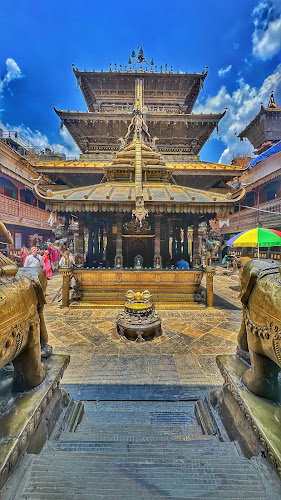
Step into Hiranya Varna Mahavihar, and you’ll realize quickly this isn’t your typical Buddhist monastery. Locals call it the Golden Temple (and trust me, at first sight, you’ll get why), a brilliant, almost glimmering oasis of gold-plated brass right in the heart of Patan’s ancient alleys. From the outside, you might catch yourself hesitating, thinking, “Is this really open to regular folks, or just devoted monks?” Nope, it’s totally open to you and me, though you’ll want to tread respectfully, of course.
Built way back in the 12th century (yep, that’s over 800 years ago), this place weathers the test of time, not to mention the city bustle swirling just around its stone walls. I remember my first visit: the courtyard bustled not with tourists, but with locals coming for a quick prayer, kids peeking in the corners, and a shy turtle sunning itself near one of the little shrines. The genuine day-to-day life happening here brings a gentle honesty most fancy attractions lack.
But what grabs you, beyond the shimmer of golden facade and ornate brasswork, is the calm—a bit like pausing a noisy world for a moment. Every detail, from the carved doors to hundreds of tiny statues tucked around, speaks of centuries of faith and care. Still, it’s not perfect; spaces are tight, it isn’t accessible for wheelchairs, and sometimes, especially early mornings, you might get shooed gently if prayers are underway. That said, the monastery easily competes with Patan Durbar Square for sheer wow-factor, and you’re likely to leave with your memory card full.
If you’re after authenticity, artistry, and a chance to catch your breath in a beautiful, centuries-old setting, you’re in the right spot. Just remember—this is an active religious site. Quiet voices, covered shoulders, and respect for local customs will get you much farther than any map or translation app ever could.
Key Features
- Magnificent Golden Facade: The name says it all—the temple’s facade gleams with gold-plated brass panels and sculptures, making it an irresistible photo stop. But don’t just look, really notice the details!
- Intricate Newar Artistry: A living showcase of medieval Newar (the indigenous people) metalwork and woodcarving: dragons, Buddhist deities, and mythical creatures peep out from awnings and doorframes.
- Central Shrine Room: Inside, you’ll find a delicate silver-covered stupa with a central image of Shakyamuni Buddha. The hush in here? Kind of magical, honestly.
- Hidden Turtles: Believe it or not, there’s a pond with real turtles—a quirky little surprise that turns many visitors into impromptu wildlife photographers.
- Daily Rituals and Ceremonies: Dawn and dusk tend to see Buddhist rituals unfold, bells and chants filling the air. Sometimes, if you’re lucky (and not too invasive), you can watch elders lighting incense and making offerings.
- Open Courtyard: An open, bustling square framed by gilded sculptures. It’s here that daily life unfolds, more than in any roped-off museum.
- Traditional Prayer Wheels: Big and small prayer wheels line the walls—give one a gentle spin for luck. Or just watch a local do it—the technique is an art in itself.
- Private, but Welcoming: This isn’t some staged tourist stop. It’s a living monastery, so while you’re very welcome, you’re joining a working spiritual community. It feels real.
- Basic Facilities: There are simple restrooms on-site, which, let’s be honest, are always a blessing in the old city maze.
Best Time to Visit
Let me be straight: you can visit Hiranya Varna Mahavihar pretty much year-round. But if you want to sidestep crowds and catch the temple at its best—shoot for the early mornings (before 10 am) or late afternoons. Summer brings more heat and humidity, which can sap your energy if you’re not used to it, but if you love that lush, “post-monsoon sparkle,” late August and September are particularly gorgeous.
If, however, your heart beats a little faster for festivals—oh boy—May to July’s Buddhist calendar lights up the Mahavihar with processions, extra offerings, and sometimes all-night chanting. The courtyard comes alive and even casual visitors feel swept up in the energy. There is something special about the misty chill of winter mornings too, when golden light slants through the gateways and everything feels woven with incense and devotion.
Just avoid major Nepali holidays (unless crowds are your thing or you’re game for sharing space with heaps of devotees). Either way, weather’s never a real showstopper here—except maybe during the wildest summer downpours, which can turn these ancient cobblestones into a slip-and-slide adventure (consider yourself warned).
How to Get There
Getting here demands curiosity, and, okay, decent shoes. Hiranya Varna Mahavihar is tucked away off the main arteries of Patan, so don’t expect massive signboards or fancy parking. If you’re staying anywhere near Patan Durbar Square, you can easily walk—it’s less than a ten-minute stroll through alleys pulsing with street vendors, bakery smells, and that ever-present hum of Patan life.
If you’re coming from central Kathmandu or Thamel, hop a taxi or ride-share (bargain hard, if that’s your style), and have your destination written out, preferably in Nepali script. Some drivers may simply know it as the “Golden Temple.” Parking is a real pain, so if you’re on foot, you win.
For the more adventurous (or maybe slightly lost like me on my first trip), wandering is half the fun. Local shopkeepers are pros at pointing befuddled tourists in the right direction—often with a grin or, sometimes, by walking you halfway there themselves.
Public buses do run throughout Lalitpur, but frankly, unless you’re a public transport ninja, skip them in favor of walking or a cab. Once you spot the golden facade peeking out from between the houses, you’ll know you made it.
Tips for Visiting
- Dress Modestly: Shoulders and knees covered, always. Trust me, even loose cotton pants or a scarf can make all the difference—not just for respect but comfort, too.
- Quiet Please: This is, first and foremost, a religious site. Keep your voice down and step aside quickly if you see monks or worshippers making their rounds.
- Photography Etiquette: Yes, you can take photos, but avoid flash and be especially mindful inside the main shrine area; sometimes it’s off-limits or closed during ceremonies.
- Shoes Off Zone: You’ll need to leave your shoes (and sometimes even your leather belts or bags) at the entrance. Don’t stress; just wear socks if bare feet bug you. Learned this one the chilly way.
- Don’t Expect Wheelchair Access: There are steps, narrow stone passages, and no ramps—unfortunately not accessible for those with mobility needs. Hope the city addresses this one day.
- Take Your Time: The details here are what make Hiranya Varna Mahavihar unforgettable—don’t just snap a picture and bail. Let your eye wander: the carved doors, the prayer wheels, even the moss growing on old brick. You’ll remember these moments, trust me.
- Bring Small Change: A small donation in the box near the inner shrine is appreciated, and sometimes a nominal entrance fee is charged (especially for tourists).
- Use the Restroom: Facilities here are basic but a serious plus in Old Patan—don’t pass them up if you need a break before more exploring.
- Mind the Turtles: The turtles are charming, but please don’t touch or feed. Local lore gives them major respect, so just observe and smile.
- Chat with Locals: Some of the best stories come from chatting with the caretakers or regular visitors. Don’t be shy; Nepali hospitality is legendary, and a little conversation can open up all kinds of insights you won’t read in a guidebook.
And the biggest tip? Enjoy the surprise. Hiranya Varna Mahavihar pulls you into its world slowly—not with theatrics, but tiny, golden details that stick with you long after you leave, like incense in your hair. Every traveler comes away with their own story. Maybe you’ll find your own little moment of peace, or maybe you’ll spend your visit counting baby turtles. Either way, this ancient monastery has a way of making a small slice of old Nepal feel,
You Might Also Like
55 Window Palace
63 Satdobato-Godavari Rd
Aircraft Museum
Tours & Activities
GetYourGuide provides this tour inventory. We may earn a commission if you book through it; verify current availability, prices, and terms with the provider.
Visitor Reviews
There are no reviews yet. Be the first one to write one.
Share Your Experience
Have you visited Hiranya Varna Mahavihar? Help other travelers by leaving a review.