
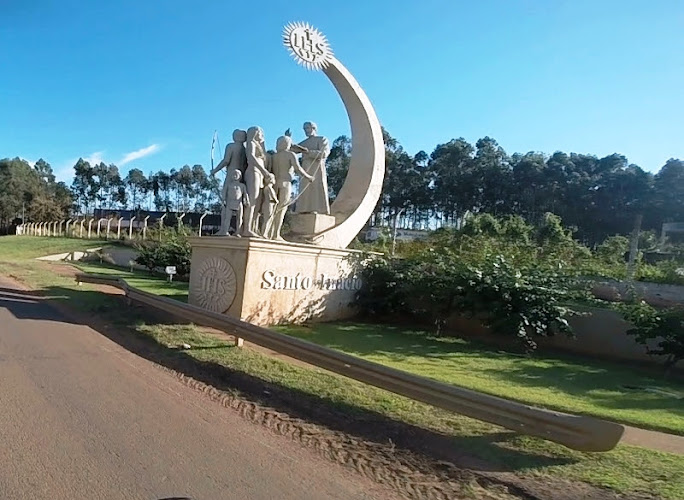
Santo Inácio
About Santo Inácio
Santo Inácio, tucked away in northern Paraná, might not be the first spot popping up in your Brazil travel search, but oh boy—it’s got more stories and surprises than folks give it credit for. Small-town charm, yes, but there's a kind of quiet magic here you don’t find just anywhere along the beaten trail. If you love those unhurried places where everyone actually has time to look up from their phones and chat, you’re in the right kind of town.
Home to a little over 5,000 residents, Santo Inácio’s pace is gentler. The first time I stopped here, I was, honestly, expecting just a highway rest—some sleepy farmland and the usual state-run café. Instead, what I found was a real slice of Paraná rural life, where neighbors still leave their doors unlocked and you might get offered a plate of homemade pão de queijo before you can even introduce yourself.
You get rolling hills, stretches of sugarcane, rivers breathing through the countryside, and, if you’re looking close enough, a story or two behind every weathered building in the town center. There’s this authenticity to Santo Inácio—nothing polished, but everything heartfelt. Generally, visitors come here to dig a little deeper into Brazil’s heartland, tracing the rhythm of agricultural cycles, mingling with the locals at the farmer’s market, or just kicking back next to the Paraná River with a strong cup of café.
Sure, you won’t find blockbuster attractions or massive crowds. And honestly, that’s the whole point. It’s the kind of place where minor discoveries—a cheerful mural, an old-jazz-playing bakery, or mango-laden trees in someone’s backyard—stick to memory. I always tell people: come for the quiet, stay for the tiny surprises.
Key Features
- Authentic Rural Atmosphere: Unlike the touristy rush of Brazil’s famous hotspots, Santo Inácio gives you a real taste of countryside traditions and open-hearted locals.
- Local Markets: On weekends, there’s nothing better than wandering the market for fresh produce. Grab some sweet oranges or, if you’re lucky, homemade cheese straight from a neighbor’s farm.
- Paraná River Access: The river draws anglers and picnickers. Sometimes entire families camp out for an afternoon, swapping stories and grilling freshwater fish. It doesn’t get closer to the local lifestyle than this.
- Cultural Festivals: Especially around harvest season or religious holidays, you’ll stumble into processions—bands and lots of food stands. My first time, someone pressed a sticky coconut candy into my palm and insisted I try it. I didn’t regret it.
- Peaceful Surroundings: The natural setting is, in a word, soothing. The breeze, the bird song, the empyrean blue sky—sometimes these small details can overshadow the flashier experiences elsewhere.
- Quiet, Safe Streets: I walked the town after sunset, and the only sounds were distant laughter and rustling trees. Small-town safety is underrated, but you appreciate it here.
- Connection to Agricultural Heritage: Sugarcane and corn fields stretch to the horizon. Chatting with farmers can give you an eye-opening perspective on how Brazil’s heartland works.
- Unpretentious Eateries: Kind of a guilty pleasure—bakeries here really nail the art of pão de queijo and brigadeiros (just make sure you save room for seconds).
- Strategic Location: For explorers keen on uncovering smaller towns, Santo Inácio is a natural pivot point between bigger Paraná destinations.
Best Time to Visit
Now, timing your trip to Santo Inácio makes a difference. If you’re after pleasant weather and the best rural scenery, I’d tip my hat toward April through June. Temperatures are comfortable—cooler evenings, warm-but-not-scorching afternoons. Farmers are out, the fields are green, and the whole countryside feels just a tad livelier.
And of course, if you’re into local culture, try syncing your trip with a festival. Easter and Festa Junina bring the community out in a way that’s both exuberant and deeply traditional. Lanterns, music, and more delicious local snacks than your appetite can handle. But don’t discount January, either; sure, it’s hotter, but mango trees are in full swing and there’s something especially luscious about the fruit picked right off the branch.
If you ask me, every season in Santo Inácio has its perks. Just remember, it’s the micro-moments—harvest days, impromptu soccer games, folks relaxing under the jacaranda trees—that stick with you the most.
How to Get There
Alright, not going to sugarcoat it—Santo Inácio isn’t on the main tourist drag, and that’s part of why it stays special. Most people arrive by road. The best bet is to start in Londrina or Maringá—two lively cities with bus terminals and airports—then rent a car. (Trust me, a car opens up all those off-the-beaten-path side trips.)
The drive from Londrina is about 110 km, mostly on well-paved PR state highways. It’s nothing hectic; traffic thins out once you leave the city sprawl, replaced by those sweeping open fields and, depending on the season, the sweet smell of sugarcane wafting through the air. Bus service exists, yes, but the timetables aren’t the most predictable—be ready for a casual pace.
I’ve done the trip with and without GPS. Road signs do the job, but don’t be shy about rolling down the window and asking for directions in town; people here love to help (and might even throw in a few restaurant recommendations while they’re at it). Just make sure your phone’s charged—sometimes service is spotty in the more remote patches.
Tips for Visiting
A couple of things I wish someone had told me before my first visit to Santo Inácio. First off, it pays to slow down. If you’re tempted to breeze through, you’ll miss the real flavor of the place. Aim to spend an extra day—or at least an unhurried afternoon—strolling, people-watching, and chatting up shop owners in your rusty Portuguese.
- Try to time at least one meal in a local bakery or corner café. Ask for whatever’s fresh—they’ll almost always surprise you.
- Cash is king in the smaller shops. Not all places accept cards, especially at the market or roadside stalls.
- If you fancy fishing, bring your own gear—there’s good river access, but not a lot of rental options.
- Mosquito spray is a must. The river and fields breed mozzies year-round, and dusk can get lively in that department.
- Ask around for local events. Sometimes, the best experience is a church festival or a football match, and these aren’t always advertised online.
- Be patient with transportation schedules. Things move on rural time here, and that’s half the charm—rest and recharge.
Last thing—bring your curiosity. Santo Inácio rewards those who ask questions and welcome the unexpected. Whether you’re road-tripping across Paraná or hunting for that slow-travel fix, this little town’s got a knack for creating stories worth telling, even if your only “plan” is to show up and see what happens. And isn’t that, sometimes, the sweetest way to travel?
Key Features
- Try to time at least one meal in a local bakery or corner café. Ask for whatever’s fresh—they’ll almost always surprise you.
- Cash is king in the smaller shops. Not all places accept cards, especially at the market or roadside stalls.
- If you fancy fishing, bring your own gear—there’s good river access, but not a lot of rental options.
- Mosquito spray is a must. The river and fields breed mozzies year-round, and dusk can get lively in that department.
- Ask around for local events. Sometimes, the best experience is a church festival or a football match, and these aren’t always advertised online.
- Be patient with transportation schedules. Things move on rural time here, and that’s half the charm—rest and recharge.
You Might Also Like

Aerobunda

Aeródromo Campo Formoso - BA (SD27)

Aeroporto Municipal Orlando de Carvalho
Tours & Activities
GetYourGuide provides this tour inventory. We may earn a commission if you book through it; verify current availability, prices, and terms with the provider.
Visitor Reviews
There are no reviews yet. Be the first one to write one.
Share Your Experience
Have you visited Santo Inácio? Help other travelers by leaving a review.