
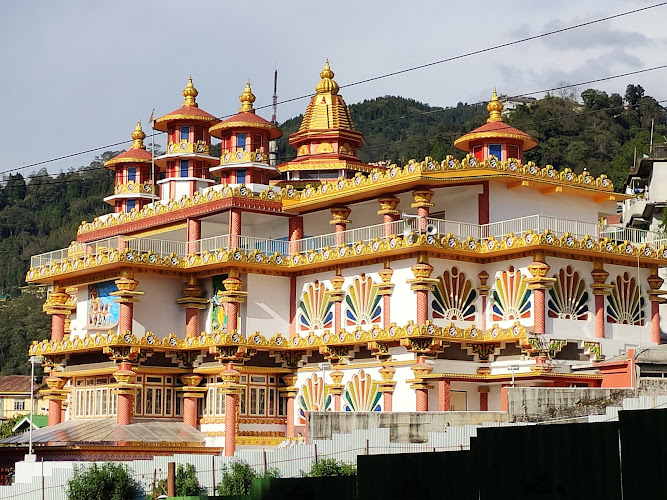
Shri Thakurbari Temple, Gangtok
About Shri Thakurbari Temple, Gangtok
Description
The Shri Thakurbari Temple stands as one of Gangtok's most cherished spiritual landmarks, drawing both devout pilgrims and curious travelers into its peaceful embrace. Built in 1935 on land generously donated by Sir Thutop Namgyal, the former Chogyal of Sikkim, this Hindu temple represents something quite remarkable - the religious tolerance and harmony that defines this beautiful Himalayan state.
Walking through the bustling streets of Gangtok and suddenly coming upon this serene temple feels almost magical. The contrast between the city's modern energy and the temple's tranquil atmosphere creates an experience that stays with you long after you've left. And honestly, that's what makes this place so special for travelers - it's not just another tourist stop, it's a genuine slice of Sikkim's spiritual heritage right in the heart of the capital.
What sets Thakurbari Temple apart from other religious sites is its role as a unifying center for Gangtok's diverse Hindu community. The temple houses multiple deities under one roof, making it a comprehensive spiritual destination where visitors can experience various aspects of Hindu worship traditions. The architecture reflects the region's unique blend of influences, creating a structure that feels both authentically local and universally welcoming.
For travelers, this temple offers something beyond the typical sightseeing experience. It's a place where you can witness daily life in Sikkim, observe local customs, and perhaps most importantly, find a moment of quiet reflection amidst your mountain adventures. The temple's location makes it incredibly accessible, yet once you step inside, the outside world seems to fade away.
Key Features
The Shri Thakurbari Temple presents visitors with several distinctive features that make it worth including in any Gangtok itinerary:
- Multiple Deity Worship - The temple houses almost all major Hindu deities, offering a comprehensive spiritual experience under one roof that's quite unique in the region
- Historical Significance - As one of Sikkim's oldest Hindu temples, it represents nearly 90 years of continuous worship and community gathering
- Central Location - Situated in the heart of Gangtok, it's easily walkable from most hotels and perfectly positioned for exploring the surrounding area
- Architectural Blend - The structure showcases interesting architectural elements that reflect both traditional Hindu temple design and local Sikkimese influences
- Community Hub - Functions as an active center for local Hindu festivals and celebrations, offering visitors authentic cultural experiences
- Peaceful Ambiance - Despite its urban location, the temple maintains a remarkably serene atmosphere that provides respite from city exploration
- Photography Opportunities - The temple's exterior and surrounding areas offer excellent photo opportunities, especially during festivals and early morning hours
- Cultural Learning - Provides an excellent opportunity to understand the religious diversity and tolerance that characterizes Sikkim
Best Time to Visit
Planning your visit to Shri Thakurbari Temple requires considering both weather patterns and cultural events. The temple remains open year-round, but certain times offer distinctly better experiences than others.
March through May represents the ideal visiting window for most travelers. During these months, Gangtok enjoys pleasant weather with clear mountain views, making your temple visit part of a larger exploration of the city. The spring flowers around the temple area add an extra layer of beauty to photographs, and the moderate temperatures make walking around comfortable.
But here's something many guidebooks won't tell you - visiting during major Hindu festivals transforms the entire experience. Dashain, Tihar, and local celebrations bring the temple to life in ways that regular visits simply cannot match. The energy, decorations, and community participation during these times provide insights into Sikkimese culture that you'll treasure forever.
September through November offers another excellent visiting period. The post-monsoon clarity often provides stunning Himalayan backdrops, and the temple's surroundings look particularly refreshed. Plus, the weather remains comfortable for extended exploration of Gangtok's other attractions.
Winter visits have their own charm, though you'll need to dress warmly. December through February sees fewer crowds, which means more intimate temple experiences and better opportunities for quiet reflection. The mountain air feels crisp and clean, and if you're lucky enough to visit during snowfall, the temple takes on an almost ethereal quality.
Early morning visits, regardless of season, offer the most peaceful experiences. Arriving around 6:00 or 7:00 AM allows you to witness morning prayers and avoid the busier tourist hours. The soft morning light also creates better photography conditions.
How to Get There
Getting to Shri Thakurbari Temple couldn't be more straightforward, which is part of its appeal for travelers exploring Gangtok on foot. The temple's central location means most visitors can walk there from their accommodations without breaking a sweat.
From Gangtok's main tourist areas, particularly MG Marg, the temple sits within easy walking distance. Most hotels provide simple directions, and honestly, asking locals for guidance often leads to interesting conversations about the temple's significance in their daily lives.
If you're arriving in Gangtok by taxi or private vehicle, simply ask your driver to take you to Thakurbari Temple - it's well-known among local drivers. The temple's proximity to other major attractions makes it perfect for combining with walking tours of central Gangtok.
For those using public transportation, shared taxis and local buses serve the central Gangtok area regularly. The temple's location means you won't need specific transportation arrangements - it's accessible from wherever you find yourself in the city center.
One practical tip that many visitors appreciate: the temple works excellently as either a starting point or ending point for exploring Gangtok's central attractions. Its location allows for easy continuation to markets, restaurants, and other cultural sites without backtracking.
Parking near the temple can be limited during busy periods, so walking or using local transportation often proves more convenient than private vehicles.
Tips for Visiting
Visiting Shri Thakurbari Temple successfully requires understanding both practical logistics and cultural sensitivities. These tips come from real experience and will help ensure your visit feels respectful and rewarding.
Dress appropriately - this means covering shoulders and knees, removing shoes before entering the main temple area, and avoiding overly casual clothing. While Sikkim generally maintains relaxed attitudes about dress codes, showing respect through appropriate clothing demonstrates cultural awareness that locals genuinely appreciate.
Photography requires consideration. While exterior shots are generally acceptable, always ask permission before photographing people, especially during prayers or festivals. Some interior areas may restrict photography entirely, so checking with temple authorities shows proper respect.
Timing your visit strategically makes a significant difference in your experience. Weekday mornings typically offer quieter atmospheres perfect for contemplation, while festival periods provide cultural richness at the cost of crowds. Choose based on what type of experience you're seeking.
Bring small denomination currency if you plan to make offerings. While not required for visitors, many people appreciate the opportunity to participate in this aspect of temple culture. The amounts are modest, but having appropriate bills makes the process smoother.
Learn a few basic temple etiquette practices beforehand. Understanding how to approach different deity areas, when to remain quiet, and general behavior expectations helps you feel more confident and respectful during your visit.
Consider combining your temple visit with exploration of nearby attractions. The central location makes it easy to include in broader Gangtok sightseeing, and many visitors find that the peaceful temple experience enhances their appreciation of the city's other offerings.
Engage respectfully with local worshippers when appropriate. Many people are happy to share information about temple traditions and Sikkim's religious culture, but always be mindful of not interrupting prayers or personal worship time.
Keep your visit flexible. Sometimes the most meaningful temple experiences happen when you allow extra time for unexpected moments - perhaps an impromptu festival celebration or simply extended quiet reflection in this peaceful urban sanctuary.
Key Features
- Key Features
- Best Time to Visit
- How to Get There
- Tips for Visiting
More Details
Updated September 24, 2025
Table of Contents
Description
The Shri Thakurbari Temple stands as one of Gangtok’s most cherished spiritual landmarks, drawing both devout pilgrims and curious travelers into its peaceful embrace. Built in 1935 on land generously donated by Sir Thutop Namgyal, the former Chogyal of Sikkim, this Hindu temple represents something quite remarkable – the religious tolerance and harmony that defines this beautiful Himalayan state.
Walking through the bustling streets of Gangtok and suddenly coming upon this serene temple feels almost magical. The contrast between the city’s modern energy and the temple’s tranquil atmosphere creates an experience that stays with you long after you’ve left. And honestly, that’s what makes this place so special for travelers – it’s not just another tourist stop, it’s a genuine slice of Sikkim’s spiritual heritage right in the heart of the capital.
What sets Thakurbari Temple apart from other religious sites is its role as a unifying center for Gangtok’s diverse Hindu community. The temple houses multiple deities under one roof, making it a comprehensive spiritual destination where visitors can experience various aspects of Hindu worship traditions. The architecture reflects the region’s unique blend of influences, creating a structure that feels both authentically local and universally welcoming.
For travelers, this temple offers something beyond the typical sightseeing experience. It’s a place where you can witness daily life in Sikkim, observe local customs, and perhaps most importantly, find a moment of quiet reflection amidst your mountain adventures. The temple’s location makes it incredibly accessible, yet once you step inside, the outside world seems to fade away.
Key Features
The Shri Thakurbari Temple presents visitors with several distinctive features that make it worth including in any Gangtok itinerary:
- Multiple Deity Worship – The temple houses almost all major Hindu deities, offering a comprehensive spiritual experience under one roof that’s quite unique in the region
- Historical Significance – As one of Sikkim’s oldest Hindu temples, it represents nearly 90 years of continuous worship and community gathering
- Central Location – Situated in the heart of Gangtok, it’s easily walkable from most hotels and perfectly positioned for exploring the surrounding area
- Architectural Blend – The structure showcases interesting architectural elements that reflect both traditional Hindu temple design and local Sikkimese influences
- Community Hub – Functions as an active center for local Hindu festivals and celebrations, offering visitors authentic cultural experiences
- Peaceful Ambiance – Despite its urban location, the temple maintains a remarkably serene atmosphere that provides respite from city exploration
- Photography Opportunities – The temple’s exterior and surrounding areas offer excellent photo opportunities, especially during festivals and early morning hours
- Cultural Learning – Provides an excellent opportunity to understand the religious diversity and tolerance that characterizes Sikkim
Best Time to Visit
Planning your visit to Shri Thakurbari Temple requires considering both weather patterns and cultural events. The temple remains open year-round, but certain times offer distinctly better experiences than others.
March through May represents the ideal visiting window for most travelers. During these months, Gangtok enjoys pleasant weather with clear mountain views, making your temple visit part of a larger exploration of the city. The spring flowers around the temple area add an extra layer of beauty to photographs, and the moderate temperatures make walking around comfortable.
But here’s something many guidebooks won’t tell you – visiting during major Hindu festivals transforms the entire experience. Dashain, Tihar, and local celebrations bring the temple to life in ways that regular visits simply cannot match. The energy, decorations, and community participation during these times provide insights into Sikkimese culture that you’ll treasure forever.
September through November offers another excellent visiting period. The post-monsoon clarity often provides stunning Himalayan backdrops, and the temple’s surroundings look particularly refreshed. Plus, the weather remains comfortable for extended exploration of Gangtok’s other attractions.
Winter visits have their own charm, though you’ll need to dress warmly. December through February sees fewer crowds, which means more intimate temple experiences and better opportunities for quiet reflection. The mountain air feels crisp and clean, and if you’re lucky enough to visit during snowfall, the temple takes on an almost ethereal quality.
Early morning visits, regardless of season, offer the most peaceful experiences. Arriving around 6:00 or 7:00 AM allows you to witness morning prayers and avoid the busier tourist hours. The soft morning light also creates better photography conditions.
How to Get There
Getting to Shri Thakurbari Temple couldn’t be more straightforward, which is part of its appeal for travelers exploring Gangtok on foot. The temple’s central location means most visitors can walk there from their accommodations without breaking a sweat.
From Gangtok’s main tourist areas, particularly MG Marg, the temple sits within easy walking distance. Most hotels provide simple directions, and honestly, asking locals for guidance often leads to interesting conversations about the temple’s significance in their daily lives.
If you’re arriving in Gangtok by taxi or private vehicle, simply ask your driver to take you to Thakurbari Temple – it’s well-known among local drivers. The temple’s proximity to other major attractions makes it perfect for combining with walking tours of central Gangtok.
For those using public transportation, shared taxis and local buses serve the central Gangtok area regularly. The temple’s location means you won’t need specific transportation arrangements – it’s accessible from wherever you find yourself in the city center.
One practical tip that many visitors appreciate: the temple works excellently as either a starting point or ending point for exploring Gangtok’s central attractions. Its location allows for easy continuation to markets, restaurants, and other cultural sites without backtracking.
Parking near the temple can be limited during busy periods, so walking or using local transportation often proves more convenient than private vehicles.
Tips for Visiting
Visiting Shri Thakurbari Temple successfully requires understanding both practical logistics and cultural sensitivities. These tips come from real experience and will help ensure your visit feels respectful and rewarding.
Dress appropriately – this means covering shoulders and knees, removing shoes before entering the main temple area, and avoiding overly casual clothing. While Sikkim generally maintains relaxed attitudes about dress codes, showing respect through appropriate clothing demonstrates cultural awareness that locals genuinely appreciate.
Photography requires consideration. While exterior shots are generally acceptable, always ask permission before photographing people, especially during prayers or festivals. Some interior areas may restrict photography entirely, so checking with temple authorities shows proper respect.
Timing your visit strategically makes a significant difference in your experience. Weekday mornings typically offer quieter atmospheres perfect for contemplation, while festival periods provide cultural richness at the cost of crowds. Choose based on what type of experience you’re seeking.
Bring small denomination currency if you plan to make offerings. While not required for visitors, many people appreciate the opportunity to participate in this aspect of temple culture. The amounts are modest, but having appropriate bills makes the process smoother.
Learn a few basic temple etiquette practices beforehand. Understanding how to approach different deity areas, when to remain quiet, and general behavior expectations helps you feel more confident and respectful during your visit.
Consider combining your temple visit with exploration of nearby attractions. The central location makes it easy to include in broader Gangtok sightseeing, and many visitors find that the peaceful temple experience enhances their appreciation of the city’s other offerings.
Engage respectfully with local worshippers when appropriate. Many people are happy to share information about temple traditions and Sikkim’s religious culture, but always be mindful of not interrupting prayers or personal worship time.
Keep your visit flexible. Sometimes the most meaningful temple experiences happen when you allow extra time for unexpected moments – perhaps an impromptu festival celebration or simply extended quiet reflection in this peaceful urban sanctuary.
Key Highlights
- Key Features
- Best Time to Visit
- How to Get There
- Tips for Visiting
Location
Places to Stay Near Shri Thakurbari Temple, Gangtok
Find and Book a Tour
Explore More Travel Guides
No reviews found! Be the first to review!
Traveler Reviews for Shri Thakurbari Temple, Gangtok
There are no reviews yet. Be the first one to write one.
Have you visited Shri Thakurbari Temple, Gangtok? Help other travelers by sharing your review.
You Might Also Like
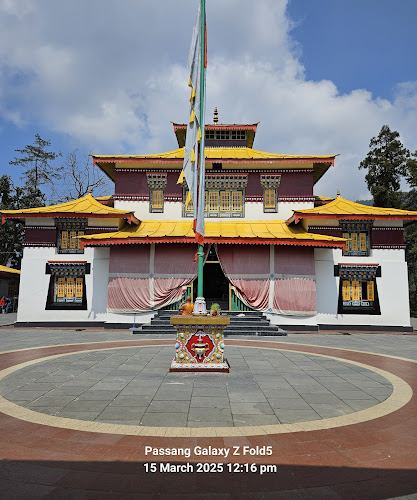
Enchey Monastery
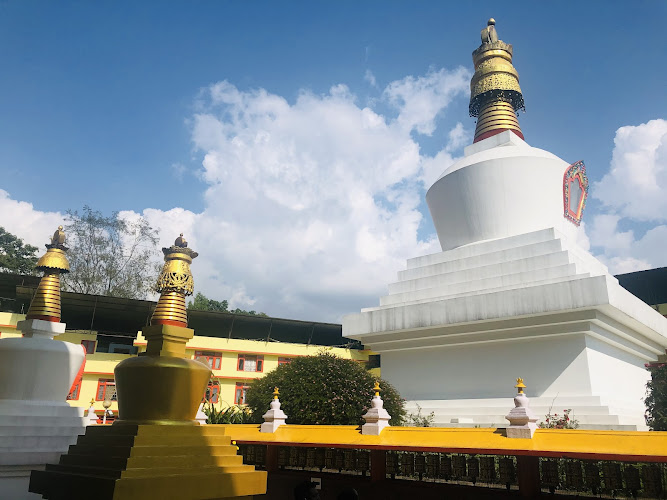
Do Drul Chorten
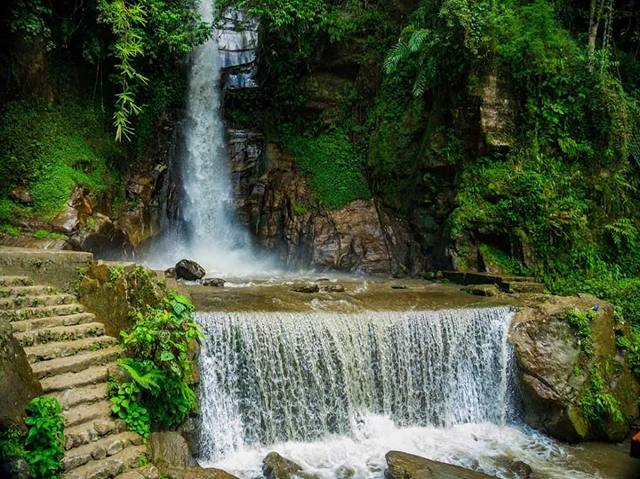
Ban Jhakri Falls Park
Find Accommodations Nearby
Recommended Tours & Activities
Visitor Reviews
There are no reviews yet. Be the first one to write one.
Share Your Experience
Have you visited Shri Thakurbari Temple, Gangtok? Help other travelers by leaving a review.