
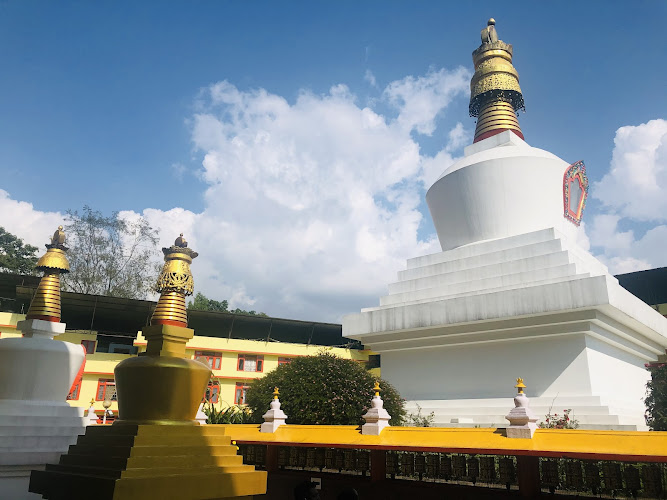
Do Drul Chorten
About Do Drul Chorten
Description
Do Drul Chorten stands as one of Sikkim's most significant Buddhist monuments, perched majestically on a hillside overlooking Gangtok. This impressive stupa, built in 1945 by the revered Trulshik Rinpoche of the Nyingma school, represents more than just architectural beauty—it's a living testament to Tibetan Buddhist culture thriving in the Eastern Himalayas.
The golden-domed structure commands attention from miles away, its gleaming surface catching sunlight throughout the day. But what truly sets this place apart isn't just its visual impact. Inside the stupa lies a complete collection of sacred Dorjee Phurba, the entire Kangyur (Buddhist scriptures), and countless other religious artifacts that most visitors never even realize are there. It's like discovering a hidden treasure vault of spiritual significance.
What struck me most during my research into this remarkable site was how it seamlessly blends accessibility with authenticity. Unlike some tourist-heavy religious sites that feel commercialized, Do Drul Chorten maintains its genuine spiritual atmosphere while welcoming travelers from all backgrounds. The resident monks continue their daily practices, creating an authentic experience that many visitors find unexpectedly moving.
The complex features 108 prayer wheels arranged around the central stupa—and yes, locals believe spinning all of them brings merit and helps cleanse negative karma. You'll often see both pilgrims and curious tourists walking the circumambulation path, creating this beautiful mixing of cultures and beliefs that somehow works perfectly.
Key Features
The Do Drul Chorten offers several distinctive elements that make it stand out among Buddhist sites in the region:
- Golden-domed stupa - The central structure rises dramatically against the mountain backdrop, its dome catching light at different angles throughout the day
- 108 prayer wheels - Each wheel is intricately engraved and spins smoothly, creating a meditative rhythm as visitors walk the perimeter
- Complete Kangyur collection - The sacred Buddhist texts housed within represent one of the most comprehensive collections in Sikkim
- Elaborate shrine rooms - Multiple prayer halls feature detailed murals, butter lamp offerings, and traditional Tibetan Buddhist artwork
- Panoramic mountain views - The elevated position provides stunning vistas of Gangtok and the surrounding Himalayan peaks
- Active monastery life - Resident monks conduct daily rituals, offering visitors glimpse into authentic Buddhist practices
- Traditional architecture - The structure showcases classic Tibetan Buddhist design elements with local Sikkimese influences
- Sacred relics chamber - Hidden within the stupa are numerous religious artifacts and relics significant to the Nyingma tradition
And here's something most guidebooks don't mention - the acoustics around the stupa are remarkable. The chanting during morning prayers seems to resonate differently here, creating an almost otherworldly atmosphere that many visitors describe as profoundly peaceful.
Best Time to Visit
Timing your visit to Do Drul Chorten can significantly impact your experience, and honestly, each season offers something unique. The most popular period runs from March through May, when Sikkim's weather is at its most cooperative. During these months, you'll encounter clear skies that showcase the golden dome brilliantly, plus comfortable temperatures for walking around the complex.
However, I'd argue that October through December might actually be the sweet spot for photographers and spiritual seekers. The post-monsoon clarity creates incredibly sharp mountain views, and the cooler weather means fewer crowds. You're more likely to experience those quiet, contemplative moments that make religious sites truly memorable.
Monsoon season (June through September) presents challenges with frequent rainfall and cloudy conditions, but it also brings fewer tourists and a different kind of beauty. The surrounding landscape becomes incredibly lush, and there's something almost mystical about seeing prayer flags flutter in the misty conditions.
For the most authentic experience, try visiting during early morning hours (around 6-7 AM) when monks perform their daily rituals. The sound of horns and chanting echoing across the hillside creates an atmosphere you simply can't replicate later in the day when tourist groups arrive.
Winter months can be quite cold, but they offer crystal-clear views of distant peaks and a serene atmosphere that many find perfect for meditation and reflection. Just bundle up appropriately—Gangtok's elevation means temperatures drop more than you might expect.
How to Get There
Getting to Do Drul Chorten is refreshingly straightforward, especially considering you're dealing with Himalayan terrain. The stupa sits approximately 3 kilometers from Gangtok's main bazaar area, making it easily accessible for most travelers.
Shared jeeps run regularly from various points in Gangtok throughout the day, and they're probably your most economical option. These sturdy vehicles handle the winding roads with ease, and the journey takes about 15-20 minutes depending on traffic. Local drivers know the route well, so don't worry about communication barriers.
Private taxis offer more comfort and flexibility, particularly if you want to combine your visit with other nearby attractions. Most hotel receptions can arrange reliable taxi services, and drivers often speak enough English to serve as informal guides. The fare is reasonable by tourist standards, though always confirm the price beforehand.
For the adventurous, walking from central Gangtok is definitely possible, though it's quite a hike uphill. The route takes you through local neighborhoods and offers interesting glimpses of daily life in Sikkim. Budget at least 45 minutes to an hour, and make sure you're reasonably fit—the elevation gain is noticeable.
If you're staying in the Deorali area, you're actually quite close already. Many guesthouses in this section of Gangtok are within walking distance, making Do Drul Chorten an easy morning or evening visit.
The access road is paved and well-maintained, with adequate parking available near the entrance. Wheelchair accessibility has been considered in the design, with ramps and smooth pathways throughout most of the complex.
Tips for Visiting
Visiting Do Drul Chorten rewards those who come prepared and approach the experience with respect and openness. Here are insights that can significantly enhance your visit:
Dress appropriately—this means covering your shoulders and knees, removing hats when entering shrine areas, and avoiding overly casual clothing. You're entering an active religious site, and showing respect through your appearance demonstrates cultural sensitivity that locals genuinely appreciate.
Photography etiquette matters more than you might think. While exterior shots are generally welcome, always ask before photographing people, especially monks engaged in religious activities. Some interior areas prohibit photography entirely, and these restrictions exist for important spiritual reasons.
Bring small denomination currency for offerings if you're interested in participating in traditional practices. Butter lamp offerings cost very little but provide meaningful ways to engage with the spiritual aspects of the site. And don't feel obligated—simply observing respectfully is perfectly acceptable.
The prayer wheel protocol is simple but important: always spin them clockwise while walking in the same direction around the stupa. Many visitors inadvertently go the wrong way, which can be concerning to practicing Buddhists. Follow the flow of other circumambulating visitors if you're unsure.
Early morning visits offer the most authentic atmosphere, but they also mean cooler temperatures and potentially locked interior areas. Late morning through early afternoon typically provides the best balance of accessibility and activity.
Remove your shoes before entering any prayer halls or shrine rooms. The floors can be cold, so wearing socks you don't mind walking in is practical. Some visitors bring lightweight slippers for this purpose.
Consider spending extra time in the complex rather than rushing through. The peaceful atmosphere becomes more apparent when you slow down and simply observe the daily rhythms of monastic life happening around you.
Restroom facilities are available on-site, which isn't always guaranteed at religious sites in the region. However, they're basic, so managing expectations appropriately helps.
If you're genuinely interested in Buddhist philosophy or practices, some of the younger monks speak English well and are often happy to answer respectful questions during less busy periods. These conversations can provide insights no guidebook offers, but always approach such interactions with sensitivity to their time and duties.
Key Features
- Key Features
- Best Time to Visit
- How to Get There
- Tips for Visiting
More Details
Updated September 24, 2025
Table of Contents
Description
Do Drul Chorten stands as one of Sikkim’s most significant Buddhist monuments, perched majestically on a hillside overlooking Gangtok. This impressive stupa, built in 1945 by the revered Trulshik Rinpoche of the Nyingma school, represents more than just architectural beauty—it’s a living testament to Tibetan Buddhist culture thriving in the Eastern Himalayas.
The golden-domed structure commands attention from miles away, its gleaming surface catching sunlight throughout the day. But what truly sets this place apart isn’t just its visual impact. Inside the stupa lies a complete collection of sacred Dorjee Phurba, the entire Kangyur (Buddhist scriptures), and countless other religious artifacts that most visitors never even realize are there. It’s like discovering a hidden treasure vault of spiritual significance.
What struck me most during my research into this remarkable site was how it seamlessly blends accessibility with authenticity. Unlike some tourist-heavy religious sites that feel commercialized, Do Drul Chorten maintains its genuine spiritual atmosphere while welcoming travelers from all backgrounds. The resident monks continue their daily practices, creating an authentic experience that many visitors find unexpectedly moving.
The complex features 108 prayer wheels arranged around the central stupa—and yes, locals believe spinning all of them brings merit and helps cleanse negative karma. You’ll often see both pilgrims and curious tourists walking the circumambulation path, creating this beautiful mixing of cultures and beliefs that somehow works perfectly.
Key Features
The Do Drul Chorten offers several distinctive elements that make it stand out among Buddhist sites in the region:
- Golden-domed stupa – The central structure rises dramatically against the mountain backdrop, its dome catching light at different angles throughout the day
- 108 prayer wheels – Each wheel is intricately engraved and spins smoothly, creating a meditative rhythm as visitors walk the perimeter
- Complete Kangyur collection – The sacred Buddhist texts housed within represent one of the most comprehensive collections in Sikkim
- Elaborate shrine rooms – Multiple prayer halls feature detailed murals, butter lamp offerings, and traditional Tibetan Buddhist artwork
- Panoramic mountain views – The elevated position provides stunning vistas of Gangtok and the surrounding Himalayan peaks
- Active monastery life – Resident monks conduct daily rituals, offering visitors glimpse into authentic Buddhist practices
- Traditional architecture – The structure showcases classic Tibetan Buddhist design elements with local Sikkimese influences
- Sacred relics chamber – Hidden within the stupa are numerous religious artifacts and relics significant to the Nyingma tradition
And here’s something most guidebooks don’t mention – the acoustics around the stupa are remarkable. The chanting during morning prayers seems to resonate differently here, creating an almost otherworldly atmosphere that many visitors describe as profoundly peaceful.
Best Time to Visit
Timing your visit to Do Drul Chorten can significantly impact your experience, and honestly, each season offers something unique. The most popular period runs from March through May, when Sikkim’s weather is at its most cooperative. During these months, you’ll encounter clear skies that showcase the golden dome brilliantly, plus comfortable temperatures for walking around the complex.
However, I’d argue that October through December might actually be the sweet spot for photographers and spiritual seekers. The post-monsoon clarity creates incredibly sharp mountain views, and the cooler weather means fewer crowds. You’re more likely to experience those quiet, contemplative moments that make religious sites truly memorable.
Monsoon season (June through September) presents challenges with frequent rainfall and cloudy conditions, but it also brings fewer tourists and a different kind of beauty. The surrounding landscape becomes incredibly lush, and there’s something almost mystical about seeing prayer flags flutter in the misty conditions.
For the most authentic experience, try visiting during early morning hours (around 6-7 AM) when monks perform their daily rituals. The sound of horns and chanting echoing across the hillside creates an atmosphere you simply can’t replicate later in the day when tourist groups arrive.
Winter months can be quite cold, but they offer crystal-clear views of distant peaks and a serene atmosphere that many find perfect for meditation and reflection. Just bundle up appropriately—Gangtok’s elevation means temperatures drop more than you might expect.
How to Get There
Getting to Do Drul Chorten is refreshingly straightforward, especially considering you’re dealing with Himalayan terrain. The stupa sits approximately 3 kilometers from Gangtok’s main bazaar area, making it easily accessible for most travelers.
Shared jeeps run regularly from various points in Gangtok throughout the day, and they’re probably your most economical option. These sturdy vehicles handle the winding roads with ease, and the journey takes about 15-20 minutes depending on traffic. Local drivers know the route well, so don’t worry about communication barriers.
Private taxis offer more comfort and flexibility, particularly if you want to combine your visit with other nearby attractions. Most hotel receptions can arrange reliable taxi services, and drivers often speak enough English to serve as informal guides. The fare is reasonable by tourist standards, though always confirm the price beforehand.
For the adventurous, walking from central Gangtok is definitely possible, though it’s quite a hike uphill. The route takes you through local neighborhoods and offers interesting glimpses of daily life in Sikkim. Budget at least 45 minutes to an hour, and make sure you’re reasonably fit—the elevation gain is noticeable.
If you’re staying in the Deorali area, you’re actually quite close already. Many guesthouses in this section of Gangtok are within walking distance, making Do Drul Chorten an easy morning or evening visit.
The access road is paved and well-maintained, with adequate parking available near the entrance. Wheelchair accessibility has been considered in the design, with ramps and smooth pathways throughout most of the complex.
Tips for Visiting
Visiting Do Drul Chorten rewards those who come prepared and approach the experience with respect and openness. Here are insights that can significantly enhance your visit:
Dress appropriately—this means covering your shoulders and knees, removing hats when entering shrine areas, and avoiding overly casual clothing. You’re entering an active religious site, and showing respect through your appearance demonstrates cultural sensitivity that locals genuinely appreciate.
Photography etiquette matters more than you might think. While exterior shots are generally welcome, always ask before photographing people, especially monks engaged in religious activities. Some interior areas prohibit photography entirely, and these restrictions exist for important spiritual reasons.
Bring small denomination currency for offerings if you’re interested in participating in traditional practices. Butter lamp offerings cost very little but provide meaningful ways to engage with the spiritual aspects of the site. And don’t feel obligated—simply observing respectfully is perfectly acceptable.
The prayer wheel protocol is simple but important: always spin them clockwise while walking in the same direction around the stupa. Many visitors inadvertently go the wrong way, which can be concerning to practicing Buddhists. Follow the flow of other circumambulating visitors if you’re unsure.
Early morning visits offer the most authentic atmosphere, but they also mean cooler temperatures and potentially locked interior areas. Late morning through early afternoon typically provides the best balance of accessibility and activity.
Remove your shoes before entering any prayer halls or shrine rooms. The floors can be cold, so wearing socks you don’t mind walking in is practical. Some visitors bring lightweight slippers for this purpose.
Consider spending extra time in the complex rather than rushing through. The peaceful atmosphere becomes more apparent when you slow down and simply observe the daily rhythms of monastic life happening around you.
Restroom facilities are available on-site, which isn’t always guaranteed at religious sites in the region. However, they’re basic, so managing expectations appropriately helps.
If you’re genuinely interested in Buddhist philosophy or practices, some of the younger monks speak English well and are often happy to answer respectful questions during less busy periods. These conversations can provide insights no guidebook offers, but always approach such interactions with sensitivity to their time and duties.
Key Highlights
- Key Features
- Best Time to Visit
- How to Get There
- Tips for Visiting
Location
Places to Stay Near Do Drul Chorten
Find and Book a Tour
Explore More Travel Guides
No reviews found! Be the first to review!
Traveler Reviews for Do Drul Chorten
There are no reviews yet. Be the first one to write one.
Have you visited Do Drul Chorten? Help other travelers by sharing your review.
You Might Also Like
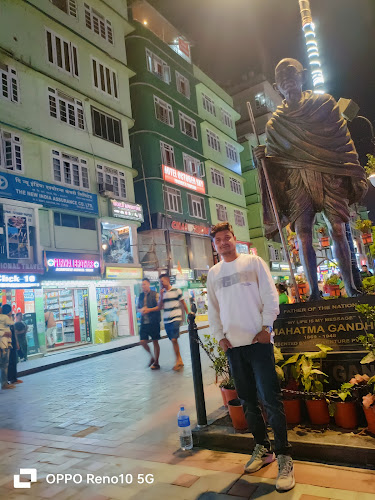
MG MARG GANGTOK, SIKKIM
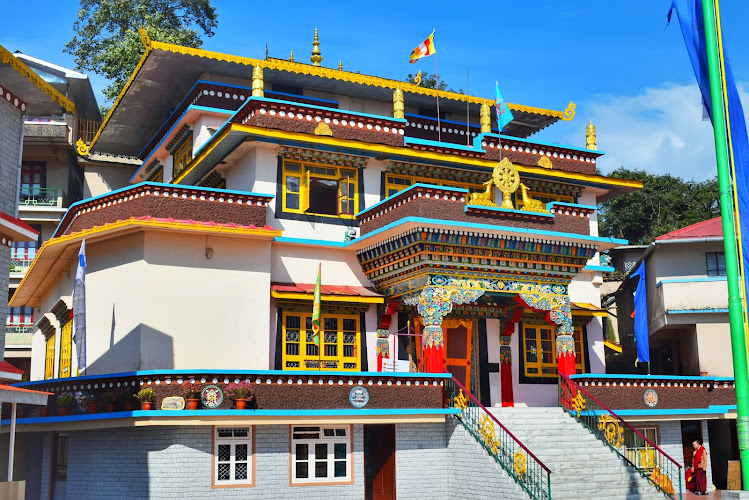
Gonjang Monastery
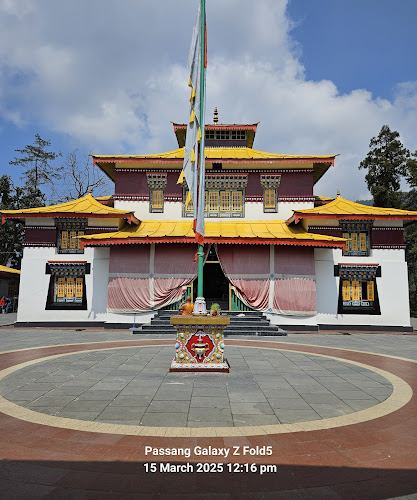
Enchey Monastery
Find Accommodations Nearby
Recommended Tours & Activities
Visitor Reviews
There are no reviews yet. Be the first one to write one.
Share Your Experience
Have you visited Do Drul Chorten? Help other travelers by leaving a review.