
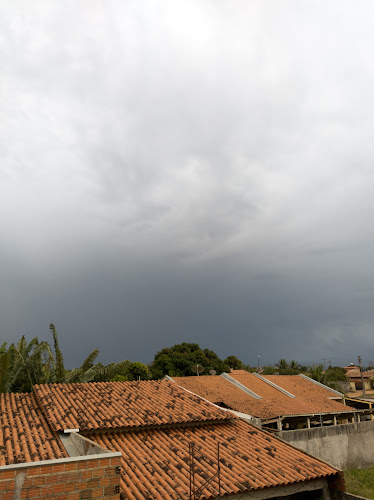
Balsas
About Balsas
Description
Balsas sits quietly in the southern reaches of Maranhão state, and honestly, most travelers probably haven't even heard of this place. But that's exactly what makes it interesting. This city of roughly 90,000 people has carved out its own identity in Brazil's northeast, far removed from the tourist crowds that flock to more famous destinations.
What strikes you first about Balsas is how it defies expectations of what a northeastern Brazilian city should be. Instead of the typical coastal charm or colonial architecture you might anticipate, you'll find a modern agricultural hub that's been quietly transforming the cerrado landscape for decades. The city emerged as a major player in Brazil's agricultural boom, particularly soybean production, which has shaped its character in unexpected ways.
The surrounding landscape tells a fascinating story of environmental transformation. Where once vast stretches of cerrado savanna dominated the horizon, you now see geometric patterns of cropland stretching toward distant hills. It's not necessarily pretty in a conventional sense, but there's something compelling about witnessing Brazil's agricultural frontier firsthand.
And here's what caught me off guard during my first visit – the people here have this refreshing directness that's different from the more tourist-oriented areas of Brazil. Conversations feel genuine because you're not just another visitor passing through. You're someone who took the time to discover a place that most people overlook.
Key Features
Balsas offers several distinctive experiences that set it apart from typical Brazilian destinations:
- Agricultural tourism opportunities – You can actually tour modern farming operations and witness large-scale soybean cultivation that supplies global markets
- Cerrado ecosystem exploration – The remaining patches of this unique Brazilian savanna provide excellent wildlife viewing and hiking opportunities
- Regional cuisine – Local restaurants serve authentic Maranhense dishes without the tourist markup, including excellent grilled meats and regional specialties
- Rio Balsas activities – The river offers fishing, boating, and swimming spots that locals frequent but few outsiders know about
- Modern infrastructure – Unlike many interior Brazilian cities, Balsas has reliable internet, good roads, and modern amenities thanks to agricultural prosperity
- Gateway to Chapada das Mesas National Park – The city serves as a practical base for exploring this stunning but undervisited park with its waterfalls and table mountains
- Authentic cultural experiences – Traditional festivals and events happen year-round without being staged for tourists
Best Time to Visit
Timing your visit to Balsas requires understanding the region's distinct wet and dry seasons, and honestly, each has its advantages depending on what you're after.
The dry season from May through September offers the most comfortable weather for outdoor activities. Temperatures hover around 25-30°C (77-86°F) during the day, and humidity levels drop significantly compared to other times of year. This is when I'd recommend visiting if you plan to explore the cerrado or take those agricultural tours. The roads are in better condition, and you won't be dealing with afternoon thunderstorms that can disrupt plans.
But here's something interesting – the wet season from October through April brings the landscape to life in ways that completely change the character of the region. The cerrado explodes with wildflowers, rivers run full, and the agricultural cycle reaches its peak intensity. Sure, you'll deal with more humidity and occasional heavy rains, but the photographic opportunities are incredible.
December through February can be quite hot and humid, with temperatures pushing into the mid-30s°C (mid-90s°F). Unless you're particularly comfortable with heat, I'd avoid these months for extended outdoor activities.
The shoulder seasons of April-May and September-October offer the best compromise. You get decent weather without the extreme heat or the heaviest rains. Plus, accommodation prices tend to be more reasonable since you're not competing with the peak agricultural season visitors – yes, agribusiness tourism is actually a thing here.
How to Get There
Getting to Balsas requires some planning since it's not exactly on the beaten path, but the journey is more straightforward than you might expect.
Flying is your most efficient option. Balsas has its own airport (Balsas Airport - BAZ) with regular flights from São Paulo and Brasília. The airport is small but modern, and you'll be in the city center within 15 minutes. TAM and Azul typically operate these routes, though schedules can vary seasonally based on agricultural business demand.
If you're already in São Luís, the state capital, you're looking at an 800-kilometer journey that takes about 10-12 hours by bus. The road conditions are generally good, and several companies run overnight buses with decent comfort levels. I've done this route twice, and while it's long, you get to see parts of Maranhão that few tourists ever experience.
Driving gives you the most flexibility, especially if you want to explore the surrounding region or visit Chapada das Mesas National Park. The BR-230 and MA-006 highways are well-maintained, but fuel stops become important to plan since distances between towns can be substantial. GPS is essential – this isn't a place where you want to rely on asking for directions.
From Teresina in neighboring Piauí state, it's about a 6-hour drive, and this route offers some beautiful cerrado scenery along the way. Many visitors actually combine Balsas with stops in both states to maximize their interior Brazil experience.
Tips for Visiting
Visiting Balsas successfully requires some insider knowledge that typical guidebooks won't tell you, and I learned most of these lessons the hard way during my first trip there.
First, bring more cash than you normally would. While the city has ATMs and most establishments accept cards, some of the best local experiences – like hiring a guide for cerrado exploration or buying fresh produce at the morning market – work better with cash transactions. The agricultural wealth means people aren't desperate for tourist dollars, so negotiating isn't as common as in other parts of Brazil.
Language is more important here than in major Brazilian cities. English speakers are rare, and even basic Portuguese goes a long way in building connections with locals. Download a translation app before arriving, and don't be afraid to use it – people appreciate the effort.
The sun is stronger than you'd expect, especially during agricultural tours where shade is limited. I made the mistake of underestimating this during a soybean farm visit and paid for it with a serious sunburn. Quality sunscreen, a hat, and long sleeves for outdoor activities aren't optional.
Accommodation booking should happen in advance, particularly during harvest season (February-July) when agricultural professionals and buyers flood the city. The options range from basic hotels to surprisingly upscale business-oriented properties, but availability can be tight.
Food allergies or dietary restrictions require extra communication here. The local cuisine heavily features beef, pork, and chicken, often grilled or in hearty stews. Vegetarian options exist but aren't always obvious on menus. I always carry a card explaining my dietary needs in Portuguese.
Weather can change quickly, especially during transitional months. Morning sunshine can give way to afternoon storms that flood streets temporarily. Pack a light rain jacket and waterproof bag for electronics.
And here's something nobody tells you – mosquitoes and other insects are present year-round but particularly aggressive during wet season evenings. Quality repellent isn't negotiable, and long pants after sunset make outdoor dining much more enjoyable.
Finally, embrace the slower pace. Balsas operates on agricultural time, not tourist time. Businesses close for lunch, conversations take longer than you'd expect, and rushing through experiences means missing the authentic character that makes this place special. The reward for patience is access to a side of Brazil that most visitors never discover.
Key Features
- Key Features
- Best Time to Visit
- How to Get There
- Tips for Visiting
More Details
Updated September 13, 2025
Table of Contents
Description
Balsas sits quietly in the southern reaches of Maranhão state, and honestly, most travelers probably haven’t even heard of this place. But that’s exactly what makes it interesting. This city of roughly 90,000 people has carved out its own identity in Brazil’s northeast, far removed from the tourist crowds that flock to more famous destinations.
What strikes you first about Balsas is how it defies expectations of what a northeastern Brazilian city should be. Instead of the typical coastal charm or colonial architecture you might anticipate, you’ll find a modern agricultural hub that’s been quietly transforming the cerrado landscape for decades. The city emerged as a major player in Brazil’s agricultural boom, particularly soybean production, which has shaped its character in unexpected ways.
The surrounding landscape tells a fascinating story of environmental transformation. Where once vast stretches of cerrado savanna dominated the horizon, you now see geometric patterns of cropland stretching toward distant hills. It’s not necessarily pretty in a conventional sense, but there’s something compelling about witnessing Brazil’s agricultural frontier firsthand.
And here’s what caught me off guard during my first visit – the people here have this refreshing directness that’s different from the more tourist-oriented areas of Brazil. Conversations feel genuine because you’re not just another visitor passing through. You’re someone who took the time to discover a place that most people overlook.
Key Features
Balsas offers several distinctive experiences that set it apart from typical Brazilian destinations:
- Agricultural tourism opportunities – You can actually tour modern farming operations and witness large-scale soybean cultivation that supplies global markets
- Cerrado ecosystem exploration – The remaining patches of this unique Brazilian savanna provide excellent wildlife viewing and hiking opportunities
- Regional cuisine – Local restaurants serve authentic Maranhense dishes without the tourist markup, including excellent grilled meats and regional specialties
- Rio Balsas activities – The river offers fishing, boating, and swimming spots that locals frequent but few outsiders know about
- Modern infrastructure – Unlike many interior Brazilian cities, Balsas has reliable internet, good roads, and modern amenities thanks to agricultural prosperity
- Gateway to Chapada das Mesas National Park – The city serves as a practical base for exploring this stunning but undervisited park with its waterfalls and table mountains
- Authentic cultural experiences – Traditional festivals and events happen year-round without being staged for tourists
Best Time to Visit
Timing your visit to Balsas requires understanding the region’s distinct wet and dry seasons, and honestly, each has its advantages depending on what you’re after.
The dry season from May through September offers the most comfortable weather for outdoor activities. Temperatures hover around 25-30°C (77-86°F) during the day, and humidity levels drop significantly compared to other times of year. This is when I’d recommend visiting if you plan to explore the cerrado or take those agricultural tours. The roads are in better condition, and you won’t be dealing with afternoon thunderstorms that can disrupt plans.
But here’s something interesting – the wet season from October through April brings the landscape to life in ways that completely change the character of the region. The cerrado explodes with wildflowers, rivers run full, and the agricultural cycle reaches its peak intensity. Sure, you’ll deal with more humidity and occasional heavy rains, but the photographic opportunities are incredible.
December through February can be quite hot and humid, with temperatures pushing into the mid-30s°C (mid-90s°F). Unless you’re particularly comfortable with heat, I’d avoid these months for extended outdoor activities.
The shoulder seasons of April-May and September-October offer the best compromise. You get decent weather without the extreme heat or the heaviest rains. Plus, accommodation prices tend to be more reasonable since you’re not competing with the peak agricultural season visitors – yes, agribusiness tourism is actually a thing here.
How to Get There
Getting to Balsas requires some planning since it’s not exactly on the beaten path, but the journey is more straightforward than you might expect.
Flying is your most efficient option. Balsas has its own airport (Balsas Airport – BAZ) with regular flights from São Paulo and Brasília. The airport is small but modern, and you’ll be in the city center within 15 minutes. TAM and Azul typically operate these routes, though schedules can vary seasonally based on agricultural business demand.
If you’re already in São Luís, the state capital, you’re looking at an 800-kilometer journey that takes about 10-12 hours by bus. The road conditions are generally good, and several companies run overnight buses with decent comfort levels. I’ve done this route twice, and while it’s long, you get to see parts of Maranhão that few tourists ever experience.
Driving gives you the most flexibility, especially if you want to explore the surrounding region or visit Chapada das Mesas National Park. The BR-230 and MA-006 highways are well-maintained, but fuel stops become important to plan since distances between towns can be substantial. GPS is essential – this isn’t a place where you want to rely on asking for directions.
From Teresina in neighboring Piauí state, it’s about a 6-hour drive, and this route offers some beautiful cerrado scenery along the way. Many visitors actually combine Balsas with stops in both states to maximize their interior Brazil experience.
Tips for Visiting
Visiting Balsas successfully requires some insider knowledge that typical guidebooks won’t tell you, and I learned most of these lessons the hard way during my first trip there.
First, bring more cash than you normally would. While the city has ATMs and most establishments accept cards, some of the best local experiences – like hiring a guide for cerrado exploration or buying fresh produce at the morning market – work better with cash transactions. The agricultural wealth means people aren’t desperate for tourist dollars, so negotiating isn’t as common as in other parts of Brazil.
Language is more important here than in major Brazilian cities. English speakers are rare, and even basic Portuguese goes a long way in building connections with locals. Download a translation app before arriving, and don’t be afraid to use it – people appreciate the effort.
The sun is stronger than you’d expect, especially during agricultural tours where shade is limited. I made the mistake of underestimating this during a soybean farm visit and paid for it with a serious sunburn. Quality sunscreen, a hat, and long sleeves for outdoor activities aren’t optional.
Accommodation booking should happen in advance, particularly during harvest season (February-July) when agricultural professionals and buyers flood the city. The options range from basic hotels to surprisingly upscale business-oriented properties, but availability can be tight.
Food allergies or dietary restrictions require extra communication here. The local cuisine heavily features beef, pork, and chicken, often grilled or in hearty stews. Vegetarian options exist but aren’t always obvious on menus. I always carry a card explaining my dietary needs in Portuguese.
Weather can change quickly, especially during transitional months. Morning sunshine can give way to afternoon storms that flood streets temporarily. Pack a light rain jacket and waterproof bag for electronics.
And here’s something nobody tells you – mosquitoes and other insects are present year-round but particularly aggressive during wet season evenings. Quality repellent isn’t negotiable, and long pants after sunset make outdoor dining much more enjoyable.
Finally, embrace the slower pace. Balsas operates on agricultural time, not tourist time. Businesses close for lunch, conversations take longer than you’d expect, and rushing through experiences means missing the authentic character that makes this place special. The reward for patience is access to a side of Brazil that most visitors never discover.
Key Highlights
- Key Features
- Best Time to Visit
- How to Get There
- Tips for Visiting
Location
Places to Stay Near Balsas
Find and Book a Tour
Explore More Travel Guides
No reviews found! Be the first to review!
Traveler Reviews for Balsas
There are no reviews yet. Be the first one to write one.
Have you visited Balsas? Help other travelers by sharing your review.
You Might Also Like
INFORMATIVO BALSAS
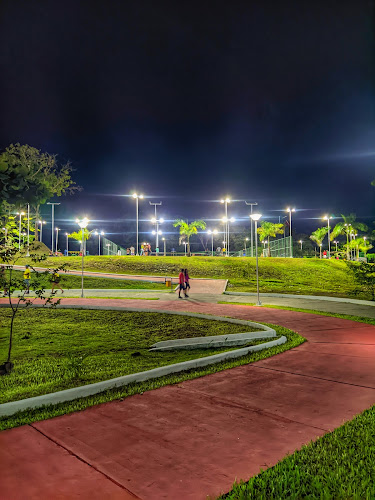
Animal Conservation Park
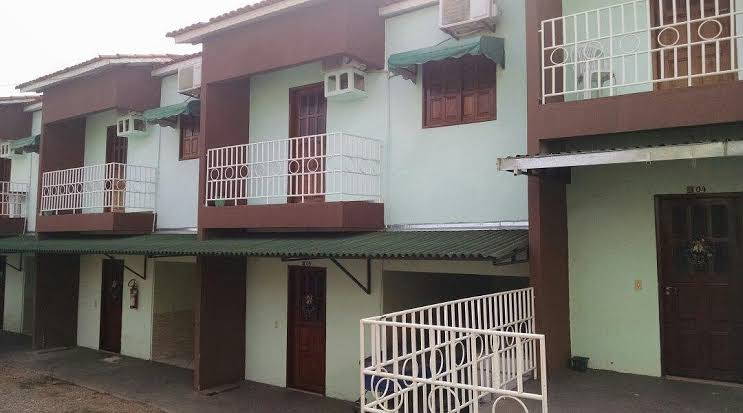
Hotel Oliveira
Find Accommodations Nearby
Recommended Tours & Activities
Visitor Reviews
There are no reviews yet. Be the first one to write one.
Share Your Experience
Have you visited Balsas? Help other travelers by leaving a review.