
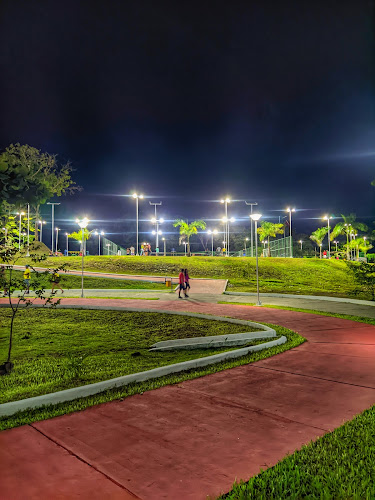
Animal Conservation Park
About Animal Conservation Park
Description
The Animal Conservation Park stands as one of those municipal gems that truly delivers on its promise of combining wildlife preservation with family-friendly recreation. And honestly, after visiting countless city parks over the years, this one manages to strike that perfect balance between education and entertainment without feeling forced or artificial.
This sprawling municipal park dedicates itself to animal conservation while offering visitors an impressive array of outdoor activities. What makes it genuinely special isn't just the conservation mission - though that's certainly admirable - but how seamlessly it integrates recreational facilities with its wildlife protection efforts. You'll find yourself learning about local species preservation while your kids burn off energy on the playground equipment.
The park's design philosophy centers around accessibility and inclusion. Every pathway, entrance, and major facility has been thoughtfully planned to accommodate wheelchairs and mobility devices. But it's not just about meeting requirements; the implementation feels natural and unobtrusive, which speaks volumes about the planning process.
Trail systems wind throughout the property, offering everything from easy family strolls to more challenging hiking routes. The cycling lanes provide safe passage for bike enthusiasts, while dedicated areas for skateboarding give younger visitors their own space to practice tricks and socialize. It's this variety of options that keeps families coming back, since everyone from toddlers to grandparents can find their preferred way to enjoy the outdoors.
Key Features
The Animal Conservation Park offers an extensive range of facilities and features that cater to diverse interests and age groups:
- Comprehensive trail network - Multiple hiking routes ranging from beginner-friendly paths to more demanding terrain for experienced hikers
- Full accessibility features - Wheelchair accessible entrances, parking areas, and pathways throughout the main facilities
- Dedicated cycling infrastructure - Protected bike lanes that separate cyclists from pedestrian traffic for safety
- Complete playground complex - Modern swing sets, slides, and climbing structures designed for various age groups
- Sports and recreation facilities - Regulation volleyball court and designated skateboarding area with appropriate surfaces
- Family amenities - Clean public restrooms and numerous picnic areas with tables and shade structures
- Pet-friendly policies - Well-marked areas where dogs can accompany their families on leash
- Educational wildlife displays - Conservation information stations and observation areas throughout the park
- Maintenance and safety features - Well-maintained pathways, adequate lighting, and clear signage systems
Best Time to Visit
Timing your visit to the Animal Conservation Park can significantly impact your experience, and I've learned this through a few less-than-ideal early attempts. The golden hours of early morning, particularly between 7:00 AM and 10:00 AM, offer the most rewarding wildlife viewing opportunities. Many of the animals are more active during these cooler hours, and you'll have better chances of spotting species that tend to hide during peak heat.
Weekday visits typically provide a more peaceful experience, especially if you're hoping to use the hiking trails without crowds. Tuesday through Thursday mornings are particularly excellent for serious hikers or wildlife photographers. The trails are less congested, and you can actually hear the natural sounds of the park without competing with large groups.
For families with children, weekend mornings work well since the playground and sports facilities tend to fill up by mid-day. Saturday mornings around 9:00 AM strike that sweet spot where the facilities are open and active but not overwhelmingly busy. Plus, your kids will have other children to interact with on the swings and slides.
Weather considerations play a crucial role in planning your visit. Spring months offer mild temperatures and active wildlife, while fall provides comfortable hiking conditions and often clearer views for photography. Summer visits require early morning timing to avoid heat, but the extended daylight hours give you more flexibility for longer hikes.
Avoid major holidays and school vacation periods if you prefer quieter experiences. The volleyball court and skateboarding areas become particularly crowded during these peak times, though some visitors actually enjoy the energetic atmosphere these busy periods create.
How to Get There
Reaching the Animal Conservation Park is refreshingly straightforward, though a few insider tips can save you time and hassle. The park's location within the municipal system means public transportation options are generally reliable, with several bus routes stopping within walking distance of the main entrances.
For drivers, the wheelchair accessible parking lot provides ample space, but arriving before 10:00 AM on weekends ensures you'll find spots close to your preferred entrance. The parking layout is well-designed, with clearly marked spaces and smooth pathways leading directly to the park entrances.
Cyclists will appreciate the bike-friendly approach to access. Dedicated bike lanes connect to the park's internal cycling infrastructure, and secure bike parking areas are positioned near major facilities. If you're planning to cycle to the park and then explore on foot, these parking areas are strategically placed near the trailheads and playground zones.
Public transit users should check current schedules, as service frequency varies throughout the week. The closest stops require a short walk through safe, well-lit areas, and the pathways are clearly marked with directional signage. Weekend service sometimes runs on modified schedules, so planning ahead prevents unnecessary delays.
For visitors using mobility devices, the accessible entrance provides the most direct route to major facilities. The pathways from accessible parking to this entrance are paved and properly graded, meeting or exceeding standard accessibility requirements.
Tips for Visiting
Preparation makes all the difference when visiting the Animal Conservation Park, and these practical suggestions come from both personal experience and observations of what works for other visitors. Start with appropriate footwear - even the easier trails can present uneven surfaces, and comfortable walking shoes will keep you exploring longer without discomfort.
Pack snacks and water, especially if you plan to use the picnic facilities. While the park maintains clean public restrooms, having your own refreshments allows for spontaneous meal breaks when you discover perfect picnic spots along the trails. The picnic areas fill up on nice days, so having backup options keeps your visit flexible.
Families with children should bring entertainment for potential waiting periods at popular playground equipment. The swings and slides attract lots of young visitors, and having small toys or books helps during busy times. Also, the kid-friendly hikes are genuinely manageable for little ones, but carrying a few energy snacks makes the experience more enjoyable for everyone.
Dog owners need to remember leash requirements and should bring waste bags, even though the park generally provides disposal stations. The pet-friendly policies make this a great destination for families with dogs, but respecting other visitors and wildlife requires responsible pet management.
Photography enthusiasts should consider bringing extra batteries or charging equipment for longer visits. The wildlife viewing opportunities and scenic trail locations provide numerous photo possibilities, and you don't want technical limitations cutting short your creative opportunities.
Check weather conditions before heading out, particularly for hiking activities. Trail conditions can change rapidly after rain, and some paths may become challenging or unsafe during certain weather events. The park's maintenance staff does excellent work, but natural conditions sometimes require visitor flexibility.
Finally, consider visiting different areas of the park on separate trips rather than trying to experience everything in one visit. The hiking trails alone can provide a full day of exploration, while the recreational facilities offer completely different experiences that deserve their own dedicated time.
Key Features
- Key Features
- Best Time to Visit
- How to Get There
- Tips for Visiting
More Details
Updated September 14, 2025
Table of Contents
Description
The Animal Conservation Park stands as one of those municipal gems that truly delivers on its promise of combining wildlife preservation with family-friendly recreation. And honestly, after visiting countless city parks over the years, this one manages to strike that perfect balance between education and entertainment without feeling forced or artificial.
This sprawling municipal park dedicates itself to animal conservation while offering visitors an impressive array of outdoor activities. What makes it genuinely special isn’t just the conservation mission – though that’s certainly admirable – but how seamlessly it integrates recreational facilities with its wildlife protection efforts. You’ll find yourself learning about local species preservation while your kids burn off energy on the playground equipment.
The park’s design philosophy centers around accessibility and inclusion. Every pathway, entrance, and major facility has been thoughtfully planned to accommodate wheelchairs and mobility devices. But it’s not just about meeting requirements; the implementation feels natural and unobtrusive, which speaks volumes about the planning process.
Trail systems wind throughout the property, offering everything from easy family strolls to more challenging hiking routes. The cycling lanes provide safe passage for bike enthusiasts, while dedicated areas for skateboarding give younger visitors their own space to practice tricks and socialize. It’s this variety of options that keeps families coming back, since everyone from toddlers to grandparents can find their preferred way to enjoy the outdoors.
Key Features
The Animal Conservation Park offers an extensive range of facilities and features that cater to diverse interests and age groups:
- Comprehensive trail network – Multiple hiking routes ranging from beginner-friendly paths to more demanding terrain for experienced hikers
- Full accessibility features – Wheelchair accessible entrances, parking areas, and pathways throughout the main facilities
- Dedicated cycling infrastructure – Protected bike lanes that separate cyclists from pedestrian traffic for safety
- Complete playground complex – Modern swing sets, slides, and climbing structures designed for various age groups
- Sports and recreation facilities – Regulation volleyball court and designated skateboarding area with appropriate surfaces
- Family amenities – Clean public restrooms and numerous picnic areas with tables and shade structures
- Pet-friendly policies – Well-marked areas where dogs can accompany their families on leash
- Educational wildlife displays – Conservation information stations and observation areas throughout the park
- Maintenance and safety features – Well-maintained pathways, adequate lighting, and clear signage systems
Best Time to Visit
Timing your visit to the Animal Conservation Park can significantly impact your experience, and I’ve learned this through a few less-than-ideal early attempts. The golden hours of early morning, particularly between 7:00 AM and 10:00 AM, offer the most rewarding wildlife viewing opportunities. Many of the animals are more active during these cooler hours, and you’ll have better chances of spotting species that tend to hide during peak heat.
Weekday visits typically provide a more peaceful experience, especially if you’re hoping to use the hiking trails without crowds. Tuesday through Thursday mornings are particularly excellent for serious hikers or wildlife photographers. The trails are less congested, and you can actually hear the natural sounds of the park without competing with large groups.
For families with children, weekend mornings work well since the playground and sports facilities tend to fill up by mid-day. Saturday mornings around 9:00 AM strike that sweet spot where the facilities are open and active but not overwhelmingly busy. Plus, your kids will have other children to interact with on the swings and slides.
Weather considerations play a crucial role in planning your visit. Spring months offer mild temperatures and active wildlife, while fall provides comfortable hiking conditions and often clearer views for photography. Summer visits require early morning timing to avoid heat, but the extended daylight hours give you more flexibility for longer hikes.
Avoid major holidays and school vacation periods if you prefer quieter experiences. The volleyball court and skateboarding areas become particularly crowded during these peak times, though some visitors actually enjoy the energetic atmosphere these busy periods create.
How to Get There
Reaching the Animal Conservation Park is refreshingly straightforward, though a few insider tips can save you time and hassle. The park’s location within the municipal system means public transportation options are generally reliable, with several bus routes stopping within walking distance of the main entrances.
For drivers, the wheelchair accessible parking lot provides ample space, but arriving before 10:00 AM on weekends ensures you’ll find spots close to your preferred entrance. The parking layout is well-designed, with clearly marked spaces and smooth pathways leading directly to the park entrances.
Cyclists will appreciate the bike-friendly approach to access. Dedicated bike lanes connect to the park’s internal cycling infrastructure, and secure bike parking areas are positioned near major facilities. If you’re planning to cycle to the park and then explore on foot, these parking areas are strategically placed near the trailheads and playground zones.
Public transit users should check current schedules, as service frequency varies throughout the week. The closest stops require a short walk through safe, well-lit areas, and the pathways are clearly marked with directional signage. Weekend service sometimes runs on modified schedules, so planning ahead prevents unnecessary delays.
For visitors using mobility devices, the accessible entrance provides the most direct route to major facilities. The pathways from accessible parking to this entrance are paved and properly graded, meeting or exceeding standard accessibility requirements.
Tips for Visiting
Preparation makes all the difference when visiting the Animal Conservation Park, and these practical suggestions come from both personal experience and observations of what works for other visitors. Start with appropriate footwear – even the easier trails can present uneven surfaces, and comfortable walking shoes will keep you exploring longer without discomfort.
Pack snacks and water, especially if you plan to use the picnic facilities. While the park maintains clean public restrooms, having your own refreshments allows for spontaneous meal breaks when you discover perfect picnic spots along the trails. The picnic areas fill up on nice days, so having backup options keeps your visit flexible.
Families with children should bring entertainment for potential waiting periods at popular playground equipment. The swings and slides attract lots of young visitors, and having small toys or books helps during busy times. Also, the kid-friendly hikes are genuinely manageable for little ones, but carrying a few energy snacks makes the experience more enjoyable for everyone.
Dog owners need to remember leash requirements and should bring waste bags, even though the park generally provides disposal stations. The pet-friendly policies make this a great destination for families with dogs, but respecting other visitors and wildlife requires responsible pet management.
Photography enthusiasts should consider bringing extra batteries or charging equipment for longer visits. The wildlife viewing opportunities and scenic trail locations provide numerous photo possibilities, and you don’t want technical limitations cutting short your creative opportunities.
Check weather conditions before heading out, particularly for hiking activities. Trail conditions can change rapidly after rain, and some paths may become challenging or unsafe during certain weather events. The park’s maintenance staff does excellent work, but natural conditions sometimes require visitor flexibility.
Finally, consider visiting different areas of the park on separate trips rather than trying to experience everything in one visit. The hiking trails alone can provide a full day of exploration, while the recreational facilities offer completely different experiences that deserve their own dedicated time.
Key Highlights
- Key Features
- Best Time to Visit
- How to Get There
- Tips for Visiting
Location
Places to Stay Near Animal Conservation Park
Find and Book a Tour
Explore More Travel Guides
No reviews found! Be the first to review!
Traveler Reviews for Animal Conservation Park
There are no reviews yet. Be the first one to write one.
Have you visited Animal Conservation Park? Help other travelers by sharing your review.
You Might Also Like

Hotel 10 Balsas

R. Dois, 217 - Nazare
Descida de Boia do Canaã
Find Accommodations Nearby
Recommended Tours & Activities
Visitor Reviews
There are no reviews yet. Be the first one to write one.
Share Your Experience
Have you visited Animal Conservation Park? Help other travelers by leaving a review.