
Miele Museum
About Miele Museum
Description
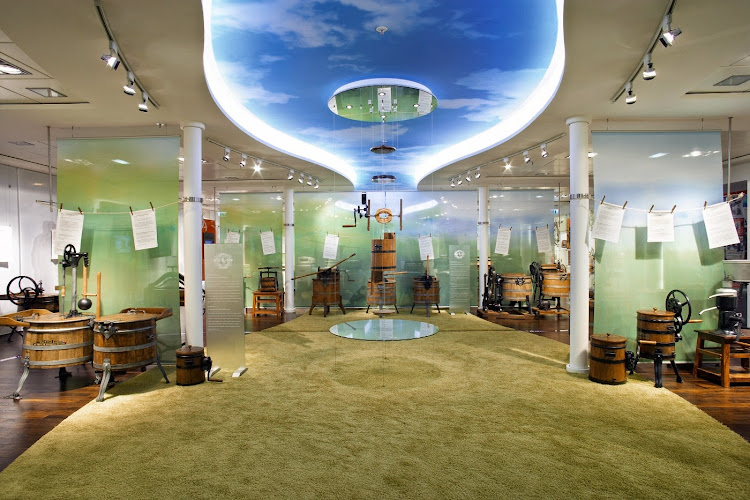
The Miele Museum is one of those places that quietly surprises you. At first glance, you might think it’s just about household appliances, but step inside and you quickly realize it’s a deep dive into over a century of innovation, design, and German engineering. The museum tells the story of how a small company grew into one of the most respected names in home and industrial technology. It’s not just about machines; it’s about people, ideas, and the way everyday life has changed because of them. You see the evolution of washing machines, vacuum cleaners, and even some quirky prototypes that never made it to the market. There’s a certain charm in seeing how design trends shifted over the decades—some pieces feel nostalgic, others almost futuristic.
What makes the museum engaging is how approachable it feels. The exhibits aren’t overwhelming or overly technical, so even if you’re not an engineer or history buff, you’ll find yourself drawn into the stories behind the products. Families often bring their kids here, and it works because the displays are interactive enough to keep young minds curious. Plus, the museum is accessible in every sense of the word—wheelchair-friendly entrances, restrooms, and even rentals are available, which makes it welcoming for all types of visitors.
Now, no place is perfect. Some visitors might find the focus a bit narrow if they’re expecting a broader technology museum. And sure, if you’re not particularly interested in design or industrial history, you might not spend hours here. But overall, the atmosphere is warm, the exhibits are thoughtfully curated, and you leave with a new appreciation for how much thought goes into the appliances we take for granted. Personally, I found myself smiling at the older washing machines—my grandmother had one that looked almost identical, and it instantly brought back memories of summer afternoons at her house. That’s the kind of connection this museum sparks.
Key Features
- A chronological journey through Miele’s history, from the company’s founding to modern innovations.
- Exhibits showcasing vintage washing machines, vacuum cleaners, and kitchen appliances.
- Rare prototypes and experimental models that highlight the company’s creative risks.
- Interactive displays that allow visitors to get hands-on with certain exhibits.
- Wheelchair accessible facilities, including restrooms, parking, and rentals.
- Family-friendly environment with exhibits that appeal to both adults and children.
- Free parking available on-site, making it convenient for travelers with cars.
- Restrooms available inside, though there’s no on-site restaurant.
Best Time to Visit
The best time to visit the Miele Museum really depends on what kind of experience you’re after. If you prefer a quieter atmosphere where you can take your time reading the displays and snapping photos without feeling rushed, weekdays in the morning are ideal. That’s when you’ll likely have the place more or less to yourself. On weekends, it tends to get busier with families and groups, which can bring a fun buzz of energy but also means more waiting around certain exhibits.
Weather-wise, since the museum is entirely indoors, it’s a great option for rainy or colder days when outdoor sightseeing isn’t as appealing. Personally, I think it’s a perfect stop during a longer trip through the region—spending a couple of hours here in the afternoon before heading out for dinner works well. And if you’re traveling with kids, they’ll probably have more patience earlier in the day before the inevitable “I’m hungry” chorus kicks in.
How to Get There
Reaching the Miele Museum is straightforward whether you’re driving or using public transport. If you’re coming by car, the free parking lot makes it hassle-free, and you don’t have to worry about hunting for a spot on nearby streets. For travelers relying on trains or buses, the museum is accessible via local connections, and from the nearest station, it’s a short walk or quick taxi ride.
I should mention that if you’re the kind of traveler who likes to pack in multiple attractions in a day, the museum pairs nicely with other cultural stops in the area. It’s not an all-day commitment, so you can easily combine it with a stroll through town or a visit to a nearby café. I once visited in the morning, then spent the afternoon wandering around the local shops—it made for a balanced and enjoyable day.
Tips for Visiting
A few little tips can make your visit smoother and more enjoyable. First off, don’t rush. Even though the museum isn’t massive, there’s a lot of detail in the exhibits, and you’ll get more out of it if you take your time. If you’re traveling with kids, point out the quirky old designs—they get a kick out of seeing how “weird” things used to look.
Also, plan ahead when it comes to food. Since there’s no restaurant on-site, it’s a good idea to grab a snack beforehand or plan a meal nearby after your visit. If you’re someone who likes to take photos, bring your camera or at least make sure your phone is charged. The vintage machines make for surprisingly photogenic subjects, especially the ones with retro logos and colors.
For those with mobility needs, rest assured the museum is well set up. Wheelchair rentals are available, and all the main areas are accessible. I’d also suggest checking opening hours before you go—sometimes museums in smaller towns don’t keep the same extended hours you might expect in big cities.
And maybe the most important tip: go in with curiosity. Even if you’re not a “museum person,” you might be surprised at how much fun it is to see the history of something so ordinary yet essential. I didn’t expect to be as fascinated as I was, but walking out, I found myself looking at my own washing machine at home with a whole new level of respect. Funny how that happens.
Key Features
- A chronological journey through Miele’s history, from the company’s founding to modern innovations.
- Exhibits showcasing vintage washing machines, vacuum cleaners, and kitchen appliances.
- Rare prototypes and experimental models that highlight the company’s creative risks.
- Interactive displays that allow visitors to get hands-on with certain exhibits.
- Wheelchair accessible facilities, including restrooms, parking, and rentals.
- Family-friendly environment with exhibits that appeal to both adults and children.
- Free parking available on-site, making it convenient for travelers with cars.
- Restrooms available inside, though there’s no on-site restaurant.
More Details
Updated September 10, 2025
Table of Contents
Description
The Miele Museum is one of those places that quietly surprises you. At first glance, you might think it’s just about household appliances, but step inside and you quickly realize it’s a deep dive into over a century of innovation, design, and German engineering. The museum tells the story of how a small company grew into one of the most respected names in home and industrial technology. It’s not just about machines; it’s about people, ideas, and the way everyday life has changed because of them. You see the evolution of washing machines, vacuum cleaners, and even some quirky prototypes that never made it to the market. There’s a certain charm in seeing how design trends shifted over the decades—some pieces feel nostalgic, others almost futuristic.
What makes the museum engaging is how approachable it feels. The exhibits aren’t overwhelming or overly technical, so even if you’re not an engineer or history buff, you’ll find yourself drawn into the stories behind the products. Families often bring their kids here, and it works because the displays are interactive enough to keep young minds curious. Plus, the museum is accessible in every sense of the word—wheelchair-friendly entrances, restrooms, and even rentals are available, which makes it welcoming for all types of visitors.
Now, no place is perfect. Some visitors might find the focus a bit narrow if they’re expecting a broader technology museum. And sure, if you’re not particularly interested in design or industrial history, you might not spend hours here. But overall, the atmosphere is warm, the exhibits are thoughtfully curated, and you leave with a new appreciation for how much thought goes into the appliances we take for granted. Personally, I found myself smiling at the older washing machines—my grandmother had one that looked almost identical, and it instantly brought back memories of summer afternoons at her house. That’s the kind of connection this museum sparks.
Key Features
- A chronological journey through Miele’s history, from the company’s founding to modern innovations.
- Exhibits showcasing vintage washing machines, vacuum cleaners, and kitchen appliances.
- Rare prototypes and experimental models that highlight the company’s creative risks.
- Interactive displays that allow visitors to get hands-on with certain exhibits.
- Wheelchair accessible facilities, including restrooms, parking, and rentals.
- Family-friendly environment with exhibits that appeal to both adults and children.
- Free parking available on-site, making it convenient for travelers with cars.
- Restrooms available inside, though there’s no on-site restaurant.
Best Time to Visit
The best time to visit the Miele Museum really depends on what kind of experience you’re after. If you prefer a quieter atmosphere where you can take your time reading the displays and snapping photos without feeling rushed, weekdays in the morning are ideal. That’s when you’ll likely have the place more or less to yourself. On weekends, it tends to get busier with families and groups, which can bring a fun buzz of energy but also means more waiting around certain exhibits.
Weather-wise, since the museum is entirely indoors, it’s a great option for rainy or colder days when outdoor sightseeing isn’t as appealing. Personally, I think it’s a perfect stop during a longer trip through the region—spending a couple of hours here in the afternoon before heading out for dinner works well. And if you’re traveling with kids, they’ll probably have more patience earlier in the day before the inevitable “I’m hungry” chorus kicks in.
How to Get There
Reaching the Miele Museum is straightforward whether you’re driving or using public transport. If you’re coming by car, the free parking lot makes it hassle-free, and you don’t have to worry about hunting for a spot on nearby streets. For travelers relying on trains or buses, the museum is accessible via local connections, and from the nearest station, it’s a short walk or quick taxi ride.
I should mention that if you’re the kind of traveler who likes to pack in multiple attractions in a day, the museum pairs nicely with other cultural stops in the area. It’s not an all-day commitment, so you can easily combine it with a stroll through town or a visit to a nearby café. I once visited in the morning, then spent the afternoon wandering around the local shops—it made for a balanced and enjoyable day.
Tips for Visiting
A few little tips can make your visit smoother and more enjoyable. First off, don’t rush. Even though the museum isn’t massive, there’s a lot of detail in the exhibits, and you’ll get more out of it if you take your time. If you’re traveling with kids, point out the quirky old designs—they get a kick out of seeing how “weird” things used to look.
Also, plan ahead when it comes to food. Since there’s no restaurant on-site, it’s a good idea to grab a snack beforehand or plan a meal nearby after your visit. If you’re someone who likes to take photos, bring your camera or at least make sure your phone is charged. The vintage machines make for surprisingly photogenic subjects, especially the ones with retro logos and colors.
For those with mobility needs, rest assured the museum is well set up. Wheelchair rentals are available, and all the main areas are accessible. I’d also suggest checking opening hours before you go—sometimes museums in smaller towns don’t keep the same extended hours you might expect in big cities.
And maybe the most important tip: go in with curiosity. Even if you’re not a “museum person,” you might be surprised at how much fun it is to see the history of something so ordinary yet essential. I didn’t expect to be as fascinated as I was, but walking out, I found myself looking at my own washing machine at home with a whole new level of respect. Funny how that happens.
Key Highlights
- A chronological journey through Miele’s history, from the company’s founding to modern innovations.
- Exhibits showcasing vintage washing machines, vacuum cleaners, and kitchen appliances.
- Rare prototypes and experimental models that highlight the company’s creative risks.
- Interactive displays that allow visitors to get hands-on with certain exhibits.
- Wheelchair accessible facilities, including restrooms, parking, and rentals.
- Family-friendly environment with exhibits that appeal to both adults and children.
- Free parking available on-site, making it convenient for travelers with cars.
- Restrooms available inside, though there’s no on-site restaurant.
Location
Places to Stay Near Miele Museum
Find and Book a Tour
Explore More Travel Guides
No reviews found! Be the first to review!
Traveler Reviews for Miele Museum
There are no reviews yet. Be the first one to write one.
Have you visited Miele Museum? Help other travelers by sharing your review.
You Might Also Like
Stadtmuseum Gütersloh
Ohlendorf Stadium at Heidewald
Gütersloh
Find Accommodations Nearby
Recommended Tours & Activities
Visitor Reviews
There are no reviews yet. Be the first one to write one.
Share Your Experience
Have you visited Miele Museum? Help other travelers by leaving a review.