
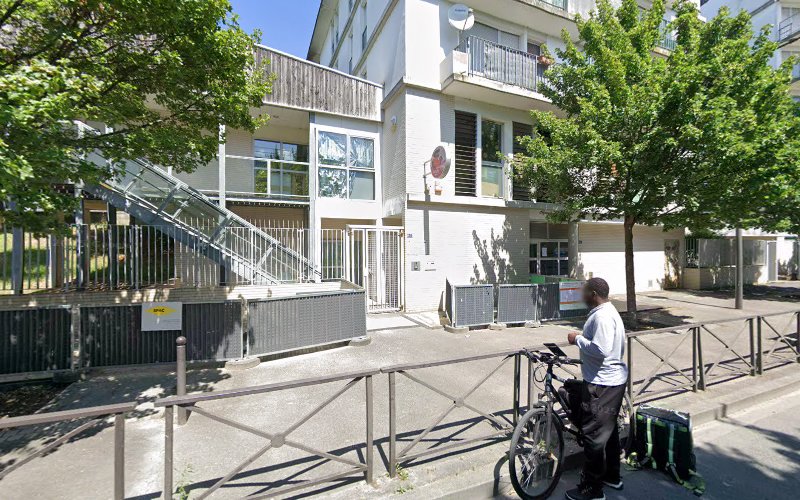
Composteur de quartier port à l’anglais
About Composteur de quartier port à l’anglais
Description
The Composteur de quartier port à l'anglais represents something quite special in the world of sustainable travel experiences - a grassroots community composting initiative that welcomes visitors to participate in local environmental stewardship. This isn't your typical tourist attraction, and honestly, that's exactly what makes it so compelling for travelers seeking authentic, meaningful connections with local communities.
Managed entirely by dedicated volunteers from the Port à l'Anglais neighborhood association, this community composting site operates as a living example of how residents can come together to tackle waste reduction at the local level. You'll find yourself in the company of passionate locals who genuinely care about their environmental impact, and they're more than happy to share their knowledge with curious visitors.
What strikes most travelers immediately is the welcoming atmosphere. The volunteers here understand that composting might seem intimidating if you've never done it before, so they've developed a really thoughtful approach to introducing newcomers. During their regular sessions, they'll walk you through the entire process, explaining not just the how but the why behind community composting efforts.
But here's what makes this place particularly interesting for travelers - it's not just about dropping off organic waste. The site has become a genuine community hub where neighbors gather, share gardening tips, and discuss broader sustainability practices. You might find yourself in conversations about urban farming, local food systems, or innovative waste reduction strategies that you can actually implement when you return home.
The composting operation itself is impressively organized for a volunteer-run initiative. They've established clear systems for different types of organic waste, and the volunteers are knowledgeable about what works best at different stages of the composting process. It's educational in ways that many traditional attractions simply can't match.
Key Features
This community composting site offers several distinctive features that make it particularly appealing to environmentally conscious travelers:
- Volunteer-led educational sessions that provide hands-on composting instruction
- Complete wheelchair accessibility, ensuring all visitors can participate regardless of mobility needs
- Family-friendly environment where children can learn about waste reduction and environmental stewardship
- Inclusive community space that actively welcomes LGBTQ+ visitors and maintains a safe, respectful atmosphere
- Regular scheduled sessions where community members gather to manage the composting process
- Opportunity to contribute your own organic waste from local market purchases or restaurant leftovers
- Connected hiking opportunities in the surrounding area for those interested in extended outdoor activities
- Long-term participation options for extended-stay visitors or those planning return visits
- Integration with broader neighborhood sustainability initiatives and community garden projects
- Authentic cultural exchange opportunities with local environmental activists and community organizers
Best Time to Visit
Timing your visit to the Composteur de quartier port à l'anglais requires understanding the rhythm of community volunteer schedules rather than traditional tourist seasons. The composting site operates during specific sessions when volunteers are present to assist visitors and manage the composting process.
Spring months tend to be particularly active, as this is when many community gardening projects are getting started for the year. You'll find volunteers especially enthusiastic during this period, as they're preparing compost for the growing season ahead. The energy is infectious, and there's often discussion about how the finished compost will be used in local gardening initiatives.
Summer visits offer the advantage of longer daylight hours and generally more comfortable working conditions. However, this is also when the composting process is most active due to warmer temperatures, so you'll get to see the decomposition process in full swing. Just be prepared for the more intense aromas that come with active composting during hot weather.
Fall can be one of the most educational times to visit, as this is typically when the site receives large quantities of organic matter from seasonal garden clean-ups and leaf collection. Volunteers are often demonstrating techniques for managing different types of organic waste, and you might learn about seasonal composting strategies.
Winter visits are definitely possible, though the pace of composting slows considerably in colder temperatures. However, this can actually be an advantage for newcomers, as volunteers have more time to provide detailed explanations and answer questions without the pressure of managing high volumes of organic waste.
Your best bet is to plan visits during the established volunteer sessions. These typically occur on specific days of the week, and showing up during these scheduled times ensures you'll have knowledgeable guides available to help you understand and participate in the process.
How to Get There
Getting to the Composteur de quartier port à l'anglais requires some local navigation skills, as this isn't a destination you'll find highlighted on typical tourist maps. The site is integrated into a residential neighborhood, which is part of its authentic appeal but does mean you need to plan your route carefully.
Public transportation serves the Port à l'Anglais area reasonably well, though you'll need to do some walking from the nearest stops. The local bus system connects to the neighborhood, and from there it's a matter of navigating residential streets to reach the composting site. I'd recommend downloading offline maps to your phone, as GPS signals can sometimes be spotty in dense residential areas.
If you're cycling, this is actually an excellent option for reaching the site. The neighborhood is generally bike-friendly, and arriving by bicycle fits perfectly with the environmental ethos of the composting project. Plus, you can easily stop at local markets on your way to pick up organic waste to contribute.
Walking from nearby accommodation can be quite pleasant, as it gives you a chance to observe the neighborhood and understand the local context for the composting initiative. The residential streets offer insights into local life that you simply can't get from more touristy areas.
For those with mobility concerns, it's worth noting that the site itself is wheelchair accessible. However, the surrounding neighborhood streets may have varying levels of accessibility, so it's worth checking your specific route in advance.
Parking can be limited in the residential area, so if you're driving, plan to park a short distance away and walk the final stretch. This also helps minimize disruption to the neighborhood where residents have graciously welcomed this community initiative.
Tips for Visiting
Making the most of your visit to the Composteur de quartier port à l'anglais requires a different approach than typical tourist attractions. First and foremost, remember that you're visiting a working community project run by volunteers who are sharing their time and knowledge freely.
Bring organic waste if you can - this isn't just welcomed, it's part of the experience. Stop at a local market beforehand and save your vegetable scraps, fruit peels, or coffee grounds. The volunteers appreciate contributions, and it gives you something concrete to add to the composting process. But make sure you understand what types of organic waste are accepted, as not all compostable materials work in every composting system.
Dress appropriately for outdoor work. You might find yourself handling organic materials or working with garden tools, so wear clothes you don't mind getting dirty. Closed-toe shoes are essential, and bringing work gloves isn't a bad idea, though volunteers often have extras available.
Come with genuine curiosity and respect for the volunteer effort. These aren't paid tour guides - they're community members passionate about environmental sustainability who are willing to share their knowledge with visitors. Ask questions, but also be prepared to listen and learn from their experiences.
If you're traveling with children, this can be an excellent educational opportunity. Kids often find the composting process fascinating, and the volunteers are generally great at explaining concepts in age-appropriate ways. Just make sure to supervise children around composting materials and tools.
Consider planning multiple visits if you're in the area for an extended stay. Composting is a process that unfolds over time, and returning to see how materials break down and transform can be incredibly educational. Some visitors even arrange to participate in the long-term program if they're staying in the area for weeks or months.
Bring a notebook or use your phone to jot down techniques and tips you learn. The volunteers often share methods you can adapt for your own composting efforts back home, and you'll want to remember the specific details they provide.
And finally, consider making a small donation to support the volunteer association's work. While participation is free, maintaining a community composting site involves ongoing costs for tools, materials, and maintenance. Your contribution helps ensure this valuable community resource continues to operate.
Key Features
- Volunteer-led educational sessions that provide hands-on composting instruction
- Complete wheelchair accessibility, ensuring all visitors can participate regardless of mobility needs
- Family-friendly environment where children can learn about waste reduction and environmental stewardship
- Inclusive community space that actively welcomes LGBTQ+ visitors and maintains a safe, respectful atmosphere
- Regular scheduled sessions where community members gather to manage the composting process
- Opportunity to contribute your own organic waste from local market purchases or restaurant leftovers
- Connected hiking opportunities in the surrounding area for those interested in extended outdoor activities
- Long-term participation options for extended-stay visitors or those planning return visits
More Details
Updated September 17, 2025
Table of Contents
- Description
- Key Features
- Best Time to Visit
- How to Get There
- Tips for Visiting
- Key Highlights
- Location
- Places to Stay Near Composteur de quartier port à l'anglais
- Find and Book a Tour
- Explore More Travel Guides
- Nearby Places You Might Like
- Traveler Reviews for Composteur de quartier port à l’anglais
- Share Your Experience
Description
The Composteur de quartier port à l’anglais represents something quite special in the world of sustainable travel experiences – a grassroots community composting initiative that welcomes visitors to participate in local environmental stewardship. This isn’t your typical tourist attraction, and honestly, that’s exactly what makes it so compelling for travelers seeking authentic, meaningful connections with local communities.
Managed entirely by dedicated volunteers from the Port à l’Anglais neighborhood association, this community composting site operates as a living example of how residents can come together to tackle waste reduction at the local level. You’ll find yourself in the company of passionate locals who genuinely care about their environmental impact, and they’re more than happy to share their knowledge with curious visitors.
What strikes most travelers immediately is the welcoming atmosphere. The volunteers here understand that composting might seem intimidating if you’ve never done it before, so they’ve developed a really thoughtful approach to introducing newcomers. During their regular sessions, they’ll walk you through the entire process, explaining not just the how but the why behind community composting efforts.
But here’s what makes this place particularly interesting for travelers – it’s not just about dropping off organic waste. The site has become a genuine community hub where neighbors gather, share gardening tips, and discuss broader sustainability practices. You might find yourself in conversations about urban farming, local food systems, or innovative waste reduction strategies that you can actually implement when you return home.
The composting operation itself is impressively organized for a volunteer-run initiative. They’ve established clear systems for different types of organic waste, and the volunteers are knowledgeable about what works best at different stages of the composting process. It’s educational in ways that many traditional attractions simply can’t match.
Key Features
This community composting site offers several distinctive features that make it particularly appealing to environmentally conscious travelers:
- Volunteer-led educational sessions that provide hands-on composting instruction
- Complete wheelchair accessibility, ensuring all visitors can participate regardless of mobility needs
- Family-friendly environment where children can learn about waste reduction and environmental stewardship
- Inclusive community space that actively welcomes LGBTQ+ visitors and maintains a safe, respectful atmosphere
- Regular scheduled sessions where community members gather to manage the composting process
- Opportunity to contribute your own organic waste from local market purchases or restaurant leftovers
- Connected hiking opportunities in the surrounding area for those interested in extended outdoor activities
- Long-term participation options for extended-stay visitors or those planning return visits
- Integration with broader neighborhood sustainability initiatives and community garden projects
- Authentic cultural exchange opportunities with local environmental activists and community organizers
Best Time to Visit
Timing your visit to the Composteur de quartier port à l’anglais requires understanding the rhythm of community volunteer schedules rather than traditional tourist seasons. The composting site operates during specific sessions when volunteers are present to assist visitors and manage the composting process.
Spring months tend to be particularly active, as this is when many community gardening projects are getting started for the year. You’ll find volunteers especially enthusiastic during this period, as they’re preparing compost for the growing season ahead. The energy is infectious, and there’s often discussion about how the finished compost will be used in local gardening initiatives.
Summer visits offer the advantage of longer daylight hours and generally more comfortable working conditions. However, this is also when the composting process is most active due to warmer temperatures, so you’ll get to see the decomposition process in full swing. Just be prepared for the more intense aromas that come with active composting during hot weather.
Fall can be one of the most educational times to visit, as this is typically when the site receives large quantities of organic matter from seasonal garden clean-ups and leaf collection. Volunteers are often demonstrating techniques for managing different types of organic waste, and you might learn about seasonal composting strategies.
Winter visits are definitely possible, though the pace of composting slows considerably in colder temperatures. However, this can actually be an advantage for newcomers, as volunteers have more time to provide detailed explanations and answer questions without the pressure of managing high volumes of organic waste.
Your best bet is to plan visits during the established volunteer sessions. These typically occur on specific days of the week, and showing up during these scheduled times ensures you’ll have knowledgeable guides available to help you understand and participate in the process.
How to Get There
Getting to the Composteur de quartier port à l’anglais requires some local navigation skills, as this isn’t a destination you’ll find highlighted on typical tourist maps. The site is integrated into a residential neighborhood, which is part of its authentic appeal but does mean you need to plan your route carefully.
Public transportation serves the Port à l’Anglais area reasonably well, though you’ll need to do some walking from the nearest stops. The local bus system connects to the neighborhood, and from there it’s a matter of navigating residential streets to reach the composting site. I’d recommend downloading offline maps to your phone, as GPS signals can sometimes be spotty in dense residential areas.
If you’re cycling, this is actually an excellent option for reaching the site. The neighborhood is generally bike-friendly, and arriving by bicycle fits perfectly with the environmental ethos of the composting project. Plus, you can easily stop at local markets on your way to pick up organic waste to contribute.
Walking from nearby accommodation can be quite pleasant, as it gives you a chance to observe the neighborhood and understand the local context for the composting initiative. The residential streets offer insights into local life that you simply can’t get from more touristy areas.
For those with mobility concerns, it’s worth noting that the site itself is wheelchair accessible. However, the surrounding neighborhood streets may have varying levels of accessibility, so it’s worth checking your specific route in advance.
Parking can be limited in the residential area, so if you’re driving, plan to park a short distance away and walk the final stretch. This also helps minimize disruption to the neighborhood where residents have graciously welcomed this community initiative.
Tips for Visiting
Making the most of your visit to the Composteur de quartier port à l’anglais requires a different approach than typical tourist attractions. First and foremost, remember that you’re visiting a working community project run by volunteers who are sharing their time and knowledge freely.
Bring organic waste if you can – this isn’t just welcomed, it’s part of the experience. Stop at a local market beforehand and save your vegetable scraps, fruit peels, or coffee grounds. The volunteers appreciate contributions, and it gives you something concrete to add to the composting process. But make sure you understand what types of organic waste are accepted, as not all compostable materials work in every composting system.
Dress appropriately for outdoor work. You might find yourself handling organic materials or working with garden tools, so wear clothes you don’t mind getting dirty. Closed-toe shoes are essential, and bringing work gloves isn’t a bad idea, though volunteers often have extras available.
Come with genuine curiosity and respect for the volunteer effort. These aren’t paid tour guides – they’re community members passionate about environmental sustainability who are willing to share their knowledge with visitors. Ask questions, but also be prepared to listen and learn from their experiences.
If you’re traveling with children, this can be an excellent educational opportunity. Kids often find the composting process fascinating, and the volunteers are generally great at explaining concepts in age-appropriate ways. Just make sure to supervise children around composting materials and tools.
Consider planning multiple visits if you’re in the area for an extended stay. Composting is a process that unfolds over time, and returning to see how materials break down and transform can be incredibly educational. Some visitors even arrange to participate in the long-term program if they’re staying in the area for weeks or months.
Bring a notebook or use your phone to jot down techniques and tips you learn. The volunteers often share methods you can adapt for your own composting efforts back home, and you’ll want to remember the specific details they provide.
And finally, consider making a small donation to support the volunteer association’s work. While participation is free, maintaining a community composting site involves ongoing costs for tools, materials, and maintenance. Your contribution helps ensure this valuable community resource continues to operate.
Key Highlights
- Volunteer-led educational sessions that provide hands-on composting instruction
- Complete wheelchair accessibility, ensuring all visitors can participate regardless of mobility needs
- Family-friendly environment where children can learn about waste reduction and environmental stewardship
- Inclusive community space that actively welcomes LGBTQ+ visitors and maintains a safe, respectful atmosphere
- Regular scheduled sessions where community members gather to manage the composting process
- Opportunity to contribute your own organic waste from local market purchases or restaurant leftovers
- Connected hiking opportunities in the surrounding area for those interested in extended outdoor activities
- Long-term participation options for extended-stay visitors or those planning return visits
Location
Places to Stay Near Composteur de quartier port à l'anglais
Find and Book a Tour
Explore More Travel Guides
No reviews found! Be the first to review!
Traveler Reviews for Composteur de quartier port à l’anglais
There are no reviews yet. Be the first one to write one.
Have you visited Composteur de quartier port à l’anglais? Help other travelers by sharing your review.
You Might Also Like
Résurgence de la Petite Saussaie
Centre de Loisirs de Vitry-sur-Seine ecole jules verne
Verger Garden
Find Accommodations Nearby
Recommended Tours & Activities
Visitor Reviews
There are no reviews yet. Be the first one to write one.
Share Your Experience
Have you visited Composteur de quartier port à l’anglais? Help other travelers by leaving a review.