
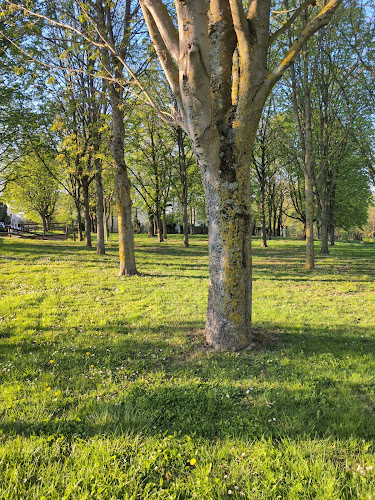
Résurgence de la Petite Saussaie
About Résurgence de la Petite Saussaie
Description
The Résurgence de la Petite Saussaie represents one of France's most fascinating urban renewal projects, where history literally springs back to life in Vitry-sur-Seine. After being buried underground for more than 90 years, this historic spring has been dramatically restored to create an extraordinary public garden that feels more like discovering a secret oasis than visiting a typical park. What makes this place genuinely special is how it tells the story of water returning to the city. The designers at paysarchitectures didn't just dig up an old spring - they created something that feels almost magical. Picture this: an aerial aqueduct that looks like modern sculpture, guiding water from the plateau down to the Seine valley, while willows rustle overhead just like they did when this area was still countryside. And honestly? It's the kind of place that makes you pause and think about how cities can honor their past while creating something entirely new. The name "Saussaie" itself means willow grove, and walking through the restored plantings, you'll understand why early settlers chose this exact spot. There's something deeply satisfying about seeing native willows thriving again where they once flourished centuries ago. The garden sits at the edge of Blondeaux park, transforming what was once an overlooked corner with a few neglected benches into a destination that draws visitors from across the region. Children love exploring the water features, while adults find themselves lingering longer than expected, watching the interplay between engineered water flow and natural vegetation. But here's what travel guides don't usually mention - this isn't your grandmother's municipal garden. The sculptural fountain system creates an almost theatrical experience as water moves through different levels and textures. Sometimes you hear it before you see it, which adds an element of discovery that keeps things interesting even on repeat visits.Key Features
The Résurgence de la Petite Saussaie offers several distinctive elements that set it apart from conventional urban gardens: • **Sculptural aqueduct system** - An innovative aerial water feature that functions both as functional infrastructure and contemporary art installation • **Historic spring restoration** - The actual resurrection of a natural water source buried since the 1930s • **Native willow plantings** - Authentic recreation of the original saulaie (willow grove) ecosystem that gave the area its name • **Multi-level water experience** - Water features designed for sight, sound, and tactile interaction • **Green corridor integration** - Strategic positioning as part of Vitry-sur-Seine's broader urban green network • **Family-friendly design** - Safe spaces for children to interact with water features while maintaining natural beauty • **Valley viewpoints** - Improved sightlines toward the Seine valley that were previously obscured • **Educational elements** - Subtle interpretive features that explain the site's agricultural and hydrological history • **Accessible pathways** - Modern accessibility improvements replacing the original narrow staircase access • **Seasonal interest** - Plantings selected to provide visual appeal throughout different times of yearBest Time to Visit
Spring through early autumn offers the most rewarding experience at Résurgence de la Petite Saussaie, though each season brings its own character to this unique space. May through September represents the sweet spot when both water features and plantings perform at their peak. Late spring, particularly May and June, might just be the perfect time for your visit. The willow trees unfurl their fresh green leaves, creating that classic impressionist painting atmosphere that makes you want to bring a sketchbook. Plus, the spring water flow tends to be most robust during this period, making the aqueduct system particularly impressive. Summer months work wonderfully for families - children can interact more comfortably with the water features, and the extended daylight hours mean you can explore the space thoroughly without feeling rushed. But honestly, mid-summer can get busy on weekends, so consider weekday visits if your schedule allows. Early autumn brings something special that many visitors miss. September and October showcase the willows' seasonal transition while maintaining comfortable temperatures for extended exploration. The contrast between the changing foliage and the constant water flow creates a contemplative atmosphere that's particularly appealing for photography enthusiasts. Winter visits aren't out of the question, especially during mild spells. The bare willow branches reveal the sculptural bones of the landscape design, and you'll practically have the place to yourself. Though the water features operate year-round, bundling up is definitely recommended. Weather-wise, avoiding visits immediately after heavy rainfall makes sense - not because the garden can't handle it, but because the pathways can become slippery and the water features may be temporarily adjusted for safety reasons.How to Get There
Reaching Résurgence de la Petite Saussaie requires a bit of planning, but the journey itself becomes part of the adventure, especially since you'll be exploring a lesser-known corner of the greater Paris region. Public transportation offers the most straightforward approach for most travelers. Take RER C to Vitry-sur-Seine station, then it's about a 15-minute walk through residential neighborhoods that give you a real feel for local life. The walk isn't particularly scenic, but it's safe and well-marked once you know the route. From central Paris, expect about 45 minutes door-to-door using public transport, which isn't bad considering you're traveling to what feels like a completely different world. Bus connections also serve the area, though routes can be less frequent on weekends. Driving works well if you're coming from outside Paris or planning to explore multiple sites in the Val-de-Marne area. Street parking is generally available in the surrounding residential streets, though finding spots directly adjacent to the garden requires some luck. The area isn't heavily touristed, so parking pressure isn't intense like you'd find near major Paris attractions. Cycling enthusiasts will appreciate that Vitry-sur-Seine connects to the broader Île-de-France cycling network. The route from central Paris follows relatively quiet streets once you cross the Seine, and bike parking near the garden is adequate though not extensive. GPS coordinates work reliably for the general area, but since this is still a relatively new attraction, some older navigation systems might not recognize the specific site name. Searching for "Rue de la Petite Saussaie, Vitry-sur-Seine" will get you close enough to walk the final stretch.Tips for Visiting
Planning your visit to Résurgence de la Petite Saussaie benefits from understanding this garden's unique character and setting. Unlike major tourist attractions with obvious infrastructure, this place rewards visitors who come prepared for a more authentic, local experience. Bring comfortable walking shoes with decent grip - the pathways include some sloped sections, and surfaces can be wet from both the water features and morning dew. Flip-flops might work in summer, but you'll appreciate having proper footwear when exploring the different levels of the garden. Photography enthusiasts should consider bringing a tripod for water motion shots, especially if you're interested in capturing the sculptural qualities of the aqueduct system. Early morning or late afternoon light creates the most dramatic effects as it filters through the willow canopy. Pack water and snacks since commercial facilities aren't immediately adjacent to the garden. This isn't necessarily a drawback - part of the site's charm comes from feeling removed from urban commercialization - but planning ahead prevents hangry disappointment. Children respond well to bringing small nets or containers for observing water flow patterns, though obviously nothing should be removed from the site. The water features are designed for interaction, so don't worry about kids getting slightly wet - it's part of the intended experience. Weather apps become particularly useful since the garden's appeal changes significantly with conditions. Light rain can actually enhance the atmospheric qualities, while strong winds might make the water features less enjoyable. Consider combining your visit with exploration of broader Vitry-sur-Seine, which has been undergoing significant urban renewal. The contrast between this peaceful garden and the surrounding contemporary architecture adds context that enriches the overall experience. Finally, respect the restoration work by staying on designated paths and avoiding damage to the plantings. This garden represents significant investment in urban ecological restoration, and its continued success depends on thoughtful visitor behavior. The local community takes genuine pride in this transformation, and showing appreciation through responsible tourism helps ensure its long-term preservation.Key Features
- Key Features
- Best Time to Visit
- How to Get There
- Tips for Visiting
More Details
Updated September 17, 2025
Table of Contents
Description
The Résurgence de la Petite Saussaie represents one of France’s most fascinating urban renewal projects, where history literally springs back to life in Vitry-sur-Seine. After being buried underground for more than 90 years, this historic spring has been dramatically restored to create an extraordinary public garden that feels more like discovering a secret oasis than visiting a typical park.
What makes this place genuinely special is how it tells the story of water returning to the city. The designers at paysarchitectures didn’t just dig up an old spring – they created something that feels almost magical. Picture this: an aerial aqueduct that looks like modern sculpture, guiding water from the plateau down to the Seine valley, while willows rustle overhead just like they did when this area was still countryside.
And honestly? It’s the kind of place that makes you pause and think about how cities can honor their past while creating something entirely new. The name “Saussaie” itself means willow grove, and walking through the restored plantings, you’ll understand why early settlers chose this exact spot. There’s something deeply satisfying about seeing native willows thriving again where they once flourished centuries ago.
The garden sits at the edge of Blondeaux park, transforming what was once an overlooked corner with a few neglected benches into a destination that draws visitors from across the region. Children love exploring the water features, while adults find themselves lingering longer than expected, watching the interplay between engineered water flow and natural vegetation.
But here’s what travel guides don’t usually mention – this isn’t your grandmother’s municipal garden. The sculptural fountain system creates an almost theatrical experience as water moves through different levels and textures. Sometimes you hear it before you see it, which adds an element of discovery that keeps things interesting even on repeat visits.
Key Features
The Résurgence de la Petite Saussaie offers several distinctive elements that set it apart from conventional urban gardens:
• **Sculptural aqueduct system** – An innovative aerial water feature that functions both as functional infrastructure and contemporary art installation
• **Historic spring restoration** – The actual resurrection of a natural water source buried since the 1930s
• **Native willow plantings** – Authentic recreation of the original saulaie (willow grove) ecosystem that gave the area its name
• **Multi-level water experience** – Water features designed for sight, sound, and tactile interaction
• **Green corridor integration** – Strategic positioning as part of Vitry-sur-Seine’s broader urban green network
• **Family-friendly design** – Safe spaces for children to interact with water features while maintaining natural beauty
• **Valley viewpoints** – Improved sightlines toward the Seine valley that were previously obscured
• **Educational elements** – Subtle interpretive features that explain the site’s agricultural and hydrological history
• **Accessible pathways** – Modern accessibility improvements replacing the original narrow staircase access
• **Seasonal interest** – Plantings selected to provide visual appeal throughout different times of year
Best Time to Visit
Spring through early autumn offers the most rewarding experience at Résurgence de la Petite Saussaie, though each season brings its own character to this unique space. May through September represents the sweet spot when both water features and plantings perform at their peak.
Late spring, particularly May and June, might just be the perfect time for your visit. The willow trees unfurl their fresh green leaves, creating that classic impressionist painting atmosphere that makes you want to bring a sketchbook. Plus, the spring water flow tends to be most robust during this period, making the aqueduct system particularly impressive.
Summer months work wonderfully for families – children can interact more comfortably with the water features, and the extended daylight hours mean you can explore the space thoroughly without feeling rushed. But honestly, mid-summer can get busy on weekends, so consider weekday visits if your schedule allows.
Early autumn brings something special that many visitors miss. September and October showcase the willows’ seasonal transition while maintaining comfortable temperatures for extended exploration. The contrast between the changing foliage and the constant water flow creates a contemplative atmosphere that’s particularly appealing for photography enthusiasts.
Winter visits aren’t out of the question, especially during mild spells. The bare willow branches reveal the sculptural bones of the landscape design, and you’ll practically have the place to yourself. Though the water features operate year-round, bundling up is definitely recommended.
Weather-wise, avoiding visits immediately after heavy rainfall makes sense – not because the garden can’t handle it, but because the pathways can become slippery and the water features may be temporarily adjusted for safety reasons.
How to Get There
Reaching Résurgence de la Petite Saussaie requires a bit of planning, but the journey itself becomes part of the adventure, especially since you’ll be exploring a lesser-known corner of the greater Paris region.
Public transportation offers the most straightforward approach for most travelers. Take RER C to Vitry-sur-Seine station, then it’s about a 15-minute walk through residential neighborhoods that give you a real feel for local life. The walk isn’t particularly scenic, but it’s safe and well-marked once you know the route.
From central Paris, expect about 45 minutes door-to-door using public transport, which isn’t bad considering you’re traveling to what feels like a completely different world. Bus connections also serve the area, though routes can be less frequent on weekends.
Driving works well if you’re coming from outside Paris or planning to explore multiple sites in the Val-de-Marne area. Street parking is generally available in the surrounding residential streets, though finding spots directly adjacent to the garden requires some luck. The area isn’t heavily touristed, so parking pressure isn’t intense like you’d find near major Paris attractions.
Cycling enthusiasts will appreciate that Vitry-sur-Seine connects to the broader Île-de-France cycling network. The route from central Paris follows relatively quiet streets once you cross the Seine, and bike parking near the garden is adequate though not extensive.
GPS coordinates work reliably for the general area, but since this is still a relatively new attraction, some older navigation systems might not recognize the specific site name. Searching for “Rue de la Petite Saussaie, Vitry-sur-Seine” will get you close enough to walk the final stretch.
Tips for Visiting
Planning your visit to Résurgence de la Petite Saussaie benefits from understanding this garden’s unique character and setting. Unlike major tourist attractions with obvious infrastructure, this place rewards visitors who come prepared for a more authentic, local experience.
Bring comfortable walking shoes with decent grip – the pathways include some sloped sections, and surfaces can be wet from both the water features and morning dew. Flip-flops might work in summer, but you’ll appreciate having proper footwear when exploring the different levels of the garden.
Photography enthusiasts should consider bringing a tripod for water motion shots, especially if you’re interested in capturing the sculptural qualities of the aqueduct system. Early morning or late afternoon light creates the most dramatic effects as it filters through the willow canopy.
Pack water and snacks since commercial facilities aren’t immediately adjacent to the garden. This isn’t necessarily a drawback – part of the site’s charm comes from feeling removed from urban commercialization – but planning ahead prevents hangry disappointment.
Children respond well to bringing small nets or containers for observing water flow patterns, though obviously nothing should be removed from the site. The water features are designed for interaction, so don’t worry about kids getting slightly wet – it’s part of the intended experience.
Weather apps become particularly useful since the garden’s appeal changes significantly with conditions. Light rain can actually enhance the atmospheric qualities, while strong winds might make the water features less enjoyable.
Consider combining your visit with exploration of broader Vitry-sur-Seine, which has been undergoing significant urban renewal. The contrast between this peaceful garden and the surrounding contemporary architecture adds context that enriches the overall experience.
Finally, respect the restoration work by staying on designated paths and avoiding damage to the plantings. This garden represents significant investment in urban ecological restoration, and its continued success depends on thoughtful visitor behavior. The local community takes genuine pride in this transformation, and showing appreciation through responsible tourism helps ensure its long-term preservation.
Key Highlights
- Key Features
- Best Time to Visit
- How to Get There
- Tips for Visiting
Location
Places to Stay Near Résurgence de la Petite Saussaie
Find and Book a Tour
Explore More Travel Guides
No reviews found! Be the first to review!
Traveler Reviews for Résurgence de la Petite Saussaie
There are no reviews yet. Be the first one to write one.
Have you visited Résurgence de la Petite Saussaie? Help other travelers by sharing your review.
You Might Also Like
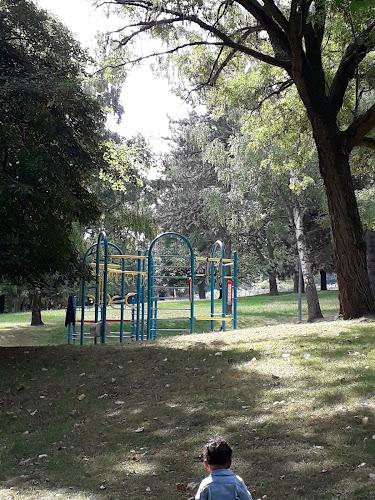
Parc des Blondeaux
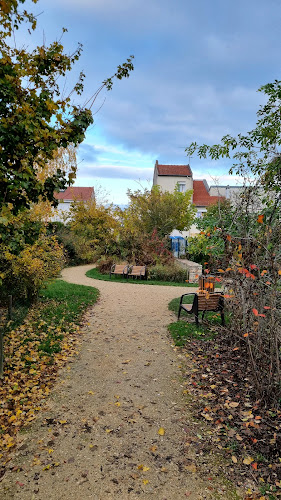
Verger Garden
Composteur de quartier port à l'anglais
Find Accommodations Nearby
Recommended Tours & Activities
Visitor Reviews
There are no reviews yet. Be the first one to write one.
Share Your Experience
Have you visited Résurgence de la Petite Saussaie? Help other travelers by leaving a review.