
Partagé & Jardin Des Merveilles Garden
About Partagé & Jardin Des Merveilles Garden
Description
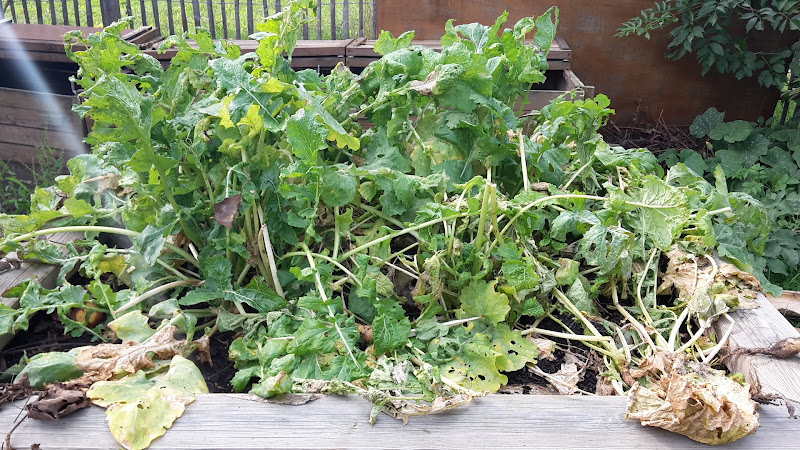
The Partagé & Jardin Des Merveilles Garden in Vitry-sur-Seine, France, feels like the kind of place where city life pauses for a deep breath. It’s not some perfectly polished, overly manicured park—thankfully. Instead, it carries the spirit of collaboration, an authentic sense of community rooted in the everyday joys of growing things and recognizing nature’s quiet rhythms. This garden stands as a true example of what a jardin partagé—a shared garden—can mean for modern urban spaces. You can actually feel the difference when you walk through its green pathways: there’s laughter, conversation, and the slow, earthy smell of soil being turned. It isn’t just a spot for plants; it’s something more personal, an exchange between people, seasons, and soil.
Sitting quietly in the southern ring of the Paris metropolitan area, this garden serves as a soft counterpoint to the industrial soul of Vitry-sur-Seine. Here, fruit bushes, vegetables, wildflowers, and herbs are grown side by side, with a beautifully unpredictable order. Many visitors are surprised by how naturally the space blends artistic expression and natural life. There are hand-painted garden signs, makeshift sculptures created from repurposed materials, and tiny installations tucked between shrubs, all of which reflect Vitry’s strong cultural connection with art and creativity. Personally, the first time I wandered in, I found myself resting under a wooden pergola shaded by climbing beans. It wasn’t grand, but it was genuine, and that’s what makes the place stay with you.
The garden is inclusive too, something I particularly admire. Accessibility for wheelchairs is well considered with open paths that feel inviting to everyone, and children thrive here—both figuratively and literally. There’s always a small group of kids somewhere, exploring insects or watering patches of lettuce with careful seriousness. You don’t often find urban gardens so alive with interaction between generations. This space, in its gentle way, restores something we’ve lost in the city grind: time to observe, to listen, and to simply exist among growing things.
Key Features
- Community Gardening: The soul of the Partagé & Jardin Des Merveilles Garden lies in its shared design. Residents and volunteers collectively manage the plots, fostering connections and sharing both harvests and stories.
- Educational Spaces: Workshops and informal learning sessions about sustainable gardening, composting, and biodiversity often take place. These sessions are especially engaging for families and newcomers to eco-friendly practices.
- Artistic Installations: Local artists frequently contribute pieces, transforming the garden into a sort of open-air gallery. Sculptures, mosaics, and murals give it a curious, almost whimsical character.
- Accessible Paths: The garden includes wide, gently graded paths suitable for wheelchair users and those with limited mobility, making it genuinely inclusive.
- Children’s Corners: Small play spaces and hands-on planting areas encourage young visitors to interact with nature directly rather than simply observe it.
- Seasonal Events: Throughout spring and summer, visitors may stumble upon community picnics, plant swaps, or quiet evening gatherings centered on shared food and conversation.
- Pollinator-Friendly Design: Flowering borders attract bees and butterflies, creating an ecosystem that hums gently with life and highlights biodiversity in action.
One of the most charming little things about this garden is its imperfections. It doesn’t try to be pristine; in truth, that rough-around-the-edges look—where ivy creeps a bit too far or a bench slightly leans—actually adds character. The place feels lived-in, loved, and real. Visitors often find that the longer they linger, the more details reveal themselves—the sound of wind slipping through trellises, the gentle thrum of bees, or the kindness of a stranger offering you fresh mint. It’s these small interactions that make it stand out from most botanical gardens, which can sometimes feel too formal for genuine connection.
Best Time to Visit
If there’s one thing every seasoned traveler learns, it’s that gardens have moods, and the Partagé & Jardin Des Merveilles Garden shifts beautifully with the seasons. Springtime, of course, is magical. Late April through June is when colors riot through the landscape—tulips giving way to lilacs, then herbs bursting into flower. During this period, you can practically smell renewal in the air, and every path feels alive. Early morning hours tend to be peaceful, with dew still clinging to leaves and the air fresh enough to wake you better than any espresso.
Summer brings warmth and a touch of bohemian chaos. Vegetables climb higher than you’d think possible, and the community gathers for outdoor meals that stretch into the golden evening. This is also when the social life of the garden is at its busiest; expect laughter, conversations in multiple languages, and the occasional music drifting softly from a nearby street. If you prefer a quieter experience, early autumn is an underrated gem. The garden colors shift toward warm oranges and browns, and the sunsets seem to linger longer. It’s contemplative and grounding in a way city experiences seldom are.
Winter, though quieter, holds its own kind of beauty. The bare branches and resting soil show the bones of the garden’s structure. Personally, I love visiting when the air is crisp—it’s a reminder that even in stillness, life persists beneath the surface. Just bundle up, bring a thermos of coffee, and you’ll have the space nearly to yourself.
How to Get There
Vitry-sur-Seine sits in the southern outskirts of Paris, making the garden an easy side trip for anyone exploring the city’s wider cultural fabric. The easiest route is by regional train or RER, which connects central Paris to this suburb in less than half an hour. Once in Vitry-sur-Seine, you can reach the garden by a short walk or local bus. And yes, if you’re a fan of cycling like I am, you’ll find that the area is bike-friendly, with decent signage and smooth paths tracing the Seine. Those coming by car will find moderate local parking; it’s not abundant, but manageable if you plan ahead.
The charm of traveling to this location lies in its simplicity—it’s not overrun by crowds or tourist buses. You really get the sense of discovering something a little secret, tucked into an everyday neighborhood that has its own rhythm and warmth. Just follow the subtle hints of greenery amidst concrete, and soon you’ll find yourself stepping through a gate into quietness and color.
Tips for Visiting
Alright, here’s where a bit of practical advice comes in handy. First, keep in mind that the Partagé & Jardin Des Merveilles Garden is not a conventional tourist attraction—it thrives because locals treat it as part of their shared home. So be respectful: stay on paths, avoid picking plants without permission, and if someone offers you participation in a community activity, take it! It’s the perfect way to learn about everyday French life beyond the typical museum circuit.
Wear comfortable shoes, especially if you plan to wander for a while. The terrain is mostly flat, but there are some uneven spots that tell the story of how organically the place has grown. Bringing a small snack or picnic is a great idea, especially in warmer months. There are benches and casual seating where you can sit quietly, enjoy the hum of nature, and maybe even chat with a gardener or two. They often have wonderful insight into what’s blooming or how certain plants are used in local cuisine—it’s a subtle merging of gardening and gastronomy that feels so French in the best way possible.
If you’re bringing children, let them explore. They’ll love the small nooks and vegetable plots, and most locals welcome kids getting their hands dirty planting seeds. For photographers, this place is heaven—every corner tells a story, especially during late afternoon when sunlight cuts through vines and throws beautiful shadows over the walkways. And don’t rush your visit. The beauty of the garden comes alive slowly, in the rhythm of observation and interaction. Spend an hour, maybe two, and watch life unfold quietly around you.
Finally, consider timing your visit during one of the garden’s community events. They’re informal but heartwarming occasions—think homemade food shared on long tables, gentle laughter, and the unforgettable experience of being part of authentic local life. Between the rows of growing plants and soft chatter of people who care deeply about this green breathing space, you’ll feel something profoundly simple yet rare: connection.
So whether you’re a traveler looking for a moment of calm near Paris, a gardener hunting for inspiration, or just someone who enjoys discovering the real pulse of a neighborhood, the Partagé & Jardin Des Merveilles Garden offers that and more. It’s the kind of place you return to—not because it dazzles you with grandeur, but because it quietly feels like home.
Key Features
- Key Features
- Best Time to Visit
- How to Get There
- Tips for Visiting
More Details
Updated October 20, 2025
Table of Contents The Partagé & Jardin Des Merveilles Garden in Vitry-sur-Seine, France, feels like the kind of place where city life pauses for a deep breath. It’s not some perfectly polished, overly manicured park—thankfully. Instead, it carries the spirit of collaboration, an authentic sense of community rooted in the everyday joys of growing things and recognizing nature’s quiet rhythms. This garden stands as a true example of what a jardin partagé—a shared garden—can mean for modern urban spaces. You can actually feel the difference when you walk through its green pathways: there’s laughter, conversation, and the slow, earthy smell of soil being turned. It isn’t just a spot for plants; it’s something more personal, an exchange between people, seasons, and soil. Sitting quietly in the southern ring of the Paris metropolitan area, this garden serves as a soft counterpoint to the industrial soul of Vitry-sur-Seine. Here, fruit bushes, vegetables, wildflowers, and herbs are grown side by side, with a beautifully unpredictable order. Many visitors are surprised by how naturally the space blends artistic expression and natural life. There are hand-painted garden signs, makeshift sculptures created from repurposed materials, and tiny installations tucked between shrubs, all of which reflect Vitry’s strong cultural connection with art and creativity. Personally, the first time I wandered in, I found myself resting under a wooden pergola shaded by climbing beans. It wasn’t grand, but it was genuine, and that’s what makes the place stay with you. The garden is inclusive too, something I particularly admire. Accessibility for wheelchairs is well considered with open paths that feel inviting to everyone, and children thrive here—both figuratively and literally. There’s always a small group of kids somewhere, exploring insects or watering patches of lettuce with careful seriousness. You don’t often find urban gardens so alive with interaction between generations. This space, in its gentle way, restores something we’ve lost in the city grind: time to observe, to listen, and to simply exist among growing things. One of the most charming little things about this garden is its imperfections. It doesn’t try to be pristine; in truth, that rough-around-the-edges look—where ivy creeps a bit too far or a bench slightly leans—actually adds character. The place feels lived-in, loved, and real. Visitors often find that the longer they linger, the more details reveal themselves—the sound of wind slipping through trellises, the gentle thrum of bees, or the kindness of a stranger offering you fresh mint. It’s these small interactions that make it stand out from most botanical gardens, which can sometimes feel too formal for genuine connection. If there’s one thing every seasoned traveler learns, it’s that gardens have moods, and the Partagé & Jardin Des Merveilles Garden shifts beautifully with the seasons. Springtime, of course, is magical. Late April through June is when colors riot through the landscape—tulips giving way to lilacs, then herbs bursting into flower. During this period, you can practically smell renewal in the air, and every path feels alive. Early morning hours tend to be peaceful, with dew still clinging to leaves and the air fresh enough to wake you better than any espresso. Summer brings warmth and a touch of bohemian chaos. Vegetables climb higher than you’d think possible, and the community gathers for outdoor meals that stretch into the golden evening. This is also when the social life of the garden is at its busiest; expect laughter, conversations in multiple languages, and the occasional music drifting softly from a nearby street. If you prefer a quieter experience, early autumn is an underrated gem. The garden colors shift toward warm oranges and browns, and the sunsets seem to linger longer. It’s contemplative and grounding in a way city experiences seldom are. Winter, though quieter, holds its own kind of beauty. The bare branches and resting soil show the bones of the garden’s structure. Personally, I love visiting when the air is crisp—it’s a reminder that even in stillness, life persists beneath the surface. Just bundle up, bring a thermos of coffee, and you’ll have the space nearly to yourself. Vitry-sur-Seine sits in the southern outskirts of Paris, making the garden an easy side trip for anyone exploring the city’s wider cultural fabric. The easiest route is by regional train or RER, which connects central Paris to this suburb in less than half an hour. Once in Vitry-sur-Seine, you can reach the garden by a short walk or local bus. And yes, if you’re a fan of cycling like I am, you’ll find that the area is bike-friendly, with decent signage and smooth paths tracing the Seine. Those coming by car will find moderate local parking; it’s not abundant, but manageable if you plan ahead. The charm of traveling to this location lies in its simplicity—it’s not overrun by crowds or tourist buses. You really get the sense of discovering something a little secret, tucked into an everyday neighborhood that has its own rhythm and warmth. Just follow the subtle hints of greenery amidst concrete, and soon you’ll find yourself stepping through a gate into quietness and color. Alright, here’s where a bit of practical advice comes in handy. First, keep in mind that the Partagé & Jardin Des Merveilles Garden is not a conventional tourist attraction—it thrives because locals treat it as part of their shared home. So be respectful: stay on paths, avoid picking plants without permission, and if someone offers you participation in a community activity, take it! It’s the perfect way to learn about everyday French life beyond the typical museum circuit. Wear comfortable shoes, especially if you plan to wander for a while. The terrain is mostly flat, but there are some uneven spots that tell the story of how organically the place has grown. Bringing a small snack or picnic is a great idea, especially in warmer months. There are benches and casual seating where you can sit quietly, enjoy the hum of nature, and maybe even chat with a gardener or two. They often have wonderful insight into what’s blooming or how certain plants are used in local cuisine—it’s a subtle merging of gardening and gastronomy that feels so French in the best way possible. If you’re bringing children, let them explore. They’ll love the small nooks and vegetable plots, and most locals welcome kids getting their hands dirty planting seeds. For photographers, this place is heaven—every corner tells a story, especially during late afternoon when sunlight cuts through vines and throws beautiful shadows over the walkways. And don’t rush your visit. The beauty of the garden comes alive slowly, in the rhythm of observation and interaction. Spend an hour, maybe two, and watch life unfold quietly around you. Finally, consider timing your visit during one of the garden’s community events. They’re informal but heartwarming occasions—think homemade food shared on long tables, gentle laughter, and the unforgettable experience of being part of authentic local life. Between the rows of growing plants and soft chatter of people who care deeply about this green breathing space, you’ll feel something profoundly simple yet rare: connection. So whether you’re a traveler looking for a moment of calm near Paris, a gardener hunting for inspiration, or just someone who enjoys discovering the real pulse of a neighborhood, the Partagé & Jardin Des Merveilles Garden offers that and more. It’s the kind of place you return to—not because it dazzles you with grandeur, but because it quietly feels like home.Description
Key Features
Best Time to Visit
How to Get There
Tips for Visiting
Key Highlights
- Key Features
- Best Time to Visit
- How to Get There
- Tips for Visiting
Location
Places to Stay Near Partagé & Jardin Des Merveilles Garden
Find and Book a Tour
Explore More Travel Guides
No reviews found! Be the first to review!
Traveler Reviews for Partagé & Jardin Des Merveilles Garden
There are no reviews yet. Be the first one to write one.
Have you visited Partagé & Jardin Des Merveilles Garden? Help other travelers by sharing your review.
You Might Also Like
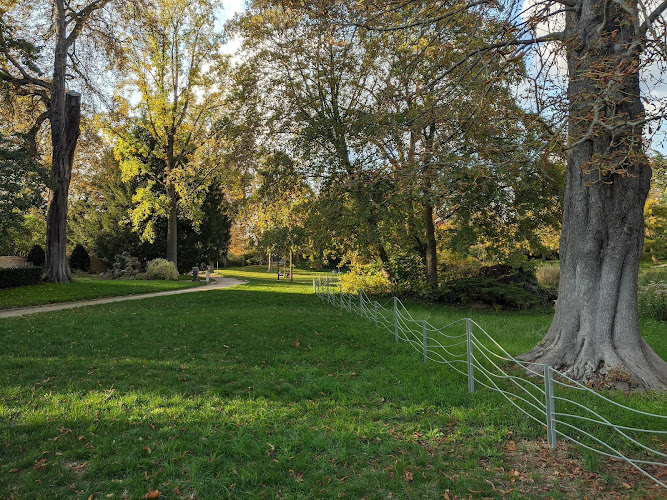
Parc Frédéric Joliot Curie
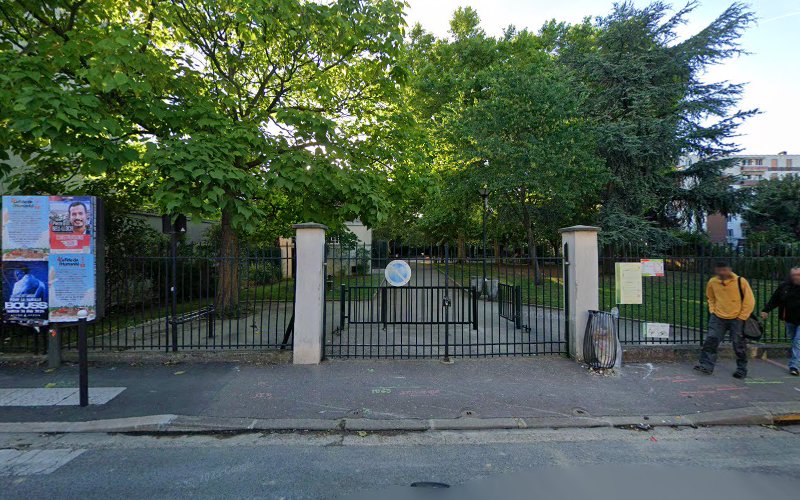
Square Gabriel-Péri
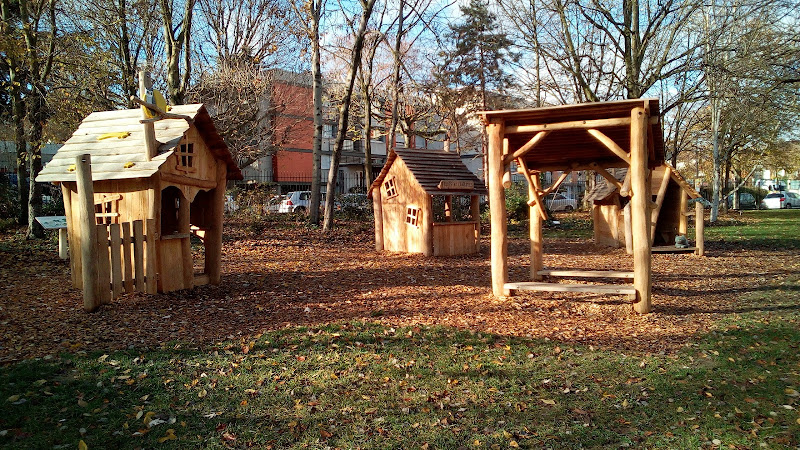
Park Coteau - Marcel-Rosette
Find Accommodations Nearby
Recommended Tours & Activities
Visitor Reviews
There are no reviews yet. Be the first one to write one.
Share Your Experience
Have you visited Partagé & Jardin Des Merveilles Garden? Help other travelers by leaving a review.