
Cahit Sitki Taranci House Cultural Museum
About Cahit Sitki Taranci House Cultural Museum
Description
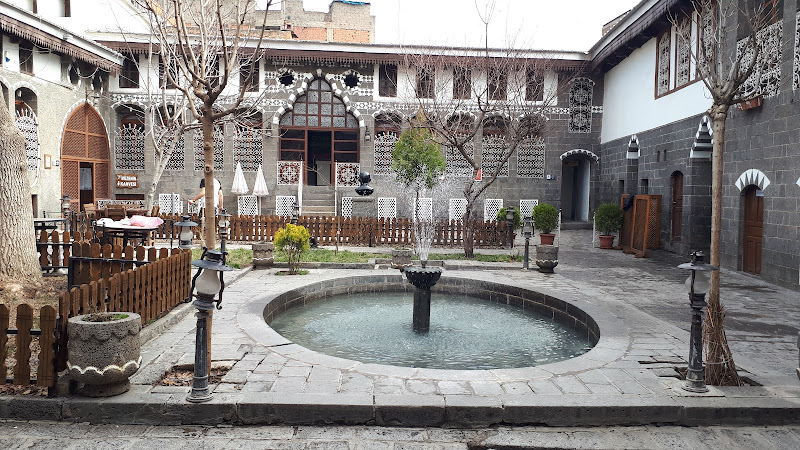
The Cahit Sitki Taranci House Cultural Museum in Diyarbakır is more than just another stop on a sightseeing itinerary—it’s a glimpse into the life of one of Turkey’s most beloved poets. Built back in the 18th century, this two-story basalt stone house carries the weight of centuries, yet it feels surprisingly warm and personal once you step inside. Visitors often remark on how the museum doesn’t just display objects; it tells a story. And that’s the real charm here—you’re not just looking at old furniture or dusty manuscripts, you’re walking through the childhood home of a man whose words shaped Turkish literature.
The museum has its quirks, of course. Some corners feel a little bare, and you might find yourself wishing for more English-language explanations if you’re not fluent in Turkish. But honestly, that’s part of the experience—it pushes you to slow down, to observe the details in the architecture, the textures of the basalt stone, the way sunlight filters into the rooms. And if you’ve ever read his famous poem about turning 35, standing in the very house where he grew up adds a layer of intimacy you can’t get from a book.
It’s not a flashy museum, and that’s exactly why it works. Instead of overwhelming you with endless exhibits, it gives you space to reflect. Some visitors breeze through in 20 minutes, others linger for hours, especially in the main room where Cahit Sitki Taranci was born. The feedback is generally glowing, though like anywhere, not everyone leaves impressed. Still, if you’re the kind of traveler who values atmosphere and history over glitzy displays, you’ll find this place quietly unforgettable.
Key Features
- Historic two-story house built in 1733, showcasing traditional Diyarbakır architecture
- Personal belongings of Cahit Sitki Taranci, including manuscripts, photographs, and household items
- Spacious courtyard offering a peaceful pause from the busy streets outside
- Wheelchair-accessible restroom and family-friendly facilities
- Free street parking nearby, making it convenient for drivers
- Located just steps away from Diyarbakır’s Grand Mosque, perfect for combining visits
Best Time to Visit
If you ask me, the best time to step into the museum is during spring or autumn. Diyarbakır summers can be scorching, and while the thick stone walls do keep the house relatively cool, wandering the streets outside in 40°C heat isn’t exactly pleasant. Spring, on the other hand, brings mild weather and blooming courtyards, which makes the whole experience feel lighter and more inviting. Autumn has its own charm too—the air cools down, the crowds thin out, and you can take your time without feeling rushed.
Weekdays are generally quieter, which I personally prefer. You’ll actually hear your footsteps echo in the hallways and feel like you’ve got the place to yourself. Weekends tend to draw more local families, which can be lively and fun if you enjoy that energy, but less so if you’re after solitude.
How to Get There
The museum sits right in the heart of Diyarbakır’s Sur district, not far from the city’s iconic Grand Mosque. If you’re staying in the old town, you can easily walk there—it’s one of those places that feels like it’s hiding in plain sight. For those coming from further out, taxis are affordable and straightforward, and most drivers know the museum by name. Public buses also run through the area, though if you’re not familiar with the routes, a taxi will save you the headache.
Driving is possible too, since there’s free street parking nearby, but navigating Diyarbakır’s narrow lanes can test your patience. Personally, I’d leave the car behind and just wander on foot—it’s the best way to soak up the atmosphere of the old city.
Tips for Visiting
Here’s a handful of things I wish I’d known before my first visit. First, don’t rush. The museum itself isn’t huge, but it rewards slow exploration. Pause in the courtyard, notice the details in the stonework, and let yourself imagine what life here was like centuries ago. Second, if you’re not fluent in Turkish, consider reading a little about Cahit Sitki Taranci before you go. It’ll give you context that makes the displays much more meaningful.
Bring a bottle of water, especially in summer, since there’s no café or restaurant inside. The restroom facilities are clean and accessible, which is always a relief when traveling. And if you’re traveling with kids, don’t hesitate to bring them along—the open spaces and simple layout make it surprisingly child-friendly.
One last thing: don’t be afraid to chat with the staff. Even if you don’t share a language, their enthusiasm is contagious. On my last visit, a guide proudly pointed out the room where Taranci was born, and even though my Turkish is clumsy at best, I could feel the pride in his voice. It reminded me that museums aren’t just about objects—they’re about people, stories, and connections. And that’s exactly what makes this one worth your time.
Key Features
- Historic two-story house built in 1733, showcasing traditional Diyarbakır architecture
- Personal belongings of Cahit Sitki Taranci, including manuscripts, photographs, and household items
- Spacious courtyard offering a peaceful pause from the busy streets outside
- Wheelchair-accessible restroom and family-friendly facilities
- Free street parking nearby, making it convenient for drivers
- Located just steps away from Diyarbakır’s Grand Mosque, perfect for combining visits
More Details
Updated September 10, 2025
Table of Contents
- Description
- Key Features
- Best Time to Visit
- How to Get There
- Tips for Visiting
- Key Highlights
- Location
- Places to Stay Near Cahit Sitki Taranci House Cultural Museum
- Find and Book a Tour
- Explore More Travel Guides
- Nearby Places You Might Like
- Traveler Reviews for Cahit Sitki Taranci House Cultural Museum
- Share Your Experience
Description
The Cahit Sitki Taranci House Cultural Museum in Diyarbakır is more than just another stop on a sightseeing itinerary—it’s a glimpse into the life of one of Turkey’s most beloved poets. Built back in the 18th century, this two-story basalt stone house carries the weight of centuries, yet it feels surprisingly warm and personal once you step inside. Visitors often remark on how the museum doesn’t just display objects; it tells a story. And that’s the real charm here—you’re not just looking at old furniture or dusty manuscripts, you’re walking through the childhood home of a man whose words shaped Turkish literature.
The museum has its quirks, of course. Some corners feel a little bare, and you might find yourself wishing for more English-language explanations if you’re not fluent in Turkish. But honestly, that’s part of the experience—it pushes you to slow down, to observe the details in the architecture, the textures of the basalt stone, the way sunlight filters into the rooms. And if you’ve ever read his famous poem about turning 35, standing in the very house where he grew up adds a layer of intimacy you can’t get from a book.
It’s not a flashy museum, and that’s exactly why it works. Instead of overwhelming you with endless exhibits, it gives you space to reflect. Some visitors breeze through in 20 minutes, others linger for hours, especially in the main room where Cahit Sitki Taranci was born. The feedback is generally glowing, though like anywhere, not everyone leaves impressed. Still, if you’re the kind of traveler who values atmosphere and history over glitzy displays, you’ll find this place quietly unforgettable.
Key Features
- Historic two-story house built in 1733, showcasing traditional Diyarbakır architecture
- Personal belongings of Cahit Sitki Taranci, including manuscripts, photographs, and household items
- Spacious courtyard offering a peaceful pause from the busy streets outside
- Wheelchair-accessible restroom and family-friendly facilities
- Free street parking nearby, making it convenient for drivers
- Located just steps away from Diyarbakır’s Grand Mosque, perfect for combining visits
Best Time to Visit
If you ask me, the best time to step into the museum is during spring or autumn. Diyarbakır summers can be scorching, and while the thick stone walls do keep the house relatively cool, wandering the streets outside in 40°C heat isn’t exactly pleasant. Spring, on the other hand, brings mild weather and blooming courtyards, which makes the whole experience feel lighter and more inviting. Autumn has its own charm too—the air cools down, the crowds thin out, and you can take your time without feeling rushed.
Weekdays are generally quieter, which I personally prefer. You’ll actually hear your footsteps echo in the hallways and feel like you’ve got the place to yourself. Weekends tend to draw more local families, which can be lively and fun if you enjoy that energy, but less so if you’re after solitude.
How to Get There
The museum sits right in the heart of Diyarbakır’s Sur district, not far from the city’s iconic Grand Mosque. If you’re staying in the old town, you can easily walk there—it’s one of those places that feels like it’s hiding in plain sight. For those coming from further out, taxis are affordable and straightforward, and most drivers know the museum by name. Public buses also run through the area, though if you’re not familiar with the routes, a taxi will save you the headache.
Driving is possible too, since there’s free street parking nearby, but navigating Diyarbakır’s narrow lanes can test your patience. Personally, I’d leave the car behind and just wander on foot—it’s the best way to soak up the atmosphere of the old city.
Tips for Visiting
Here’s a handful of things I wish I’d known before my first visit. First, don’t rush. The museum itself isn’t huge, but it rewards slow exploration. Pause in the courtyard, notice the details in the stonework, and let yourself imagine what life here was like centuries ago. Second, if you’re not fluent in Turkish, consider reading a little about Cahit Sitki Taranci before you go. It’ll give you context that makes the displays much more meaningful.
Bring a bottle of water, especially in summer, since there’s no café or restaurant inside. The restroom facilities are clean and accessible, which is always a relief when traveling. And if you’re traveling with kids, don’t hesitate to bring them along—the open spaces and simple layout make it surprisingly child-friendly.
One last thing: don’t be afraid to chat with the staff. Even if you don’t share a language, their enthusiasm is contagious. On my last visit, a guide proudly pointed out the room where Taranci was born, and even though my Turkish is clumsy at best, I could feel the pride in his voice. It reminded me that museums aren’t just about objects—they’re about people, stories, and connections. And that’s exactly what makes this one worth your time.
Key Highlights
- Historic two-story house built in 1733, showcasing traditional Diyarbakır architecture
- Personal belongings of Cahit Sitki Taranci, including manuscripts, photographs, and household items
- Spacious courtyard offering a peaceful pause from the busy streets outside
- Wheelchair-accessible restroom and family-friendly facilities
- Free street parking nearby, making it convenient for drivers
- Located just steps away from Diyarbakır’s Grand Mosque, perfect for combining visits
Location
Places to Stay Near Cahit Sitki Taranci House Cultural Museum
Find and Book a Tour
Explore More Travel Guides
No reviews found! Be the first to review!
Traveler Reviews for Cahit Sitki Taranci House Cultural Museum
There are no reviews yet. Be the first one to write one.
Have you visited Cahit Sitki Taranci House Cultural Museum? Help other travelers by sharing your review.
You Might Also Like

Kemeraltı Mosque

Namık Kemal House Museum
Ancient Alexandria (Çankaya)
Find Accommodations Nearby
Recommended Tours & Activities
Visitor Reviews
There are no reviews yet. Be the first one to write one.
Share Your Experience
Have you visited Cahit Sitki Taranci House Cultural Museum? Help other travelers by leaving a review.