
Kunstmuseum Reutlingen
About Kunstmuseum Reutlingen
Description
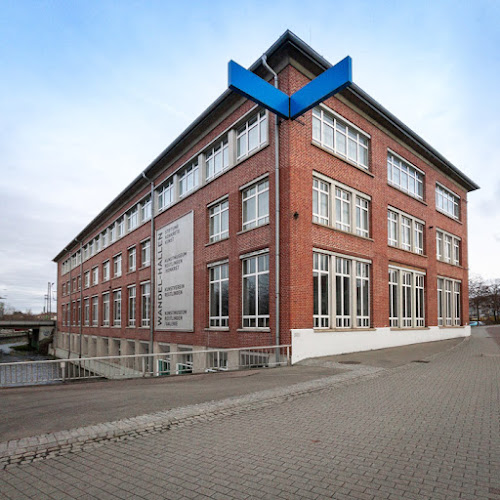
The Kunstmuseum Reutlingen is not your typical small-town museum—it’s a dynamic art space spread across two very different yet equally fascinating locations. On one side, you’ve got the Spendhaus, a historic half-timbered building that feels like stepping into the soul of Reutlingen’s past. On the other, there’s the Wandel-Hallen, a former industrial factory turned into a raw, spacious gallery that almost dares artists to think bigger. Together, these two venues cover around 2,000 square meters, making the museum one of the largest municipal institutions for modern and contemporary art in southwest Germany.
What makes the Kunstmuseum stand out is its three-fold focus: woodcut and relief printing, concrete art, and contemporary international exhibitions. You’ll find everything from early 20th-century classics to experimental installations that feel like they were designed just for the quirky industrial architecture of the Wandel-Hallen. And yes, some of the works literally were. It’s the kind of place where you can go from standing in front of a bold, abstract canvas to wandering into an immersive installation that feels like it’s swallowing you whole.
The atmosphere here is welcoming and down-to-earth. Families with kids stroll through, students sketch quietly in corners, and seasoned art lovers linger over details. It’s not intimidating or overly polished, which I personally love. The museum also has a strong reputation for inclusivity—it’s wheelchair accessible, family-friendly, and openly LGBTQ+ friendly. It feels like a safe space to just be curious and explore. While not every exhibit will blow your mind (let’s be honest, some contemporary pieces are a bit hit-or-miss), the overall experience is consistently engaging and thought-provoking.
Key Features
- Two distinct venues: the historic Spendhaus and the industrial Wandel-Hallen
- Three main curatorial focuses: woodcut and relief printing, concrete art, and contemporary international exhibitions
- Over 2,000 square meters of exhibition space
- Installations often designed specifically for the architecture of the Wandel-Hallen
- Wheelchair accessible entrances, restrooms, and parking
- Family-friendly environment with exhibitions that engage kids as well as adults
- Inclusive and LGBTQ+ friendly atmosphere
- Occasional live performances and special events
- Restrooms available on-site (though no restaurant inside the museum)
Best Time to Visit
If you’re like me and prefer a quieter, more reflective museum experience, weekdays in the late morning or early afternoon are your best bet. The galleries tend to be calmer, and you can take your time without feeling rushed. Thursdays are particularly interesting because entry is free, which is fantastic if you’re traveling on a budget. But fair warning—free entry days can draw a bigger crowd, so if you don’t love weaving through people, maybe stick to another day.
Seasonally, autumn and winter have their own charm. There’s something cozy about ducking into the museum when the air outside is crisp, and the exhibitions feel more intimate. Summer, on the other hand, can be a great time if you want to pair your museum visit with exploring Reutlingen’s lively town center just steps away.
How to Get There
Reutlingen is well-connected by train, and the museum is an easy walk from the main station. If you’re coming from Stuttgart, the journey is straightforward, and you’ll be in Reutlingen in under an hour. Once you arrive, both the Spendhaus and Wandel-Hallen are centrally located, so you don’t need a car to get around. In fact, walking between the two sites is part of the experience—you get a little taste of the town’s mix of history and modern life along the way.
For those driving, there are parking options nearby, and accessibility is taken seriously, with spaces available for visitors with mobility needs. Personally, I’d recommend the train if you’re already in the region—it’s stress-free and gives you a chance to just relax and watch the scenery roll by.
Tips for Visiting
First tip: don’t rush. The museum really rewards slow looking. Some of the works, especially the concrete art pieces, only reveal their rhythm and structure if you stand with them for a while. I once spent nearly twenty minutes in front of a single piece, and it completely shifted how I thought about repetition and form in art.
Second, check the schedule before you go. Exhibitions rotate, and sometimes there are live performances or special events that add an extra layer to your visit. If you’re traveling with kids, the Spendhaus is often the easier entry point—it’s a bit more compact and easier to navigate with younger visitors.
Third, bring a little patience. Not every exhibition will click with you, and that’s okay. Contemporary art sometimes challenges more than it entertains, but that’s part of the fun. If one room doesn’t grab you, move on to the next—you might stumble on something unforgettable.
And finally, give yourself time to explore Reutlingen itself after your museum visit. Grab a coffee in the town center, wander the old streets, or just sit and people-watch. The museum feels like a cultural heartbeat of the town, but the rhythm continues outside its walls.
Key Features
- Two distinct venues: the historic Spendhaus and the industrial Wandel-Hallen
- Three main curatorial focuses: woodcut and relief printing, concrete art, and contemporary international exhibitions
- Over 2,000 square meters of exhibition space
- Installations often designed specifically for the architecture of the Wandel-Hallen
- Wheelchair accessible entrances, restrooms, and parking
- Family-friendly environment with exhibitions that engage kids as well as adults
- Inclusive and LGBTQ+ friendly atmosphere
- Occasional live performances and special events
More Details
Updated September 10, 2025
Table of Contents
Description
The Kunstmuseum Reutlingen is not your typical small-town museum—it’s a dynamic art space spread across two very different yet equally fascinating locations. On one side, you’ve got the Spendhaus, a historic half-timbered building that feels like stepping into the soul of Reutlingen’s past. On the other, there’s the Wandel-Hallen, a former industrial factory turned into a raw, spacious gallery that almost dares artists to think bigger. Together, these two venues cover around 2,000 square meters, making the museum one of the largest municipal institutions for modern and contemporary art in southwest Germany.
What makes the Kunstmuseum stand out is its three-fold focus: woodcut and relief printing, concrete art, and contemporary international exhibitions. You’ll find everything from early 20th-century classics to experimental installations that feel like they were designed just for the quirky industrial architecture of the Wandel-Hallen. And yes, some of the works literally were. It’s the kind of place where you can go from standing in front of a bold, abstract canvas to wandering into an immersive installation that feels like it’s swallowing you whole.
The atmosphere here is welcoming and down-to-earth. Families with kids stroll through, students sketch quietly in corners, and seasoned art lovers linger over details. It’s not intimidating or overly polished, which I personally love. The museum also has a strong reputation for inclusivity—it’s wheelchair accessible, family-friendly, and openly LGBTQ+ friendly. It feels like a safe space to just be curious and explore. While not every exhibit will blow your mind (let’s be honest, some contemporary pieces are a bit hit-or-miss), the overall experience is consistently engaging and thought-provoking.
Key Features
- Two distinct venues: the historic Spendhaus and the industrial Wandel-Hallen
- Three main curatorial focuses: woodcut and relief printing, concrete art, and contemporary international exhibitions
- Over 2,000 square meters of exhibition space
- Installations often designed specifically for the architecture of the Wandel-Hallen
- Wheelchair accessible entrances, restrooms, and parking
- Family-friendly environment with exhibitions that engage kids as well as adults
- Inclusive and LGBTQ+ friendly atmosphere
- Occasional live performances and special events
- Restrooms available on-site (though no restaurant inside the museum)
Best Time to Visit
If you’re like me and prefer a quieter, more reflective museum experience, weekdays in the late morning or early afternoon are your best bet. The galleries tend to be calmer, and you can take your time without feeling rushed. Thursdays are particularly interesting because entry is free, which is fantastic if you’re traveling on a budget. But fair warning—free entry days can draw a bigger crowd, so if you don’t love weaving through people, maybe stick to another day.
Seasonally, autumn and winter have their own charm. There’s something cozy about ducking into the museum when the air outside is crisp, and the exhibitions feel more intimate. Summer, on the other hand, can be a great time if you want to pair your museum visit with exploring Reutlingen’s lively town center just steps away.
How to Get There
Reutlingen is well-connected by train, and the museum is an easy walk from the main station. If you’re coming from Stuttgart, the journey is straightforward, and you’ll be in Reutlingen in under an hour. Once you arrive, both the Spendhaus and Wandel-Hallen are centrally located, so you don’t need a car to get around. In fact, walking between the two sites is part of the experience—you get a little taste of the town’s mix of history and modern life along the way.
For those driving, there are parking options nearby, and accessibility is taken seriously, with spaces available for visitors with mobility needs. Personally, I’d recommend the train if you’re already in the region—it’s stress-free and gives you a chance to just relax and watch the scenery roll by.
Tips for Visiting
First tip: don’t rush. The museum really rewards slow looking. Some of the works, especially the concrete art pieces, only reveal their rhythm and structure if you stand with them for a while. I once spent nearly twenty minutes in front of a single piece, and it completely shifted how I thought about repetition and form in art.
Second, check the schedule before you go. Exhibitions rotate, and sometimes there are live performances or special events that add an extra layer to your visit. If you’re traveling with kids, the Spendhaus is often the easier entry point—it’s a bit more compact and easier to navigate with younger visitors.
Third, bring a little patience. Not every exhibition will click with you, and that’s okay. Contemporary art sometimes challenges more than it entertains, but that’s part of the fun. If one room doesn’t grab you, move on to the next—you might stumble on something unforgettable.
And finally, give yourself time to explore Reutlingen itself after your museum visit. Grab a coffee in the town center, wander the old streets, or just sit and people-watch. The museum feels like a cultural heartbeat of the town, but the rhythm continues outside its walls.
Key Highlights
- Two distinct venues: the historic Spendhaus and the industrial Wandel-Hallen
- Three main curatorial focuses: woodcut and relief printing, concrete art, and contemporary international exhibitions
- Over 2,000 square meters of exhibition space
- Installations often designed specifically for the architecture of the Wandel-Hallen
- Wheelchair accessible entrances, restrooms, and parking
- Family-friendly environment with exhibitions that engage kids as well as adults
- Inclusive and LGBTQ+ friendly atmosphere
- Occasional live performances and special events
Location
Places to Stay Near Kunstmuseum Reutlingen
Find and Book a Tour
Explore More Travel Guides
No reviews found! Be the first to review!
Traveler Reviews for Kunstmuseum Reutlingen
There are no reviews yet. Be the first one to write one.
Have you visited Kunstmuseum Reutlingen? Help other travelers by sharing your review.
Find Accommodations Nearby
Recommended Tours & Activities
Visitor Reviews
There are no reviews yet. Be the first one to write one.
Share Your Experience
Have you visited Kunstmuseum Reutlingen? Help other travelers by leaving a review.