Where to Stay in Pico Island Azores: Best Areas & Unique Hotels
Updated January 21, 2026
Planning a trip to Pico Island? It’s a bit of a puzzle—so much coastline, so few towns, and every photo looks tempting. I’ve driven those winding roads between lava fields and vineyards, wondering where to land for the best experience. Here’s the truth: your best bets are Madalena, São Roque, or Lajes do Pico. Each offers something different—easy access, quiet, or a dose of culture.
Let’s make this simple. I’ll lay out what each area brings to the table and point you to actual places worth booking. Whether you want to hike Mount Pico, sip the local wine, or drift off to the sound of waves, you’ll find a fit.
No need for endless research or guesswork. By the end, you’ll know exactly where to stay—and why.
Key Takeaways
- See which base areas match your travel style
- Compare top hotels, guesthouses, and unique stays by location
- Get real-world tips to plan your stay smoothly
Table of Contents
- Top Areas to Stay on Pico Island
- Madalena: Gateway Town and Nightlife
- São Roque do Pico: Traditional Experiences
- Lajes do Pico: Southern Serenity
- Santo Amaro and Northern Villages
- Best Accommodation Types on the Island
- Guesthouses and Bed & Breakfasts
- Traditional Lava Stone Cottages
- Eco-Friendly Villas and Resorts
- Boutique Hotels with Sea Views
- Unique Hotels and Standout Stays
- Lava Homes: Remote North Coast Retreat
- Aldeia da Fonte: Eco Resort by the Ocean
- Adegas do Pico: Wine Country Cottages
- Staying Near Pico Island’s Natural Highlights
- Sunset Views of Mount Pico
- Surrounded by Pico’s UNESCO Vineyards
- Access to Natural Pools
- Best Villages for Nature Lovers and Peace
- Santa Luzia: Scenic Northern Coast
- São Mateus: Rural Tranquility
- Lajido: Heritage and Wine Culture
- São João: Oceanfront Calm
- Planning Your Stay: Practical Tips and Local Insights
- Getting Around Pico Island
- When to Visit and Book Accommodation
- Benefits of Each Area
- Frequently Asked Questions
- What are the top-rated accommodations for a memorable stay in Pico Island?
- Can you recommend unique lodging experiences in Pico Island for an authentic Azorean holiday?
- How does staying in Madalena compare to other towns on Pico Island?
- Which areas in Pico Island offer the best access to natural attractions and outdoor activities?
- Are there any hidden gem hotels or guesthouses on Pico Island that provide a local experience?
- An expert travel writer that provides Informative, Conversational, and Helpful content not commonly known
- Book Your Dream Experience
- More Travel Guides
Top Areas to Stay on Pico Island

Pico has a handful of distinct bases, each with its own flavor. The west is the most convenient, with a bit of nightlife; the north feels local and grounded; the south is all about peace and space. Here’s how they stack up.
Madalena: Gateway Town and Nightlife
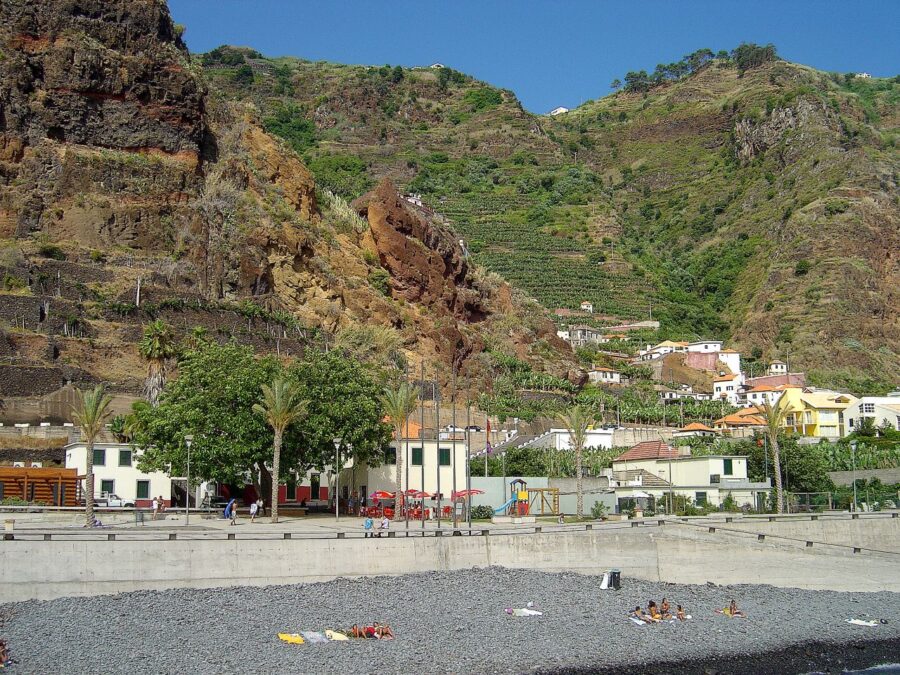
Madalena is Pico’s front door—close to the ferry from Faial and buzzing just enough. The town center is compact, dotted with cafés, wine bars, and restaurants that get lively on weekends. I’ve spent evenings here sipping wine poured by the winemaker himself, right next to his vineyard.
You’ll find a good mix: boutique hotels, apartments, guesthouses—many with views of the ocean or Mount Pico. Everything’s walkable: shops, natural swimming spots, even the wine museum. Planning to climb Mount Pico? Madalena puts you close to the trailhead.
Tip: Rent a car here. Public buses are rare, and taxis get expensive fast.
São Roque do Pico: Traditional Experiences
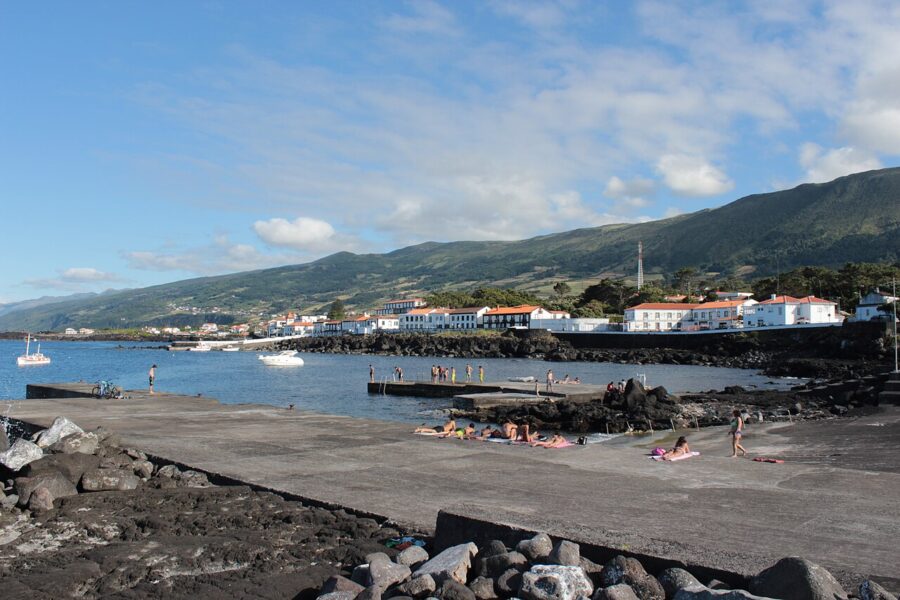
Want to slow down? São Roque on the north coast brings old-school Azores energy. Cobblestone streets, basalt houses, quiet mornings—you might wander to the harbor and see fishermen unloading the day’s catch.
Stay in self-catering cottages or eco-friendly stone homes. The sea pools near Poças are perfect for a swim, and the small maritime museum offers a glimpse of Pico’s whaling past. São Roque sits in the middle of the island, so you can drive to the wine country near Madalena or head south for whale-watching in Lajes without much hassle.
Lajes do Pico: Southern Serenity
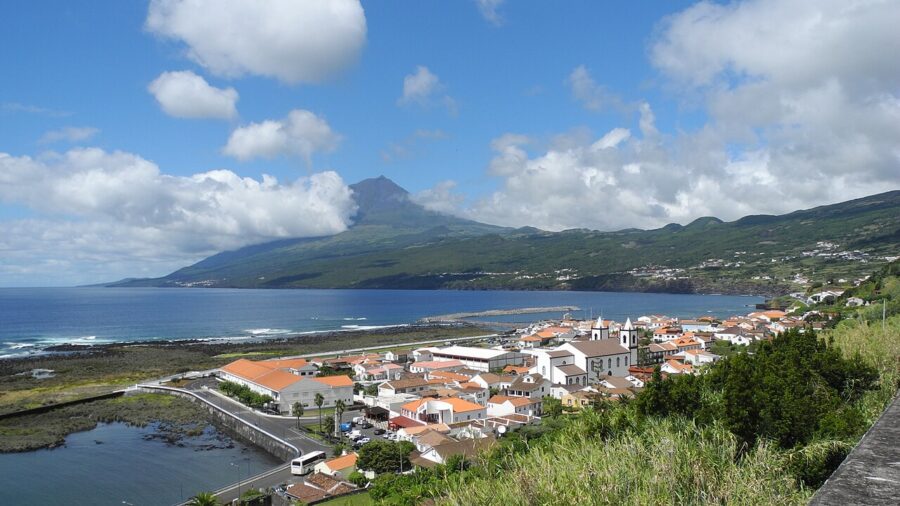
Head south and you’ll hit Lajes do Pico—a quieter, more contemplative spot. It’s the whale-watching capital, with coastal walks along volcanic cliffs and a tiny but active harbor. Tour boats head out daily to look for dolphins, whales, even sperm whales.
Here, you get eco-resorts and guesthouses perched above the Atlantic. Food is simple, fresh, and heavy on the seafood.
Nights are silent but for the waves—honestly, it’s easy to forget the outside world exists. Lajes is about 40 minutes from the airport, so plan your transfers or car rental ahead.
Santo Amaro and Northern Villages
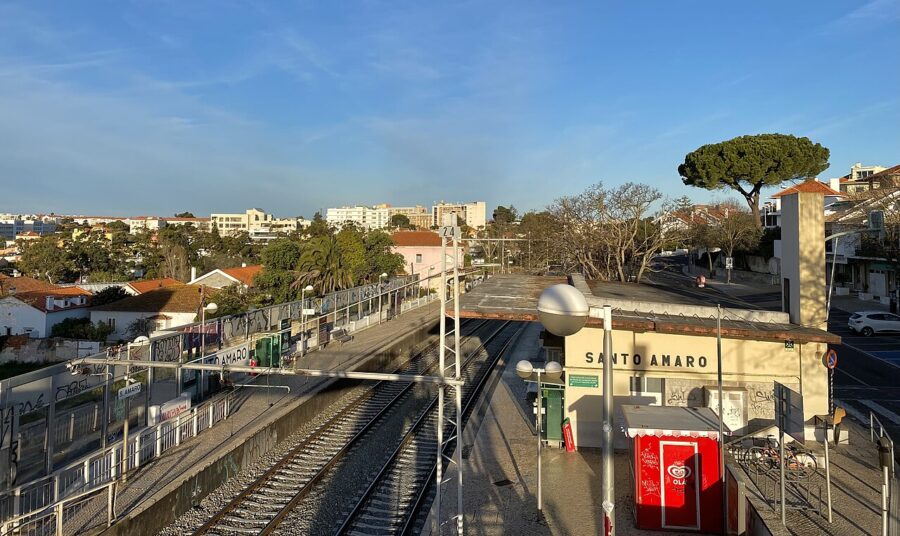
Santo Amaro and its neighbors up north are rural and untouched. You might see goats on the road and not much else. The village is tiny, but there’s a handicraft school, natural pools, and wild ocean views.
Find peace in basalt cottages or eco-lodges. Lava Homes stands out here, blending comfort with a sustainable touch. If you want solitude and clear night skies, this is your spot.
It’s remote, so stock up before you arrive. Shops close early, and cell service can be spotty. But that’s the charm—it’s the Azores before mass tourism.
Best Accommodation Types on the Island

Pico isn’t about big hotels or chains. Everything’s small-scale, personal, and full of character. Think guesthouses, traditional lava cottages, eco-villages, and a handful of boutique hotels with killer Atlantic views.
Guesthouses and Bed & Breakfasts

Guesthouses are Pico’s specialty, usually run by locals who’ll offer you homemade jams and fresh cheese for breakfast. It’s easy to base yourself in Madalena or São Roque and drive out for day trips.
Rooms are simple but spotless, often with balconies overlooking vineyards or the sea. Some double as Bed & Breakfasts, so you get privacy and a bit of social buzz.
Look for Alojamento Local on booking sites—these are licensed, usually family-run, and reliable.
Traditional Lava Stone Cottages
Those black volcanic stone houses are everywhere, often with bright red doors and window frames. Stays like Adegas do Pico keep the old look but add cozy linens, good lighting, and proper kitchens. They usually sit near fishing villages or out on the coast.
Bring groceries—shops can be far. But cooking dinner after a day on the mountain just feels right.
Eco-Friendly Villas and Resorts
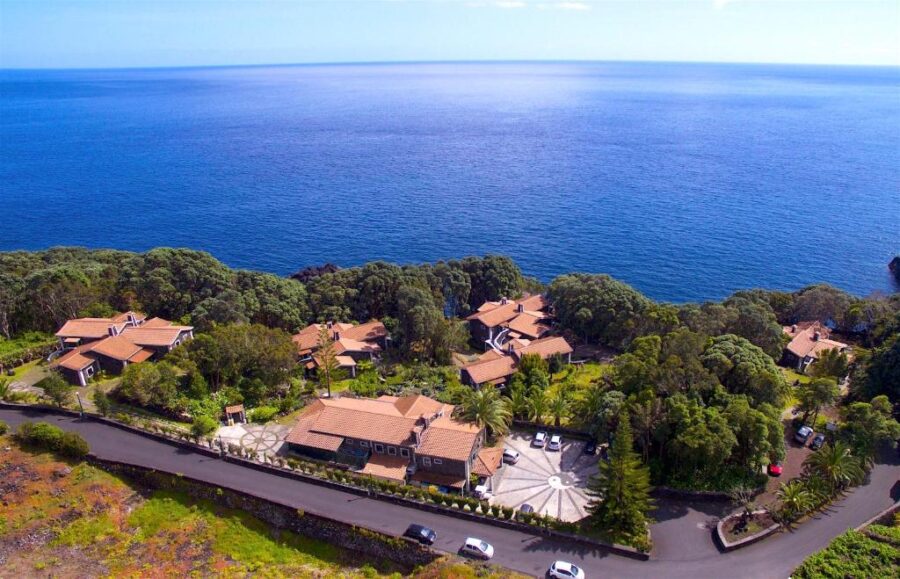
Pico’s eco-retreats keep things comfortable without the fuss. Aldeia da Fonte on the south coast is probably the best-known. Villas blend into cliffs, forest paths wind through the grounds, and there’s even a natural swimming area carved from volcanic rock.
These places walk the talk—solar heating, rainwater recycling, local materials. Lava Homes in Santo Amaro goes further, with a yoga studio and a handy on-site grocery.
Expect fewer crowds, just wind and birds. If you want to reset after hiking or wine tasting, this is a good bet. The weather changes fast near the cliffs, so pack layers.
Boutique Hotels with Sea Views

True hotels are rare here, so the few boutique options stand out. They focus on comfort and views, not over-the-top luxury. Many are right on the coast, with balconies over the Atlantic or terraces facing Mount Pico.
I’m partial to places that mix stone walls, wood decks, and a little modern flair. Some serve local wines—perfect for sunset at the bar.
Hotels near Madalena make ferry trips easy, but the east coast has spots that feel almost off-grid. They’re pricier than cottages or guesthouses, so maybe book a few nights and spend the rest somewhere simpler.
See Related: Hidden Boutique Hotels in Europe That Redefine Luxury
Unique Hotels and Standout Stays

A few places on Pico go beyond just giving you a bed—they let you feel the rhythm of the island. Here are some that stand out.
Lava Homes: Remote North Coast Retreat

Up on the north coast, Lava Homes gives you sweeping views of the Atlantic and Mount Pico. These aren’t just villas—they’re part of a hillside community built from local stone and wood.
Inside, you get floor-to-ceiling windows, modern kitchens, and fireplaces for cool evenings. Even when clouds roll in, you can watch the light change across the water.
On-site highlights:
- Infinity pool with ocean views
- Grocery and café serving local wine
- Glass-walled yoga room with sunrise views
It’s a solid pick if you want quiet and comfort after a day of hiking or exploring.
Aldeia da Fonte: Eco Resort by the Ocean

Down south in Silveira, Aldeia da Fonte hugs the cliff edge where forest meets sea. It’s called a resort, but it feels more like a small basalt village. Paths twist through trees and volcanic walls, leading to the water and natural pools.
There are walking trails, a lookout tower for dolphin or whale sightings, and a rock-carved ocean pool. The sauna, yoga pavilion, and quiet corners make it easy to unwind.
Meals focus on local fish, garden herbs, and Azorean wine. It’s a place for slow mornings, a book, maybe a swim before lunch. You’re close to nature but still comfortable.
Adegas do Pico: Wine Country Cottages

On the west side near the UNESCO vineyards, Adegas do Pico offers restored stone cottages that nod to Pico’s wine-making past. “Adega” means wine house—these buildings once stored barrels and tools.
Each cottage is a bit different, but you’ll see basalt walls, red doors, and views toward the Atlantic. Some have terraces for sipping local wine at sunset.
You get privacy and independence, but local hosts often stop by with a bottle or tips on where to eat. Waking up to seabirds and the faint scent of grapes is its own reward. Rustic, grounded, and full of that island peace you’re probably seeking.
Staying Near Pico Island’s Natural Highlights
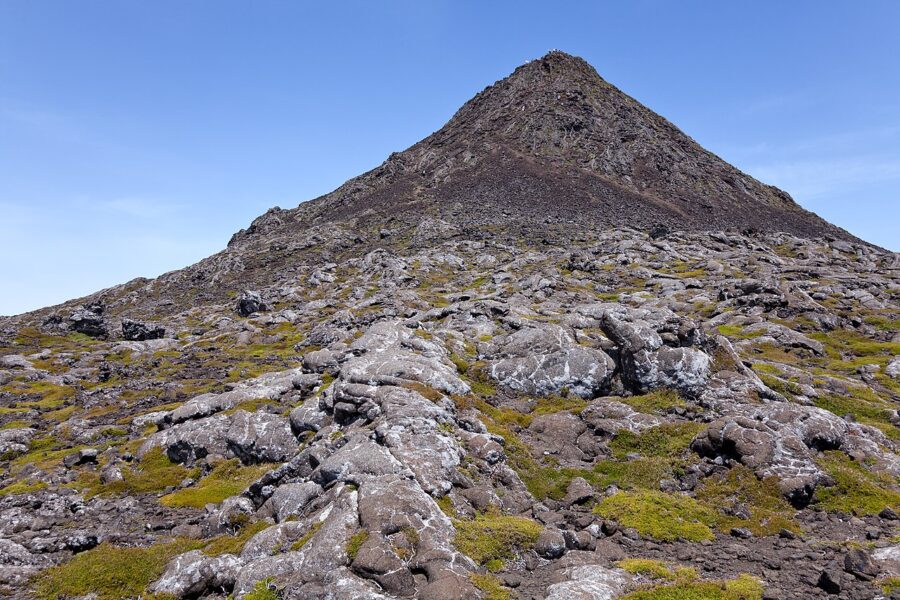
Pick a spot close to Pico’s best features and you’ll have easy access to what makes the island special—mountain views, vineyard trails, and lava-formed swimming holes. Each area moves at its own pace, whether it’s glowing sunsets over Mount Pico or calm mornings by the Atlantic.
Sunset Views of Mount Pico

If you want to end your day with a front-row view of the island’s heart, set up along the western or northern coasts—think Madalena or Santa Luzia. Here, Mount Pico, Portugal’s tallest volcano, glows orange and pink as the sun drops into the Atlantic.
Most guesthouses and eco-lodges face the mountain on purpose. Picture yourself on a terrace, Pico wine in hand, watching clouds curl around the peak. Sometimes the sky shifts colors so fast it almost feels unreal. That’s the island’s quiet luxury—no need to overstate it.
Local tips:
- Best views: West coast (Criação Velha, Lajido)
- Good options: Lava Homes, small villas near Santo Amaro
- Bonus: Quick drive to ferry port and whale-watching tours
Surrounded by Pico’s UNESCO Vineyards

The vineyards in Criação Velha and Areia Larga stretch across black volcanic rock, with walls built centuries ago to shield grapes from wind and sea spray. Stay here, and you’re waking up inside a UNESCO World Heritage Site.
You’ll find everything from stone holiday houses to renovated farm stays, many keeping the original vineyard structures. Walking paths wind through the fields, and vineyard tours explain how vines survive in shallow lava soil. Plants thriving on rock—there’s something inspiring about it.
If you like slow mornings, earthy surroundings, and the hum of bees, this area’s rhythm might be just right.
Access to Natural Pools
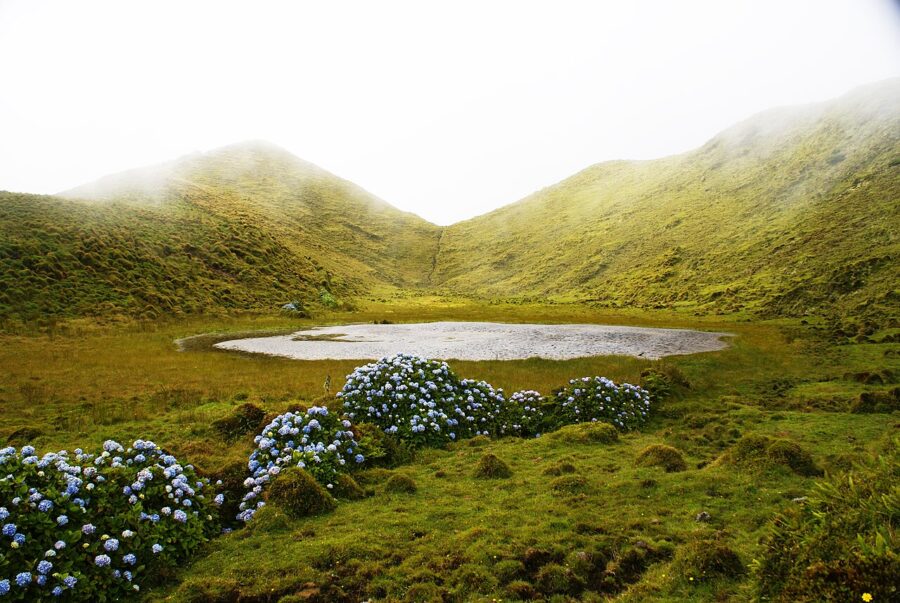
On Pico’s rugged coast, natural pools carved by old lava flows give you a swim spot you won’t find anywhere else. The southern coast near Silveira and São João has some of the best, and a few hotels have steps right down to the water.
These pools fill naturally with seawater. They feel wild, but you can swim safely when the tide is right. Bring water shoes; those rocks can be sharp. Morning swims are the move—you might have a pool to yourself.
The contrast is what gets me: warm air, cold Atlantic, and the volcano’s shadow behind you. Pico’s connection to nature is direct, unfiltered, and honestly, a big part of why it stands out.
See Related: Best Places to Visit in Europe This Year
Best Villages for Nature Lovers and Peace
Pico rewards anyone willing to leave the main towns with quiet villages where life slows down and nature takes over. From cliffside views to vineyard paths, these places show you the island’s personal side.
Santa Luzia: Scenic Northern Coast

Santa Luzia is calm in a way only a small seaside village can be. Roads curve through black lava fields to the Atlantic, and old stone houses line the way. One time I stopped for lunch and ended up staying the night—once evening falls, it’s just waves and maybe a rooster.
You’ll find a handful of guesthouses near the coast, most with ocean views and simple, comfortable rooms. From here, you can hit the coastal trails in either direction and barely see anyone.
You’ll want a rental car, though—public transit is basically nonexistent. The isolation is part of the appeal. Peace just happens here; it’s not something you have to search for.
São Mateus: Rural Tranquility
If you like farmland and sea air, São Mateus on the south coast might be your place. The land opens wide, dotted with cows and vineyards. Drive a few minutes inland, and you’ll spot cottages tucked among stone walls and wild hydrangeas.
People here move at their own pace. Mornings bring church bells; by afternoon, fishermen mend nets at the harbor.
There’s not a checklist of things to do—just walk the coast, grab grilled fish at a family-run café, and watch the sun fade behind Mount Pico. The stillness here feels restorative, not empty. Self-catering houses nearby give you privacy and a taste of rural island life.
Lajido: Heritage and Wine Culture

Lajido is quiet, but it’s also layered with meaning. This UNESCO-listed village sits in the heart of Pico’s historic vineyards, where dark lava walls frame small plots.
At sunset, the basalt glows copper. The contrast—tough land, careful hands—says a lot about Pico.
Many houses here started as wine cellars and still keep their stone façades and red doors. You can visit the Wine Museum or join tastings with local growers.
Even if wine isn’t your thing, the stories behind these vines—grown from rock and salt—make the place feel alive. There’s peace here, but it’s not empty; it’s rooted.
São João: Oceanfront Calm

On the southern shore, São João stretches along the Atlantic with views that just stop you. The sea is always present, but never harsh.
Most rentals are small cottages right on the water. Coffee on the terrace, light shifting across Mount Pico—no schedule, just time.
The village is remote enough that you’ll want to pick up groceries first, but that’s the price for solitude. From São João, you can reach natural swimming pools carved into lava.
Locals swim even in cooler months. There’s also a short trail behind the village—sometimes, if you’re lucky, you’ll spot whales or dolphins. Here, serenity comes from stillness, not entertainment.
Planning Your Stay: Practical Tips and Local Insights

Pico moves at its own speed, so a little planning goes a long way. The island is bigger than it looks, and each area has its own flavor—from quiet coast to busy ferry port.
Getting Around Pico Island

Pico stretches over 40 kilometers, and with just a few main roads, driving is the way to go. Rent a car to explore remote vineyards, lava fields, and tiny villages at your own pace. Book early on sites like Expedia.
Local buses exist, but don’t count on them—routes are rare, especially outside Madalena. Taxis work but get expensive for long trips. Sometimes, if you’re flexible, you might hitch a ride with locals—they’re friendly and usually happy to help.
Ferries link Pico with Faial and São Jorge, so day trips are easy. For guided tours—like whale-watching or vineyard visits—check GetYourGuide or Viator. Handy when you want a break from driving.
When to Visit and Book Accommodation

Spring and early autumn hit the sweet spot for mild weather and fewer crowds. July and August are busy, with higher prices and rooms booking fast—especially in Madalena. Winter is quieter and has its own charm if you prefer the sound of waves to beach crowds.
Book early through sites like Booking.com if you’re coming June–September. Most guesthouses are small, family-run, and some close in the off-season.
If wine draws you, September’s harvest festival is worth timing your trip for. The vineyards burst with activity, and locals celebrate with music and tastings. There’s a buzz in the air you won’t find any other time.
Benefits of Each Area

Each main town has its own pace. Madalena is closest to the airport and ferries—practical for short stays and day trips. You’ll find shops, restaurants, and some good wine bars.
São Roque do Pico is slower, more local, but still gives you coastal views and ferry access. Guesthouses here tend to be quieter, with just the wind and gulls for company.
Down south, Lajes do Pico is all about serenity. It’s farther from the airport but rewards you with wild coast and a strong sense of Pico’s whaling history. Perfect for solitude. For even more quiet, check out Santo Amaro or Calheta de Nesquim—these parks are pure Azorean peace.
See Related: Architecturally Striking Boutique Hotels in Europe’s Hidden Mountain Regions
Frequently Asked Questions

Finding your spot on Pico Island depends on what you want. Some go for comfort and convenience near town. Others seek quiet ocean views, vineyard stays, or easy hiking access.
What are the top-rated accommodations for a memorable stay in Pico Island?
Madalena has some of Pico’s best-rated places. Family-run guesthouses sit minutes from restaurants and ferries. Boutique lodges offer mountain views that really do look like postcards, but still feel lived-in.
In São Roque do Pico, you’ll find comfortable villas and mid-range hotels close to the coast. Travelers who want space often pick self-catering houses—private, but not cut off from town.
Can you recommend unique lodging experiences in Pico Island for an authentic Azorean holiday?
For something special, try staying in the vineyards. Eco-lodges built from volcanic stone blend sustainability with style. Some offer wine tastings straight from the cellar, so you can sip while the mountain glows at sunset.
Prefer remoteness? Lava Homes on the north coast have glass-fronted cottages above the ocean. You get a deep sense of calm, and the owners are usually around to share stories about Pico.
How does staying in Madalena compare to other towns on Pico Island?
Madalena is the main hub—close to ferries, grocery stores, and the airport. Restaurants, cafés, and wine cellars are all walkable, which is great if you want to skip driving.
São Roque is slower, more residential, with better ocean views and fewer people. Lajes do Pico is smaller but full of character, with museums and seaside walks that tell Pico’s whaling story better than any guidebook.
Which areas in Pico Island offer the best access to natural attractions and outdoor activities?
If you’re climbing Mount Pico, stay around Madalena or São Roque for a short drive to the trailhead. Hikers usually start early, so being close helps.
The south coast near Lajes do Pico gives easy access to natural swimming pools and whale-watching trips. The north coast has dramatic trails over old lava fields, and places like Santo Amaro feel almost untouched. Bring sturdy shoes—coastal rocks get slippery after rain.
You’ll find some of the best stays in simple stone cottages—real family homes that locals have carefully restored without stripping away their character. Look around villages like Calheta de Nesquim or Praínha, where mornings start with roosters instead of traffic.
There’s a little bed-and-breakfast run by a retired teacher who whips up passionfruit jam from her own garden for breakfast. Places like this rarely top booking sites, but honestly, they pull you into Pico life in a way big hotels just can’t.
An expert travel writer that provides Informative, Conversational, and Helpful content not commonly known
Here’s something guides usually skip: Pico’s rhythm matters. The island slows way down on Sundays—shops close, streets empty out, and even in summer, you won’t find dinner served late. Plan for that downtime; honestly, it’s part of what makes Pico memorable.
Look around and you’ll spot locals still making wine in those old lava-walled “adegas.” If you’re curious and ask nicely, you might get a quick tour.
And don’t overlook the little bakeries or even the gas station shops. They’ll surprise you with solid espresso and homemade biscuits, especially when everything else is shut. It’s these odd, quiet details that stick with you after Pico.