
Where to Stay in La Digue: Best Areas & Top Hotels for Every Budget
Updated December 16, 2025
Picking the right place to stay on La Digue can really shape your trip. This small Seychelles island isn’t as straightforward as it looks—each area moves at its own pace. You’ll come across calm beaches, local guesthouses, and quiet villas on one side, and just a short ride away, you’ll spot stylish hotels and seaside resorts. Knowing the lay of the land means you’ll hit the ground running and skip that first-day scramble.
No need to drown in hotel listings. Here’s a clear breakdown of La Digue’s main areas, who they suit, and a handful of trusted places to stay for every budget. I’ve sifted through reviews, maps, and local tips so you don’t have to open a dozen tabs.
Table of Contents
- Key Takeaways
- Overview of La Digue Island
- Understanding the Geography and Main Villages
- Transportation and Getting Around
- Best Areas to Stay in La Digue
- Anse Reunion: Central Convenience
- La Passe: Village Life by the Jetty
- Anse Source d’Argent: Iconic Beachfront Stays
- Anse Severe: Serene Northern Coast
- Top La Digue Hotels and Resorts
- Le Nautique
- Six Senses Zil Pasyon
- La Digue Luxury Beach & Spa
- Patatran Village Hotel
- Accommodation Types: From Luxury to Self-Catering
- Luxury Resorts and Villas
- Mid-Range Boutique Hotels
- Guesthouses and Self-Catering Apartments
- Unique Stays and Local Experiences
- Beachfront Bungalows
- Eco-Friendly Options
- Family-Friendly Choices
- Tips for Booking Your Stay
- When to Book and Seasonal Insights
- What to Know Before Arrival
- Frequently Asked Questions
- What are the best accommodations for couples seeking a romantic stay in La Digue?
- How do I choose the ideal resort or lodge for a memorable La Digue island experience?
- Can you recommend top-rated hotels or villas in La Digue for luxury travel?
- What options are available for budget-friendly stays on La Digue island?
- For a complete La Digue visit, how many days are typically recommended?
- Between La Digue and Praslin, which island offers a better accommodation experience?
- Book Your Dream Experience
- More Travel Guides
Key Takeaways
- Discover which parts of La Digue fit your travel style and budget
- Get straight-to-the-point hotel and villa picks
- Save time with quick tips from locals and seasoned travelers
Overview of La Digue Island
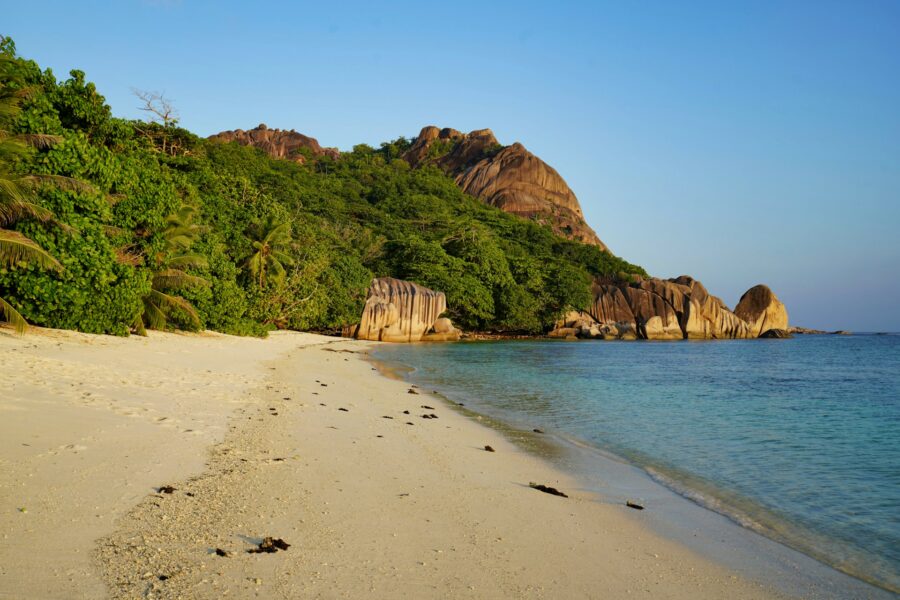
La Digue runs at a slower speed than the other Seychelles islands. Fewer cars, quiet villages, beaches that still feel wild. The island’s small, so you can explore it end-to-end, weaving through little communities and coastal paths where bikes outnumber anything else.
Understanding the Geography and Main Villages
With just 10 square kilometers, La Digue is one of the Seychelles’ smallest inhabited islands. The granite hills in the center are thick with tropical forest. Along the edges, white beaches and boulders take over. Anse Source d’Argent stands out—its pale sand and shallow turquoise water show up in travel magazines for a reason.
Most of the action happens in La Passe, the main village and ferry point from Praslin. You’ll find grocery shops, bike rentals, and small guesthouses here. Just a bit inland, Anse Réunion is quieter but still close to food and beaches. Anse Sévère is great if you want to swim or snorkel in calm waters.
Head south and you’ll reach Grand Anse, Petite Anse, and Anse Cocos—a string of wild beaches with strong surf. They’re gorgeous for hiking and photos, but not the best for swimming. The island’s size means you can see a lot in a day, which makes things to do in La Digue flow naturally from one spot to the next.
Transportation and Getting Around
Skip the car rental—bikes rule the road here, and honestly, that’s half the fun. Narrow, shady roads wind through palm and takamaka trees. Families pedal by, stopping for coconuts at roadside stands.
You can grab a bicycle right at the jetty for a reasonable daily rate. Some places even toss in bikes for free. For short hops or heavy luggage, pickup-style taxis shuttle between La Passe and the beaches. But once you’re settled, cycling keeps you in sync with the island’s pace.
Walking works too, especially if you stay near the coast. The beaches are close—hiking from Anse Source d’Argent to Grand Anse takes under two hours. If you’re flying into Seychelles and connecting through Praslin, plan your trip to La Digue ahead for a smoother arrival.
Best Areas to Stay in La Digue
Even though La Digue’s tiny, every corner has its own feel. Some spots are close to shops and cafés, others put you right by the famous beaches, and a few are tucked away on quieter stretches. It really comes down to how you want to balance comfort, connection, and quiet.
Anse Reunion: Central Convenience
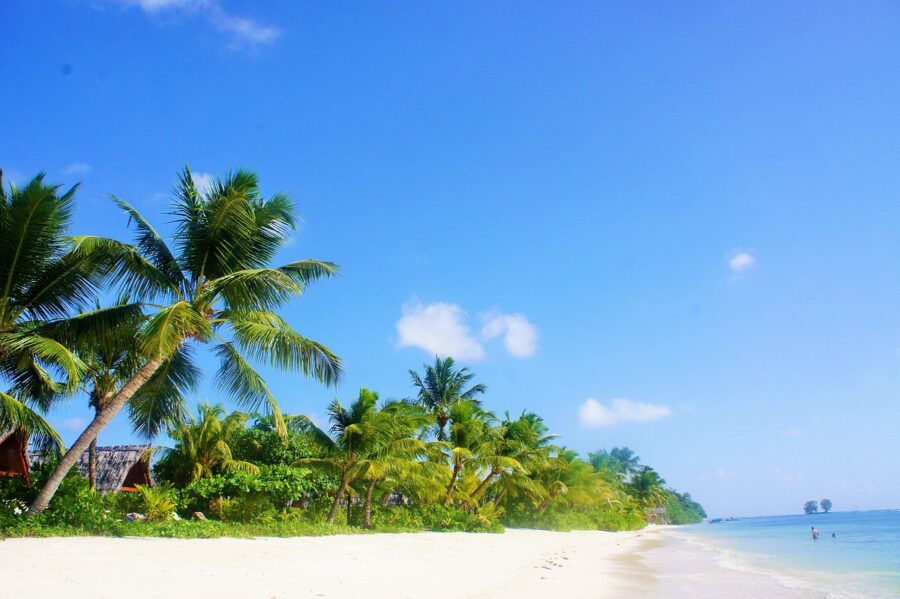
Anse Reunion sits smack in the middle of La Digue’s west coast—super practical for getting around. You’re close to bike rentals, small grocery stores, and plenty of restaurants. It’s an easy walk to the ferry terminal, so no stress if you’re catching an early boat.
The beach here is calm, good for a swim or a sunset stroll. It’s not the Instagram-famous one, but the views over Praslin are pretty special late in the day.
Good to know:
- Ideal for travelers wanting comfort and convenience
- Quick access to L’Union Estate
- Mix of small hotels and self-catering guesthouses
If you want to keep logistics simple—especially for day trips—this area just works.
La Passe: Village Life by the Jetty
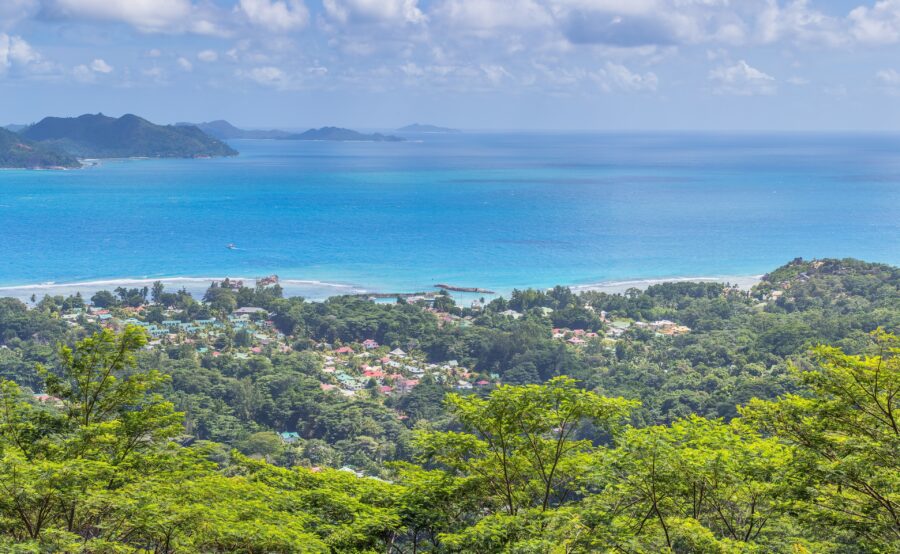
La Passe greets you the moment you step off the ferry. This is the island’s main village, personal but with a bit of buzz. You’ll find cafés, dive shops, boutiques, and most bike rentals here. Fishermen bring in the morning catch—there’s a rhythm you can’t miss.
You can cycle to Anse Source d’Argent or Anse Severe in minutes. Many hotels along the waterfront offer sea views. It’s also the easiest place to chat with locals—shopkeepers remember faces and stories.
Highlights:
| Feature | Reason to Stay |
|---|---|
| Proximity to Jetty | Easy arrivals and departures |
| Restaurants and shops | Most variety on the island |
| Accommodation types | From boutique hotels to family guesthouses |
La Passe is the island’s heart—a solid base for short stays.
Anse Source d’Argent: Iconic Beachfront Stays
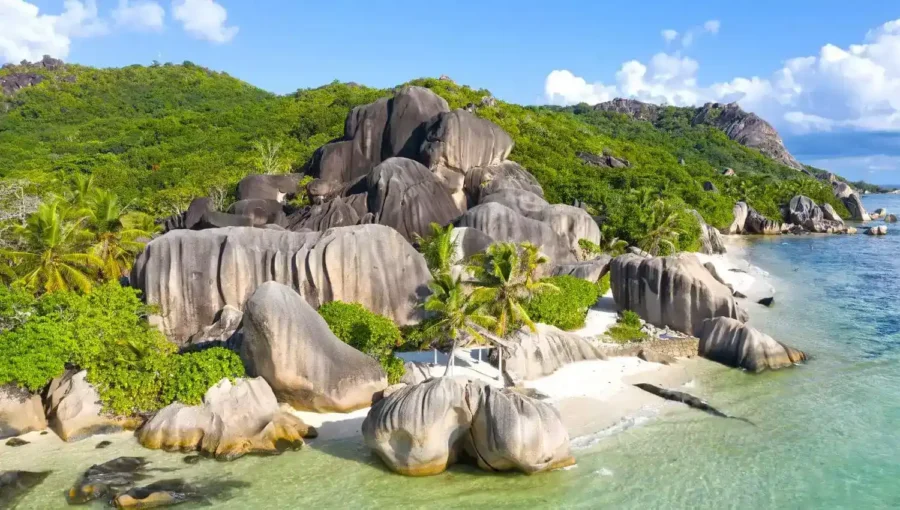
This is the Seychelles beach you’ve seen a hundred times—granite boulders, shallow turquoise water, soft sand. Stay nearby and you’ll have the place to yourself before the crowds roll in.
Most places to stay are just outside L’Union Estate, since the estate controls direct access. You’ll find boutique villas and small lodges, usually shaded by coconut palms.
It’s peaceful at night—just the waves and the occasional fruit bat overhead. It’s less central, though, so you’ll need a bike to get to restaurants in Anse Reunion or La Passe.
Why stay here:
- Jaw-dropping scenery for photos and swimming
- Quiet after sunset, but not far from the main village
- Great for couples or anyone who wants to slow down
Honestly, early mornings here are something else—it’s just you, the sand, and the birds.
Anse Severe: Serene Northern Coast
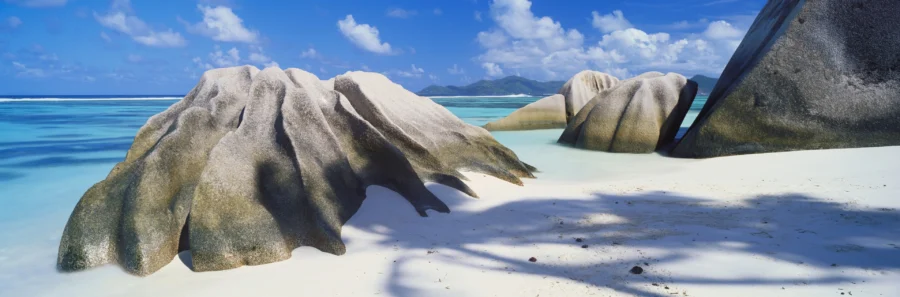
Anse Severe sits at the island’s northern tip and feels a bit off the beaten path, but it’s only a short bike ride from the ferry. It’s one of La Digue’s best swimming beaches—calm, clear water and coral right offshore. Sunsets here are wild; the sky lights up, and the photos almost take themselves.
You’ll see a few mid-range hotels and self-catering chalets with ocean views. Snorkeling and kayaking are solid here, and the sea breeze keeps things comfortable.
There’s a small café by the beach—grab a coconut or a fruit smoothie after a swim. Simple, but perfect.
Pros:
- Relaxed vibe, fewer crowds
- Easy biking to restaurants
- Top-notch sunsets and snorkeling
If you’re after peaceful mornings, this area probably fits you best. It’s that sweet spot between solitude and convenience.
Top La Digue Hotels and Resorts
You’ll find everything from small luxury resorts to family-run guesthouses and beachfront hotels. Nothing too flashy, but comfort and ocean views come standard. Getting to the beach or a trail is quick—no long transfers or crowds to deal with.
Le Nautique
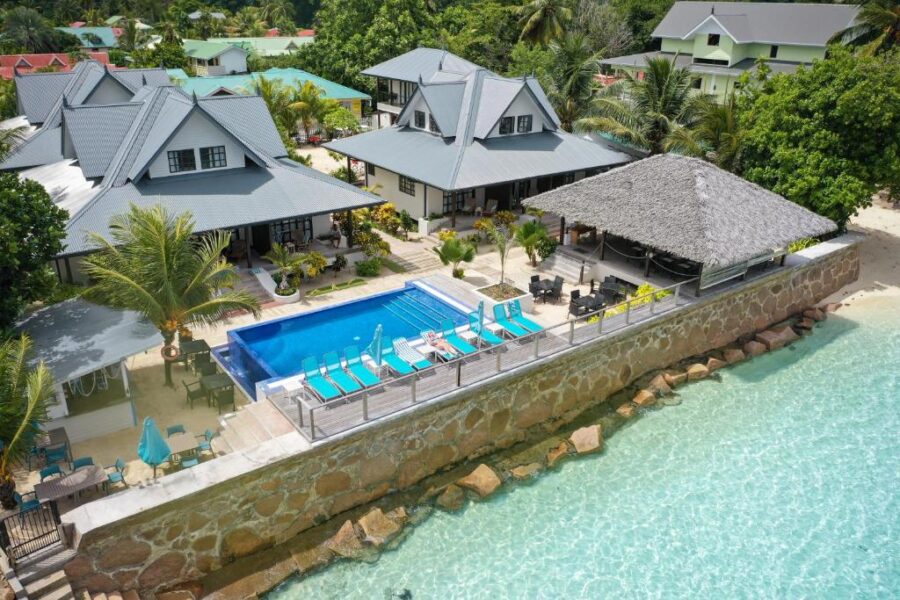
Le Nautique sits right on the water in La Passe, so you can walk from the ferry and be in your room in minutes. The style is modern—white interiors, wood accents, just the right touch of island casual. Rooms have private patios, some facing the pool, others the ocean.
The restaurant serves fresh seafood and Creole dishes—if the grilled fish with palm salad is on, don’t skip it. Staff sort out bike rentals or diving trips for you, which is handy since biking is the main way to see the island. Check rooms and rates early—they book up fast.
Le Nautique feels personal. Staff remember you, and the vibe is friendly, not stiff. It fits La Digue’s easy pace.
Six Senses Zil Pasyon
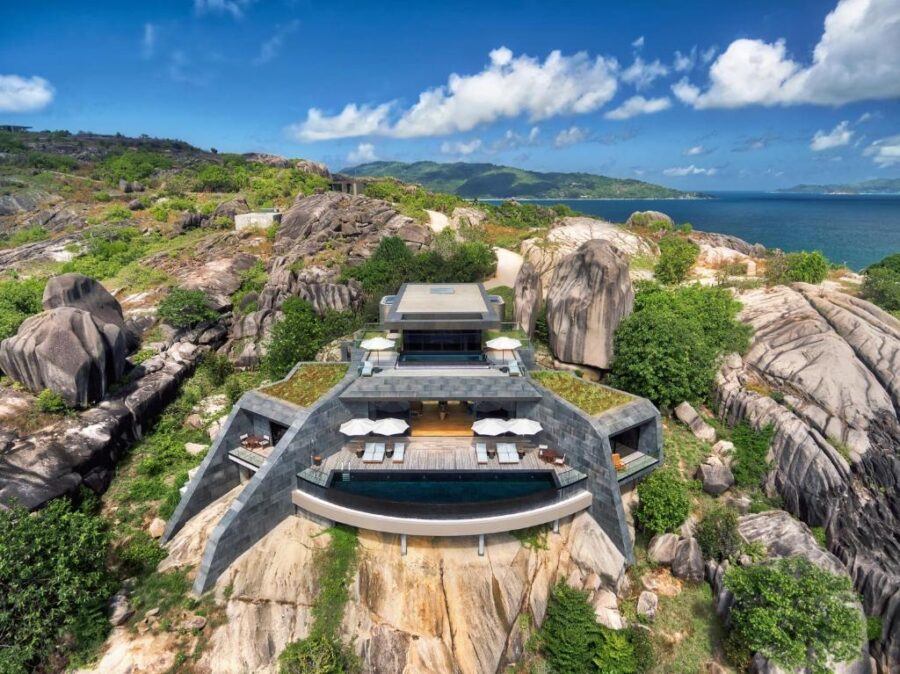
Technically, Six Senses Zil Pasyon is on Félicité Island, a 10-minute boat ride from La Digue. But it’s worth including because the transfer is quick, and many travelers split their stay. This is Seychelles luxury at its peak. Every villa has a private infinity pool, tucked among granite boulders with views out to turquoise water.
You get a private butler, wellness programs, and curated experiences—sunset hikes, beach picnics, whatever you’re into. The spa, set into the rocks above the ocean, is probably the most scenic around.
If you’re after real seclusion and don’t mind splurging, this place is it. Two nights is the minimum to really settle in and enjoy the slow pace.
La Digue Luxury Beach & Spa
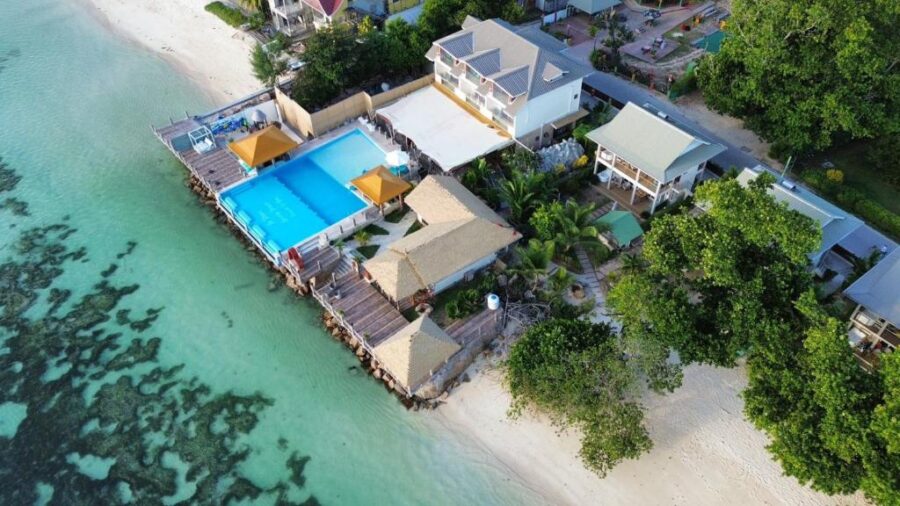
La Digue Luxury Beach & Spa is a newer option with spacious suites and direct access to Anse La Réunion. It’s all about understated luxury: bright, airy rooms, an open-air pool, and views of Praslin across the water.
The spa uses local ingredients like coconut oil and hibiscus, which leave a subtle, natural scent. There’s a small gym, beach bar, and a sunset restaurant with grilled seafood and tropical salads.
I chatted with a couple who picked this spot for their honeymoon—they liked that it was elegant but not over the top. Staff help you plan bike routes, hikes, or private dinners by the beach, which turns a regular stay into something memorable.
Patatran Village Hotel
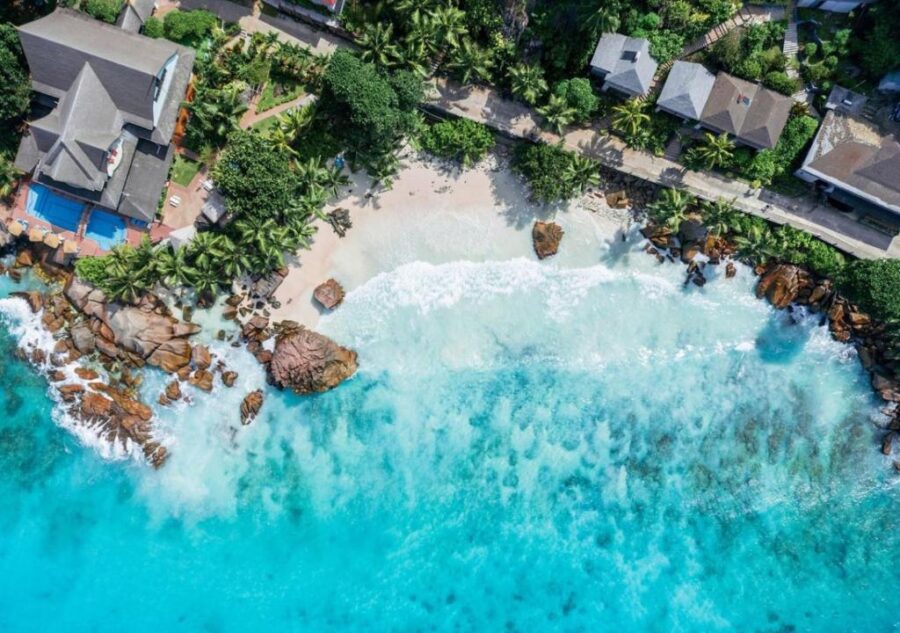
Patatran Village Hotel sits near Anse Patates Beach on the north tip. It’s smaller and more affordable than the big resorts, but it’s got charm. Rooms angle toward the sea, and even the simplest ones have balconies.
Snorkelers—bring your gear. The reef just offshore is packed with colorful fish. There’s a casual restaurant and bar with water views, and breakfast on the terrace is a highlight.
Early mornings here are special. The tide, birds, maybe a bike or two passing by—it’s the kind of island hospitality that reminds you why you picked La Digue.
Accommodation Types: From Luxury to Self-Catering
La Digue has options for every style, from high-end resorts with private pools to basic cottages where you can cook your own meals. Where you stay shapes your trip—your pace, your comfort, and how much you connect with local life.
Luxury Resorts and Villas

If you’re after those little luxuries—think infinity pools, beachfront spas, and the kind of calm that makes you forget your phone—luxury resorts on La Digue do the trick. Le Domaine de L’Orangeraie Resort & Spa stands out with its tropical villas tucked into lush gardens, while Le Nautique Waterfront Hotel combines fresh design with genuinely attentive service.
I’ve woken up near Anse La Réunion to just the sound of waves and the occasional bike rolling by. That’s the vibe: peaceful, but you never feel isolated. Villas like Six Senses Zil Pasyon—on nearby Félicité Island—offer serious privacy and ocean views, though you’ll pay for the privilege and need a boat transfer.
Not all luxury stays here are sprawling resorts. Some of the best are family-run villas with kitchens, big decks, and plenty of space for groups. Prices swing from about €400 per night for a boutique villa up to several thousand for the full private-island experience.
| Name | Area | Main features |
|---|---|---|
| Le Domaine de L’Orangeraie | Anse Sévere | Spa, tropical gardens, beachfront restaurant |
| Six Senses Zil Pasyon | Félicité Island | Private villas, pool, full-service spa |
| Le Nautique Waterfront Hotel | La Passe | Seafront bar, modern rooms, cycling nearby |
Mid-Range Boutique Hotels
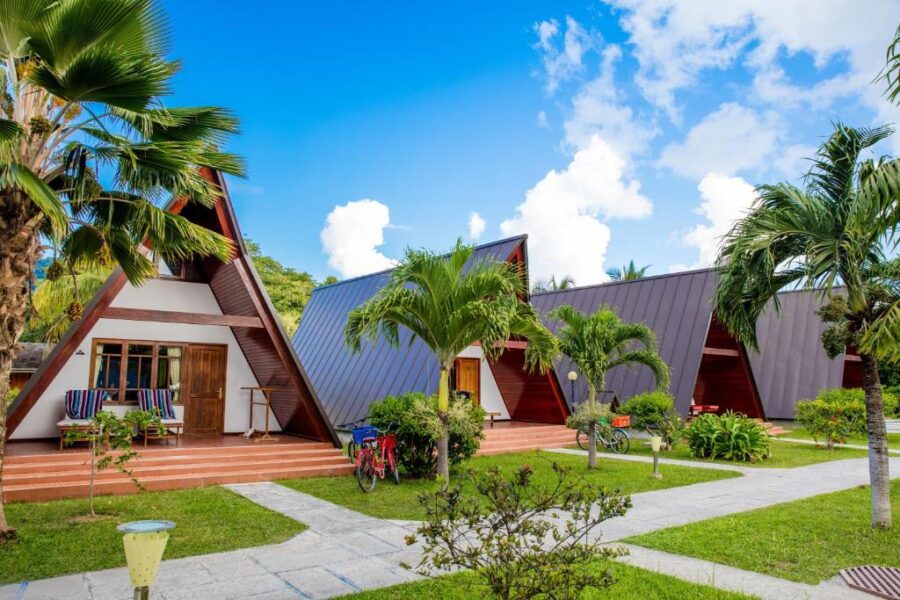
For a sweet spot between comfort and value, look at La Digue’s mid-range hotels—many just steps from the beach. La Digue Island Lodge is one of the island’s classics, right on Anse La Réunion, with traditional chalets under swaying palms.
These places have a local feel and you actually get to know the staff. The Repaire Boutique Hotel & Restaurant is another good call—small, sea-view rooms, and a laid-back vibe. You might spend afternoons cycling to Anse Source d’Argent, then head back for wood-fired pizza.
You’ll get basics like air conditioning, on-site dining, and sometimes a pool. Rooms are tidy, service is warm, and things feel relaxed rather than overly formal. For many, these mid-range options offer the best value.
Typical price range: €200 – €500 per night, depending on season and room.
Guesthouses and Self-Catering Apartments
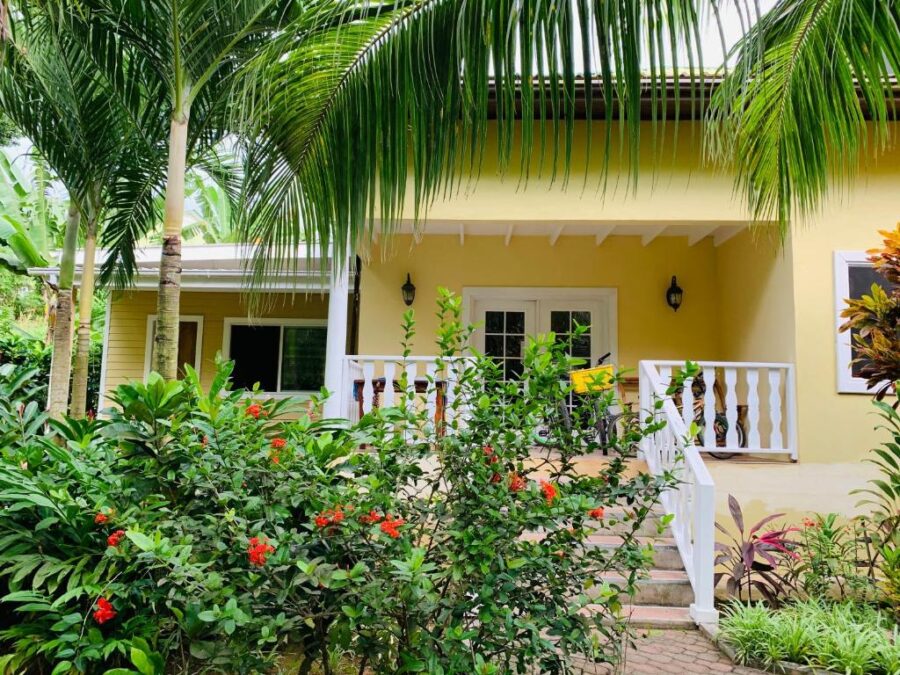
Prefer your own space and a slower pace? La Digue has tons of guesthouses and self-catering spots. O’Soleil Chalets and Lianita’s Cottage give you a kitchen, a private terrace, and the freedom to shop the local market for your next meal.
Cooking can become part of the adventure. I’ve bought snapper straight from a fisherman pulling his boat onto the sand—can’t get more direct than that. Guesthouses usually include Wi-Fi, air conditioning, and bike rentals. Some hosts can help you set up boat trips or snorkeling if you ask.
This style of stay is for anyone who wants flexibility and a bit of island routine: breakfast on your veranda, beach by midday, maybe a nap when the heat kicks in. Prices often start around €100 per night for two, sometimes less off-season. It’s practical and quietly authentic—just right for travelers who want La Digue on their own terms.
Unique Stays and Local Experiences

Staying on La Digue is about more than just picking a bed near the sand. It’s a chance to sync up with the island’s slower rhythm. You’ll pedal past Union Estate’s vanilla vines and end your day barefoot on Anse Source d’Argent’s granite rocks. Every place to stay, whether big or small, seems to lean into that idea: live easy, stay close to nature.
Beachfront Bungalows
Beachfront bungalows on La Digue are what you probably picture—morning swims, sunsets from your porch, no shoes required. Many small guesthouses line Anse La Réunion or Anse Severe, so your view changes with the tide.
Most bungalows use Creole design—reclaimed wood, open layouts, and outdoor showers. Shaded verandas let you catch the breeze, and some villas near Anse Severe even have barbecue spots for grilling your market haul.
If you want to fill your days, you’ll find plenty of day trips and excursions—from marine parks to snorkeling off nearby islands. Easy beach access means spontaneous swims or night walks under the stars are always on the table.
Eco-Friendly Options
La Digue punches above its weight for sustainable stays. Some guesthouses use solar panels, collect rainwater, and landscape with native plants. You’ll spot recycling bins, bamboo furniture, and other small steps that actually matter.
There’s a place near Union Estate where you can walk or bike to see the coconut oil mill and tortoises. It’s quiet, with sea and birds as your morning soundtrack. Eco-stays here often encourage habits like shorter showers or refillable bottles.
Many arrange local tours and nature activities with guides who know the island’s trails and wildlife inside out, helping you see how closely the community and environment are linked.
Family-Friendly Choices
Traveling with kids or just want more space? La Digue has several villas and small hotels that make family trips easier. Stays near La Passe put you close to bike rentals and shops. Inside, you’ll usually find kitchenettes, washing machines, and shaded patios for unwinding.
Some self-catering lodges near Anse Source d’Argent have private gardens where kids can run around safely while adults relax outside. Board games replace screens, and bike rides are a daily thing.
These family spots keep things simple—easy check-in, flexible meals, and a focus on enjoying the island together.
Tips for Booking Your Stay
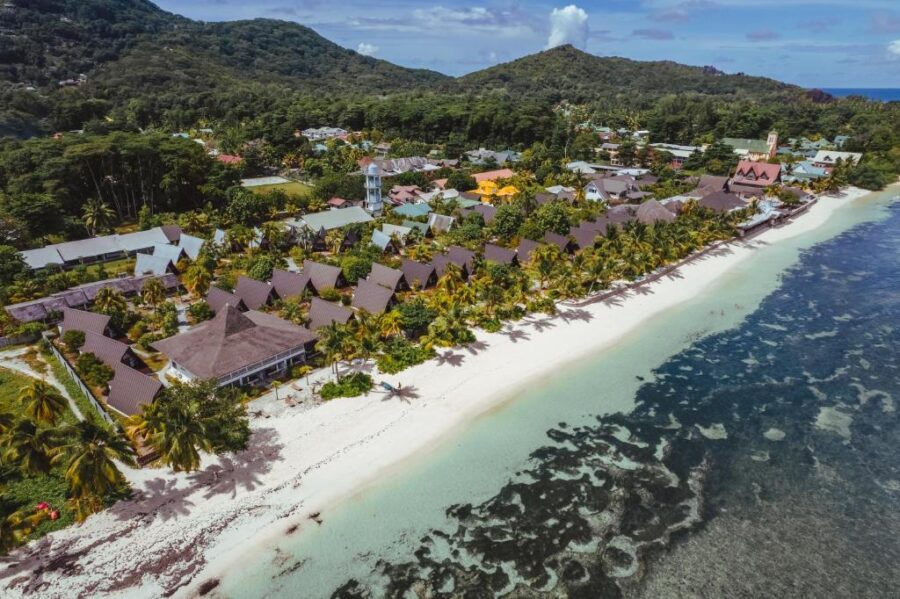
A bit of planning goes a long way on La Digue. Small guesthouses and beachside hotels fill up fast, especially in dry season. Knowing when to book and what to sort out before you arrive can really smooth out your trip.
When to Book and Seasonal Insights
La Digue’s main seasons: May to September (dry, great for cycling and swimming), and December to April (warmer, more rain). For holidays or European summer, book three to six months ahead.
Ferries and hotels can get packed. I’ve made the mistake of waiting too long in August and ended up dragging my suitcase around looking for a bed. Don’t repeat that.
If you’re flexible, shoulder seasons like March or late October offer lower rates and quieter beaches. Use sites like Expedia to compare quickly, and always double-check cancellation policies—ferry schedules and weather can change plans.
What to Know Before Arrival
La Digue is tiny, and its simplicity can surprise people. Almost everyone gets around by bike or on foot; taxis are scarce and pricey. Choose a place that provides bikes or helps you rent them.
Most hotels require a cash or card deposit at check-in. ATMs exist but sometimes run dry on weekends, so bring some local currency. Ferries usually go through Praslin, and late arrivals may mean an overnight stop.
Outlets are UK-style, tap water is generally safe, and Wi-Fi can be patchy. Pack light—sandy roads aren’t suitcase-friendly. Most importantly, bring patience; things move at island pace.
Frequently Asked Questions
La Digue has a relaxed charm that makes it easy to slow down. The island’s range covers everything from beachfront resorts with private decks to little guesthouses tucked behind coconut trees. Where you stay really depends on your travel style—romantic, comfortable, or just simple and peaceful.
What are the best accommodations for couples seeking a romantic stay in La Digue?
For intimacy and views, Le Domaine de L’Orangeraie is a standout. The villas sit in tropical gardens, and some have outdoor showers and shaded verandas facing the water. I once spent an evening there sipping tea at sunset—one of those moments that sticks with you.
Le Nautique has a similar cozy-but-upscale vibe. Right on the beach, so you’ll hear waves at night. Couples love it for quiet dinners by the water, away from big resort crowds.
How do I choose the ideal resort or lodge for a memorable La Digue island experience?
Think about your daily plans. If cycling to hidden coves and local cafés sounds appealing, stay near La Réunion—it’s central, with easy bike rentals and restaurants.
For privacy, look farther south near Grand Anse or in L’Union Estate. The beaches there feel untouched, and nights are blissfully quiet. You’ll trade some convenience for serenity, but it’s usually worth it.
Can you recommend top-rated hotels or villas in La Digue for luxury travel?
A few places really deliver on comfort without going overboard. Le Relax Luxury Lodge has an infinity pool overlooking the sea, and Le Domaine de L’Orangeraie remains the top pick for its spa and open-air villas.
Le Nautique Luxury Waterfront Hotel blends modern design with Creole touches. The service feels more personal than at most bigger resorts in the region.
What options are available for budget-friendly stays on La Digue island?
You’ll mostly find small guesthouses, not hostels. Zanboza Guesthouse and Buisson Guesthouse both offer simple, air-conditioned rooms close to beaches. Breakfast is usually included, which helps stretch your travel budget.
If you want to cook, La Digue Self‑Catering Apartments are a smart choice. The kitchens let you whip up quick meals with local fruit or fresh fish. It’s an affordable way to settle in for a few days.
For a complete La Digue visit, how many days are typically recommended?
You could technically do a day trip from Praslin, but you’d miss the point. Two or three days lets you see beaches like Anse Source d’Argent, bike into the forest, and still have time to relax.
Three nights is the sweet spot. Any longer, and you’ll start to slip into the island rhythm—which, let’s be honest, isn’t a bad thing.
Between La Digue and Praslin, which island offers a better accommodation experience?
Praslin gives you bigger resorts and a livelier scene after dark, but La Digue’s charm is hard to match. Here, you’ll bike from your guesthouse to the beach in minutes, pass the same shop owner each morning, and actually feel like you belong.
Looking for luxury and convenience? Praslin’s probably your pick. But if you want real island calm and intimate, character-filled stays, La Digue’s the clear winner.


