

Last modified August 17, 2026
Choosing where to stay in the Dolomites is trickier than it looks. The region sprawls across northern Italy, with jagged peaks, turquoise lakes, and little towns that each offer something unique.
Those winding mountain roads? They’ll turn a short distance on the map into a two-hour drive. Your ideal base in the Dolomites really comes down to how much time you’ve got, what you want to see, and whether you’d rather be hiking or driving.
This guide cuts through the overwhelm. Here’s a fast breakdown of the top areas—think Cortina d’Ampezzo in the east, Val Gardena and Alta Badia in the west—plus who they actually suit. You’ll find hotel recommendations for every budget, from no-frills B&Bs to spa hotels with mountain vistas.
Plan smart, and you’ll wake up to sunrise over a UNESCO World Heritage site—without losing half your day to traffic jams. Let’s get you there.
Key Takeaways
- Find out which Dolomites areas match your travel style and schedule
- See top stays for all budgets in both eastern and western Dolomites
- Skip hours of research with clear, honest tips on picking your base
How to Choose the Best Place to Stay in the Dolomites
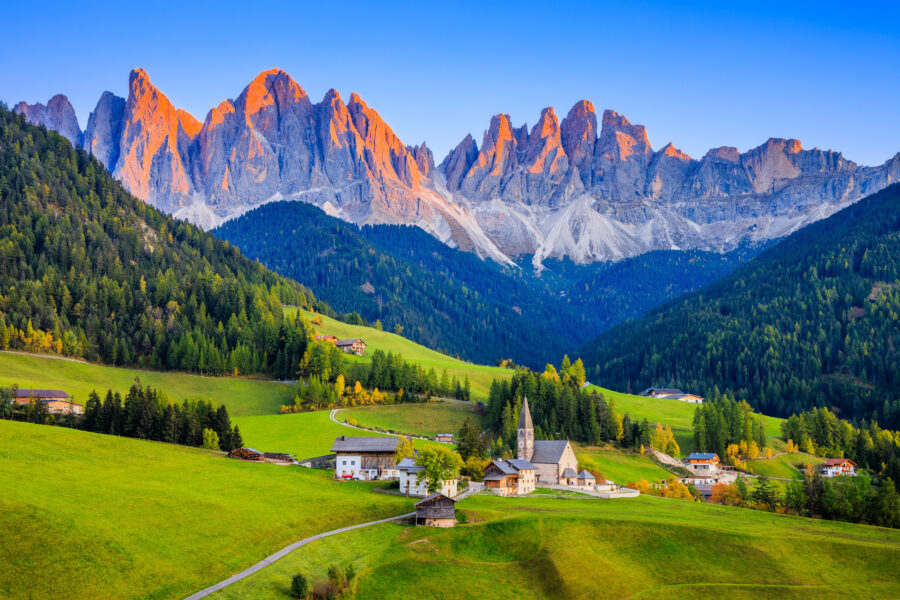
Where you stay shapes what you’ll see, how much you’ll drive, and the views outside your window. The best base depends on your itinerary, the sights on your wishlist, the season, and your transport plans.
Trip Duration & Itinerary Planning

First, figure out how many days you’ll spend in the Dolomites. If you’ve only got a day or two, stick to one town—Cortina d’Ampezzo or Selva di Val Gardena work well.
From there, you can reach several iconic hikes and viewpoints without much fuss. Don’t underestimate those mountain roads—they’re slow, twisty, and sometimes jammed.
With three days or more, consider splitting your stay. Spend half in the east, half in the west.
You’ll avoid endless backtracking and actually enjoy more time on the trails. When I first mapped out a Dolomites trip, I realized moving bases once mid-trip was way more efficient than trying to see everything from one spot. Travel light if you’re switching hotels—it’s easier than lugging big suitcases around, and you’ll get to wake up to fresh scenery every couple of days.
East vs. West Dolomites Overview

People usually talk about the Dolomites as east and west, and honestly, the two halves have different personalities.
- Eastern Dolomites: Sharper peaks, those famous turquoise lakes, and headline hikes. Tre Cime di Lavaredo, Lago di Braies, and Cortina d’Ampezzo all sit here. It’s busy in summer, but the scenery is wild.
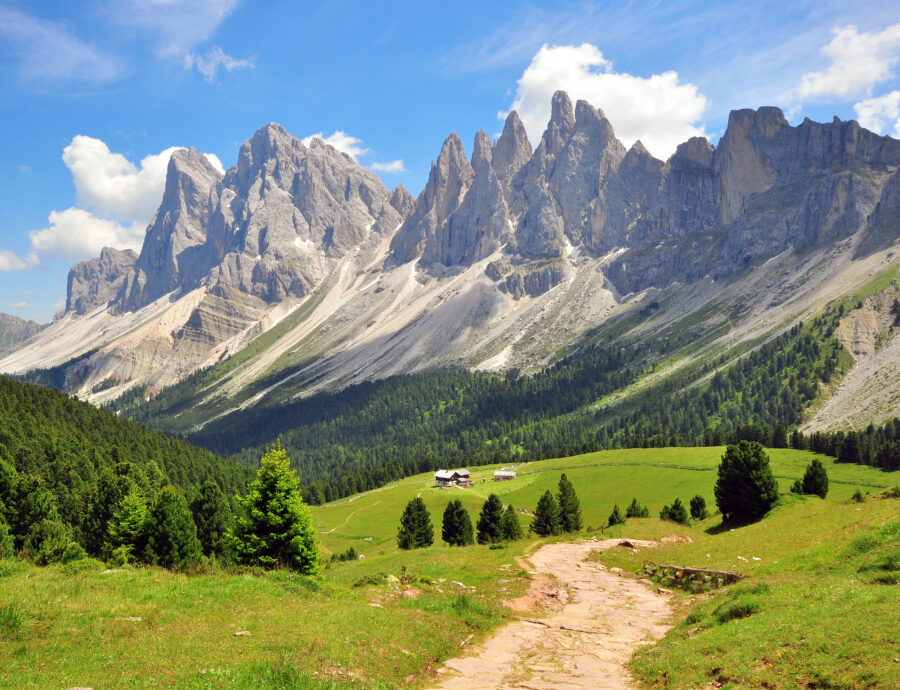
- Western Dolomites: Think green valleys—Val Gardena, Alpe di Siusi, Val di Funes—and a calmer, softer feel. Chalets here blend modern alpine style with old-school mountain calm.
If you’re after those classic Dolomites photos or it’s your first visit, the east is hard to beat. For rolling meadows, smaller towns, and a slower pace, the west is a better fit. I can’t really pick a favorite—it’s all about your mood and how much you want to drive.
Seasonal Considerations: Summer vs. Winter
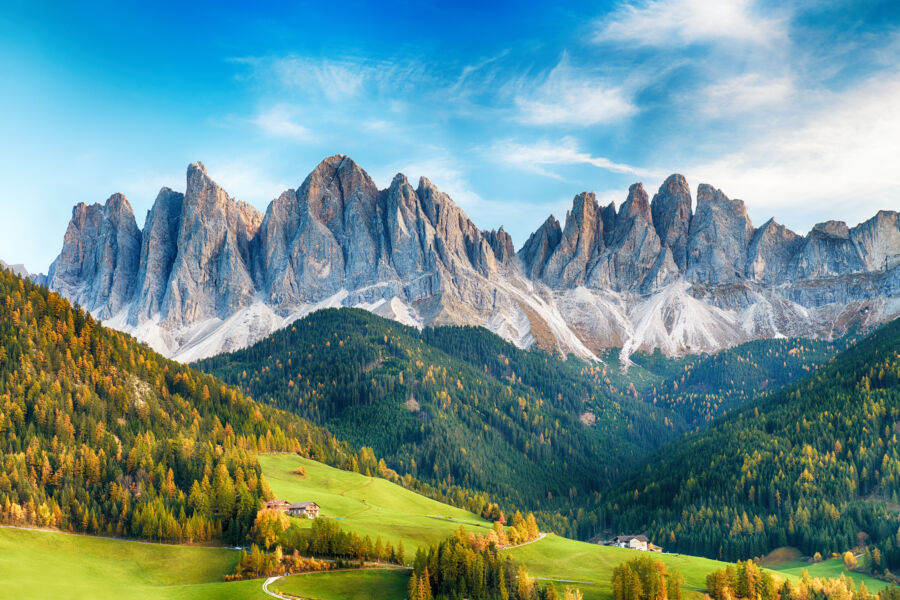
The Dolomites flip personalities with the seasons. Summer means open trails, daily cable cars, wildflower meadows, and lakes you’ll want to photograph (or maybe swim in, if you’re brave). Towns like Ortisei and Cortina buzz with hikers grabbing espresso before sunrise.
Winter brings skiing front and center. Resorts like Val Gardena and Alta Badia join up for the Sella Ronda circuit. Villages get quieter, cozier, and smell like pine and woodsmoke.
Roads can get icy, and hotel prices spike around the Winter Olympics. If you want my two cents, late September is a sweet spot—crowds thin out, trails calm down, and the larch trees turn gold.
Transportation and Accessibility
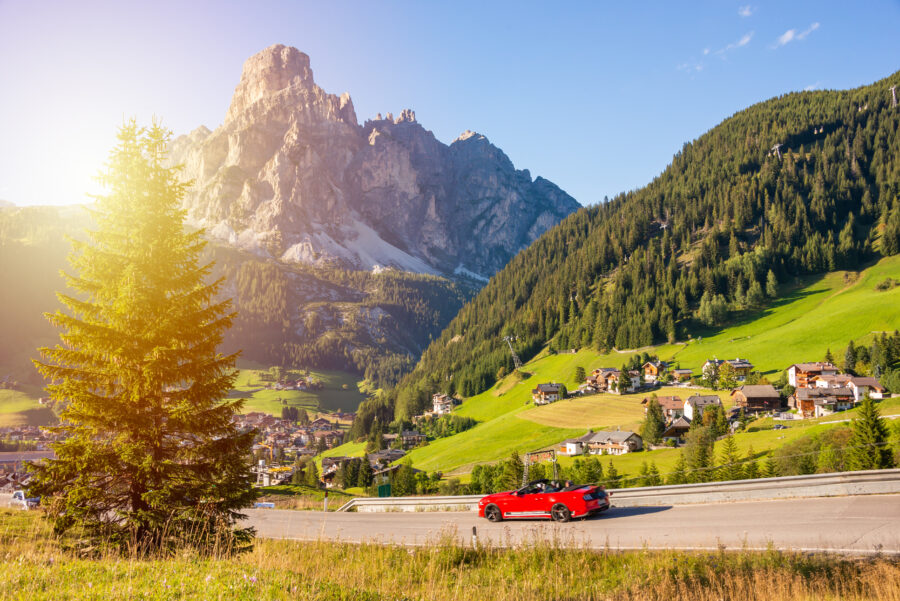
Getting around the Dolomites isn’t as simple as hopping on a train. Public buses and cable cars link many towns, but off-season schedules can be sparse. If you’re skipping a rental car, Val Gardena (Selva or Ortisei) is your best bet—good transport, lots to do close by.
With a car, you can chase sunrises in Val di Funes or explore tucked-away valleys like Alta Badia. Just know driving is slow—hairpins, narrow passes, and the occasional cow traffic jam. Early mornings are your friend for beating the crowds.
Parking is usually free in small villages, but bigger towns might charge. Staying close to a main road or cable car station saves hassle. It’s a small thing, but it makes a big difference.
Best Areas to Stay in the Eastern Dolomites
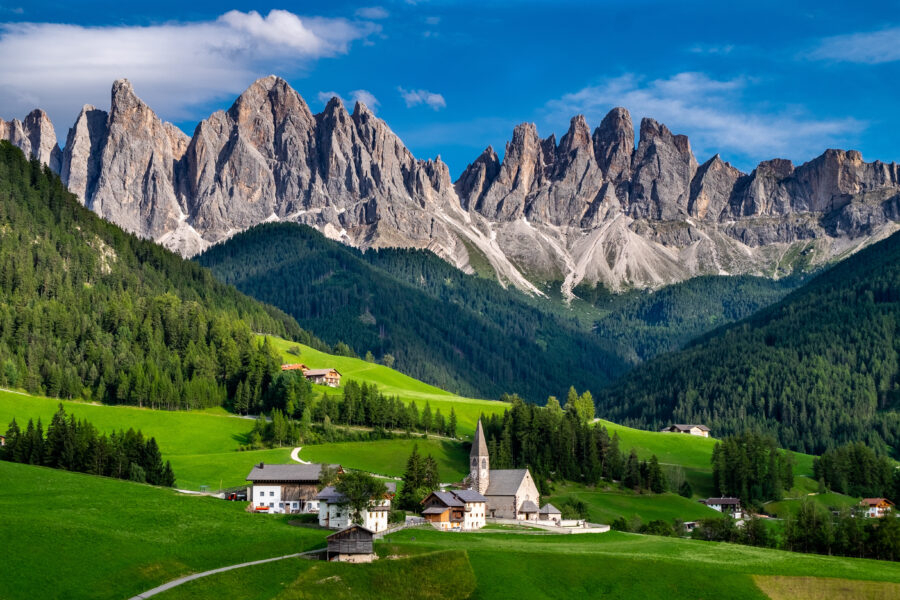
The eastern Dolomites pull you in with jagged peaks, blue-green lakes, and winding valleys that feel untouched. Mountain towns here balance adventure with quiet comfort, plus you’re near icons like Tre Cime di Lavaredo and Lago di Braies. Each spot has its own pace—some lively, some slow.
Cortina d’Ampezzo: Resort Town with a Pulse

Cortina d’Ampezzo anchors the Ampezzo Valley and works as the region’s classic base. You’re right by Cima Tofana, Cinque Torri, and trailheads for Lago di Sorapis and Cadini di Misurina. Many hikes start near town, and cable cars or local buses can get you to others.
Cortina’s got energy—high-end shops, busy cafés, ski lifts that turn into hiking routes in summer. I tend to grab a coffee early, then hit the trails before the daytrippers show up. Parking is tight in peak season, so book a hotel with a spot if you can.
Why Stay Here:
| Pros | Cons |
|---|---|
| Central for major hikes | Crowded July–August |
| Big range of hotels and food | Higher prices |
| Great for short visits | Not much for tight budgets |
Alta Pusteria & Dobbiaco: Calmer Valleys and Lakes

Up north, Alta Pusteria feels wide open and peaceful. Dobbiaco is great if you like gentle scenery over dramatic peaks.
You’re still close to Tre Cime di Lavaredo, but it’s quieter than Cortina. Forest trails start right in town, and you can bike to Lago di Dobbiaco in minutes.
Dobbiaco works well for slow mornings and easy evenings. Think guesthouses with homemade dumplings, small inns with sauna views over fields, and a pace that’s almost meditative.
Braies and San Candido: Alpine Calm
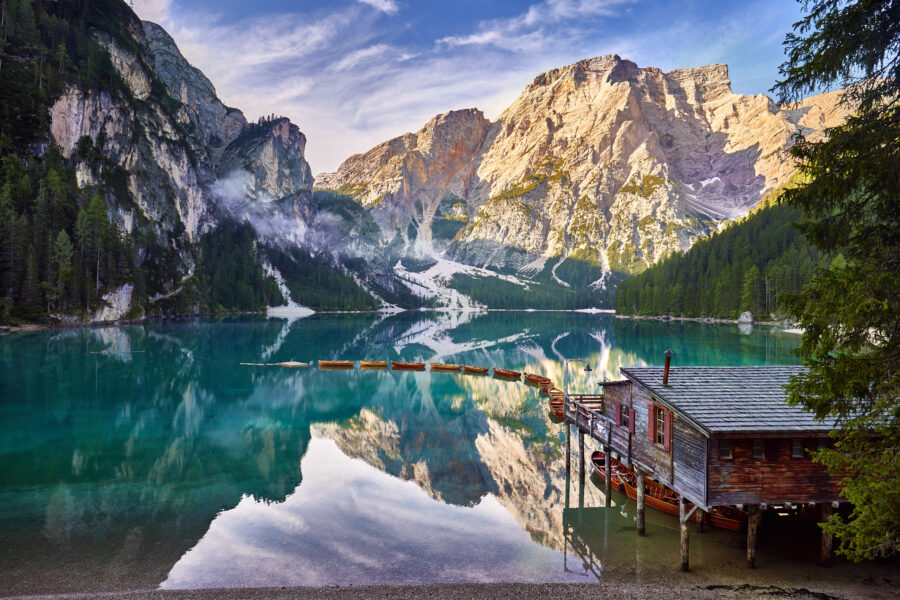
Braies and San Candido sit on the Dolomites’ gentler side, surrounded by farm valleys and steep cliffs. Lago di Braies is wildly popular on Instagram, so aim for early or late visits for some quiet. Trails circle the lake and climb into peaceful ridges where crowds thin out.
San Candido has a compact center, a train station, grocery stores, and friendly family-run hotels. The church square is a local hangout, with kids biking through after school.
See Related: Best Places to Visit in Italy This Year
Top Destinations in the Western Dolomites

The western Dolomites blend rugged peaks with soft valleys, where trails start right from town. Stay here for fast access to Seceda, Alpe di Siusi, and smaller towns worth lingering in.
1. Val Gardena: For Hikers & Culture Fans

Val Gardena sits between the Sella Group and Odle peaks, so hiking options are endless. Cable cars shoot you up to the ridgelines, and trails crisscross meadows and forests. The valley’s main towns—Ortisei, Santa Cristina, and Selva—are all connected by lifts and buses.
This area is Ladin-speaking, with traditions rooted in woodcarving and mountain life. The Puez–Odle Nature Park is up north, packed with limestone cliffs and the famous Seceda ridge—honestly, it’s one of the most photogenic spots in South Tyrol. Sunsets? The peaks turn a soft pink that’s tough to capture on camera.
2. Ortisei, Selva & Santa Cristina: Which Village Fits?

Each of Val Gardena’s three main towns has its own feel. Ortisei is lively, with lifts to Seceda and Alpe di Siusi.
You’ll find art galleries, bakeries, and sleek mountain hotels with spas. Santa Cristina sits in the middle—balanced, quieter, but with easy access to both Seceda and Sella. Restaurants are good, and chalets are cozy.
Selva di Val Gardena sits right below dramatic Dolomite cliffs, steps from the Puez–Odle trails. Shops and cafés line the main street, but you can hit hiking paths in minutes. Parking fills up fast—arrive early.
| Town | Best For | Highlights |
|---|---|---|
| Ortisei | Convenience, culture | Seceda lift, Alpe di Siusi access |
| Santa Cristina | Balance, peace | Family stays, central valley location |
| Selva | Hiking, mountain vibe | Puez–Odle trails, close to passes |
3. Val di Funes & Santa Maddalena: Classic Alpine Views

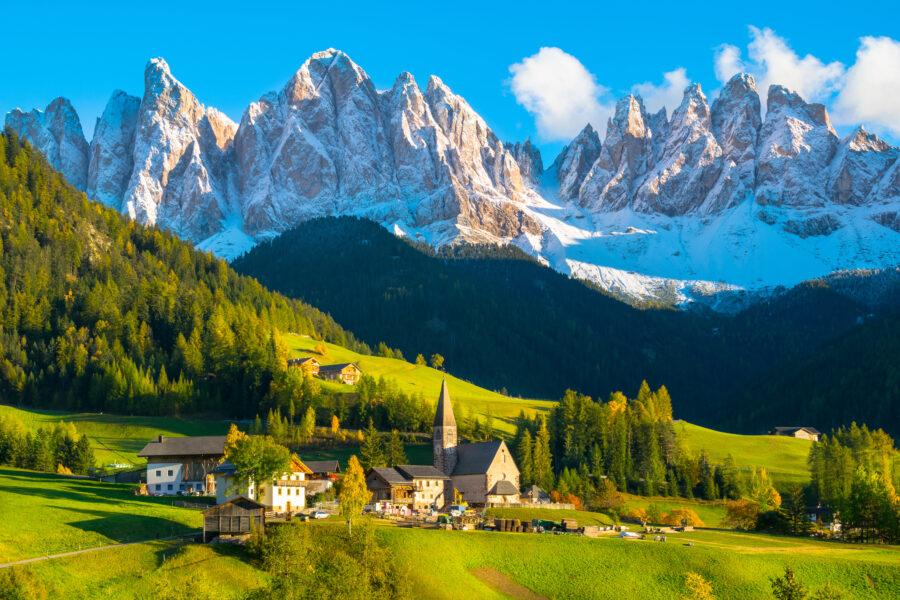
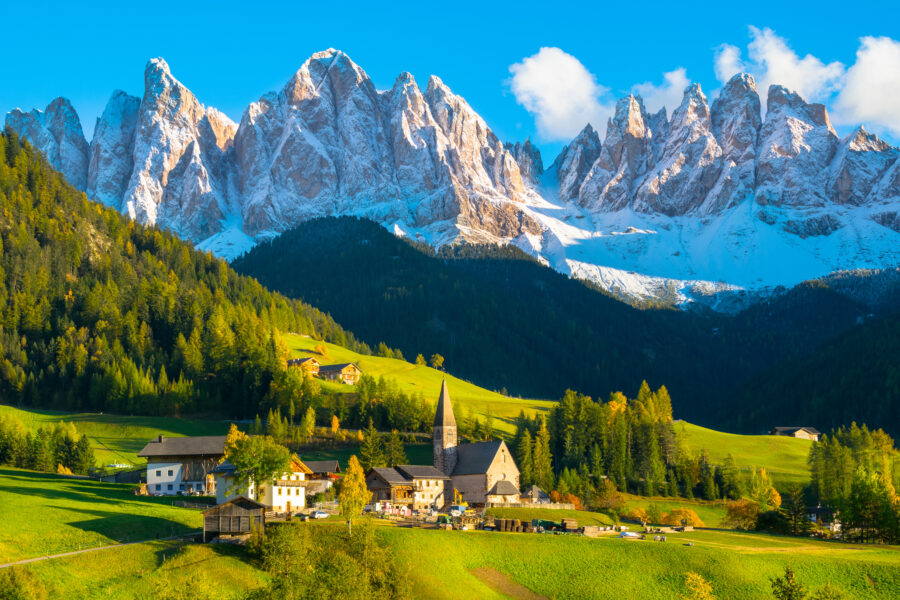
Val di Funes is quieter and smaller than Val Gardena, but it’s the valley from the postcards. That green slope with the tiny church under sharp peaks—the Santa Maddalena Church (aka San Giovanni Church)—is here.
There aren’t cable cars or ski lifts, just gentle trails through pastures and woods. The Adolf Munkel Trail is the classic walk, a few hours with steady views of the Odle mountains.
Small guesthouses are the move—nights get so quiet you’ll hear cowbells echoing across the valley. It’s about slowing down: good food, mountain air, and maybe just one great hike a day. If skies are clear, pack a picnic and head up behind Santa Maddalena for one of the Dolomites’ best views.
Highlight: Alta Badia’s Charming Villages
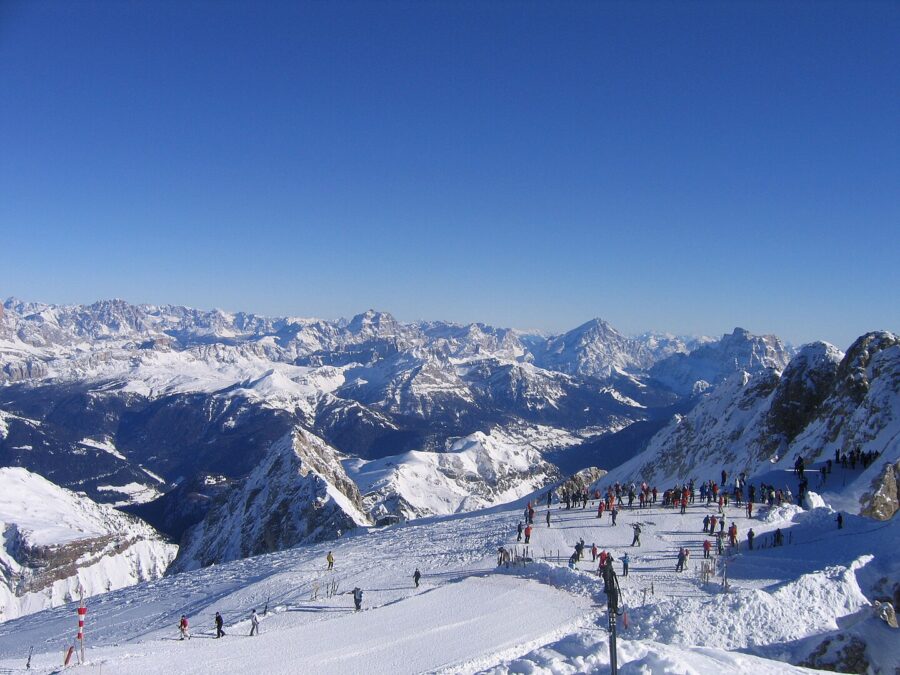
Alta Badia sits in a valley framed by sharp Dolomite peaks and quiet, grassy slopes. It feels both remote and refined—part of the vast Dolomiti Superski network, yet small enough that you can walk almost everywhere. Each village carries its own rhythm, shaped by mountain life, Ladin culture, and a shared love of good food.
4. Corvara: Heart of Mountain Luxury

You’ll probably pass through Corvara first—it’s the main hub of Alta Badia and sits right on the Sellaronda ski circuit. Ski lifts rise straight from the center toward Piz Boè, letting you reach both Gardena Pass and Passo Pordoi without touching your car. In winter, that ski-to-door access is a game changer.
Corvara’s polished, but never stuffy. Hotels here blend classic wood with that sharp “alpine-modern” look South Tyrol does so well.
Food is a big deal—many upscale hotels run kitchens that could rival fine restaurants elsewhere in Italy. After a day on the slopes or trails, you can unwind in a quiet spa with the mountains glowing pink outside your window.
Quick Facts:
- Best for: Ski convenience, luxury stays, varied dining
- Access: Direct link to Sellaronda and Dolomiti Superski
- Tip: Book half board—hotel dinners here rarely disappoint
5. La Villa & Badia: Quiet Alpine Charm
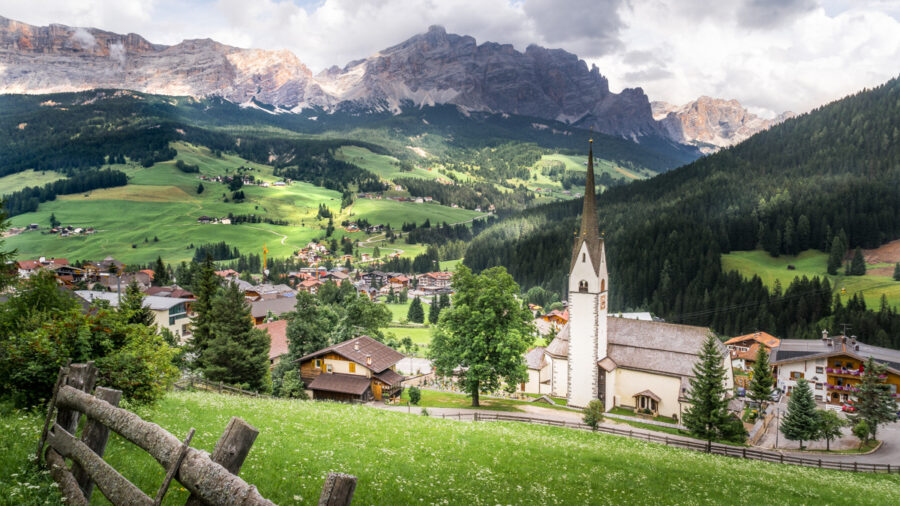
Drive ten minutes south from Corvara and you’ll notice things slow down. La Villa and Badia are calm, open villages ringed by pastures. If you’d rather start your day with a quiet walk than a late night out, these spots work well.
From La Villa, lifts head up to the Gardenaccia Plateau, where peaceful trails overlook the valley. Accommodations are simple: family-run hotels, small spa lodges, and apartments that actually feel like home.
Badia sits a bit lower and gives you easy access to La Crusc and the Armentara Meadows—lush, green, and ideal for exploring by foot or bike. It’s a good base for branching out to other valleys like Val Gardena without dealing with crowds.
At a glance:
| Village | Character | Best For |
|---|---|---|
| La Villa | Scenic meadows, central location | Easy hikes, families |
| Badia | Traditional and peaceful | Wellness, culture, flexibility |
6. San Cassiano: Gourmet Getaways

San Cassiano is smaller, more refined, and quietly confident. It sits west of La Villa, close to Fanes-Sennes-Braies Nature Park, with winding roads up to high passes. Step into the main square and you’ll see how everything looks so considered—like a village that’s always cared about good food.
Food really takes the spotlight. Several restaurants have Michelin stars, but honestly, even the bakeries stand out. After hiking the Fanes Group or driving over Falzarego Pass, you can settle in for a meal that shows alpine cooking can be light and creative.
The village offers a good mix of wellness hotels and boutique stays. If fine dining and quiet evenings sound perfect, San Cassiano is an easy choice.
See Related: New Train Routes in Europe to Explore
Specialty Stays: Unique Experiences Across the Dolomites
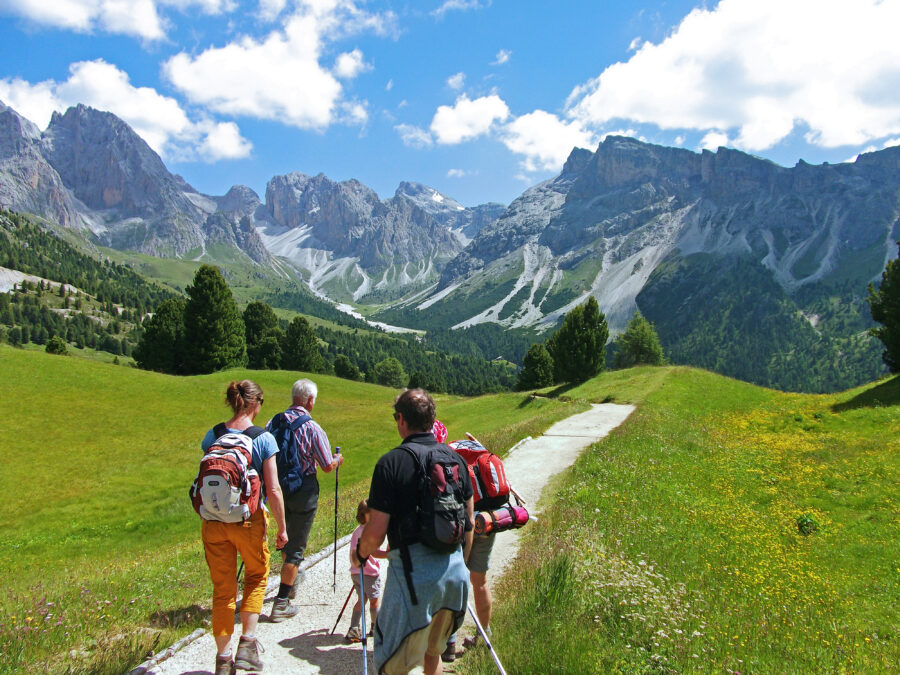
Every corner of the Dolomites brings a different vibe. Some places offer quiet mornings above alpine meadows, others drop you near lively South Tyrolean towns or deep valleys ready for adventure. It’s really about how you want to feel when you wake up.
7. Alpe di Siusi: Meadows & Mountain Plateaus

Up on Alpe di Siusi, the air feels lighter, cleaner. This huge plateau sits below Sassolungo, where you can wander meadows that buzz with cowbells in summer and ski across open trails in winter. Staying near Compatsch means you’re right on the plateau, so you can catch sunrise before the crowds show up.
Some mountain lodges here only welcome guests who arrive by cable car or e-bike, which keeps things peaceful. Evenings are for watching clouds drift by from your chalet balcony. For extra comfort, family-run hotels with saunas and wood stoves make a cozy end to long hikes or rides.
8. Carezza & Val di Fassa: Families and Outdoor Lovers
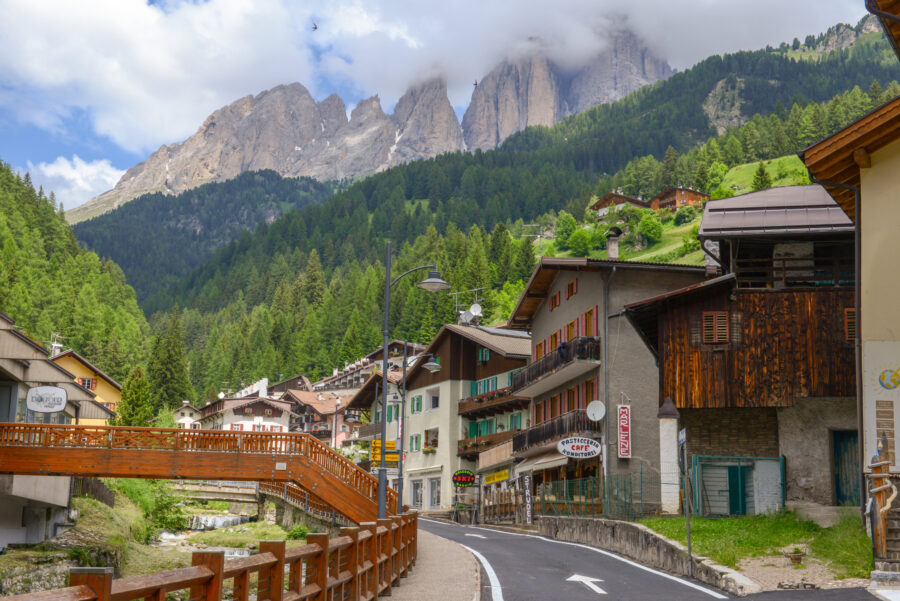
Carezza and Val di Fassa are where the Dolomites feel playful. The landscape is made for movement—cycling, skiing, snowshoeing, or just letting your kids run wild by the lakeshore. Small family-run hotels near Lago di Carezza are a favorite; the lake glows pink at sunset thanks to the Latemar peaks.
Val di Fassa, tucked between Canazei and Vigo, has ski lifts that start practically at your doorstep. Many hotels offer gear storage and local guides who know the trails inside out. If you’re traveling with family, look for resorts that mix kids’ programs with wellness spas nearby—everyone gets their own kind of fun.
9. Bolzano & Brixen: South Tyrol City Breaks
When you want a break from mountain passes, Bolzano and Brixen show off the Dolomites’ city side. Both sit in South Tyrol and blend Italian and Austrian touches—espresso on one street, apple strudel on the next. Bolzano feels lively, full of markets and riverside cycle paths.
Brixen is quieter, known for its historic center and outdoor pools surrounded by vineyards. These cities make great bases for short hikes or a weekend away.
You can ride the Renon cable car from Bolzano into mountain air, then come back for dinner under the arcades. Hotels here usually mix modern design with alpine wood, so you get comfort and local style.
Best Hotels and Lodges for Every Budget
The Dolomites have unique stays for every style—from minimalist design hotels with panoramic spa decks to simple alpine guesthouses that hikers love. Each type of accommodation shows off a different side of the mountains, whether that’s fine dining, curated interiors, or just easy comfort.
Luxury Retreats & Design Hotels

In South Tyrol, Hotel Tyrol in Selva di Val Gardena nails the balance between Alpine tradition and modern detail. The rooms feel personal, and the food is all about local produce. For browsing or booking, Booking.com lists both new openings and restored chalets.
| Luxury Picks | Location | Notable Feature |
|---|---|---|
| Hotel de Len | Cortina d’Ampezzo | Design, wellness focus |
| Hotel Tyrol | Selva di Val Gardena | Rooftop spa, local cuisine |
| FORESTIS | Bressanone | Secluded mountain views |
Mid-Range Mountain Stays

The mid‑range category hits a sweet spot. These places keep you close to trails and lifts, with enough amenities to relax after a long day. Small family‑run lodges in Ortisei or Castelrotto usually include breakfast buffets loaded with homemade pastries and jam.
Here, service counts more than flash. Staff know the area and can tip you off to where the snow’s still good or which rifugio serves the best dumplings.
Most of these hotels sit along public transport routes, so you don’t have to rent a car. For comparing routes or deals, KAYAK makes it simple.
| Mid-Range Favorites | Location | Highlight |
|---|---|---|
| Hotel Lamm | Castelrotto | Rooftop pool |
| Alpina Dolomites | Compatsch | Ski-in access |
| Garni Aritz | Campitello di Fassa | Central base for hiking |
Budget Accommodations & Guesthouses
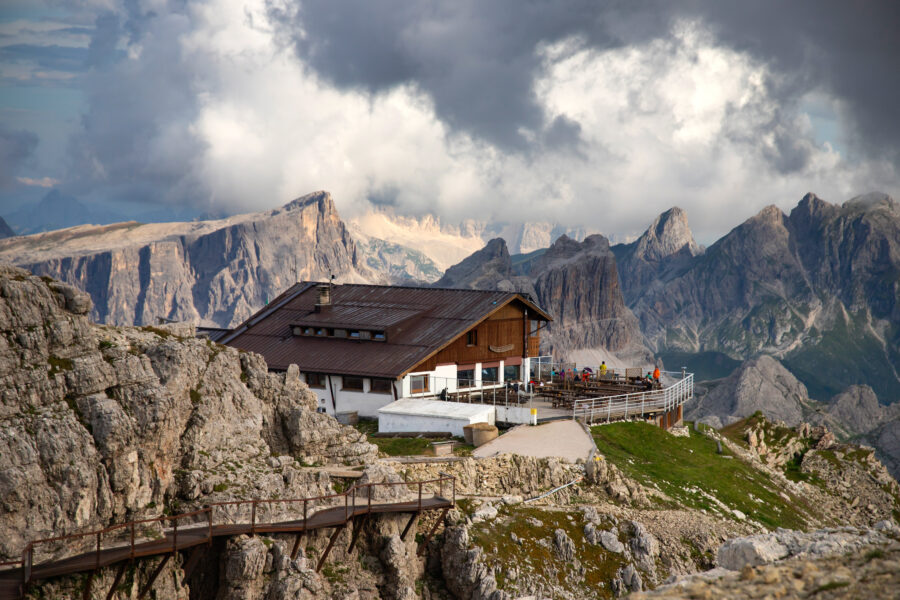
If you’re watching costs, there’s still plenty to love. In smaller valleys, simple guesthouses (gasthofs) and mountain rifugi offer clean rooms, shared lounges, and hearty meals for a fraction of resort prices. Expect friendly breakfast chats and the kind of local advice you won’t find in guidebooks.
Some hikers base themselves in budget hotels near Dobbiaco or Siusi for flexibility. These places usually include gear storage, so early-morning departures are easy. For regional deals and short stays, Expedia lists guesthouses and hostels across the region.
| Budget Options | Type | Perks |
|---|---|---|
| Rifugio Fanes | Mountain hut | Shared dorms |
| Gasthof Krone | Village stay | Breakfast included |
| Camping Olympia | Dobbiaco | Affordable cabins |
See Related: Hidden Boutique Hotels in Europe That Redefine Luxury
Frequently Asked Questions
Choosing a base in the Dolomites can really shape your trip. The right stay depends on your plans—skiing, hiking, family time, or scenic drives. How you get around and where you start also affect your route and timing.
What are the top accommodations in the Dolomites for winter sports enthusiasts?
If you love skiing or snowboarding, Cortina d’Ampezzo is a classic pick. It connects to the Dolomiti Superski area, giving you miles of linked slopes and lifts. Ortisei and Selva di Val Gardena are also excellent, especially if you want direct cable car access from town.u003cbru003eIn these resorts, you’ll fiind ski-in, ski-out hotels and lodges with saunas and heated pools—ideal after a cold day on the hill. These spots book up fast once snow season approaches, so arranging flights early through u003ca href=u0022https://cheapoair.pxf.io/yqoroDu0022u003echeap flight ticketsu003c/au003e is smart.
Which Dolomite towns are most suitable for families traveling with children?
Families usually do well in Val Gardena or Alta Badia. Both areas have safe walking streets, family-friendly cable cars, and playgrounds near the village centers.u003cbru003eOrtisei stands out for gentle beginner slopes and good indoor pools for rainy days. Many families rent small apartments instead of standard hotel rooms here—it gives you space to cook and relax after a long outing.
Can you recommend some hiking-friendly stays in the Dolomites?
For hiking, location is everything. Selva di Val Gardena puts you close to trails like Seceda and the Puez-Odle loop. On the eastern side, Cortina d’Ampezzo gives you quick access to Tre Cime di Lavaredo, Croda da Lago, and Lago di Federa.u003cbru003eHikers often stay in rifugi—simple mountain lodges right on the trails. They fill up months ahead in summer. Booking early through u003ca href=u0022https://www.getyourguide.com/?partner_id=VDAXC0Tu0026amp;utm_medium=online_publisheru0026amp;cmp=realjourneytravelsu0022 target=u0022_blanku0022 rel=u0022noreferrer noopener nofollow sponsoredu0022u003eGetYourGuideu003c/au003e helps if you want to combine lodging with guided hikes.
What are the best transport options for getting around the Dolomites without a car?
Buses and gondolas cover main routes between valleys in summer and ski season. You can hop between Cortina, Val Gardena, and Alta Badia using regional buses that link up with ski lifts or cable cars.u003cbru003eIf you like a more structured plan, joining small group tours via u003ca href=u0022https://www.viator.com/?pid=P00057290u0026amp;mcid=42383u0026amp;medium=linku0026amp;campaign=realjourneytravelsu0022u003eViator toursu003c/au003e works well. They offer pick-ups from nearby cities and make it easy to reach areas that are tricky on your own.
Which locations in the Dolomites offer the most scenic summer getaways?
Alpe di Siusi delivers those sweeping meadows and classic mountain huts that make you want to linger. Over in Alta Badia, San Cassiano and Corvara feel calm and open, with relaxed walking paths and plenty of sunny outdoor cafés.u003cbru003eCraving lake scenery? Lago di Braies gets all the attention on Instagram, but staying near Misurina puts you close to the water without the summer crowds. If you head out early, you’ll catch the best light for photos and enjoy quiet trails before the day gets busy.
From Venice, how should one plan a visit to the Dolomites, considering accommodation and travel?
Flying into Venice? That’s a smart spot to kick off a Dolomites trip, especially if you’re eyeing the southern ranges. You’ll want to rent a car or hop on a regional bus for Cortina d’Ampezzo—usually about a two-hour ride, but those mountain roads can slow things down, so don’t rush your schedule.u003cbru003eStart by booking a couple nights near Cortina; it’s a solid base for exploring and hiking. If you’re feeling ambitious and want more trails, shift west toward Val Gardena after. u003cbru003eHeading home, Venice is still your best bet for flights, so looping back keeps things simple. Before you lock in your plans, double-check u003ca href=u0022https://skyscanner.pxf.io/zxOjOmu0022u003eflight optionsu003c/au003e to make sure your route lines up with your schedule.