Bansko vs Madeira: Ultimate Guide to Ski, Nature & Culture
Updated November 23, 2025
Picking between Bansko and Madeira is almost like choosing between two parallel universes. One greets you with crisp mountain air and fresh snow; the other basks in sunlight, surrounded by endless blue ocean. If you’re after value-packed travel—whether you crave mountain adventure or seaside downtime—both Bansko and Madeira have something up their sleeve, just in totally different flavors.
Bansko hides away in Bulgaria’s Pirin Mountains, a wallet-friendly ski town that’s caught the eye of digital nomads and winter wanderers. Madeira, meanwhile, is Portugal’s lush island paradise where the weather barely changes, cliffs tumble into the sea, and life moves at a slow, satisfying pace. I’ve spent time in both, and honestly, each has its own magic—so it all comes down to what kind of escape you’re hunting for.
Table of Contents
- Key Takeaways
- Location and Accessibility
- Getting to Bansko
- Traveling to Madeira
- Proximity to Airports
- Nature, Scenery, and Landscape
- Mountain and Coastal Environments
- Pirin National Park and Natural Wonders
- Todorka Mountain and Surroundings
- Skiing Experience in Bansko
- Ski Resort Overview
- Piste Trails and Terrain
- Freeride and Off-Piste Areas
- Après-Ski and Nightlife in Bansko
- Après Ski Culture
- Traditional Mehana Taverns
- Dining and Entertainment Options
- Ski School and Services in Bansko
- Learning to Ski
- Ski Rentals and Lessons
- Accommodation and Hospitality
- Accommodation in Bansko
- Kempinski Hotel Grand Arena
- Lodging Options in Madeira
- Cost, Value, and Traveler Experience
- Cost of Living and Travel
- Best Time to Visit
- Local Insights and Lesser-Known Tips
- Frequently Asked Questions
- What are the top attractions to visit during the summer in Bansko?
- What unique winter activities can travelers experience in Bansko beyond skiing?
- Which destination offers better weather for a year-round vacation, Bansko or Madeira?
- How does the skiing experience in Bansko compare to other European ski resorts?
- Can Madeira cater to adventure seekers and what are the best activities?
- Book Your Dream Experience
- More Travel Guides
Key Takeaways
- Bansko brings affordable mountain thrills and a buzzing ski vibe.
- Madeira spoils you with warmth, ocean views, and that laid-back island rhythm.
- Whether you want snowy slopes or winding coastal trails, your travel style will tip the scales.
Location and Accessibility

Bansko sits high in Bulgaria’s Pirin Mountains, while Madeira floats far off Portugal’s coast in the Atlantic. One’s a landlocked alpine hideaway, the other a volcanic island that feels like another world. Sure, both are reachable, but the journey itself—how long you’ll spend in transit, and what it feels like—can really shape your trip.
Getting to Bansko
Most folks land at Sofia Airport (SOF), Bulgaria’s main international gateway. From there, Bansko is about 160 kilometers south—a two-and-a-half to three-hour drive, part highway, part twisting mountain road. Rental cars are easy to find, but in ski season, bus transfers and private shuttles are everywhere, shuttling skiers up to the resort.
Driving gives you room to roam, especially if you want to check out hot springs in Dobrinishte. Just a heads-up: winter roads can get slick after a snowstorm. There’s also a train, but it’s slow—think four hours or more. If you’re watching your budget, hunt for cheap flight tickets to Sofia, then sort out local rides once you’re on the ground.
The drive itself is kind of a highlight. You leave Sofia’s bustle behind, cruise through pine valleys, and then the Pirin peaks suddenly show up on the horizon. Rolling into Bansko finally feels like you’ve arrived somewhere special.
Traveling to Madeira
Madeira’s an island, so you’ll have to fly or, if you’re feeling adventurous, take a ferry. The main gateway is Cristiano Ronaldo International Airport (FNC) near Funchal. Direct flights come in from Lisbon and a bunch of European cities. If you’re coming from outside Europe, you’ll probably connect in Lisbon—it’s the path of least resistance.
Island arrivals go smoother than you’d think. The airport’s well set up, and travelers with reduced mobility get free assistance. Ferries from mainland Portugal exist, but flying is way faster and more reliable, especially if you value your time.
If you like to play around with dates and deals, tools like Skyscanner or Kayak are your friends for comparing flights. Once you’re on Madeira, the roads are surprisingly good, and it’s easy to get from coast to mountains—pretty impressive for an island that feels so far-flung.
Proximity to Airports
Bansko: About 160 km (100 mi) from Sofia Airport
Madeira: About 20 km (12 mi) from Funchal city center
| Destination | Nearest Airport | Distance to City/Resort | Typical Travel Time |
|---|---|---|---|
| Bansko, Bulgaria | Sofia Airport (SOF) | ~160 km | 2.5–3 hrs by car |
| Madeira, Portugal | Cristiano Ronaldo Intl (FNC) | ~20 km | 20–30 min by car |
Bansko’s transfer is a bit of a trek through the mountains—some days it feels adventurous, other days, honestly, a bit long. Madeira’s airport is so close to the capital that you could be sipping poncha in your hotel within half an hour.
If you’re all about convenience, Madeira’s proximity is tough to beat. But if you don’t mind a scenic mini road trip, Bansko’s winding approach might just set the mood for your stay. For flexible travel, poke around Expedia for flight and car rental bundles before you commit.
Nature, Scenery, and Landscape

Bansko and Madeira both stun with their landscapes, but the vibe on the ground couldn’t be more different. One wraps you in alpine silence, the other hums with ocean breezes, volcanic cliffs, and wild green. The scenery shapes everything—from how you move to how you feel about being there.
Mountain and Coastal Environments
People often underestimate just how different these two are. Bansko sits under the Pirin Mountains in Bulgaria’s southwest. You get deep pine woods, icy lakes, and jagged limestone that catches the last light of day. The town feels tucked in by the slopes—every stroll turns into a chance to look up and get a little lost in the view.
Madeira, meanwhile, is all about land clashing with sea. Basalt cliffs drop straight into the Atlantic, while green terraces and volcanic ridges climb above. Trails snake through the Laurisilva Forest, a UNESCO site where mist curls between ancient trees. I can still picture the view near Ponta de São Lourenço—the salt, the wind, the red rock, it’s just wild. Madeira’s always shifting between mountain and coast, so the scenery never really sits still.
Pirin National Park and Natural Wonders
Step into Pirin National Park and you’ll get a taste of real wilderness, at least by European standards. The park sprawls over 400 square kilometers around Bansko, filled with alpine meadows, waterfalls, and glacier-blue lakes. Some locals call it “Bulgaria’s alpine heart.” Once you see those peaks, you get it.
Hiking trails range from mellow forest paths to tough climbs up Vihren, the tallest summit. Edelweiss grows here, marmots whistle from the rocks, and the quiet is so deep your footsteps seem too loud. Pirin’s air is dry and crisp, not humid and lush like Madeira. It’s a landscape shaped by wind and ice, not rain and lava.
Quick highlights:
- Altitude: up to 2,914 m (Vihren Peak)
- Wildlife: chamois, eagles, owls
- Best time: late spring to early fall
Todorka Mountain and Surroundings
Just west of town, Todorka Mountain looms above Bansko, its three peaks—Small, Middle, Great Todorka—forming a dramatic ridge. In winter, they’re blinding white; in summer, shades of gray and green take over.
The Todorka area isn’t just for skiers. The Todorini Ochi lakes (“Todorka’s Eyes”) lie below, changing color with the shifting light. If you hike up early, you’ll probably have the place to yourself. The air bites a little sharper up there, and it’s definitely quieter than in town.
From those upper trails, you see the valley stretched out below—a patchwork of forest and fields that feels like it’s barely changed. Sometimes you just have to stop and remember why mountains still matter, even with all the noise and screens we live with now.
Skiing Experience in Bansko
You get a blend of scenic mountain runs, lively après-ski, and prices that don’t make you wince—Bansko’s got a real edge among Europe’s ski spots. The ski area mixes old-world charm with modern lifts and a good range of slopes, so newbies and seasoned skiers both find their groove.
Ski Resort Overview
Bansko sits at the foot of the Pirin Mountains, about two hours from Sofia. The resort’s grown quickly, attracting folks looking for an easier, more affordable alternative to big-name Alpine spots. The layout is compact—the gondola whisks you right from the town up to the slopes. No endless bus rides, no hassle.
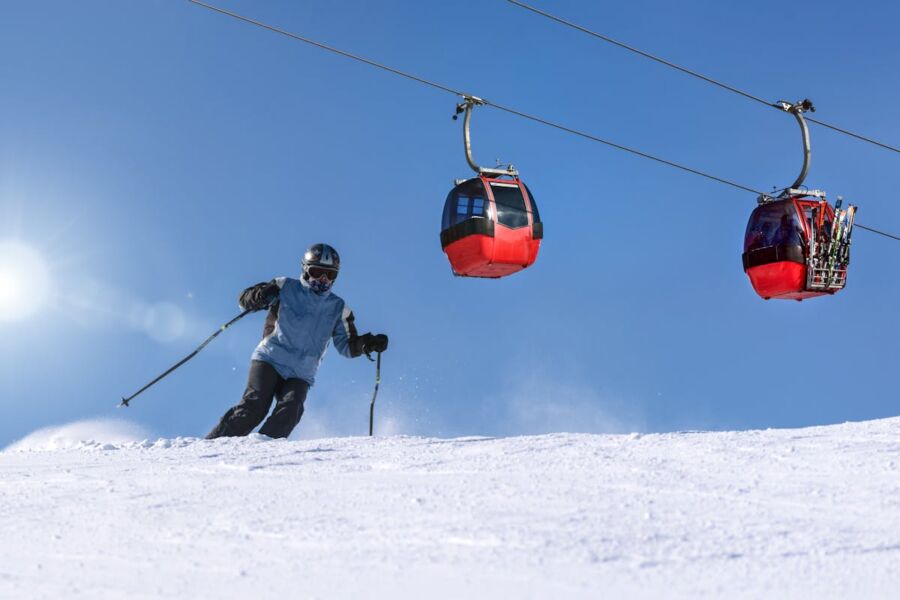
The ski area runs from 990 m to 2,600 m elevation, so there’s plenty of vertical. You’ll find about 75 km of pistes and 16 lifts—everything from speedy gondolas to old-school drag lifts. Most slopes have snowmaking, so even in a mild winter, you’re covered.
What I like? Bansko hasn’t lost its old town vibe. After a day on the hill, you can wander cobblestone streets or grab a meal at a cozy mehana. It’s that rare mix of culture and mountain adventure you don’t find everywhere.
Piste Trails and Terrain
Bansko’s slopes split nicely between easy, intermediate, and advanced. The Plato area up top is wide and sunny—great for building confidence. Intermediates flock to Shiligarnik and Mosta for their flowing red and blue runs.
Locals love the Ski Road, a 16 km trail winding all the way back into town. It can get icy late in the day, but coasting through the forest is something you’ll remember. Beginners find friendly ski schools near the upper gondola, while hotshots can try the Tomba black run—short, steep, and trickier than you’d expect for Bulgaria.
The piste map just makes sense. You won’t get lost, lift signs are clear, and lift passes are reasonable. That combo of simplicity and affordability means you can actually relax and ski at your own pace—which, honestly, is what a lot of us want these days.
Freeride and Off-Piste Areas
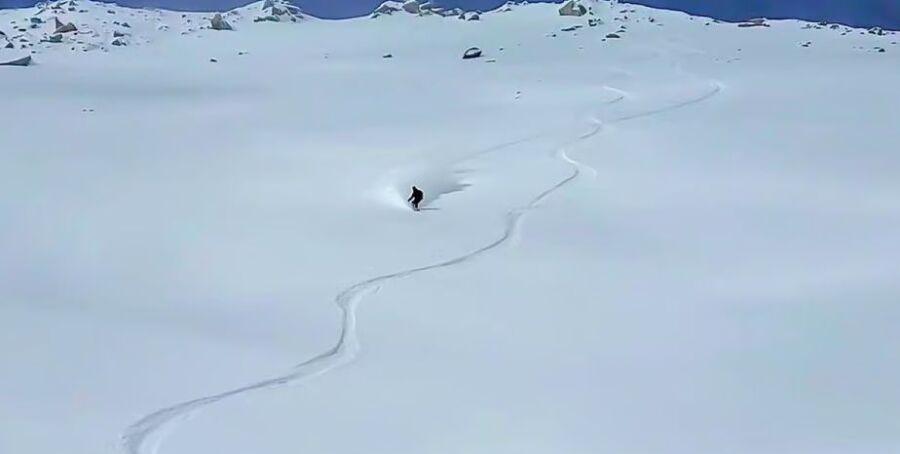
If you’re into off-piste skiing, Bansko won’t disappoint, though it’s not as wild as the Alps. The Chalin Valog area usually delivers great powder after fresh snowfall and feels less crowded than the main slopes. When the top lifts run, local guides sometimes take small groups into side valleys where the snow stays untouched longer.
I’ve ridden out toward the ridgeline near Todorka Peak, where the freeride terrain opens up dramatically. It gets steep in places, with cliffs and tree lines that really keep you on your toes. You definitely want a guide if you go far from the marked runs—forest sections can get confusing fast.
Snowboarders get plenty out of Bansko too. The park near Shiligarnik has rails, small jumps, and a halfpipe, enough for a fun afternoon session. The vibe’s friendly, and the freeride crowd keeps things laid-back. That mix of manageable scale and a bit of exploration makes skiing here feel adventurous but still pretty comfortable.
Après-Ski and Nightlife in Bansko

Bansko offers more than just good skiing. The town’s après-ski scene mixes mountain bars, thermal baths, and cozy mehanas that stay warm long after the lifts close. You’ll find locals and travelers gathered over mulled wine, live music, and hearty Bulgarian food until early morning.
Après Ski Culture
Après-ski in Bansko kicks off around mid-afternoon, just as skiers head down from Pirin Mountain. By 5 p.m., the bars near the gondola—like The Happy End and Hub 360—buzz with music, laughter, and the clink of beer glasses. Some folks prefer soaking in the nearby Banya thermal baths, swapping stories in steamy pools instead of crowded bars.
You don’t have to be a big partier to enjoy it. Plenty of spots serve up hot chocolate, cozy fireplaces, or just mellow background music. Bansko’s après-ski has its own rhythm—more relaxed than Austria or France, but still spirited. You’ll meet people from the UK, Bulgaria, Turkey, and all over Eastern Europe, sharing tales from the slopes. It feels inclusive, and somehow, everyone ends up dancing around 7 p.m. whether they planned to or not.
Traditional Mehana Taverns
After a few rounds at the bars, most locals head to a mehana, a traditional Bulgarian tavern. These rustic restaurants serve grilled meats, banitsa (savory pastry), and the famous shopska salad. Many feature log fireplaces and wooden décor, so you feel like you’re inside an alpine cabin from another century.
It’s as much about atmosphere as food. Musicians often play live folklore music—violins, accordions, and old songs you won’t forget. You can sip rakia (fruit brandy) while listening, or jump in if you know the tune. Locals love when visitors try a few phrases in Bulgarian—it earns instant smiles and sometimes another drink “on the house.”
If you want something lively but still authentic, Queens Pub mixes family-friendly dining with live shows and local performers. You’ll see kids, grandparents, and snowboarders all at the same table.
Dining and Entertainment Options

When dinner wraps up, nightlife stretches across Pirin Street, lined with pubs, wine bars, and late-night cafés. You might start at Amigo Pub for live rock covers, drop into Piano Bar Sing Sing for cocktails and jazz, then wander to The Lions Pub for a football match on TV.
If you’d rather keep it quiet, Wine & Tapas is a tiny bar tucked away near the gondola that highlights Bulgarian wines from small vineyards. The servers often recommend local bottles you wouldn’t find outside the country. The prices are fair, and sharing a board of cured meats there feels like a little secret.
And if you’re still awake past midnight, Bansko turns into a different place. Nightclubs keep going until dawn, with DJs mixing Balkan beats and dance music. You don’t have to stay all night, but there’s something unforgettable about stepping out into the cold mountain air after a few hours of dancing and seeing the slopes you skied earlier glowing under the moonlight.
Ski School and Services in Bansko

Bansko stands out for its well-organized ski schools and wide range of winter services that make it an easy destination for both beginners and experienced skiers. You’ll find skilled instructors, well-kept equipment, and flexible options for different budgets and learning styles.
Learning to Ski
If you’ve never set foot on a slope, Bansko makes the experience surprisingly comfortable. The town has several ski schools like Pirin 2000, Ski Mania, and MG Snow, all known for their friendly instruction and small group sizes. Classes usually start early in the morning near the main gondola, which keeps things simple when you’re just figuring out your gear.
You can pick group lessons for a social, budget-friendly approach or private lessons for more focused attention. Most instructors speak English and use clear step-by-step methods—helpful when you’re nervous about your first downhill run.
I remember my first attempt on a mild beginner slope near Bunderishka Polyana. The instructor kept reminding me to “lean forward, not back.” It sounds easy, but when you start sliding, instincts go the other way. By the end of the day, though, you’ll surprise yourself with how far you’ve come.
Ski Rentals and Lessons
Bansko’s rental shops line the streets near the gondola station, so you rarely walk more than a few steps to find boots, skis, or snowboards that fit. Many places, like Pirin 2000 Ski & Hire and Bansko Ski Masters, bundle rentals with lesson packages, saving both time and money.
Most shops check and tune their gear daily, so you’ll get well-waxed skis and solid bindings. Helmets are usually part of the deal, and I’d strongly suggest taking one—icy patches can catch anyone off guard.
You can book everything online ahead of time or on arrival. Price lists are often simple tables, such as:
| Service Type | Adult (per day) | Child (per day) |
|---|---|---|
| Ski or Snowboard Rental | €15–€20 | €10–€15 |
| Group Lesson | €25–€35 | €20–€30 |
| Private Lesson | €45–€60 | €35–€50 |
Booking early helps you dodge queues, especially during holiday weeks when the slopes get packed. And even if you’ve skied before, a quick refresher with a local instructor can make a world of difference on those first runs of the season.
Accommodation and Hospitality

You’ll find that Bansko and Madeira approach hospitality in very different ways. Bansko leans toward cozy mountain comfort and great value, while Madeira specializes in coastal elegance and warm island service. Each place treats visitors as guests rather than customers, but the style and setting couldn’t be more distinct.
Accommodation in Bansko
You can easily walk across town, so where you stay in Bansko really changes how your trip feels. The Old Town area offers charming family-run guesthouses tucked behind cobblestone alleys. If you like chatting with locals over homemade soup, that’s your spot. Just don’t expect luxury—expect authenticity.
Near the Gondola area, the vibe shifts to ski-town buzz. Modern apartments and mid-range hotels dominate here, especially those catering to digital nomads and skiers. It’s also convenient for coworking or quick access to the slopes in winter.
If you’re staying short-term, booking through comfortable hotels gives flexibility and a wide selection. For longer stays, many visitors rent furnished flats with saunas or a mountain view. Always check if heating and parking are included; winters get very cold in Pirin.
Kempinski Hotel Grand Arena
The Kempinski Hotel Grand Arena is easily Bansko’s most recognizable property. Sitting just steps from the main ski lift, it’s the kind of place you book when comfort matters more than cost. Inside, rooms overlook either the slopes or the town, and both sides feel equally scenic.
I stayed there once during a snowstorm and ended up spending an entire day by the spa instead of skiing. No regrets. The large heated pool and the Finnish sauna made that decision easy.
Service at the Kempinski feels polished but never stiff. Staff often remember your name and coffee order after just a day or two, which says something in a town that sees so many seasonal guests. It’s popular with families and couples, especially in winter, because everything—from ski passes to day trips—gets handled right through the concierge.
Lodging Options in Madeira
Madeira’s accommodations highlight scenery more than structure. Whether you stay in Funchal’s Old Town or among the ocean cliffs of Calheta, the island makes the view the star. You’ll find hilltop resorts with infinity pools, as well as small guesthouses with citrus trees in the courtyard.
Luxury travelers often pick five-star resorts like Savoy Palace or Reid’s Palace for their spas and historic charm. But mid-range travelers do well too. Madeira’s three- and four-star hotels usually include breakfast buffets loaded with fresh fruit, local bread, and strong coffee.
For something more intimate, boutique quinta (estate) hotels combine rustic architecture with modern touches. Many even produce their own wine. Accommodation here generally costs more than in Bansko, but you pay for the island’s constant spring climate and impeccable service that feels both genuine and unhurried.
Cost, Value, and Traveler Experience
Bansko and Madeira offer distinct lifestyles and travel experiences that appeal to different budgets and interests. Bansko gives you affordability and a compact mountain-town vibe, while Madeira combines scenic island living with moderate costs and higher-end services.
Cost of Living and Travel
Living or vacationing in Bansko is notably cheaper. Rent, groceries, and entertainment cost much less than in Western Europe. For instance, a one-bedroom apartment in town can be half the price you’d pay in Madeira. Day-to-day expenses—like a coffee or meal at a family-run place—rarely feel like a splurge. Even ski passes and mountain activities remain budget-friendly.
In Madeira, living costs rise, especially for housing and imported goods. A recent comparison showed Madeira about 21% more expensive than Bansko, with housing nearly 70% higher. Still, it offers good value compared to mainland Western Europe. You can save money by eating at local tascas and staying in guesthouses outside central Funchal.
Travelers who value comfort and design might lean toward Madeira, where midrange hotels and ocean-view stays justify their price. For budget-conscious trips, Bansko’s offerings stretch your money further without cutting back on comfort. You can easily book affordable day trips and activities wherever you decide to go.
Best Time to Visit
Bansko really comes alive in winter, when fresh powder blankets Pirin Mountain. Skiers and snowboarders flock here for long, uncrowded runs, and lift tickets don’t break the bank. In spring and autumn, hiking and biking take over, and you’ll usually find better deals on places to stay. Summer heats up, but mountain air and local festivals keep things interesting.
Madeira’s got a vibe all its own. Thanks to its subtropical climate, you can visit any time, but April to June or September to November tend to be sweet spots—mild weather, fewer tourists, and cheaper hotels. If you’re eyeing August, brace yourself—flights cost more, so booking ahead is smart.
Local Insights and Lesser-Known Tips
In Bansko, it’s worth dodging the main strip during high season if you’re after a more laid-back scene. The old town’s where you’ll find stone houses hiding cozy taverns—think homemade wine, grilled meats, the works. Digital nomads seem to love it here, and you can usually score long-term rentals without much hassle.
Madeira, meanwhile, rewards anyone who wanders off the beaten path. Rent a car and wind your way along the coast—towns like São Vicente or Ponta do Pargo have their own charm. Local markets and bakeries? Cheaper and tastier than anything you’ll find in the touristy bits. Just a heads up: the streets are steep, so bring shoes that can handle a workout.
It’s handy to book activities and tours in advance—saves you money and time at the big attractions. And if you’re a nature fan, try a levada walk early in the morning. The trails are quieter, and the light through the laurel forest is kind of magical.
Frequently Asked Questions
Bansko and Madeira draw different crowds—one’s a buzzing mountain resort, the other a lush Atlantic island. Whether you’re after summer hikes, winter sports, or coastal adventures, each has its own pace and flavor.
What are the top attractions to visit during the summer in Bansko?
When the snow melts, Bansko shifts gears. Hike through Pirin National Park—it’s UNESCO-listed, with glacial lakes and wildflower meadows that feel a bit unreal.
Strolling the old town is a must. Many 18th-century stone houses are still there, and a few double as family-run restaurants. If you’re into music, the Bansko Jazz Festival gives August nights a lively, laid-back feel.
What unique winter activities can travelers experience in Bansko beyond skiing?
There’s more than just skiing. You can hop on a snowmobile and cruise forest trails or join a snowshoe hike to some surprisingly quiet viewpoints.
Some local farms even offer Bulgarian cooking classes in winter—think hearty soups and banitsa, plus a bit of village food lore. And if you’re just looking to unwind, plenty of hotels have little spas or mineral-fed pools to soak in.
Which destination offers better weather for a year-round vacation, Bansko or Madeira?
If steady, mild weather’s your thing, Madeira’s tough to beat. The island rarely drops below 16°C, even in winter. Perfect for anyone who’d rather skip temperature swings.
Bansko’s more about variety—warm summers for outdoor types, cold winters for snow lovers. So, it really comes down to whether you want endless spring or a proper change of seasons.
How does the skiing experience in Bansko compare to other European ski resorts?
Bansko’s slopes are affordable and great for beginners or intermediates. The main gondola takes you right up to 2560 meters, and the vertical drop’s not bad for this part of Europe.
Sure, it’s not the Alps—you won’t get endless runs—but the grooming’s reliable, and après-ski is fun without the sticker shock. If you’re after a smaller, friendlier spot with a bit of Bulgarian character and good snow, Bansko’s a solid option.
Can Madeira cater to adventure seekers and what are the best activities?
Absolutely. Madeira might look peaceful, but it’s packed with adrenaline options. You can go canyoning down waterfalls, try paragliding over the cliffs, or wander the Levada trails—those old irrigation paths twisting through mountains and forests.
If the ocean calls you, diving or whale watching here is top-notch—some say it’s Europe’s best. And for a real challenge, hike up Pico Ruivo, the island’s highest peak. Catching the sunrise at the summit? Even if you’re not a morning person, it’s worth it.