How to Tip in Japan: 7 Essential Etiquette Tips Every Traveler Should Know
Updated November 7, 2025
Thinking about tipping in Japan? Don’t bother—tipping isn’t part of Japanese culture, and trying to do so can honestly make things awkward for everyone. I remember my first trip: I stood there, clutching a handful of coins after a fantastic meal, watching everyone else just get up and leave without a second thought.
Japan puts a lot of emphasis on respect, and great service comes standard. You won’t need to worry about leaving extra cash at restaurants, hotels, or even after an epic taxi ride. Still, there are a couple of oddball situations where a little something extra might be okay, so it helps to know what’s what before you whip out your wallet.
Table of Contents
- Key Takeaways
- Understanding Tipping Culture in Japan
- Historical Context of Tipping
- Why Is Tipping Considered Rude in Japan?
- Cultural Norms and Japanese Etiquette
- Tipping Etiquette at Restaurants
- Common Practices at Restaurants
- Service Charges and Gratuity Policies
- Staying at Ryokans and Traditional Japanese Inns
- Tipping Nakai-san and Staff
- How to Present a Tip or Gift
- Tipping in Hotels and Accommodations
- Hotel Service Providers
- Alternative Ways to Show Appreciation
- Tipping Tour Guides and Experience Hosts
- Private Tours and Guides
- Cultural Experiences with Geishas
- What to Know About Taxis and Transportation
- Tipping Taxi Drivers
- App-Based and Private Car Services
- Convenience Stores and Everyday Services
- Interactions at Convenience Stores
- Showing Gratitude in Daily Life
- Unique Situations and Rare Exceptions
- Large Groups or Special Occasions
- When Tipping May Be Accepted
- Frequently Asked Questions
- What is the cultural significance behind the Japanese aversion to tipping?
- How should one show appreciation for good service in Japan without tipping?
- In what scenarios, if any, is tipping accepted or expected in Japan?
- What is ‘kokorozuke’ and does it relate to tipping etiquette in Japan?
- Can you explain the tradition of the Japanese tip envelope and its proper use?
- What are some key points of Japanese etiquette to remember when dining or receiving services?
- Book Your Dream Experience
- More Travel Guides
- Explore These Destinations
Key Takeaways
- Tipping isn’t the norm in Japan.
- Rare exceptions exist—think small gifts or a discreet tip in very traditional settings.
- Always follow local customs to show respect and avoid awkward moments.
Understanding Tipping Culture in Japan
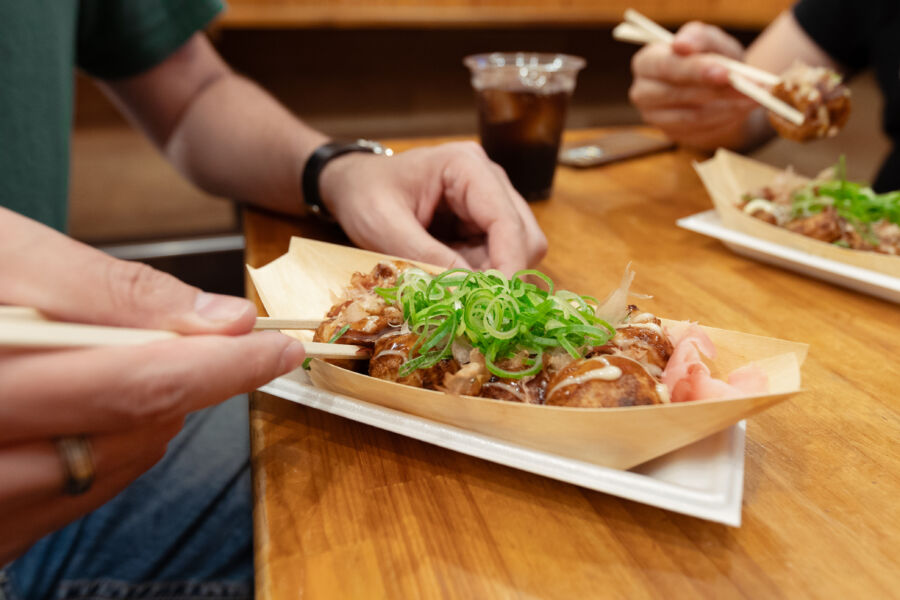
Tipping in Japan doesn’t just feel weird to locals—it’s actually out of place. If you try leaving extra money, someone will likely return it to you, sometimes with a puzzled look.
Historical Context of Tipping
Japan never really adopted tipping, even while North America and Europe made it a big deal. The service industry here grew around the idea that hospitality (omotenashi) should be automatic, not something you pay extra for.
Back in the Edo period, workers and merchants took pride in their craft and didn’t chase after tips. That attitude still sticks around. When I tried tipping a taxi driver in Osaka, he looked a bit embarrassed and quietly handed the money back. There’s real dignity in that.
Japanese people appreciate gratitude, but they don’t expect it as cash. They show thanks in quieter, less transactional ways.
Why Is Tipping Considered Rude in Japan?
Many travelers don’t expect it, but tipping can offend people in Japan. The logic? Aren’t you already paying for the service? Tossing in extra money might suggest the original job wasn’t good enough, or that you think workers need a bonus to care.
Some believe accepting a tip means you care more about money than about doing a good job. I once heard a hotel clerk in Kyoto tell a tourist, “We cannot accept this. Your thanks are enough.” For most Japanese, a heartfelt thank you means more than a handful of yen.
Sure, there are rare cases—like small gifts in very traditional places—but if you try tipping in a restaurant, bar, or cab, you’ll probably just get your money back, accompanied by a polite bow.
Cultural Norms and Japanese Etiquette
Japanese etiquette and cultural norms put a lot of weight on expressing gratitude without involving money. People show appreciation through politeness, respect, and a sincere “arigatou gozaimasu.”
Check out this quick table for reference:
| Situation | Common Practice in Japan | What to Do as a Visitor |
|---|---|---|
| Restaurant | No tip expected | Smile, compliment the staff |
| Hotel | Pay the exact fare, and thank them | No tip, except in rare cases |
| Taxi | No tip given | Hand it discreetly—in an envelope |
| Traditional inn | Small gift at times | Small gifts at times |
One of my favorite things about Japanese etiquette is the focus on harmony. Everyone, from chefs to taxi drivers, tries to do their best because it matters to them, not because they’re waiting for a tip. If you want to fit in and not stick out as the confused tourist, just remember: saying thank you is not only enough—it’s exactly what you should do.
Tipping Etiquette at Restaurants
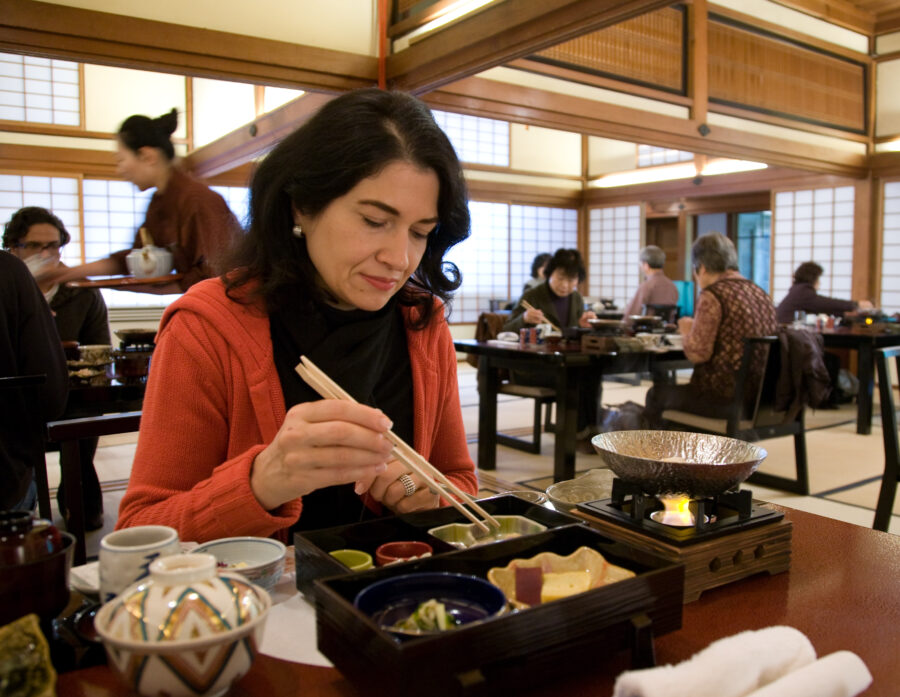
Tipping at restaurants in Japan is a different ballgame. Knowing the local vibe helps you avoid awkward moments.
Common Practices at Restaurants
Most restaurants in Japan don’t expect tips. Service workers don’t rely on them, and if you leave cash on the table, staff will almost always chase you down (politely!) to return it. A simple “arigatou gozaimasu”—that’s “thank you very much”—is plenty.
Once, a waitress ran after me into the rain just to return a few forgotten coins. That moment drove it home: nobody wants to insult a worker by implying their pay isn’t fair. Locals don’t tip, and you shouldn’t feel weird about not doing it either. If you try, expect a polite bow and your money back.
If you want to show extra gratitude, a genuine smile or a quick compliment about the meal goes much further than cash ever would.
Service Charges and Gratuity Policies
Some high-end restaurants include a “service charge” (usually 10–15%) on the bill. Don’t confuse this with a tip—it’s just part of the price. You don’t need to add anything extra.
Casual places—ramen shops, conveyor belt sushi, diners—rarely, if ever, have a service charge. The price you see is the price you pay.
Here’s a quick breakdown:
| Type of Restaurant | Service Charge? | Should You Tip? |
|---|---|---|
| Fine Dining/Hotel | Often (10–15%) | No, not necessary |
| Casual/Family Restaurant | Rarely | No |
| Fast Food/Ramen Shop | Never | No |
If the service is truly memorable, write a quick thank-you note or say “arigatou gozaimasu” clearly before you leave. That little gesture will stand out way more than any tip.
See Related: Japan Ski Trip Cost: 7 Days of Powder for Under $1500
Staying at Ryokans and Traditional Japanese Inns
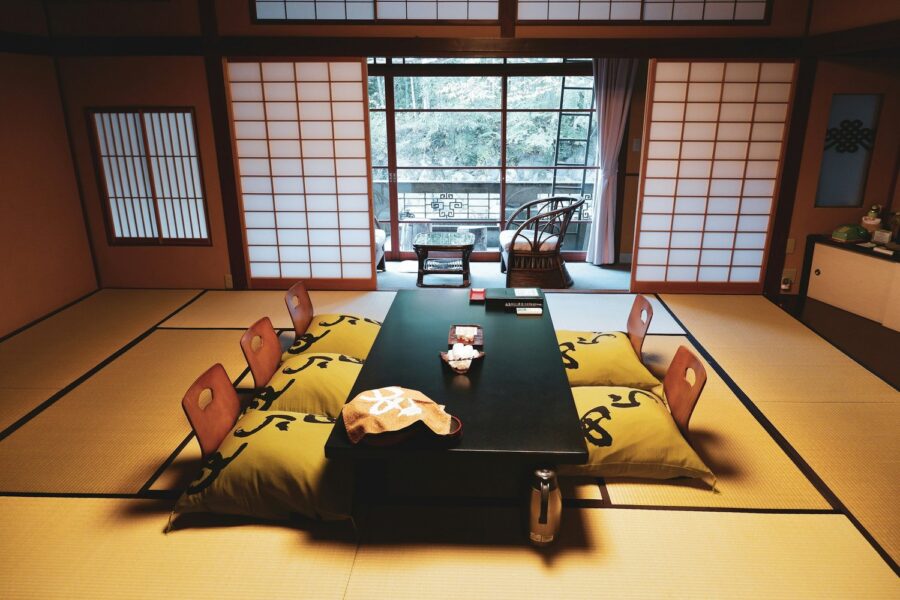
Ryokans—those traditional Japanese inns—play by slightly different rules. Knowing how to navigate tipping (or not tipping) here can help you connect with staff and avoid any faux pas.
Tipping Nakai-san and Staff
At many ryokans, a nakai-san looks after you from the moment you arrive until you check out. This person does everything: serves dinner, sets up your futon, and even helps with oddball requests (like when you forget your toothbrush at midnight). Because the service is so personal, tipping can sometimes be appropriate, mostly at high-end or historic ryokans.
You don’t need to tip at every ryokan. It’s mostly reserved for places known for their old-school traditions or when the care is extra attentive. Usually, you’d give around 1,000 to 5,000 yen per room for your entire stay (not per night). When I’ve tipped, staff usually look surprised, but never make a big deal out of it. And honestly, nobody expects tips at those tiny countryside inns—save your cash for the local snacks.
How to Present a Tip or Gift
Here’s the biggie: never just hand over cash. That feels awkward, almost rude—like tossing money at someone in a nice restaurant. Instead, tuck the tip into a clean, unused envelope (if you want to be proper, use a pochibukuro). Forgot an envelope? Wrap the bills in a neat piece of paper.
Give your tip right when you’re shown to your room by the nakai-san. Offer it with both hands, bow a little, and say, “Kokoro-zukashi desu” (it means “this is a small token of my appreciation”). If cash feels weird, a small boxed souvenir from your home country works too, especially for longer stays. Don’t use coins; it feels careless. That extra bit of thoughtfulness? People remember it.
Tipping in Hotels and Accommodations

When you check into a hotel in Japan, you’ll probably notice that tipping just doesn’t happen, even if the service blows you away. Still, there are ways to show your appreciation that fit in.
Hotel Service Providers
Hotels in Japan deliver fantastic service, but you don’t need to tip anyone—not bellhops, not cleaning staff, nobody. Offering cash directly tends to make things awkward; they’ll usually refuse it politely, and you might both end up feeling a little embarrassed.
Even at luxury or international hotels, a service charge (often 10–15%) is usually included in your bill. That covers everything. If you want to browse hotels that follow these customs, check out these hotel options.
Once, I made the classic mistake of handing a few coins to a doorman—he looked panicked and bowed about three times before giving it back. Just thank the staff verbally and enjoy the stress-free experience.
Alternative Ways to Show Appreciation
If you want to say thanks after a great stay, Japan’s all about non-monetary gestures. A heartfelt “arigatou gozaimasu” goes a long way.
If you’re itching to do more, bring a small gift from home—maybe a box of treats. Don’t go overboard with anything expensive; that can make staff uncomfortable.
Leaving a quick positive note or review mentioning someone by name means a lot, especially for staff who go the extra mile. And honestly, just being tidy and polite in your room is a bigger deal than you might think. In Japan, subtle thanks matter most.
Tipping Tour Guides and Experience Hosts
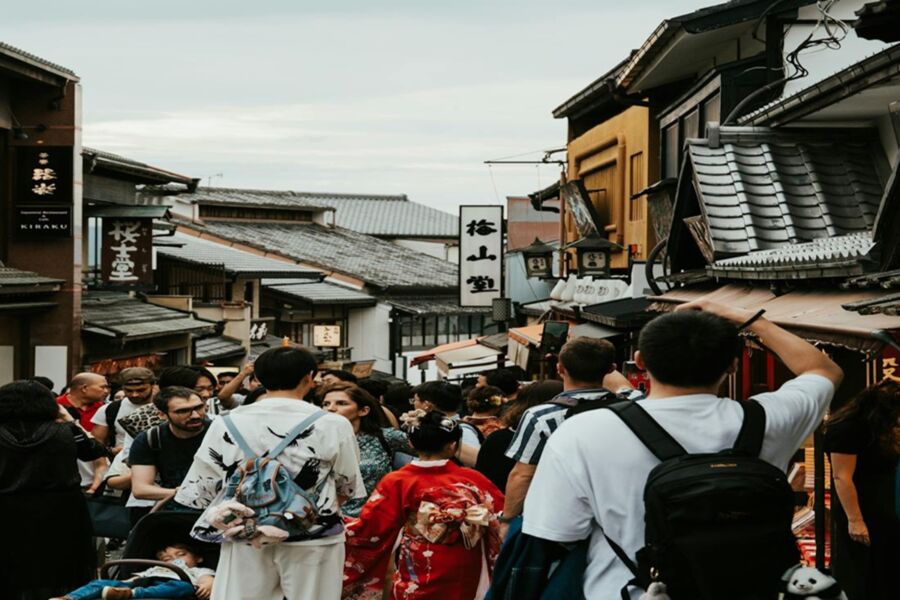
Tipping in Japan gets confusing when you’re dealing with private tours or unique experiences. Japanese guides and hosts take pride in their work, so small gestures often mean more than cash.
Private Tours and Guides
Most tour guides in Japan don’t expect tips, even if you book through big companies like GetYourGuide or Viator. Still, after a day exploring temples and backstreets, you might want to show your thanks in a more personal way.
If you decide to tip, 1,000 to 3,000 yen (about $7–$20) is plenty for a day tour. Sometimes I write a thank-you note, too. Hand your guide a neatly folded note with the cash, or a small souvenir from your home country. Slip it into an envelope—it feels more respectful and aligns with local customs.
Guides sometimes look embarrassed or surprised if you offer money directly. Discretion and thoughtfulness go a long way. And honestly, nobody’s going to be upset if you don’t tip. Your genuine enjoyment and polite attitude mean more here than cash ever could.
Cultural Experiences with Geishas
Meeting geishas plunges you straight into the heart of Japanese tradition. The whole tipping thing? It’s honestly a maze, even for locals. These days, you’ll rarely need to tip a geisha or nakai-san (inn attendant), especially if you booked through a package or a big event.
But when you do want to show thanks, use a decorative envelope for your tip—orei is what they call it. You don’t have to go big; 3,000–5,000 yen feels generous for an evening. Never just hand over cash. Present the envelope with both hands and a small bow. I’ve seen guests skip this and, wow, the confusion on everyone’s faces is real.
Sometimes, a small gift—think candies or cute stationery from your home country—actually means more than money. That extra bit of thoughtfulness? It sticks with people and honestly feels more memorable.
See Related: Why Traveling to Japan in the Off-Season is the Best Decision You’ll Make
What to Know About Taxis and Transportation
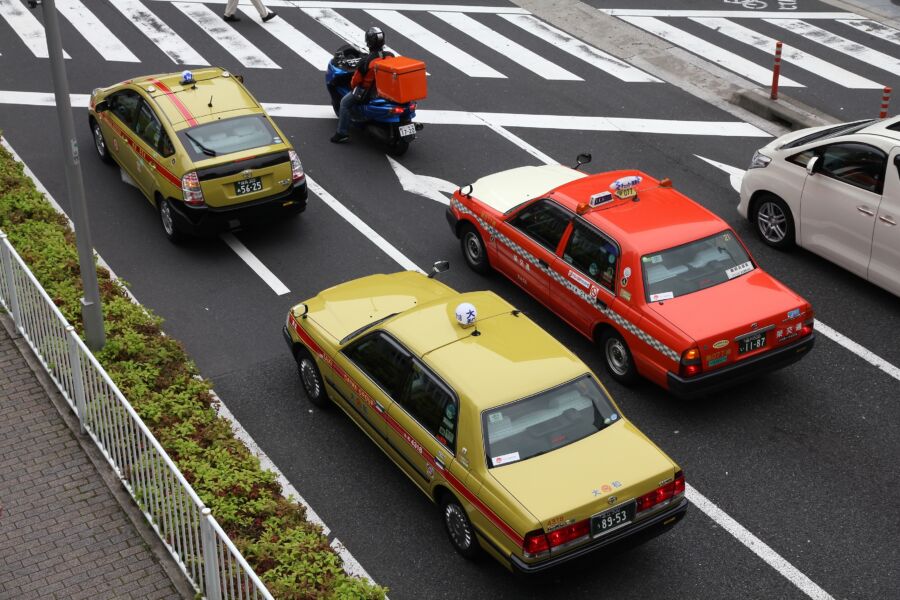
Jumping into a taxi in Japan feels different, almost like stepping into a mini-lesson on local etiquette. Even ride apps and private cars come with their own unspoken rules.
Tipping Taxi Drivers
In Japan, you pay exactly what the meter says—no tip, no hidden fees. Try offering extra, and you’ll probably get a polite refusal or a slightly baffled look. Taxi drivers here take pride in their service. Good service is simply expected, not something you pay extra for.
If a driver goes above and beyond, just say “Arigatou gozaimasu” with a smile. That’s honestly enough. Sometimes, if you leave a few coins behind, they’ll chase you down to return them—happened to me more than once. Makes you rethink how you show gratitude, doesn’t it? If you want to compare options or look into rental cars, check out car rentals.
App-Based and Private Car Services
Ride apps in Japan—whether it’s a local version or an international one—work pretty much the same way. The fare you see in the app is all you pay. No tip required, and no one expects it.
Some private car services in big cities might cater to business travelers or airport pickups. Even then, tipping isn’t part of the deal. Just be on time, say thank you, and you’re golden. If you’re curious about different ways to get around, travel sites can help you compare.
So, when you’re in Japan, keep your change. Simple manners and genuine gratitude matter most. If you’re used to tipping everywhere else, this is a surprisingly liberating change!
Convenience Stores and Everyday Services
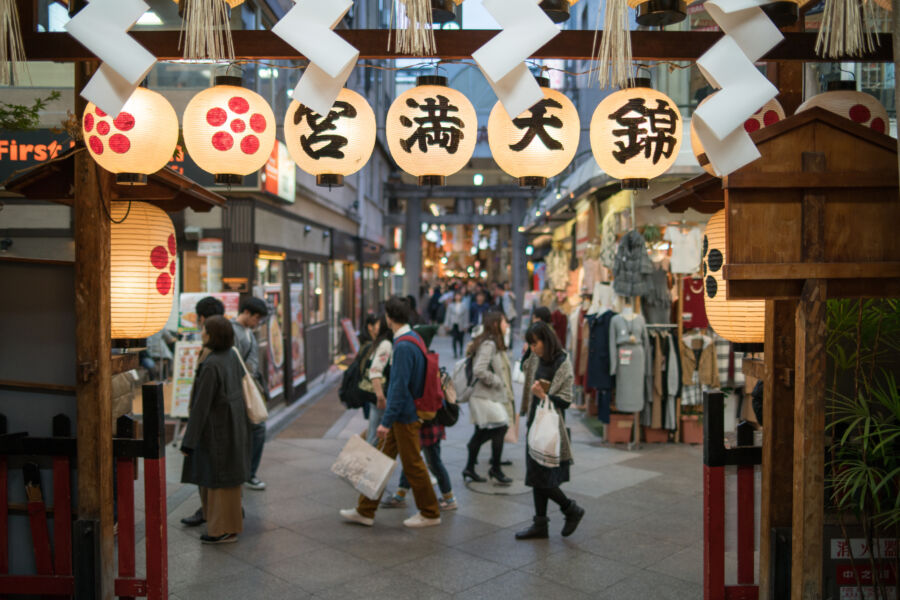
Tipping in Japan is refreshingly simple, especially in convenience stores or everyday spots. Politeness and a kind word carry more weight than money.
Interactions at Convenience Stores
Konbini (convenience stores) are everywhere, and if you’re anything like me, you’ll end up visiting them way more than you planned. No matter how friendly the staff, tipping just isn’t a thing.
Workers here treat everyone with respect. You won’t see tip jars, and you won’t get any odd looks for not tipping. Cashiers hand you change with both hands and a bow, and if you try to tip, they’ll politely refuse. That’s just how it is.
You pay exactly what’s on the receipt. If you feel grateful, a smile or a simple nod is perfect. Japanese people really do notice those small gestures.
Showing Gratitude in Daily Life
Instead of tipping, Japanese culture values words like “arigatou gozaimasu” (thank you very much). Say it with a smile and you’ll get a warm response every time. I once got lost in Tokyo, and a konbini clerk not only gave me directions but walked me outside and wished me luck with a big smile.
Try out polite Japanese, even if your accent’s not perfect (mine’s not). Locals love seeing visitors make the effort. Add a small bow if you want to be extra polite—it works everywhere: stores, taxis, hotels, even the post office.
A few phrases to keep handy:
- Arigatou gozaimasu (Thank you very much)
- Sumimasen (Excuse me/Sorry)
- Otsukaresama desu (Thanks for your hard work; nice for staff)
Honestly, a little effort with words goes further than any tip. That’s one of my favorite quirks about Japan.
Unique Situations and Rare Exceptions
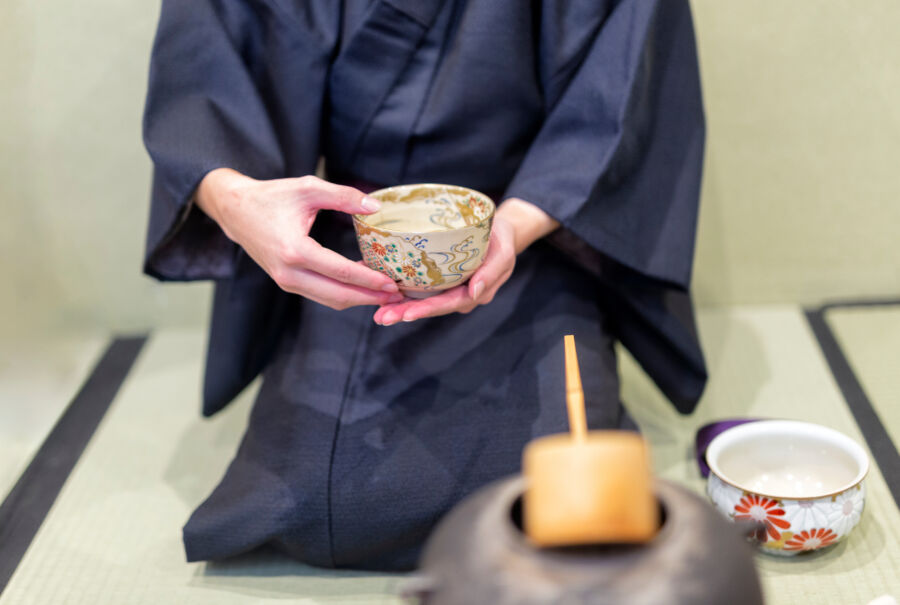
Japan’s no-tipping culture isn’t black and white. Occasionally, you’ll run into situations that make you wonder what to do. Here’s what’s helpful to know.
Large Groups or Special Occasions
Dining with a big group or celebrating something special? The restaurant will often add a service charge to your bill—look for “サービス料.” It’s not a tip, just a set fee for groups or fancier places.
When I visited a high-end ryotei with colleagues, the staff explained the charge right away. No need to leave extra cash afterward. If you want to express extra thanks, a heartfelt thank you or a small gift is far more meaningful.
Bringing gifts is a tradition, especially around holidays or milestones. I’ve seen guests bring beautifully wrapped sweets from their hometown—always a hit. Just steer clear of handing over cash directly; it gets awkward fast.
When Tipping May Be Accepted
Tipping sometimes happens for highly personalized services—think private guides, geisha entertainment, or ultra-luxurious ryokan stays. But even then, how you give the tip matters more than the amount.
Never just hand over bills. If you want to tip, place new bills in a decorative envelope—a “pochibukuro.” I learned this the awkward way in Kyoto when I tried to tip a taxi driver; he looked so uncomfortable. Later, a hotel staff member kindly explained the envelope tradition.
Here’s a quick how-to:
- Put crisp bills in a decorative envelope.
- Present it with both hands and a slight bow.
- Say “kore, douzo” (please accept this).
If they refuse, don’t insist—just thank them and move on. It feels subtle at first, but you’ll get the hang of it quickly.
See Related: Cheapest Months to Fly to Japan: Unlock Hidden Savings with This Expert Guide
Frequently Asked Questions
Tipping in Japan can feel confusing if you’re used to tossing extra cash for good service. Here are some less obvious details and cultural quirks you’ll want to know before reaching for your wallet.
What is the cultural significance behind the Japanese aversion to tipping?
Tipping in Japan isn’t just rare—it can feel awkward or even a bit insulting. The idea is that good service is a given, not something you should have to reward.
Many Japanese people feel that accepting a tip suggests they don’t already take pride in their work. I’ve had waiters hand my tip right back with a sheepish grin—a lesson I won’t forget.
How should one show appreciation for good service in Japan without tipping?
Simple gratitude works wonders. A warm, sincere “arigatou gozaimasu” is always appreciated.
If you want to go a step further, a friendly smile or a bow is plenty. Sometimes I’ll bring a small gift—snacks from home, for example—especially if someone’s helped me more than once. People genuinely love the thoughtfulness.
In what scenarios, if any, is tipping accepted or expected in Japan?
Most of the time, you just don’t tip for things like restaurants, taxis, or cafes. Trust me, I’ve tried, and it’s usually a non-starter! The only real exceptions are private tour guides or hotel staff who go way above and beyond.
If you do tip, keep it discreet. Usually, you’d tip a private guide (5-10% is normal) or give a small envelope to hotel staff for extra-special help.
What is ‘kokorozuke’ and does it relate to tipping etiquette in Japan?
Kokorozuke is a gesture where you give money as a token of your gratitude. It’s not a Western-style tip; it’s more formal and wrapped in a special envelope.
You’ll see kokorozuke with things like ryokan stays or private guides. I once gave kokorozuke to a tea ceremony host, and their deep bow said it all—it’s a heartfelt gesture, not a transaction.
Can you explain the tradition of the Japanese tip envelope and its proper use?
If you choose to offer money, always use a clean, nice envelope—never hand over loose cash. Even a plain white envelope from the convenience store will do. Say, “Kokorozuke desu,” and give it with two hands as a sign of respect.
Don’t make a big show of it. It’s not about flashiness; it’s about sincerity and neatness. I’ve found people accept it much more comfortably this way, if at all.
What are some key points of Japanese etiquette to remember when dining or receiving services?
Never jab your chopsticks upright into your rice—that’s a serious faux pas because it looks exactly like a funeral ritual. If you’re eating noodles, don’t hold back on the slurping; locals expect it, and honestly, it’s kind of fun once you get used to it.
When you pay, hand your cash or card directly to the cashier instead of dropping it on the counter. That little gesture goes a long way. Always remember to say thank you as you leave, even if the spot feels super casual.
Honestly, Japan’s full of these tiny etiquette details, and I still stumble on new ones every trip. But if you just make an effort to show respect, people will notice—and appreciate it.