Zoo 4.6 Tuxtla Gutiérrez, MexicoCommunity Guide

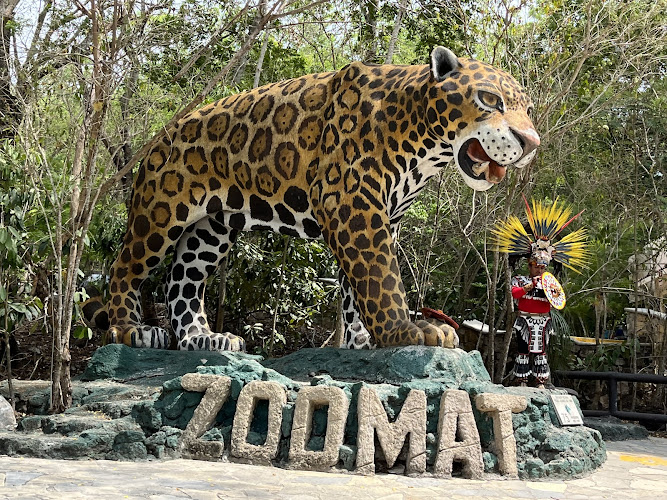
ZOOMAT

Calz. Cerro Hueco s/n, El Zapotal, 29094 Tuxtla Gutiérrez, Chis., Mexico

ZOOMAT
23,326 Photos

About & Overview

Perched within the El Zapotal nature reserve, ZOOMAT (Zoológico Miguél Álvarez del Toro) is a conservation-focused zoo in Tuxtla Gutiérrez that feels more like a native-forest sanctuary than a traditional city zoo. Founded in 1942 and later relocated and renamed for the pioneering Chiapan naturalist Miguel Álvarez del Toro, ZOOMAT specializes in native fauna of Chiapas and southern Mexico, from resplendent quetzals and jaguars to tapirs and regional birds of prey. Wide, shaded walkways wind through mature trees and naturalistic enclosures, giving visitors the sense of walking through local ecosystems while learning about species recovery programs and habitat protection. The zoo’s emphasis on regional biodiversity, educational signage in Spanish (and sometimes English), and on-site researchers makes it especially rewarding for nature lovers, families, and anyone interested in conservation. Visit to see charismatic native species up close, learn about local environmental initiatives, and enjoy a tranquil green space within Tuxtla Gutiérrez that highlights Chiapas’s extraordinary wildlife heritage.

Highlights & Key Features

  • Focus on native Chiapas and southern Mexico species (jaguar, quetzal, tapir, ocelote)
  • Located inside the El Zapotal nature reserve with shaded, forested pathways
  • Conservation and education programs tied to regional biodiversity
  • Naturalistic exhibits and interpretive signage about local ecosystems
  • Family-friendly facilities and opportunities for birdwatching and wildlife photography

Visitor Guide & Information

ZOOMAT stands as one of those places that genuinely surprised me when I first learned about it. Founded back in 1942, this zoo takes a completely different approach than what you’d expect from your typical animal park. Instead of showcasing exotic creatures from around the globe, ZOOMAT focuses exclusively on species native to the region, which honestly makes the entire experience feel more authentic and educational. I’ve always thought there’s something special about seeing animals in settings that closely resemble their natural habitats, and this place delivers exactly that.

The zoo sprawls across grounds that have been thoughtfully designed to house these regional species in environments where they can thrive. And it’s not just about the animals either – there’s an on-site library for those who want to dive deeper into regional wildlife conservation and ecology, plus a cafeteria where visitors can grab a bite without having to leave the premises. It’s basically set up so you can spend an entire day there without feeling rushed or needing to venture out for basics.

What really sets ZOOMAT apart is its commitment to regional conservation and education. By focusing solely on local fauna, the zoo serves as both a sanctuary and an educational center that helps visitors understand the incredible biodiversity that exists right in their own backyard. Many travelers overlook native species in favor of more “exotic” animals, but spending time here changes that perspective pretty quickly. You start to appreciate the unique characteristics and behaviors of creatures you might have otherwise taken for granted.

The facility has grown substantially since its founding over eight decades ago, adapting to modern standards of animal care and visitor experience. Parents traveling with children will find this an ideal destination since the zoo has been specifically designed with families in mind. There’s educational value at every turn, making it one of those rare places where kids are having so much fun they don’t even realize how much they’re learning.

Key Features

Walking through ZOOMAT reveals layer after layer of thoughtful planning and genuine care for both the animals and visitors. Here’s what makes this attraction worth your time:

• Complete focus on regional wildlife species, offering visitors an authentic look at the area’s natural inhabitants rather than imported exotic animals

• Wheelchair accessible throughout the entire facility, including dedicated parking spaces and entrance ramps that make the zoo genuinely inclusive for all visitors

• On-site library stocked with resources about regional ecology, conservation efforts, and detailed information about the species housed at the zoo

• Full-service cafeteria that saves you from having to pack elaborate picnics or leave midway through your visit to find food elsewhere

• Dedicated playground areas where children can burn off energy between animal exhibits, making the experience more manageable for parents

• Multiple payment options including debit cards, so you won’t need to worry about carrying large amounts of cash

• Educational programs and informational displays positioned throughout the grounds that provide context about each species’ role in the regional ecosystem

• Well-maintained pathways that accommodate strollers, wheelchairs, and visitors of all mobility levels without difficulty

• Shaded areas strategically placed around the zoo grounds, which you’ll definitely appreciate during warmer months

• Photo opportunities galore, with viewing areas designed to give you clear sightlines to the animals without intrusive barriers blocking your shots

Best Time to Visit

Timing your visit to ZOOMAT can make a huge difference in your overall experience. I’ve learned over the years that animals, particularly in zoo settings, tend to be more active during certain times of day and certain seasons.

Early morning visits, right when the zoo opens, typically offer the best animal viewing opportunities. The creatures are more energetic before the heat of the day sets in, and you’ll encounter smaller crowds which means you can take your time at each exhibit without feeling rushed or dealing with large groups blocking your view. I remember one visit where we arrived about twenty minutes after opening and had entire sections practically to ourselves – it was pretty magical, honestly.

The cooler months generally provide better conditions for both visitors and animals. When temperatures drop, the native species become more active and visible, whereas during peak summer heat, many animals retreat to shaded areas or indoor sections where they’re harder to observe. But if you’re visiting during warmer seasons, aim for early morning or late afternoon when the sun isn’t quite so intense.

Weekdays almost always beat weekends in terms of crowd management. If your travel schedule allows for a Tuesday or Wednesday visit, you’ll have a significantly more relaxed experience compared to Saturday afternoon when local families flood in. School holidays and vacation periods also bring larger crowds, so keep that in mind when planning.

Weather considerations matter more than you might think. Light overcast days can actually be ideal since the animals remain active without the stress of direct sunlight, and you won’t be squinting into bright skies trying to spot creatures in trees or elevated platforms. Just avoid visiting during heavy rain since many exhibits may be temporarily closed and the animals will likely seek shelter.

Seasonal breeding periods and animal behaviors also influence what you’ll see during your visit. Spring months often bring baby animals and increased activity levels as species emerge from winter patterns. The zoo’s educational programs sometimes align with these natural cycles, offering special presentations or feeding demonstrations that enhance the experience.

How to Get There

Getting to ZOOMAT requires a bit of planning, but it’s definitely manageable for most travelers. The zoo’s location makes it accessible through several transportation methods depending on your preferences and budget.

For those renting cars, which is honestly what I’d recommend for maximum flexibility, the zoo provides ample parking including designated spaces for visitors with disabilities. The parking lot sits close enough to the entrance that you won’t be trekking a mile before you even start your zoo visit – something I’ve definitely experienced at other attractions and it’s never fun.

Public transportation serves as a viable option for budget-conscious travelers or those preferring not to navigate unfamiliar roads. Local bus routes connect to stops within walking distance of the zoo entrance. The walk from the nearest bus stop takes about ten minutes on average, and the route is fairly straightforward. Just check the bus schedules ahead of time since service frequency varies throughout the day and on weekends versus weekdays.

Taxi services and ride-sharing apps work well for visitors staying in nearby hotels or accommodations. The convenience of door-to-door service appeals to families with young children or anyone traveling with mobility considerations. Just factor in return trip logistics – having the cafeteria’s phone number handy lets you call for a ride when you’re ready to leave rather than waiting around outside the entrance.

The zoo’s accessibility features extend to arrival logistics as well. The wheelchair accessible entrance connects directly to accessible parking, creating a seamless arrival experience for visitors with mobility devices or strollers.

If you’re combining ZOOMAT with other area attractions, consider the geographic layout and plan your route accordingly. Some travelers find it efficient to visit the zoo as part of a broader itinerary exploring regional natural sites and conservation areas.

Tips for Visiting

After hearing from countless travelers and drawing on my own experiences, here’s the practical advice that’ll help you make the most of ZOOMAT.

Wear comfortable walking shoes – and I mean actually comfortable, not just shoes you think will be fine. You’ll be on your feet for hours traversing the zoo grounds, and those cute sandals that seem fine for casual strolling will leave you miserable by mid-afternoon. Trust me on this one.

Bring sunscreen and hats even if the weather looks mild. The sun’s intensity can sneak up on you, especially since you’ll be outdoors for extended periods moving between shaded exhibit areas and open pathways. I’ve made the mistake of skipping sunscreen on cloudy days only to end up with a painful burn.

Pack refillable water bottles to stay hydrated throughout your visit. While the cafeteria sells beverages, having your own water means you can drink regularly without constantly making purchases or detouring to the cafe. Many zoos now have water fountain stations where you can refill bottles.

Arrive with realistic expectations about animal behavior. These are living creatures, not performers, and sometimes they’ll be sleeping, hiding, or simply not visible from viewing areas. That’s completely normal and actually reflects the zoo’s commitment to providing natural environments rather than artificial display setups.

Take advantage of the library resources, especially if you’re visiting with curious kids or have personal interest in regional ecology. The library offers context and depth that enriches what you observe in the exhibits. Spending twenty minutes there can transform your understanding of what you’re seeing outdoors.

The cafeteria serves as more than just a food stop – it’s a genuine rest point where you can regroup, review what you’ve seen, and plan which areas you want to revisit before leaving. Don’t feel pressured to rush through your meal.

Check the zoo’s feeding schedules and educational program times when you arrive. These scheduled events often provide the best viewing opportunities and offer insights from keepers who work directly with the animals daily. The presentations typically last 15-20 minutes and are genuinely informative rather than just entertainment.

Bring cash as a backup even though the zoo accepts debit cards. Technology sometimes fails, and having emergency cash prevents any payment hiccups from disrupting your visit.

Plan for a minimum of three to four hours to properly experience ZOOMAT without feeling rushed. Some visitors easily spend an entire day here, especially families with children who want playground time between exhibits.

Visit the playground strategically rather than saving it for the end. Letting kids burn energy midway through often makes them more cooperative for viewing the remaining exhibits. Plus, an exhausted child at the end of the day might not fully enjoy the playground anyway.

Take notes or photos of exhibits you find particularly interesting. The experience becomes a blur by the end of the day, and having reference points helps you remember specific species or moments you want to research further or share with friends back home.

Consider visiting exhibits in reverse order from most other visitors. Most people instinctively go right from the entrance, so heading left first can mean encountering fewer crowds at popular exhibits.

The zoo’s focus on regional species means you’re seeing animals adapted to local climate conditions, which generally translates to more active, visible creatures compared to exotic species stressed by non-native environments. This actually makes ZOOMAT superior to many larger zoos in terms of meaningful animal observations.

Respect the animals’ space and follow all posted guidelines. These rules exist for good reasons – both for visitor safety and animal welfare. Getting that perfect photo isn’t worth stressing an animal or risking your own safety.

Community & Insider Notes

Last modified March 30, 2026

Description

ZOOMAT stands as one of those places that genuinely surprised me when I first learned about it. Founded back in 1942, this zoo takes a completely different approach than what you’d expect from your typical animal park. Instead of showcasing exotic creatures from around the globe, ZOOMAT focuses exclusively on species native to the region, which honestly makes the entire experience feel more authentic and educational. I’ve always thought there’s something special about seeing animals in settings that closely resemble their natural habitats, and this place delivers exactly that.

The zoo sprawls across grounds that have been thoughtfully designed to house these regional species in environments where they can thrive. And it’s not just about the animals either – there’s an on-site library for those who want to dive deeper into regional wildlife conservation and ecology, plus a cafeteria where visitors can grab a bite without having to leave the premises. It’s basically set up so you can spend an entire day there without feeling rushed or needing to venture out for basics.

What really sets ZOOMAT apart is its commitment to regional conservation and education. By focusing solely on local fauna, the zoo serves as both a sanctuary and an educational center that helps visitors understand the incredible biodiversity that exists right in their own backyard. Many travelers overlook native species in favor of more “exotic” animals, but spending time here changes that perspective pretty quickly. You start to appreciate the unique characteristics and behaviors of creatures you might have otherwise taken for granted.

The facility has grown substantially since its founding over eight decades ago, adapting to modern standards of animal care and visitor experience. Parents traveling with children will find this an ideal destination since the zoo has been specifically designed with families in mind. There’s educational value at every turn, making it one of those rare places where kids are having so much fun they don’t even realize how much they’re learning.

Key Features

Walking through ZOOMAT reveals layer after layer of thoughtful planning and genuine care for both the animals and visitors. Here’s what makes this attraction worth your time:

• Complete focus on regional wildlife species, offering visitors an authentic look at the area’s natural inhabitants rather than imported exotic animals

• Wheelchair accessible throughout the entire facility, including dedicated parking spaces and entrance ramps that make the zoo genuinely inclusive for all visitors

• On-site library stocked with resources about regional ecology, conservation efforts, and detailed information about the species housed at the zoo

• Full-service cafeteria that saves you from having to pack elaborate picnics or leave midway through your visit to find food elsewhere

• Dedicated playground areas where children can burn off energy between animal exhibits, making the experience more manageable for parents

• Multiple payment options including debit cards, so you won’t need to worry about carrying large amounts of cash

• Educational programs and informational displays positioned throughout the grounds that provide context about each species’ role in the regional ecosystem

• Well-maintained pathways that accommodate strollers, wheelchairs, and visitors of all mobility levels without difficulty

• Shaded areas strategically placed around the zoo grounds, which you’ll definitely appreciate during warmer months

• Photo opportunities galore, with viewing areas designed to give you clear sightlines to the animals without intrusive barriers blocking your shots

Best Time to Visit

Timing your visit to ZOOMAT can make a huge difference in your overall experience. I’ve learned over the years that animals, particularly in zoo settings, tend to be more active during certain times of day and certain seasons.

Early morning visits, right when the zoo opens, typically offer the best animal viewing opportunities. The creatures are more energetic before the heat of the day sets in, and you’ll encounter smaller crowds which means you can take your time at each exhibit without feeling rushed or dealing with large groups blocking your view. I remember one visit where we arrived about twenty minutes after opening and had entire sections practically to ourselves – it was pretty magical, honestly.

The cooler months generally provide better conditions for both visitors and animals. When temperatures drop, the native species become more active and visible, whereas during peak summer heat, many animals retreat to shaded areas or indoor sections where they’re harder to observe. But if you’re visiting during warmer seasons, aim for early morning or late afternoon when the sun isn’t quite so intense.

Weekdays almost always beat weekends in terms of crowd management. If your travel schedule allows for a Tuesday or Wednesday visit, you’ll have a significantly more relaxed experience compared to Saturday afternoon when local families flood in. School holidays and vacation periods also bring larger crowds, so keep that in mind when planning.

Weather considerations matter more than you might think. Light overcast days can actually be ideal since the animals remain active without the stress of direct sunlight, and you won’t be squinting into bright skies trying to spot creatures in trees or elevated platforms. Just avoid visiting during heavy rain since many exhibits may be temporarily closed and the animals will likely seek shelter.

Seasonal breeding periods and animal behaviors also influence what you’ll see during your visit. Spring months often bring baby animals and increased activity levels as species emerge from winter patterns. The zoo’s educational programs sometimes align with these natural cycles, offering special presentations or feeding demonstrations that enhance the experience.

How to Get There

Getting to ZOOMAT requires a bit of planning, but it’s definitely manageable for most travelers. The zoo’s location makes it accessible through several transportation methods depending on your preferences and budget.

For those renting cars, which is honestly what I’d recommend for maximum flexibility, the zoo provides ample parking including designated spaces for visitors with disabilities. The parking lot sits close enough to the entrance that you won’t be trekking a mile before you even start your zoo visit – something I’ve definitely experienced at other attractions and it’s never fun.

Public transportation serves as a viable option for budget-conscious travelers or those preferring not to navigate unfamiliar roads. Local bus routes connect to stops within walking distance of the zoo entrance. The walk from the nearest bus stop takes about ten minutes on average, and the route is fairly straightforward. Just check the bus schedules ahead of time since service frequency varies throughout the day and on weekends versus weekdays.

Taxi services and ride-sharing apps work well for visitors staying in nearby hotels or accommodations. The convenience of door-to-door service appeals to families with young children or anyone traveling with mobility considerations. Just factor in return trip logistics – having the cafeteria’s phone number handy lets you call for a ride when you’re ready to leave rather than waiting around outside the entrance.

The zoo’s accessibility features extend to arrival logistics as well. The wheelchair accessible entrance connects directly to accessible parking, creating a seamless arrival experience for visitors with mobility devices or strollers.

If you’re combining ZOOMAT with other area attractions, consider the geographic layout and plan your route accordingly. Some travelers find it efficient to visit the zoo as part of a broader itinerary exploring regional natural sites and conservation areas.

Tips for Visiting

After hearing from countless travelers and drawing on my own experiences, here’s the practical advice that’ll help you make the most of ZOOMAT.

Wear comfortable walking shoes – and I mean actually comfortable, not just shoes you think will be fine. You’ll be on your feet for hours traversing the zoo grounds, and those cute sandals that seem fine for casual strolling will leave you miserable by mid-afternoon. Trust me on this one.

Bring sunscreen and hats even if the weather looks mild. The sun’s intensity can sneak up on you, especially since you’ll be outdoors for extended periods moving between shaded exhibit areas and open pathways. I’ve made the mistake of skipping sunscreen on cloudy days only to end up with a painful burn.

Pack refillable water bottles to stay hydrated throughout your visit. While the cafeteria sells beverages, having your own water means you can drink regularly without constantly making purchases or detouring to the cafe. Many zoos now have water fountain stations where you can refill bottles.

Arrive with realistic expectations about animal behavior. These are living creatures, not performers, and sometimes they’ll be sleeping, hiding, or simply not visible from viewing areas. That’s completely normal and actually reflects the zoo’s commitment to providing natural environments rather than artificial display setups.

Take advantage of the library resources, especially if you’re visiting with curious kids or have personal interest in regional ecology. The library offers context and depth that enriches what you observe in the exhibits. Spending twenty minutes there can transform your understanding of what you’re seeing outdoors.

The cafeteria serves as more than just a food stop – it’s a genuine rest point where you can regroup, review what you’ve seen, and plan which areas you want to revisit before leaving. Don’t feel pressured to rush through your meal.

Check the zoo’s feeding schedules and educational program times when you arrive. These scheduled events often provide the best viewing opportunities and offer insights from keepers who work directly with the animals daily. The presentations typically last 15-20 minutes and are genuinely informative rather than just entertainment.

Bring cash as a backup even though the zoo accepts debit cards. Technology sometimes fails, and having emergency cash prevents any payment hiccups from disrupting your visit.

Plan for a minimum of three to four hours to properly experience ZOOMAT without feeling rushed. Some visitors easily spend an entire day here, especially families with children who want playground time between exhibits.

Visit the playground strategically rather than saving it for the end. Letting kids burn energy midway through often makes them more cooperative for viewing the remaining exhibits. Plus, an exhausted child at the end of the day might not fully enjoy the playground anyway.

Take notes or photos of exhibits you find particularly interesting. The experience becomes a blur by the end of the day, and having reference points helps you remember specific species or moments you want to research further or share with friends back home.

Consider visiting exhibits in reverse order from most other visitors. Most people instinctively go right from the entrance, so heading left first can mean encountering fewer crowds at popular exhibits.

The zoo’s focus on regional species means you’re seeing animals adapted to local climate conditions, which generally translates to more active, visible creatures compared to exotic species stressed by non-native environments. This actually makes ZOOMAT superior to many larger zoos in terms of meaningful animal observations.

Respect the animals’ space and follow all posted guidelines. These rules exist for good reasons – both for visitor safety and animal welfare. Getting that perfect photo isn’t worth stressing an animal or risking your own safety.

Key Highlights

  • Focus on native Chiapas and southern Mexico species (jaguar, quetzal, tapir, ocelote)
  • Located inside the El Zapotal nature reserve with shaded, forested pathways
  • Conservation and education programs tied to regional biodiversity
  • Naturalistic exhibits and interpretive signage about local ecosystems
  • Family-friendly facilities and opportunities for birdwatching and wildlife photography

Location

Places to Stay Near ZOOMAT

Find and Book a Tour

Explore More Travel Guides

No reviews found! Be the first to review!

Select a Rating5 Stars4 Stars3 Stars2 Stars1 Star

ZOOMAT is a prominent attractions located in Tuxtla Gutiérrez.

Visit us at: Calz. Cerro Hueco s/n, El Zapotal, 29094 Tuxtla Gutiérrez, Chis., Mexico.

Find Places to Stay Nearby

Stay22 provides this accommodation search. We may earn a commission if you book through it; verify current prices and terms with the provider.

Recommended Experiences & Activities

GetYourGuide provides this tour inventory. We may earn a commission if you book through it; verify current availability, prices, and terms with the provider.

Top Viator Experiences & Guided Tours in Tuxtla Gutiérrez

We may earn a commission if you book through links on this page at no extra cost to you. All tours feature verified customer reviews and flexible cancellation options.

Traveler Reviews & Community Q&A

No traveler reviews yet. Share your experience below!

No traveler questions yet. Be the first to ask a local!

Real Journey Travels Community