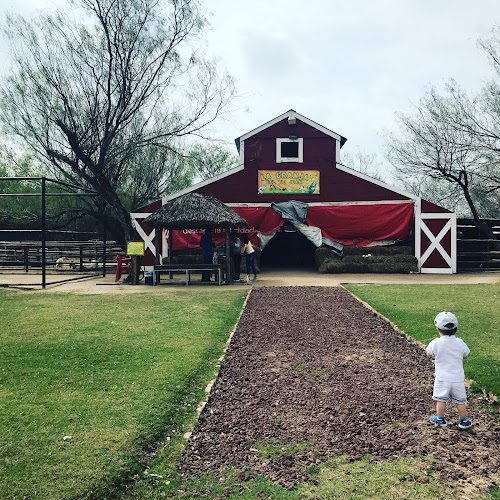
Description
Zoologico De Reynosa offers travelers a genuine glimpse into wildlife conservation and animal care in the heart of northern Mexico. This zoo has been serving the local community and visitors for years, providing an educational experience that goes beyond just viewing animals behind bars. The facility houses a diverse collection of species, from native Mexican wildlife to exotic animals from around the globe, all within grounds that attempt to recreate natural habitats as closely as possible.
What strikes most visitors about this zoo is its commitment to making the experience accessible to everyone. The entire facility was designed with families in mind, and you’ll notice this from the moment you arrive. The pathways wind through the property in a way that makes sense, though I’ll be honest – on particularly hot days, you’ll definitely want to plan your route strategically to maximize shade coverage.
The zoo sits in an area that benefits from its proximity to natural water sources, which adds a refreshing element to the overall atmosphere. Walking through the grounds, visitors encounter a mix of enclosed habitats, open viewing areas, and interactive educational stations that help explain the importance of wildlife conservation. The facility maintains a balance between being an entertainment venue and an educational institution, something that isn’t always easy to achieve.
Key Features
The Zoologico De Reynosa distinguishes itself through several notable characteristics that enhance the visitor experience:
- Complete Wheelchair Accessibility: Both the entrance and parking facilities accommodate visitors with mobility challenges, making this a truly inclusive destination for all travelers
- Family-Oriented Layout: The zoo was specifically designed with children in mind, featuring viewing heights and interactive areas that work well for younger visitors
- Diverse Animal Collection: Housing species ranging from regional Mexican wildlife to international exotic animals, providing educational opportunities about global biodiversity
- Natural Habitat Recreation: Enclosures designed to mimic the animals’ natural environments, offering both better living conditions for residents and more authentic viewing experiences for guests
- Educational Programs: Regular informational sessions and displays that teach visitors about conservation efforts and animal behavior
- Shaded Walking Paths: Strategic placement of covered areas throughout the zoo, essential given the region’s climate
- Proximity to River Areas: The location near water sources creates a more pleasant microclimate within certain sections of the facility
- Local Wildlife Focus: Special attention given to native Mexican species, helping visitors understand the region’s unique ecosystem
- Photography Opportunities: Well-designed viewing areas that allow for memorable photos without disturbing the animals
- Picnic and Rest Areas: Multiple spots throughout the grounds where families can take breaks and enjoy snacks
Best Time to Visit
Timing your visit to Zoologico De Reynosa can make a huge difference in your overall experience. And trust me on this – the weather in Reynosa can be intense, so you’ll want to plan accordingly.
The absolute best time to visit is during the cooler months from November through February. During these months, temperatures are much more manageable, typically ranging from the mid-60s to low 80s Fahrenheit. The animals are noticeably more active during this period too, which means you’ll actually see them doing interesting things rather than sleeping in whatever shade they can find.
Early morning visits, particularly right when the zoo opens, offer several advantages. The temperature hasn’t peaked yet, crowds are lighter, and animals tend to be more active after their morning feeding times. I’ve found that arriving within the first hour of opening gives you the best chance of seeing animals behaving naturally and exploring their enclosures.
Weekday visits generally provide a more relaxed experience compared to weekends and holidays. If you’re traveling with young children and want to avoid the chaos of school groups and birthday parties, Tuesday through Thursday typically sees the lightest foot traffic.
Spring months (March through May) can work well, but be prepared for increasing temperatures as you move closer to summer. The zoo’s vegetation is usually at its greenest during this time, which adds to the overall aesthetic appeal.
Summer visits from June through September require serious consideration. Temperatures regularly exceed 100 degrees Fahrenheit, and both you and the animals will be seeking air conditioning or water. But if summer is your only option, plan to arrive right at opening time and bring more water than you think you’ll need. Seriously, double whatever amount you’re thinking.
Avoid major Mexican holidays if possible, as the zoo becomes quite crowded with local families taking advantage of their time off. However, if you don’t mind crowds, these times can offer a more authentic cultural experience.
How to Get There
Getting to Zoologico De Reynosa requires some planning, especially for international travelers crossing from the United States. The zoo’s location in Reynosa makes it accessible from several routes, depending on where you’re starting your journey.
For visitors coming from the United States, the most common entry point is through the McAllen-Hidalgo-Reynosa International Bridge or the Pharr-Reynosa International Bridge. Both crossings connect directly to Reynosa, though wait times can vary significantly depending on the day of the week and time of day. Weekday mornings typically see lighter traffic than weekend afternoons.
Once you’re in Reynosa, driving yourself gives you the most flexibility. The city’s street layout can be confusing if you’re not familiar with it, so using GPS navigation is highly recommended. Make sure your navigation app works in Mexico before you cross the border – downloading offline maps beforehand is a smart move.
Taxi services in Reynosa are readily available and relatively affordable. If you’re staying in a local hotel, the front desk can usually arrange reliable transportation to the zoo. Just make sure to negotiate the fare beforehand or ensure the meter is running.
Ride-sharing apps do operate in Reynosa, though availability can be less consistent than in larger Mexican cities. Having both Uber and local alternatives downloaded on your phone increases your chances of finding a ride.
For those using public transportation, local buses do serve routes near the zoo, though this option requires more time and familiarity with the local system. If you speak Spanish and enjoy a more adventurous travel experience, it’s certainly doable.
Parking at the zoo itself is straightforward, with dedicated lots that include accessible spaces close to the entrance. The parking area is paved and monitored, which provides peace of mind while you’re exploring the facility.
Tips for Visiting
Making the most of your visit to Zoologico De Reynosa involves some practical preparation that goes beyond just showing up. Here’s what actually matters based on real visitor experiences.
Bring way more water than seems reasonable. The Reynosa heat is no joke, and while there are vendors inside, having your own supply keeps you from getting dehydrated between purchase points. Reusable water bottles work great since there are refill stations throughout the grounds.
Comfortable walking shoes are absolutely essential. You’ll be covering significant distance on paved pathways, and the wrong footwear will turn your visit into an endurance test. Save the cute sandals for dinner later.
Sunscreen and hats aren’t optional accessories – they’re survival gear. The sun in this region is relentless, especially during spring and summer months. Apply sunscreen before you arrive and reapply regularly. And yes, even if it’s cloudy, you can still get burned.
Cash is king here. While some vendors might accept cards, having Mexican pesos on hand makes everything easier. You’ll want money for snacks, drinks, souvenirs, and possibly parking.
The zoo is genuinely kid-friendly, so don’t stress too much about bringing children. The accessible design means strollers navigate easily, and there are plenty of rest areas when little legs get tired. That said, keeping kids hydrated and protected from the sun is your primary job.
Photography enthusiasts should bring zoom lenses if possible. Some enclosures are designed with distance in mind for animal safety, so having optical zoom helps capture better shots. The lighting can be tricky during midday hours, so consider the golden hours after opening or before closing for the best natural light.
Spanish language skills help but aren’t absolutely necessary. Many staff members understand basic English, especially when it comes to directions and facility information. However, learning a few key phrases shows respect and can enhance your interactions.
Plan for a visit lasting three to four hours minimum. Rushing through defeats the purpose, and the animals deserve more than a quick glance. Bringing snacks makes sense, though there are food options available inside.
Check the weather forecast before your visit and have a backup plan. Reynosa can experience sudden rain during certain seasons, and while brief, these storms can temporarily disrupt your plans.
Be patient with the animals. Unlike performers at a theme park, wildlife operates on its own schedule. Some days you’ll see incredible activity, other days animals might be resting. That’s the authentic experience of a zoo focused on animal welfare rather than constant entertainment.
The accessible features aren’t just checkboxes – they’re genuinely functional. If you or someone in your group needs wheelchair access, the pathways and viewing areas actually accommodate these needs well.
Respect the rules about not feeding or disturbing the animals. These regulations exist for good reasons, protecting both visitors and the zoo’s residents. The educational aspect of the zoo works better when everyone follows these guidelines.
Lastly, manage your expectations appropriately. This isn’t San Diego Zoo or the Bronx Zoo. It’s a regional facility doing important conservation and education work with different resources. Appreciating it for what it offers rather than comparing it to massive international facilities makes for a much better experience.