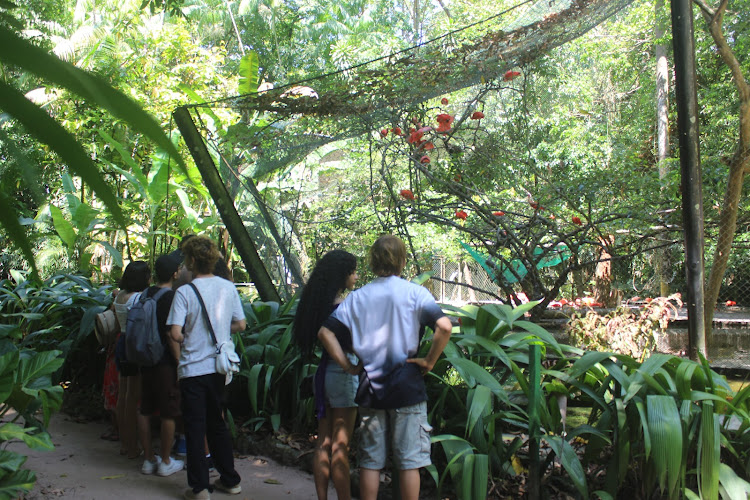
The Zoobotanical Park at the Emílio Goeldi Museum represents something pretty special in the heart of the Brazilian Amazon—a place where scientific research meets public education in ways that actually work.
Highlights & Key Features
Bird aviaries shelter endangered species like harpy eagles and scarlet macaws, giving you photo opportunities that wildlife photographers literally spend weeks in the jungle hoping to capture
Manatee rehabilitation area where injured Amazonian manatees recover before release back into the wild, and watching these gentle giants is oddly meditative
Archaeological and ethnographic collections displaying pottery, tools, and ceremonial objects from indigenous groups, some pieces dating back over a thousand years
Natural history exhibits explaining the Amazon's geological formation and biodiversity in ways that connect dots between climate, geography, and the incredible variety of life here
Education center offering workshops and presentations—even if you don't speak Portuguese fluently, the visual nature of many programs makes them accessible
Wheelchair accessible facilities including restrooms, making it one of the more accessible nature experiences in the region for travelers with mobility considerations
Visitor Guide & Information
Description
What strikes most travelers right away is how this museum manages to blend serious conservation work with an experience that doesn’t feel preachy or overwhelming. The zoological and botanical park spreads across these lush grounds where native Amazonian species live in environments that respect their natural habitats. You’re walking through what feels like a legitimate piece of rainforest, except you’ve got well-maintained paths and you’re not worried about getting hopelessly lost.
The research aspect isn’t just for show either. Scientists actually work here daily, studying everything from rare bird species to medicinal plants that indigenous communities have used for centuries. But they’ve figured out how to share that knowledge with visitors in ways that make you genuinely curious rather than feeling like you’re back in biology class. The artifact exhibits showcase indigenous cultures from the Amazon region, and these collections tell stories that most travelers never hear about the people who’ve called this extraordinary ecosystem home for thousands of years.
Key Features
The park offers distinct experiences that you won’t find bundled together anywhere else in the Amazon region:
The aquarium section houses Amazonian fish species including the massive pirarucu, one of the world’s largest freshwater fish that can grow over 10 feet long—seeing these prehistoric-looking creatures up close changes your perspective on what lives beneath those murky river waters
Bird aviaries shelter endangered species like harpy eagles and scarlet macaws, giving you photo opportunities that wildlife photographers literally spend weeks in the jungle hoping to capture
Botanical gardens feature over 500 plant species native to the Amazon, many of which locals use for medicine, food, or traditional crafts—the guides actually know which plants do what instead of just reading plaques
Manatee rehabilitation area where injured Amazonian manatees recover before release back into the wild, and watching these gentle giants is oddly meditative
Archaeological and ethnographic collections displaying pottery, tools, and ceremonial objects from indigenous groups, some pieces dating back over a thousand years
Natural history exhibits explaining the Amazon’s geological formation and biodiversity in ways that connect dots between climate, geography, and the incredible variety of life here
Education center offering workshops and presentations—even if you don’t speak Portuguese fluently, the visual nature of many programs makes them accessible
Wheelchair accessible facilities including restrooms, making it one of the more accessible nature experiences in the region for travelers with mobility considerations
Best Time to Visit
Timing your visit to the Goeldi Museum requires thinking about what you want from the experience and, let’s be honest, how much humidity you can handle. The Amazon doesn’t really do “seasons” the way other places do—it’s more like “hot and wet” versus “hot and wetter.”
The drier months from June through November offer the most comfortable visiting conditions. You’ll still sweat, don’t get me wrong, but at least you’re not dealing with daily torrential downpours that can turn walkways slippery and make outdoor exhibits less enjoyable. Animals tend to be more active during these months too since they’re not hunkering down against storms. The botanical displays actually look their best during this period, with many flowering species putting on shows that photographers dream about.
But here’s the thing—the rainy season from December through May has its own appeal. Fewer tourists crowd the pathways, which means you can actually spend time at exhibits without jostling for position. The park takes on this incredibly lush appearance when everything’s drinking in moisture. And the entrance fees sometimes drop slightly during this period. Just bring good rain gear and embrace the fact that you might need to duck into covered areas when the sky opens up.
Weekday mornings are your golden window regardless of season. The park opens early, and getting there right when the doors open means you’ll have a couple hours before school groups and tour buses arrive. Animals are more active in the cooler morning temperatures, and the light filtering through the tree canopy creates better conditions for photography than harsh midday sun.
Avoid Brazilian holiday weekends if you prefer a quieter experience. The park gets packed with local families during these times, which creates great energy but also means longer waits and noisier conditions that can spook some of the more timid animals.
How to Get There
Getting to the Emílio Goeldi Museum is refreshingly straightforward compared to many Amazon attractions that require boats, planes, and prayers. The park sits within Belém, the major gateway city to the eastern Amazon, which already puts you ahead of the game logistically.
If you’re staying anywhere in central Belém, taxis and ride-sharing apps like Uber work perfectly well. The fare shouldn’t set you back more than a few dollars from most hotels in the downtown area, and drivers know the museum without needing detailed directions—just say “Museu Goeldi” and you’re understood. The ride typically takes 15-20 minutes depending on traffic, which can get surprisingly thick during rush hours.
Public buses serve the area too, though I’ll level with you—navigating Belém’s bus system as a visitor requires either decent Portuguese skills or a local friend who can help you figure out which routes go where. The bus numbers change periodically and routes aren’t always clearly marked in English. That said, if you’re budget-conscious and feeling adventurous, it’s doable and costs practically nothing.
Walking from the city center is possible if you’re staying nearby and don’t mind tropical heat. The neighborhood around the museum is generally safe during daylight hours, though as with any urban area, stay aware of your surroundings and don’t flash expensive camera gear unnecessarily.
For travelers flying into Belém, you’re looking at about a 30-40 minute drive from Val-de-Cans International Airport depending on traffic. Most hotels can arrange airport transfers, or you can grab a taxi from the official stands outside arrivals. Just agree on the price beforehand or insist the meter is running to avoid inflated tourist pricing.
Tips for Visiting
Bring cash for the admission fee even though Brazil is increasingly card-friendly. The ticket booth sometimes has issues with card readers, and you don’t want to arrive excited only to realize you can’t get in because you’re relying entirely on plastic. The fee is quite reasonable—significantly cheaper than comparable attractions in North America or Europe—but they do charge admission unlike some museums elsewhere that offer free entry.
Wear walking shoes with good tread. Those picturesque paths through the botanical gardens can get slippery, especially if it’s rained recently or early in the morning when dew hasn’t burned off yet. I’ve seen too many travelers in flip-flops struggling on inclines or after rain showers. You’ll be on your feet for at least two to three hours if you’re seeing everything properly.
Bug spray is your friend here. Yes, the museum maintains the grounds well, but you’re still in the Amazon basin surrounded by water features and dense vegetation. Mosquitoes don’t care that you’re at a tourist attraction. Apply repellent before you arrive and bring it with you for reapplication. Skip the heavily perfumed varieties though—they can actually attract certain insects and irritate some of the animals.
Photography is allowed and encouraged in most areas, but skip the flash, especially around animals and in artifact exhibit rooms. The flash stresses wildlife and can damage historical pieces over time. Most smartphones and modern cameras handle low light well enough anyway, and natural lighting creates better shots than harsh flash.
Plan at least three hours for a thorough visit, though you could easily spend half a day here if you’re genuinely interested in the subject matter. The temptation is to rush through trying to see everything quickly, but the real value comes from slowing down and actually observing animal behaviors or reading about the indigenous artifacts on display.
Restroom facilities exist on site and are reasonably well-maintained, but there’s no restaurant or café within the park. You’ll find water fountains, but bring snacks if you get cranky when hungry or if you’re visiting with kids who need regular fuel. Just be discrete about eating—you don’t want to attract wildlife or create litter issues.
The gift shop near the entrance sells books about Amazonian ecology and indigenous cultures, many available in English. These make better souvenirs than the typical tourist junk and actually teach you something after you’ve left.
Consider hiring a guide if your Portuguese is limited and you really want to understand what you’re seeing. Official guides hang around the entrance and charge reasonable rates for tours that typically last 90 minutes to two hours. Their knowledge adds context you’d completely miss reading plaques, especially regarding indigenous artifacts and plant uses.
Check if any special exhibitions or events are happening during your visit. The museum regularly hosts temporary displays and educational programs that can enhance your experience. Their website lists current offerings, though it’s primarily in Portuguese—Google Translate works well enough to get the gist.
The Zoobotanical Park at the Emílio Goeldi Museum represents something pretty special in the heart of the Brazilian Amazon—a place where scientific research meets public education in ways that actually work. And I mean really work. This isn’t your typical stuffy museum where you shuffle past dusty displays behind glass. The institution has been around since 1866, making it one of Brazil’s oldest scientific research centers, though honestly, you’d never guess its age from the energy of the place.
What strikes most travelers right away is how this museum manages to blend serious conservation work with an experience that doesn’t feel preachy or overwhelming. The zoological and botanical park spreads across these lush grounds where native Amazonian species live in environments that respect their natural habitats. You’re walking through what feels like a legitimate piece of rainforest, except you’ve got well-maintained paths and you’re not worried about getting hopelessly lost.
The research aspect isn’t just for show either. Scientists actually work here daily, studying everything from rare bird species to medicinal plants that indigenous communities have used for centuries. But they’ve figured out how to share that knowledge with visitors in ways that make you genuinely curious rather than feeling like you’re back in biology class. The artifact exhibits showcase indigenous cultures from the Amazon region, and these collections tell stories that most travelers never hear about the people who’ve called this extraordinary ecosystem home for thousands of years.
Key Features
The park offers distinct experiences that you won’t find bundled together anywhere else in the Amazon region:
The aquarium section houses Amazonian fish species including the massive pirarucu, one of the world’s largest freshwater fish that can grow over 10 feet long—seeing these prehistoric-looking creatures up close changes your perspective on what lives beneath those murky river waters
Bird aviaries shelter endangered species like harpy eagles and scarlet macaws, giving you photo opportunities that wildlife photographers literally spend weeks in the jungle hoping to capture
Botanical gardens feature over 500 plant species native to the Amazon, many of which locals use for medicine, food, or traditional crafts—the guides actually know which plants do what instead of just reading plaques
Manatee rehabilitation area where injured Amazonian manatees recover before release back into the wild, and watching these gentle giants is oddly meditative
Archaeological and ethnographic collections displaying pottery, tools, and ceremonial objects from indigenous groups, some pieces dating back over a thousand years
Natural history exhibits explaining the Amazon’s geological formation and biodiversity in ways that connect dots between climate, geography, and the incredible variety of life here
Education center offering workshops and presentations—even if you don’t speak Portuguese fluently, the visual nature of many programs makes them accessible
Wheelchair accessible facilities including restrooms, making it one of the more accessible nature experiences in the region for travelers with mobility considerations
Best Time to Visit
Timing your visit to the Goeldi Museum requires thinking about what you want from the experience and, let’s be honest, how much humidity you can handle. The Amazon doesn’t really do “seasons” the way other places do—it’s more like “hot and wet” versus “hot and wetter.”
The drier months from June through November offer the most comfortable visiting conditions. You’ll still sweat, don’t get me wrong, but at least you’re not dealing with daily torrential downpours that can turn walkways slippery and make outdoor exhibits less enjoyable. Animals tend to be more active during these months too since they’re not hunkering down against storms. The botanical displays actually look their best during this period, with many flowering species putting on shows that photographers dream about.
But here’s the thing—the rainy season from December through May has its own appeal. Fewer tourists crowd the pathways, which means you can actually spend time at exhibits without jostling for position. The park takes on this incredibly lush appearance when everything’s drinking in moisture. And the entrance fees sometimes drop slightly during this period. Just bring good rain gear and embrace the fact that you might need to duck into covered areas when the sky opens up.
Weekday mornings are your golden window regardless of season. The park opens early, and getting there right when the doors open means you’ll have a couple hours before school groups and tour buses arrive. Animals are more active in the cooler morning temperatures, and the light filtering through the tree canopy creates better conditions for photography than harsh midday sun.
Avoid Brazilian holiday weekends if you prefer a quieter experience. The park gets packed with local families during these times, which creates great energy but also means longer waits and noisier conditions that can spook some of the more timid animals.
How to Get There
Getting to the Emílio Goeldi Museum is refreshingly straightforward compared to many Amazon attractions that require boats, planes, and prayers. The park sits within Belém, the major gateway city to the eastern Amazon, which already puts you ahead of the game logistically.
If you’re staying anywhere in central Belém, taxis and ride-sharing apps like Uber work perfectly well. The fare shouldn’t set you back more than a few dollars from most hotels in the downtown area, and drivers know the museum without needing detailed directions—just say “Museu Goeldi” and you’re understood. The ride typically takes 15-20 minutes depending on traffic, which can get surprisingly thick during rush hours.
Public buses serve the area too, though I’ll level with you—navigating Belém’s bus system as a visitor requires either decent Portuguese skills or a local friend who can help you figure out which routes go where. The bus numbers change periodically and routes aren’t always clearly marked in English. That said, if you’re budget-conscious and feeling adventurous, it’s doable and costs practically nothing.
Walking from the city center is possible if you’re staying nearby and don’t mind tropical heat. The neighborhood around the museum is generally safe during daylight hours, though as with any urban area, stay aware of your surroundings and don’t flash expensive camera gear unnecessarily.
For travelers flying into Belém, you’re looking at about a 30-40 minute drive from Val-de-Cans International Airport depending on traffic. Most hotels can arrange airport transfers, or you can grab a taxi from the official stands outside arrivals. Just agree on the price beforehand or insist the meter is running to avoid inflated tourist pricing.
Tips for Visiting
Bring cash for the admission fee even though Brazil is increasingly card-friendly. The ticket booth sometimes has issues with card readers, and you don’t want to arrive excited only to realize you can’t get in because you’re relying entirely on plastic. The fee is quite reasonable—significantly cheaper than comparable attractions in North America or Europe—but they do charge admission unlike some museums elsewhere that offer free entry.
Wear walking shoes with good tread. Those picturesque paths through the botanical gardens can get slippery, especially if it’s rained recently or early in the morning when dew hasn’t burned off yet. I’ve seen too many travelers in flip-flops struggling on inclines or after rain showers. You’ll be on your feet for at least two to three hours if you’re seeing everything properly.
Bug spray is your friend here. Yes, the museum maintains the grounds well, but you’re still in the Amazon basin surrounded by water features and dense vegetation. Mosquitoes don’t care that you’re at a tourist attraction. Apply repellent before you arrive and bring it with you for reapplication. Skip the heavily perfumed varieties though—they can actually attract certain insects and irritate some of the animals.
Photography is allowed and encouraged in most areas, but skip the flash, especially around animals and in artifact exhibit rooms. The flash stresses wildlife and can damage historical pieces over time. Most smartphones and modern cameras handle low light well enough anyway, and natural lighting creates better shots than harsh flash.
Plan at least three hours for a thorough visit, though you could easily spend half a day here if you’re genuinely interested in the subject matter. The temptation is to rush through trying to see everything quickly, but the real value comes from slowing down and actually observing animal behaviors or reading about the indigenous artifacts on display.
Restroom facilities exist on site and are reasonably well-maintained, but there’s no restaurant or café within the park. You’ll find water fountains, but bring snacks if you get cranky when hungry or if you’re visiting with kids who need regular fuel. Just be discrete about eating—you don’t want to attract wildlife or create litter issues.
The gift shop near the entrance sells books about Amazonian ecology and indigenous cultures, many available in English. These make better souvenirs than the typical tourist junk and actually teach you something after you’ve left.
Consider hiring a guide if your Portuguese is limited and you really want to understand what you’re seeing. Official guides hang around the entrance and charge reasonable rates for tours that typically last 90 minutes to two hours. Their knowledge adds context you’d completely miss reading plaques, especially regarding indigenous artifacts and plant uses.
Check if any special exhibitions or events are happening during your visit. The museum regularly hosts temporary displays and educational programs that can enhance your experience. Their website lists current offerings, though it’s primarily in Portuguese—Google Translate works well enough to get the gist.
Key Highlights
Bird aviaries shelter endangered species like harpy eagles and scarlet macaws, giving you photo opportunities that wildlife photographers literally spend weeks in the jungle hoping to capture
Manatee rehabilitation area where injured Amazonian manatees recover before release back into the wild, and watching these gentle giants is oddly meditative
Archaeological and ethnographic collections displaying pottery, tools, and ceremonial objects from indigenous groups, some pieces dating back over a thousand years
Natural history exhibits explaining the Amazon's geological formation and biodiversity in ways that connect dots between climate, geography, and the incredible variety of life here
Education center offering workshops and presentations—even if you don't speak Portuguese fluently, the visual nature of many programs makes them accessible
Wheelchair accessible facilities including restrooms, making it one of the more accessible nature experiences in the region for travelers with mobility considerations
Location
Places to Stay Near Zoobotanical Park – Emílio Goeldi Museum
Explore verified points of interest within walking or short transit distance.
No neighboring places mapped within 5 km yet.
Find Places to Stay Nearby
Stay22 provides this accommodation search. We may earn a commission if you book through it; verify current prices and terms with the provider.
🗺️
Interactive accommodation map requires marketing cookies to display live rates.
Recommended Experiences & Activities
GetYourGuide provides this tour inventory. We may earn a commission if you book through it; verify current availability, prices, and terms with the provider.
Top Viator Experiences & Guided Tours in Belém
We may earn a commission if you book through links on this page at no extra cost to you. All tours feature verified customer reviews and flexible cancellation options.