
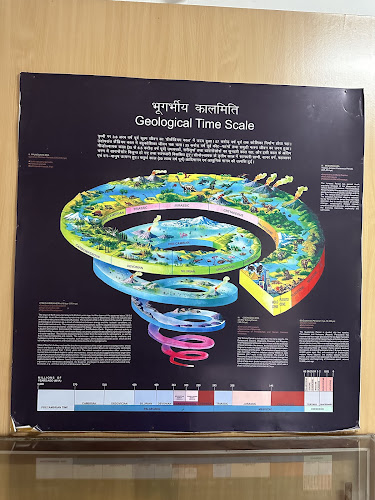
Zonal Anthropological Museum
About Zonal Anthropological Museum
Description
The Zonal Anthropological Museum stands as a fascinating gateway into the cultural heritage and traditional lifestyles of indigenous communities. For travelers seeking an authentic glimpse into anthropological treasures, this museum offers an enriching experience that goes beyond typical tourist attractions. What makes this place particularly interesting is its dedication to preserving and showcasing the everyday objects, ritual artifacts, and lifestyle elements of tribal communities that have shaped the regional identity over centuries. Walking through the exhibition halls, visitors encounter a thoughtfully curated collection that tells stories through tangible objects rather than just text panels. The museum houses traditional weapons, agricultural implements, musical instruments, ornaments, and ceremonial items that paint a comprehensive picture of how indigenous populations lived, worked, and celebrated life. And honestly, there's something deeply moving about standing face-to-face with objects that were once integral to someone's daily existence. The museum serves an educational purpose that resonates with both casual visitors and serious anthropology enthusiasts. Families will find the displays accessible enough for children to understand while maintaining enough depth to keep adults engaged. The layout allows for a self-paced exploration, which I've always appreciated in museums because let's be real, nobody wants to feel rushed when they're trying to absorb cultural knowledge. One aspect that deserves mention is the museum's commitment to accessibility. Travelers with mobility challenges will find the facility accommodating, with proper entrance access and facilities designed with inclusivity in mind. This thoughtful approach to visitor services reflects a modern understanding of what public institutions should offer.Key Features
The Zonal Anthropological Museum distinguishes itself through several noteworthy characteristics that enhance the visitor experience: • Extensive collection of tribal artifacts including traditional clothing, jewelry, and household items that showcase the craftsmanship and artistic sensibilities of indigenous communities • Display sections dedicated to different tribal groups, allowing visitors to compare and contrast cultural practices across various communities • Traditional weapons and hunting tools that demonstrate the ingenuity and survival skills developed over generations • Musical instruments collection featuring drums, string instruments, and wind instruments unique to regional tribal traditions • Agricultural implements that reveal sustainable farming practices employed long before modern environmental movements • Ceremonial and ritual objects that provide insight into spiritual beliefs and community celebrations • Wheelchair accessible facilities throughout the museum including entrance, parking areas, and restrooms • Family-friendly environment suitable for educational visits with children • Well-maintained restroom facilities for visitor convenience • Informative displays with contextual information that helps visitors understand the significance of exhibited items • Photography opportunities that allow travelers to document their cultural exploration (though always check current photography policies)Best Time to Visit
Planning your visit to the Zonal Anthropological Museum requires considering several factors to maximize your experience. The museum typically sees lighter crowds during weekday mornings, particularly Tuesday through Thursday. If you're someone who prefers contemplating exhibits without navigating through groups of people, these time slots work wonderfully. Weekends and public holidays naturally attract more visitors, especially families with school-age children. But don't let that discourage you if weekends are your only option – the museum's layout accommodates reasonable crowd levels without feeling overwhelming. The cooler months generally provide more comfortable conditions for museum visits, particularly if you're planning to explore other outdoor attractions in the same area during your trip. Morning hours between 10 AM and noon offer ideal lighting conditions for viewing displays and taking photographs if permitted. School vacation periods bring increased foot traffic, which has both advantages and drawbacks. The energy of curious young minds can be infectious, though some travelers prefer quieter, more contemplative museum experiences. I've visited during both scenarios, and each offers its own charm. Consider allocating at least two to three hours for a thorough exploration. Rushing through anthropological collections means missing the nuanced details that make these artifacts meaningful. The museum rewards patient observation and thoughtful engagement with its displays.How to Get There
Reaching the Zonal Anthropological Museum is relatively straightforward for travelers using various transportation methods. The museum's location makes it accessible for both local visitors and those traveling from distant regions. For those driving, the museum provides wheelchair accessible parking facilities, which is particularly convenient for families or travelers with mobility considerations. GPS navigation apps reliably locate the museum, though it's always wise to confirm directions before departure. Public transportation serves as a viable option for budget-conscious travelers. Local buses typically have routes passing near the museum area, though schedules can vary depending on the day of the week. Auto-rickshaws and taxi services offer more flexible alternatives, allowing travelers to arrive directly at the entrance without additional walking. Many travelers incorporate the museum visit into broader sightseeing itineraries. The facility's accessibility makes it easy to visit as part of a half-day cultural exploration before moving on to other regional attractions. Tour operators sometimes include the museum in cultural heritage packages, which can be convenient for first-time visitors unfamiliar with the area. If you're staying in nearby accommodations, checking with hotel staff about the most efficient routes often yields helpful local insights that generic mapping apps might miss. Local knowledge sometimes reveals shortcuts or more reliable transportation options.Tips for Visiting
Making the most of your Zonal Anthropological Museum experience involves some practical preparation that can significantly enhance your visit. First off, comfortable walking shoes are non-negotiable. Museum floors might seem benign, but you'll be standing and walking more than you realize while examining exhibits. Bring a notebook or use your phone to jot down observations or questions that arise during your visit. Anthropological collections often spark curiosity about specific tribes or cultural practices, and capturing these thoughts helps with later research or discussion. Photography policies deserve attention before you start snapping away. Some museums restrict flash photography or prohibit photos of certain sacred or sensitive items. Respecting these guidelines preserves the integrity of artifacts and honors the cultural significance they hold for indigenous communities. The museum's restroom facilities are available, but I'd recommend using them before starting your exhibition tour. Nothing disrupts the flow of cultural immersion quite like having to backtrack through galleries you've already seen. Visiting with children requires some preparation. The museum is definitely kid-friendly, but bringing along activity sheets or encouraging kids to sketch their favorite artifacts keeps young minds engaged. Many children find the weapons and musical instruments particularly captivating, so perhaps start with those sections to hook their interest. Consider visiting during off-peak hours if you're someone who processes information better in quieter environments. The anthropological context of displays benefits from contemplation that's easier when you're not competing for viewing space. Don't hesitate to spend extra time with displays that genuinely interest you. Museums shouldn't be marathons where you check boxes. If you find the textile section fascinating, linger there. If ceremonial masks capture your imagination, study them thoroughly. Dress modestly and comfortably. While there's no strict dress code, remember that you're exploring cultural heritage spaces that deserve respectful attire. Plus, climate-controlled museum interiors sometimes run cooler than expected, so bringing a light jacket isn't a bad idea. The museum staff can be valuable resources for questions about specific exhibits or cultural contexts. Engaging with them often reveals perspectives that static displays can't fully convey. Finally, plan what you'll do after your museum visit. The intellectual stimulation of anthropological exploration often leaves visitors wanting to discuss what they've learned. Having a nearby cafe or restaurant in mind for post-visit reflection can round out the experience nicely.Key Features
- Key Features
- Best Time to Visit
- How to Get There
- Tips for Visiting
More Details
Updated March 30, 2026
Table of Contents
Description
The Zonal Anthropological Museum stands as a fascinating gateway into the cultural heritage and traditional lifestyles of indigenous communities. For travelers seeking an authentic glimpse into anthropological treasures, this museum offers an enriching experience that goes beyond typical tourist attractions. What makes this place particularly interesting is its dedication to preserving and showcasing the everyday objects, ritual artifacts, and lifestyle elements of tribal communities that have shaped the regional identity over centuries.
Walking through the exhibition halls, visitors encounter a thoughtfully curated collection that tells stories through tangible objects rather than just text panels. The museum houses traditional weapons, agricultural implements, musical instruments, ornaments, and ceremonial items that paint a comprehensive picture of how indigenous populations lived, worked, and celebrated life. And honestly, there’s something deeply moving about standing face-to-face with objects that were once integral to someone’s daily existence.
The museum serves an educational purpose that resonates with both casual visitors and serious anthropology enthusiasts. Families will find the displays accessible enough for children to understand while maintaining enough depth to keep adults engaged. The layout allows for a self-paced exploration, which I’ve always appreciated in museums because let’s be real, nobody wants to feel rushed when they’re trying to absorb cultural knowledge.
One aspect that deserves mention is the museum’s commitment to accessibility. Travelers with mobility challenges will find the facility accommodating, with proper entrance access and facilities designed with inclusivity in mind. This thoughtful approach to visitor services reflects a modern understanding of what public institutions should offer.
Key Features
The Zonal Anthropological Museum distinguishes itself through several noteworthy characteristics that enhance the visitor experience:
• Extensive collection of tribal artifacts including traditional clothing, jewelry, and household items that showcase the craftsmanship and artistic sensibilities of indigenous communities
• Display sections dedicated to different tribal groups, allowing visitors to compare and contrast cultural practices across various communities
• Traditional weapons and hunting tools that demonstrate the ingenuity and survival skills developed over generations
• Musical instruments collection featuring drums, string instruments, and wind instruments unique to regional tribal traditions
• Agricultural implements that reveal sustainable farming practices employed long before modern environmental movements
• Ceremonial and ritual objects that provide insight into spiritual beliefs and community celebrations
• Wheelchair accessible facilities throughout the museum including entrance, parking areas, and restrooms
• Family-friendly environment suitable for educational visits with children
• Well-maintained restroom facilities for visitor convenience
• Informative displays with contextual information that helps visitors understand the significance of exhibited items
• Photography opportunities that allow travelers to document their cultural exploration (though always check current photography policies)
Best Time to Visit
Planning your visit to the Zonal Anthropological Museum requires considering several factors to maximize your experience. The museum typically sees lighter crowds during weekday mornings, particularly Tuesday through Thursday. If you’re someone who prefers contemplating exhibits without navigating through groups of people, these time slots work wonderfully.
Weekends and public holidays naturally attract more visitors, especially families with school-age children. But don’t let that discourage you if weekends are your only option – the museum’s layout accommodates reasonable crowd levels without feeling overwhelming.
The cooler months generally provide more comfortable conditions for museum visits, particularly if you’re planning to explore other outdoor attractions in the same area during your trip. Morning hours between 10 AM and noon offer ideal lighting conditions for viewing displays and taking photographs if permitted.
School vacation periods bring increased foot traffic, which has both advantages and drawbacks. The energy of curious young minds can be infectious, though some travelers prefer quieter, more contemplative museum experiences. I’ve visited during both scenarios, and each offers its own charm.
Consider allocating at least two to three hours for a thorough exploration. Rushing through anthropological collections means missing the nuanced details that make these artifacts meaningful. The museum rewards patient observation and thoughtful engagement with its displays.
How to Get There
Reaching the Zonal Anthropological Museum is relatively straightforward for travelers using various transportation methods. The museum’s location makes it accessible for both local visitors and those traveling from distant regions.
For those driving, the museum provides wheelchair accessible parking facilities, which is particularly convenient for families or travelers with mobility considerations. GPS navigation apps reliably locate the museum, though it’s always wise to confirm directions before departure.
Public transportation serves as a viable option for budget-conscious travelers. Local buses typically have routes passing near the museum area, though schedules can vary depending on the day of the week. Auto-rickshaws and taxi services offer more flexible alternatives, allowing travelers to arrive directly at the entrance without additional walking.
Many travelers incorporate the museum visit into broader sightseeing itineraries. The facility’s accessibility makes it easy to visit as part of a half-day cultural exploration before moving on to other regional attractions. Tour operators sometimes include the museum in cultural heritage packages, which can be convenient for first-time visitors unfamiliar with the area.
If you’re staying in nearby accommodations, checking with hotel staff about the most efficient routes often yields helpful local insights that generic mapping apps might miss. Local knowledge sometimes reveals shortcuts or more reliable transportation options.
Tips for Visiting
Making the most of your Zonal Anthropological Museum experience involves some practical preparation that can significantly enhance your visit. First off, comfortable walking shoes are non-negotiable. Museum floors might seem benign, but you’ll be standing and walking more than you realize while examining exhibits.
Bring a notebook or use your phone to jot down observations or questions that arise during your visit. Anthropological collections often spark curiosity about specific tribes or cultural practices, and capturing these thoughts helps with later research or discussion.
Photography policies deserve attention before you start snapping away. Some museums restrict flash photography or prohibit photos of certain sacred or sensitive items. Respecting these guidelines preserves the integrity of artifacts and honors the cultural significance they hold for indigenous communities.
The museum’s restroom facilities are available, but I’d recommend using them before starting your exhibition tour. Nothing disrupts the flow of cultural immersion quite like having to backtrack through galleries you’ve already seen.
Visiting with children requires some preparation. The museum is definitely kid-friendly, but bringing along activity sheets or encouraging kids to sketch their favorite artifacts keeps young minds engaged. Many children find the weapons and musical instruments particularly captivating, so perhaps start with those sections to hook their interest.
Consider visiting during off-peak hours if you’re someone who processes information better in quieter environments. The anthropological context of displays benefits from contemplation that’s easier when you’re not competing for viewing space.
Don’t hesitate to spend extra time with displays that genuinely interest you. Museums shouldn’t be marathons where you check boxes. If you find the textile section fascinating, linger there. If ceremonial masks capture your imagination, study them thoroughly.
Dress modestly and comfortably. While there’s no strict dress code, remember that you’re exploring cultural heritage spaces that deserve respectful attire. Plus, climate-controlled museum interiors sometimes run cooler than expected, so bringing a light jacket isn’t a bad idea.
The museum staff can be valuable resources for questions about specific exhibits or cultural contexts. Engaging with them often reveals perspectives that static displays can’t fully convey.
Finally, plan what you’ll do after your museum visit. The intellectual stimulation of anthropological exploration often leaves visitors wanting to discuss what they’ve learned. Having a nearby cafe or restaurant in mind for post-visit reflection can round out the experience nicely.
Key Highlights
- Key Features
- Best Time to Visit
- How to Get There
- Tips for Visiting
Location
Places to Stay Near Zonal Anthropological Museum
Find and Book a Tour
Explore More Travel Guides
No reviews found! Be the first to review!
Zonal Anthropological Museum is a prominent museums located in Dehradun.
Visit us at: 82W7+J3J, Pearson Rd, Forest Research Institute, ONGC, Dehradun, Uttarakhand 248003, India.
Traveler Reviews for Zonal Anthropological Museum
There are no reviews yet. Be the first one to write one.
Have you visited Zonal Anthropological Museum? Help other travelers by sharing your review.
You Might Also Like
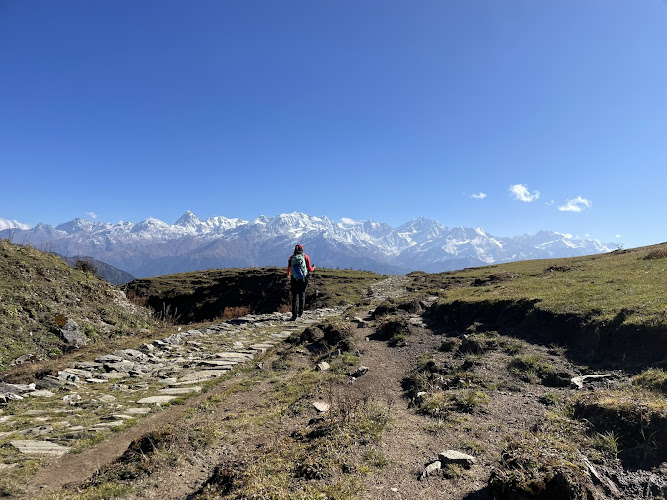
Bohemian Adventures LLP
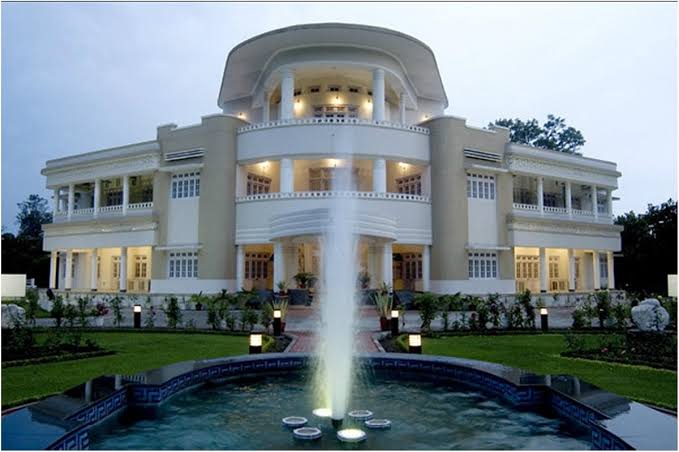
Subir Raha Oil Museum

Dehradun Zoo
Find Accommodations Nearby
Recommended Tours & Activities
Visitor Reviews
There are no reviews yet. Be the first one to write one.
Share Your Experience
Have you visited Zonal Anthropological Museum? Help other travelers by leaving a review.