Sai Baba Devasthanam Sai Temple
About Sai Baba Devasthanam Sai Temple
Description
The Sai Baba Devasthanam Sai Temple stands as a remarkable spiritual destination that draws devotees and curious travelers alike from across the region. This Hindu temple serves not just as a place of worship but as a cultural hub where the teachings of Sai Baba come alive through daily rituals and community gatherings. What strikes visitors immediately upon arrival is the sense of tranquility that permeates the entire complex, a quality that's increasingly rare in our fast-paced modern world. I've always found that temples dedicated to Sai Baba have this particular energy about them - less rigid than some traditional Hindu temples, more welcoming to people from all walks of life. And this temple exemplifies that philosophy beautifully. The architecture incorporates traditional design elements while maintaining functionality for the thousands of visitors who pass through its doors each year. The main sanctum houses the primary deity of Sai Baba, whose life and teachings emphasized universal brotherhood and the unity of all religions. What makes this temple particularly special is its commitment to inclusivity. In a world where many religious spaces can feel exclusive or intimidating to outsiders, this temple opens its arms to everyone regardless of their background. The management has made conscious efforts to ensure accessibility for visitors with mobility challenges, providing proper parking facilities and pathways throughout the complex. This attention to detail reflects the core teachings of Sai Baba himself, who never turned anyone away based on their circumstances. The temple complex houses multiple shrines dedicated to various Hindu deities including Shiva, Vishnu, Durga, Hanuman, Rama, Lakshmi, and Brahma. This diverse representation makes it a comprehensive spiritual experience where devotees can offer prayers to multiple deities in one location. Each shrine is maintained with care and devotion, and you'll often find priests conducting specific rituals throughout the day. But beyond the religious significance, there's something deeply human about the atmosphere here. You'll see families bringing their children for blessings, elderly devotees spending hours in meditation, and first-time visitors tentatively exploring the grounds with wide-eyed curiosity. The temple becomes a meeting point where generations converge and where the sacred meets the everyday.Key Features
The Sai Baba Devasthanam Sai Temple offers numerous features that enhance the visitor experience and demonstrate its commitment to serving the community: • Multiple deity shrines including dedicated spaces for Sai Baba, Shiva, Vishnu, Durga, Hanuman, Rama, Lakshmi, and Brahma, allowing devotees to experience a comprehensive Hindu worship experience under one roof • Wheelchair accessible facilities throughout the complex including designated parking areas, making the temple genuinely accessible to visitors with mobility challenges • Free parking options both in dedicated lots and along nearby streets, eliminating one of the common frustrations travelers face when visiting popular religious sites • Gender-neutral restroom facilities alongside traditional restrooms, demonstrating the temple's progressive approach to serving all visitors comfortably • LGBTQ+ friendly environment that welcomes all individuals regardless of their identity or orientation, staying true to Sai Baba's teachings of universal acceptance • Prasad (blessed food offerings) available for purchase, allowing visitors to participate in this traditional aspect of temple worship and take home spiritual blessings • Modern payment options including Google Pay, making transactions convenient for tech-savvy visitors and international travelers • Onsite services including regular prayer ceremonies, special occasion celebrations, and guidance from knowledgeable priests who can explain rituals and traditions • Peaceful atmosphere that provides a genuine respite from the chaos of daily life, creating space for reflection and spiritual connectionBest Time to Visit
Timing your visit to the Sai Baba Devasthanam Sai Temple can significantly impact your experience. Like most Hindu temples, this one operates on a daily schedule with specific times for major ceremonies and rituals. Early mornings, typically between 6 AM and 9 AM, offer the most serene experience. The morning aarti (prayer ceremony) fills the air with devotional songs and the scent of incense, creating an atmosphere that's genuinely transformative. And honestly, there's something magical about starting your day in that kind of peaceful environment. Evenings bring another wave of activity, usually from 6 PM to 8 PM, when working professionals and families arrive for evening prayers. The evening aarti is often more crowded but equally beautiful, with oil lamps creating a warm glow throughout the temple complex. If you don't mind crowds and actually enjoy being part of a larger community gathering, evening visits can be incredibly fulfilling. Weekdays generally see lighter crowds compared to weekends, making them ideal for travelers who prefer a more contemplative experience. Thursdays hold special significance in Sai Baba worship traditions, so you'll notice increased attendance on this day along with special ceremonies. Saturdays and Sundays can get quite busy as local devotees visit with their families. Special festivals and occasions transform the temple into a hub of celebration. Guru Purnima, Ram Navami, Maha Shivaratri, and Diwali are celebrated with particular fervor. During these times, the temple stays open longer and hosts special programs including cultural performances and community meals. But be prepared for significant crowds during festival periods. I remember once visiting a Sai Baba temple during Guru Purnima and waiting nearly two hours for darshan (viewing of the deity), though the festive atmosphere made it worthwhile. Weather-wise, if you're planning an outdoor visit to the temple grounds, consider the local climate patterns. Cooler months typically make the experience more comfortable, especially if you'll be spending extended time walking around the complex or sitting in outdoor meditation areas.How to Get There
Reaching the Sai Baba Devasthanam Sai Temple requires some planning, but the journey itself becomes part of the pilgrimage experience for many visitors. The temple's location makes it accessible through various transportation modes, each offering different advantages depending on your starting point and travel preferences. For those driving personal vehicles, the temple provides ample free parking which is a genuine blessing. Nothing dampens spiritual enthusiasm quite like circling around searching for parking or dealing with expensive parking fees. The designated parking lot can accommodate a substantial number of vehicles, though arriving early during peak times ensures you'll find a spot close to the entrance. Street parking is also available in surrounding areas for overflow situations. Rideshare services like Uber and Lyft work well for visitors who prefer not to drive. Simply input the temple name into your app, and drivers in the area are generally familiar with the location. This option works particularly well if you're staying at a nearby hotel or visiting from out of town without a rental car. The convenience of being dropped off right at the entrance can't be overstated, especially for elderly visitors or families with young children. Public transportation options vary depending on the specific location, but many devotees use local bus services to reach the temple. Check local transit schedules and routes in advance, and don't hesitate to ask locals for guidance - temple-goers are typically quite helpful in providing directions to fellow seekers. For international or out-of-state travelers, the nearest airport serves as your primary gateway. From there, you'll need to arrange ground transportation whether through rental cars, rideshares, or potentially temple-organized transportation during major festivals. Some devotee groups organize shared transportation during peak pilgrimage seasons, which can provide both cost savings and the opportunity to connect with fellow travelers. Many visitors combine their temple trip with other local attractions, making it part of a larger travel itinerary. Planning your route to include meal stops or sightseeing opportunities can enhance the overall experience. And if you're traveling from a distance, consider making it a day trip rather than rushing through your visit.Tips for Visiting
Preparing properly for your visit to the Sai Baba Devasthanam Sai Temple ensures you'll have a meaningful and comfortable experience while respecting the sacred nature of the space. First and foremost, dress modestly. This means covering shoulders and knees at minimum - traditional Indian attire like kurtas or sarees work beautifully, but simple modest western clothing is perfectly acceptable. Many temples appreciate when visitors make an effort to respect cultural norms, and appropriate dress helps you blend in rather than stand out awkwardly. Remove your shoes before entering the main temple areas. There will be designated shoe storage areas, and while theft is rare at temples, keeping valuable shoes in sight or bringing a simple pair specifically for temple visits gives peace of mind. Socks are often appreciated as temple floors can get hot during summer months or cold during winter. Photography policies vary in different sections of the temple. Generally, photography in the main sanctum where the deities are housed is prohibited, but outdoor areas and architectural features may be fair game. When in doubt, ask permission from temple staff or priests. Snapping photos without regard for these rules is disrespectful and can disturb others in prayer. Speaking of disturbance, keep your phone on silent mode. Better yet, consider leaving it in your car or bag during your temple visit. The constant buzzing and ringing of phones interrupts the peaceful atmosphere that many visitors seek. I've seen too many beautiful meditation moments shattered by loud ringtones - don't be that person. Donations are entirely voluntary but appreciated. The temple operates on community support, maintaining facilities and conducting free services for all visitors. Whether you contribute to the donation box, pay for prasad, or participate in specific ceremonies, your financial support helps sustain these important community spaces. But there's absolutely no pressure, and priests or staff should never make you feel obligated. If you're interested in participating in specific rituals or ceremonies, arrive with a bit of time to spare. Temple staff can guide you through the process, explain the significance of different offerings, and help you make the most of your spiritual experience. Don't be shy about asking questions - most priests are genuinely pleased to share their knowledge with curious visitors. The prasad offered at the temple isn't just blessed food, it's considered a divine gift. Even if you're not Hindu, accepting prasad when offered is seen as accepting a blessing. It's typically vegetarian and includes items like fruits, sweets, or specially prepared sacred food. If you have dietary restrictions, it's perfectly fine to accept it respectfully and choose whether to consume it later. Hand washing facilities are available, and using them before entering the main prayer areas is considered good practice. This physical cleansing represents spiritual purification in Hindu tradition. For visitors with specific accessibility needs, don't hesitate to communicate with temple staff. The wheelchair accessible facilities are just one aspect of the temple's commitment to serving all visitors. Staff members are generally accommodating and will help ensure you can participate fully in the temple experience. Spending time in quiet observation before jumping into activities can really enhance your visit. Watch how regular devotees move through the space, observe the rituals being performed, and simply absorb the atmosphere. Sometimes the most profound temple experiences come not from doing anything specific but from simply being present in that sacred space. Finally, remember that this is primarily a place of worship, not a tourist attraction. While visitors from all backgrounds are welcome, maintaining respectful behavior honors both the devotees for whom this temple holds deep significance and the spiritual traditions it represents. A little cultural sensitivity goes a long way in creating positive experiences for everyone involved.Key Features
- White marble construction with religious paintings
- Central idol and sanctum dedicated to Sai Baba of Shirdi
- Daily aarti and evening bhajans that draw devotees
- Weekly Thursday prasad/bhandara and community services
- Peaceful garden-like surroundings on Rajpur Road
More Details
Updated March 30, 2026
Table of Contents
Description
The Sai Baba Devasthanam Sai Temple stands as a remarkable spiritual destination that draws devotees and curious travelers alike from across the region. This Hindu temple serves not just as a place of worship but as a cultural hub where the teachings of Sai Baba come alive through daily rituals and community gatherings. What strikes visitors immediately upon arrival is the sense of tranquility that permeates the entire complex, a quality that’s increasingly rare in our fast-paced modern world.
I’ve always found that temples dedicated to Sai Baba have this particular energy about them – less rigid than some traditional Hindu temples, more welcoming to people from all walks of life. And this temple exemplifies that philosophy beautifully. The architecture incorporates traditional design elements while maintaining functionality for the thousands of visitors who pass through its doors each year. The main sanctum houses the primary deity of Sai Baba, whose life and teachings emphasized universal brotherhood and the unity of all religions.
What makes this temple particularly special is its commitment to inclusivity. In a world where many religious spaces can feel exclusive or intimidating to outsiders, this temple opens its arms to everyone regardless of their background. The management has made conscious efforts to ensure accessibility for visitors with mobility challenges, providing proper parking facilities and pathways throughout the complex. This attention to detail reflects the core teachings of Sai Baba himself, who never turned anyone away based on their circumstances.
The temple complex houses multiple shrines dedicated to various Hindu deities including Shiva, Vishnu, Durga, Hanuman, Rama, Lakshmi, and Brahma. This diverse representation makes it a comprehensive spiritual experience where devotees can offer prayers to multiple deities in one location. Each shrine is maintained with care and devotion, and you’ll often find priests conducting specific rituals throughout the day.
But beyond the religious significance, there’s something deeply human about the atmosphere here. You’ll see families bringing their children for blessings, elderly devotees spending hours in meditation, and first-time visitors tentatively exploring the grounds with wide-eyed curiosity. The temple becomes a meeting point where generations converge and where the sacred meets the everyday.
Key Features
The Sai Baba Devasthanam Sai Temple offers numerous features that enhance the visitor experience and demonstrate its commitment to serving the community:
• Multiple deity shrines including dedicated spaces for Sai Baba, Shiva, Vishnu, Durga, Hanuman, Rama, Lakshmi, and Brahma, allowing devotees to experience a comprehensive Hindu worship experience under one roof
• Wheelchair accessible facilities throughout the complex including designated parking areas, making the temple genuinely accessible to visitors with mobility challenges
• Free parking options both in dedicated lots and along nearby streets, eliminating one of the common frustrations travelers face when visiting popular religious sites
• Gender-neutral restroom facilities alongside traditional restrooms, demonstrating the temple’s progressive approach to serving all visitors comfortably
• LGBTQ+ friendly environment that welcomes all individuals regardless of their identity or orientation, staying true to Sai Baba’s teachings of universal acceptance
• Prasad (blessed food offerings) available for purchase, allowing visitors to participate in this traditional aspect of temple worship and take home spiritual blessings
• Modern payment options including Google Pay, making transactions convenient for tech-savvy visitors and international travelers
• Onsite services including regular prayer ceremonies, special occasion celebrations, and guidance from knowledgeable priests who can explain rituals and traditions
• Peaceful atmosphere that provides a genuine respite from the chaos of daily life, creating space for reflection and spiritual connection
Best Time to Visit
Timing your visit to the Sai Baba Devasthanam Sai Temple can significantly impact your experience. Like most Hindu temples, this one operates on a daily schedule with specific times for major ceremonies and rituals. Early mornings, typically between 6 AM and 9 AM, offer the most serene experience. The morning aarti (prayer ceremony) fills the air with devotional songs and the scent of incense, creating an atmosphere that’s genuinely transformative. And honestly, there’s something magical about starting your day in that kind of peaceful environment.
Evenings bring another wave of activity, usually from 6 PM to 8 PM, when working professionals and families arrive for evening prayers. The evening aarti is often more crowded but equally beautiful, with oil lamps creating a warm glow throughout the temple complex. If you don’t mind crowds and actually enjoy being part of a larger community gathering, evening visits can be incredibly fulfilling.
Weekdays generally see lighter crowds compared to weekends, making them ideal for travelers who prefer a more contemplative experience. Thursdays hold special significance in Sai Baba worship traditions, so you’ll notice increased attendance on this day along with special ceremonies. Saturdays and Sundays can get quite busy as local devotees visit with their families.
Special festivals and occasions transform the temple into a hub of celebration. Guru Purnima, Ram Navami, Maha Shivaratri, and Diwali are celebrated with particular fervor. During these times, the temple stays open longer and hosts special programs including cultural performances and community meals. But be prepared for significant crowds during festival periods. I remember once visiting a Sai Baba temple during Guru Purnima and waiting nearly two hours for darshan (viewing of the deity), though the festive atmosphere made it worthwhile.
Weather-wise, if you’re planning an outdoor visit to the temple grounds, consider the local climate patterns. Cooler months typically make the experience more comfortable, especially if you’ll be spending extended time walking around the complex or sitting in outdoor meditation areas.
How to Get There
Reaching the Sai Baba Devasthanam Sai Temple requires some planning, but the journey itself becomes part of the pilgrimage experience for many visitors. The temple’s location makes it accessible through various transportation modes, each offering different advantages depending on your starting point and travel preferences.
For those driving personal vehicles, the temple provides ample free parking which is a genuine blessing. Nothing dampens spiritual enthusiasm quite like circling around searching for parking or dealing with expensive parking fees. The designated parking lot can accommodate a substantial number of vehicles, though arriving early during peak times ensures you’ll find a spot close to the entrance. Street parking is also available in surrounding areas for overflow situations.
Rideshare services like Uber and Lyft work well for visitors who prefer not to drive. Simply input the temple name into your app, and drivers in the area are generally familiar with the location. This option works particularly well if you’re staying at a nearby hotel or visiting from out of town without a rental car. The convenience of being dropped off right at the entrance can’t be overstated, especially for elderly visitors or families with young children.
Public transportation options vary depending on the specific location, but many devotees use local bus services to reach the temple. Check local transit schedules and routes in advance, and don’t hesitate to ask locals for guidance – temple-goers are typically quite helpful in providing directions to fellow seekers.
For international or out-of-state travelers, the nearest airport serves as your primary gateway. From there, you’ll need to arrange ground transportation whether through rental cars, rideshares, or potentially temple-organized transportation during major festivals. Some devotee groups organize shared transportation during peak pilgrimage seasons, which can provide both cost savings and the opportunity to connect with fellow travelers.
Many visitors combine their temple trip with other local attractions, making it part of a larger travel itinerary. Planning your route to include meal stops or sightseeing opportunities can enhance the overall experience. And if you’re traveling from a distance, consider making it a day trip rather than rushing through your visit.
Tips for Visiting
Preparing properly for your visit to the Sai Baba Devasthanam Sai Temple ensures you’ll have a meaningful and comfortable experience while respecting the sacred nature of the space. First and foremost, dress modestly. This means covering shoulders and knees at minimum – traditional Indian attire like kurtas or sarees work beautifully, but simple modest western clothing is perfectly acceptable. Many temples appreciate when visitors make an effort to respect cultural norms, and appropriate dress helps you blend in rather than stand out awkwardly.
Remove your shoes before entering the main temple areas. There will be designated shoe storage areas, and while theft is rare at temples, keeping valuable shoes in sight or bringing a simple pair specifically for temple visits gives peace of mind. Socks are often appreciated as temple floors can get hot during summer months or cold during winter.
Photography policies vary in different sections of the temple. Generally, photography in the main sanctum where the deities are housed is prohibited, but outdoor areas and architectural features may be fair game. When in doubt, ask permission from temple staff or priests. Snapping photos without regard for these rules is disrespectful and can disturb others in prayer.
Speaking of disturbance, keep your phone on silent mode. Better yet, consider leaving it in your car or bag during your temple visit. The constant buzzing and ringing of phones interrupts the peaceful atmosphere that many visitors seek. I’ve seen too many beautiful meditation moments shattered by loud ringtones – don’t be that person.
Donations are entirely voluntary but appreciated. The temple operates on community support, maintaining facilities and conducting free services for all visitors. Whether you contribute to the donation box, pay for prasad, or participate in specific ceremonies, your financial support helps sustain these important community spaces. But there’s absolutely no pressure, and priests or staff should never make you feel obligated.
If you’re interested in participating in specific rituals or ceremonies, arrive with a bit of time to spare. Temple staff can guide you through the process, explain the significance of different offerings, and help you make the most of your spiritual experience. Don’t be shy about asking questions – most priests are genuinely pleased to share their knowledge with curious visitors.
The prasad offered at the temple isn’t just blessed food, it’s considered a divine gift. Even if you’re not Hindu, accepting prasad when offered is seen as accepting a blessing. It’s typically vegetarian and includes items like fruits, sweets, or specially prepared sacred food. If you have dietary restrictions, it’s perfectly fine to accept it respectfully and choose whether to consume it later.
Hand washing facilities are available, and using them before entering the main prayer areas is considered good practice. This physical cleansing represents spiritual purification in Hindu tradition.
For visitors with specific accessibility needs, don’t hesitate to communicate with temple staff. The wheelchair accessible facilities are just one aspect of the temple’s commitment to serving all visitors. Staff members are generally accommodating and will help ensure you can participate fully in the temple experience.
Spending time in quiet observation before jumping into activities can really enhance your visit. Watch how regular devotees move through the space, observe the rituals being performed, and simply absorb the atmosphere. Sometimes the most profound temple experiences come not from doing anything specific but from simply being present in that sacred space.
Finally, remember that this is primarily a place of worship, not a tourist attraction. While visitors from all backgrounds are welcome, maintaining respectful behavior honors both the devotees for whom this temple holds deep significance and the spiritual traditions it represents. A little cultural sensitivity goes a long way in creating positive experiences for everyone involved.
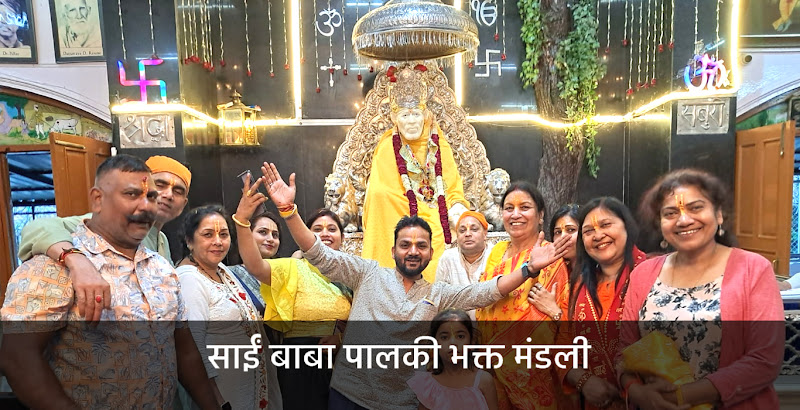
Key Highlights
- White marble construction with religious paintings
- Central idol and sanctum dedicated to Sai Baba of Shirdi
- Daily aarti and evening bhajans that draw devotees
- Weekly Thursday prasad/bhandara and community services
- Peaceful garden-like surroundings on Rajpur Road
Location
Places to Stay Near Sai Baba Devasthanam Sai Temple
Find and Book a Tour
Explore More Travel Guides
No reviews found! Be the first to review!
Sai Baba Devasthanam Sai Temple is a prominent Hindu temple located in Dehradun.
Visit us at: 189, Rajpur Rd, IAS Officers Colony, Rajpur, Dehradun, Uttarakhand 248001, India.
Traveler Reviews for Sai Baba Devasthanam Sai Temple
There are no reviews yet. Be the first one to write one.
Have you visited Sai Baba Devasthanam Sai Temple? Help other travelers by sharing your review.
Nearby Attractions
Find Accommodations Nearby
Recommended Tours & Activities
Visitor Reviews
There are no reviews yet. Be the first one to write one.
Share Your Experience
Have you visited Sai Baba Devasthanam Sai Temple? Help other travelers by leaving a review.
