
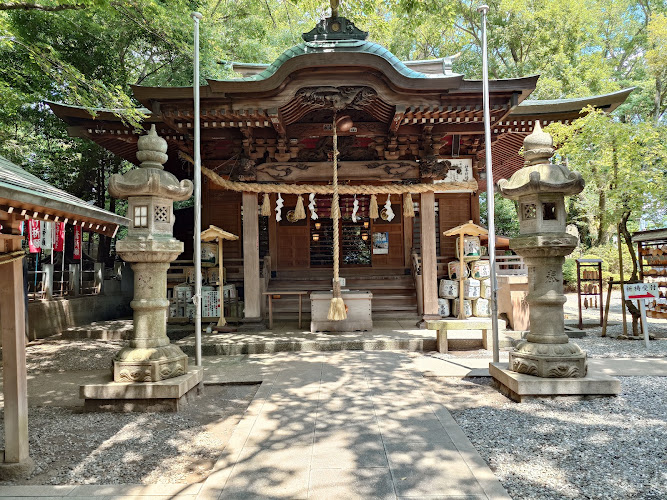
Zama Shrine
About Zama Shrine
Description
Zama Shrine, tucked away in the quiet heart of Kanagawa Prefecture, holds a kind of charm that’s hard to put into words. It’s not one of those massive, overly polished tourist spots you see plastered across travel brochures, and maybe that’s exactly why it feels so special. The shrine has this serene, lived-in atmosphere that makes you slow down without even realizing it. The story goes that the shrine’s origins trace back to a sacred spring said to have cured epidemics centuries ago. Even now, that same water—known as the “Water of Happiness”—still flows at the base of the cliff below the grounds. Locals believe it never runs dry, no matter the season, and honestly, standing there and watching it ripple softly, you can almost believe there’s something mystical about it.
Walking up to the main shrine requires climbing a long flight of stone steps, which might leave you a bit breathless—but the view at the top is worth every step. From the courtyard, you can see the Sagami River winding lazily through the valley and the rugged peaks of the Tanzawa Mountains beyond. It’s one of those views that make you stop mid-sentence and just take it all in. The air feels cleaner up there, too—maybe it’s the trees, or maybe it’s just that peaceful energy that old shrines seem to hold. I remember visiting on a slightly overcast day, and even then, the light filtering through the clouds gave everything this soft, timeless glow. It’s the kind of place that makes you want to linger a little longer than planned.
Though it’s not exactly bustling with crowds, Zama Shrine does attract a steady flow of visitors—locals coming to pray, families on quiet weekend strolls, and the occasional traveler chasing a bit of calm. It’s not a shrine that tries to impress with grandeur. Instead, it wins you over with its sincerity. The grounds are simple yet well-kept, and the faint scent of pine and incense lingers in the air. There’s a restroom on-site, but accessibility is limited, so those with mobility challenges might find the steep steps tricky. Still, for those who can make the climb, the reward is a peaceful escape from the usual urban rush.
Key Features
- Legendary Sacred Water: The “Water of Happiness” spring, believed to have healing powers and to never run dry, remains one of the shrine’s most captivating features.
- Panoramic Views: From the shrine’s upper grounds, visitors can enjoy sweeping views of the Sagami River and the Tanzawa mountain range—a view considered one of the “Eight Scenic Spots of Zama.”
- Historical Significance: Rooted in folklore surrounding the control of epidemics, the shrine carries deep cultural and spiritual meaning for the local community.
- Peaceful Ambiance: Surrounded by nature and away from city noise, the shrine offers a tranquil atmosphere ideal for reflection or quiet exploration.
- Seasonal Celebrations: During Girls’ Day in early March, the shrine becomes lively with families visiting to pray for the health and happiness of their daughters.
- Traditional Architecture: The wooden structures, weathered yet graceful, showcase the understated beauty typical of Shinto shrines in the region.
What I personally love most is how the shrine feels both intimate and open at the same time. There’s this balance between the human scale of the pathways and the vastness of the landscape beyond. It’s not trying to be flashy—it just exists, quietly, beautifully, like it has for centuries.
Best Time to Visit
While Zama Shrine can be visited year-round, certain times of the year truly bring out its character. Spring, for instance, is absolutely magical. The cherry blossoms around the shrine burst into pale pink clouds, and the petals often drift down the long staircase like confetti from the heavens. It’s a photographer’s dream, but also a deeply emotional sight—there’s something about those fleeting blossoms that makes you reflect on time and change. If you visit during Girls’ Day in March, you’ll find the shrine adorned with delicate decorations and a cheerful yet respectful atmosphere.
Summer can be lush and green, though the humidity in Kanagawa can make the climb up the steps a bit of a workout. Autumn is another favorite of mine—the maple trees near the entrance turn fiery shades of red and gold, and the crisp air makes everything feel a little sharper, a little more alive. Winter, on the other hand, is quiet and contemplative. The crowds thin out, and if you’re lucky enough to catch a dusting of snow, the shrine transforms into a peaceful white wonderland. Honestly, there’s no bad season to visit—it just depends on what kind of experience you’re after.
How to Get There
Getting to Zama Shrine is fairly straightforward, though it does require a bit of walking. The nearest train stations are on the Odakyu Line, and from there, it’s usually a short bus ride or a leisurely walk through residential streets. I actually prefer walking—it gives you a chance to see a bit of local life, the small bakeries and flower shops, the quiet rhythm of the neighborhood. The shrine isn’t hidden, but it’s not exactly front and center either. You might find yourself checking your map once or twice, but that’s part of the fun, right? That small sense of discovery when you finally spot the torii gate rising ahead of you.
For those driving, parking can be a bit limited. The roads leading up are narrow, typical of suburban Japan, so if you’re not used to driving in tight spaces, public transport might be the more relaxing option. And while the shrine isn’t wheelchair accessible due to the steep staircase, the lower grounds and the surrounding area can still be appreciated without climbing all the way up.
Tips for Visiting
Here’s the thing about visiting shrines like Zama Shrine—you get out of it what you bring in. If you rush through just to snap a few photos, you might miss its quiet magic. But if you take your time, breathe in the stillness, and maybe even offer a small prayer, the experience feels deeper somehow. Here are a few tips to make the most of your visit:
- Take Your Time: The staircase might look daunting, but don’t rush it. Pause halfway up and look back—the view shifts beautifully as you ascend.
- Bring a Bottle: If permitted, you can collect a small amount of the “Water of Happiness.” Locals often do this for good fortune, though always be respectful and follow posted signs.
- Visit Early Morning or Late Afternoon: These times tend to be quieter, and the lighting makes the shrine and its surroundings even more photogenic.
- Respect the Customs: As with any Shinto shrine, bow before entering through the torii, cleanse your hands at the purification basin, and avoid loud conversations within the grounds.
- Wear Comfortable Shoes: The steps are long and uneven in places, so sturdy footwear will make your visit much more comfortable.
- Plan for Weather: The area can get slippery after rain, so bring an umbrella or light jacket depending on the season.
One small personal recommendation—if you can, visit around sunset. The way the light hits the wooden beams of the shrine, turning them a deep amber, is just stunning. I remember sitting on one of the stone benches, watching the last rays fade behind the mountains, and feeling this strange mix of calm and gratitude. It’s not a grand, overwhelming kind of beauty—it’s quiet, grounded, and deeply human. That’s the essence of Zama Shrine.
For travelers seeking a place that blends history, legend, and natural beauty, Zama Shrine is a gem worth exploring. It’s a reminder that sometimes, the most meaningful travel experiences aren’t the loud or the famous ones—they’re the quiet moments in places like this, where time seems to pause just long enough for you to catch your breath and reconnect with yourself.
Key Features
- Key Features
- Best Time to Visit
- How to Get There
- Tips for Visiting
More Details
Updated November 7, 2025
Table of Contents
Description
Zama Shrine, tucked away in the quiet heart of Kanagawa Prefecture, holds a kind of charm that’s hard to put into words. It’s not one of those massive, overly polished tourist spots you see plastered across travel brochures, and maybe that’s exactly why it feels so special. The shrine has this serene, lived-in atmosphere that makes you slow down without even realizing it. The story goes that the shrine’s origins trace back to a sacred spring said to have cured epidemics centuries ago. Even now, that same water—known as the “Water of Happiness”—still flows at the base of the cliff below the grounds. Locals believe it never runs dry, no matter the season, and honestly, standing there and watching it ripple softly, you can almost believe there’s something mystical about it.
Walking up to the main shrine requires climbing a long flight of stone steps, which might leave you a bit breathless—but the view at the top is worth every step. From the courtyard, you can see the Sagami River winding lazily through the valley and the rugged peaks of the Tanzawa Mountains beyond. It’s one of those views that make you stop mid-sentence and just take it all in. The air feels cleaner up there, too—maybe it’s the trees, or maybe it’s just that peaceful energy that old shrines seem to hold. I remember visiting on a slightly overcast day, and even then, the light filtering through the clouds gave everything this soft, timeless glow. It’s the kind of place that makes you want to linger a little longer than planned.
Though it’s not exactly bustling with crowds, Zama Shrine does attract a steady flow of visitors—locals coming to pray, families on quiet weekend strolls, and the occasional traveler chasing a bit of calm. It’s not a shrine that tries to impress with grandeur. Instead, it wins you over with its sincerity. The grounds are simple yet well-kept, and the faint scent of pine and incense lingers in the air. There’s a restroom on-site, but accessibility is limited, so those with mobility challenges might find the steep steps tricky. Still, for those who can make the climb, the reward is a peaceful escape from the usual urban rush.
Key Features
- Legendary Sacred Water: The “Water of Happiness” spring, believed to have healing powers and to never run dry, remains one of the shrine’s most captivating features.
- Panoramic Views: From the shrine’s upper grounds, visitors can enjoy sweeping views of the Sagami River and the Tanzawa mountain range—a view considered one of the “Eight Scenic Spots of Zama.”
- Historical Significance: Rooted in folklore surrounding the control of epidemics, the shrine carries deep cultural and spiritual meaning for the local community.
- Peaceful Ambiance: Surrounded by nature and away from city noise, the shrine offers a tranquil atmosphere ideal for reflection or quiet exploration.
- Seasonal Celebrations: During Girls’ Day in early March, the shrine becomes lively with families visiting to pray for the health and happiness of their daughters.
- Traditional Architecture: The wooden structures, weathered yet graceful, showcase the understated beauty typical of Shinto shrines in the region.
What I personally love most is how the shrine feels both intimate and open at the same time. There’s this balance between the human scale of the pathways and the vastness of the landscape beyond. It’s not trying to be flashy—it just exists, quietly, beautifully, like it has for centuries.
Best Time to Visit
While Zama Shrine can be visited year-round, certain times of the year truly bring out its character. Spring, for instance, is absolutely magical. The cherry blossoms around the shrine burst into pale pink clouds, and the petals often drift down the long staircase like confetti from the heavens. It’s a photographer’s dream, but also a deeply emotional sight—there’s something about those fleeting blossoms that makes you reflect on time and change. If you visit during Girls’ Day in March, you’ll find the shrine adorned with delicate decorations and a cheerful yet respectful atmosphere.
Summer can be lush and green, though the humidity in Kanagawa can make the climb up the steps a bit of a workout. Autumn is another favorite of mine—the maple trees near the entrance turn fiery shades of red and gold, and the crisp air makes everything feel a little sharper, a little more alive. Winter, on the other hand, is quiet and contemplative. The crowds thin out, and if you’re lucky enough to catch a dusting of snow, the shrine transforms into a peaceful white wonderland. Honestly, there’s no bad season to visit—it just depends on what kind of experience you’re after.
How to Get There
Getting to Zama Shrine is fairly straightforward, though it does require a bit of walking. The nearest train stations are on the Odakyu Line, and from there, it’s usually a short bus ride or a leisurely walk through residential streets. I actually prefer walking—it gives you a chance to see a bit of local life, the small bakeries and flower shops, the quiet rhythm of the neighborhood. The shrine isn’t hidden, but it’s not exactly front and center either. You might find yourself checking your map once or twice, but that’s part of the fun, right? That small sense of discovery when you finally spot the torii gate rising ahead of you.
For those driving, parking can be a bit limited. The roads leading up are narrow, typical of suburban Japan, so if you’re not used to driving in tight spaces, public transport might be the more relaxing option. And while the shrine isn’t wheelchair accessible due to the steep staircase, the lower grounds and the surrounding area can still be appreciated without climbing all the way up.
Tips for Visiting
Here’s the thing about visiting shrines like Zama Shrine—you get out of it what you bring in. If you rush through just to snap a few photos, you might miss its quiet magic. But if you take your time, breathe in the stillness, and maybe even offer a small prayer, the experience feels deeper somehow. Here are a few tips to make the most of your visit:
- Take Your Time: The staircase might look daunting, but don’t rush it. Pause halfway up and look back—the view shifts beautifully as you ascend.
- Bring a Bottle: If permitted, you can collect a small amount of the “Water of Happiness.” Locals often do this for good fortune, though always be respectful and follow posted signs.
- Visit Early Morning or Late Afternoon: These times tend to be quieter, and the lighting makes the shrine and its surroundings even more photogenic.
- Respect the Customs: As with any Shinto shrine, bow before entering through the torii, cleanse your hands at the purification basin, and avoid loud conversations within the grounds.
- Wear Comfortable Shoes: The steps are long and uneven in places, so sturdy footwear will make your visit much more comfortable.
- Plan for Weather: The area can get slippery after rain, so bring an umbrella or light jacket depending on the season.
One small personal recommendation—if you can, visit around sunset. The way the light hits the wooden beams of the shrine, turning them a deep amber, is just stunning. I remember sitting on one of the stone benches, watching the last rays fade behind the mountains, and feeling this strange mix of calm and gratitude. It’s not a grand, overwhelming kind of beauty—it’s quiet, grounded, and deeply human. That’s the essence of Zama Shrine.
For travelers seeking a place that blends history, legend, and natural beauty, Zama Shrine is a gem worth exploring. It’s a reminder that sometimes, the most meaningful travel experiences aren’t the loud or the famous ones—they’re the quiet moments in places like this, where time seems to pause just long enough for you to catch your breath and reconnect with yourself.
Key Highlights
- Key Features
- Best Time to Visit
- How to Get There
- Tips for Visiting
Location
Places to Stay Near Zama Shrine
Find and Book a Tour
Explore More Travel Guides
No reviews found! Be the first to review!
Traveler Reviews for Zama Shrine
There are no reviews yet. Be the first one to write one.
Have you visited Zama Shrine? Help other travelers by sharing your review.
You Might Also Like
Kanigasawa Park
Casa Tortuga Tulum
Capilla de Guadalupe, Isla Mujeres
Find Accommodations Nearby
Recommended Tours & Activities
Visitor Reviews
There are no reviews yet. Be the first one to write one.
Share Your Experience
Have you visited Zama Shrine? Help other travelers by leaving a review.