
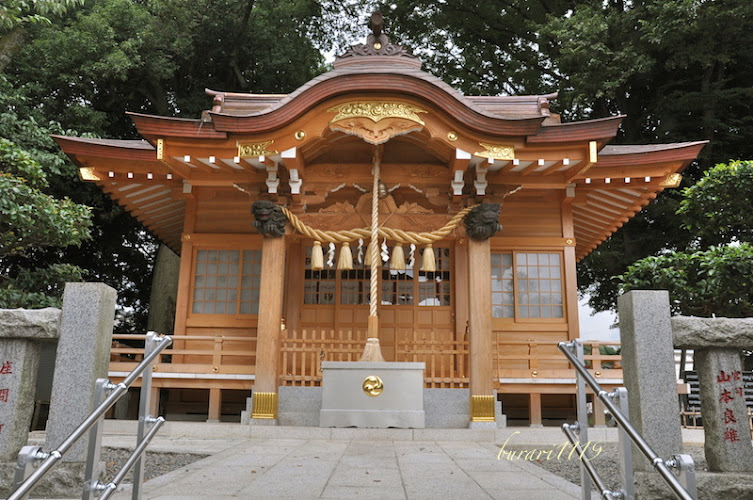
Kurihara Shrine
About Kurihara Shrine
Description
Kurihara Shrine is one of those quiet, slightly hidden places that manages to hold both history and heart in equal measure. It’s not one of those massive, tourist-packed shrines you see on every travel brochure — and honestly, that’s part of its charm. The shrine traces its roots back to the late 1500s, having been rebuilt in 1574, and has long served as the guardian shrine of the old Kurihara Village. The air around it feels different — calmer, slower somehow — like it’s been watching over the area for centuries. You can almost sense the weight of time in the weathered wood and the faint scent of old cedar that drifts through the grounds.
The shrine enshrines deities such as Susanoo no Mikoto, the storm god known for his fierce yet protective nature, and Homutawake no Mikoto, a deity associated with strength and valor. Inside the main hall, Amaterasu Omikami — the sun goddess — and Ukanomitamanomikoto, the deity of agriculture and food, are also honored. Together, they form a spiritual mix that represents both power and nourishment, chaos and calm — a reflection of life itself.
When I first visited, I remember standing beneath the torii gate, just listening. There was this soft rustle of leaves, a crow calling in the distance, and the faint sound of a bell from somewhere deeper in the precinct. It wasn’t grand or dramatic; it was just… peaceful. The kind of peace you don’t realize you need until you’re standing in it. That’s the thing about Kurihara Shrine — it doesn’t try to impress you; it just quietly reminds you that beauty can be simple.
The architecture is modest but elegant, with intricate carvings that tell old stories if you take the time to look closely. The grounds are well-kept, though not overly manicured — a little moss here, a few uneven stones there. It feels lived-in, loved, and respected. Locals often stop by to pray, especially during festivals or seasonal events. And if you happen to visit during one of those times, you’ll catch the place coming alive with laughter, food stalls, and the rhythmic beat of taiko drums echoing through the air.
Key Features
- Historical Significance: Originally rebuilt in 1574, Kurihara Shrine has stood as a guardian site for centuries, preserving local traditions and spiritual customs.
- Deities Enshrined: Dedicated to Susanoo no Mikoto, Homutawake no Mikoto, Amaterasu Omikami, and Ukanomitamanomikoto — representing protection, strength, light, and sustenance.
- Authentic Atmosphere: Unlike the more commercial shrines, it maintains a quiet, authentic feel that appeals to travelers seeking a genuine cultural experience.
- Seasonal Festivals: Local matsuri (festivals) bring the community together with traditional performances, lanterns, and food stalls.
- Architectural Details: Wooden carvings, stone lanterns, and the torii gate showcase Edo-period craftsmanship and Shinto symbolism.
- Peaceful Grounds: Shaded pathways, small prayer areas, and gentle breezes create a meditative environment perfect for reflection or photography.
Best Time to Visit
If you ask me, the best time to visit Kurihara Shrine really depends on what kind of experience you’re after. Spring, of course, is stunning — cherry blossoms frame the shrine like something out of a painting. The petals drift down like snowflakes, and you’ll probably find yourself taking a hundred photos before you even realize it. Early mornings in spring are particularly magical; the light hits the shrine at just the right angle, and for a few minutes, everything glows.
Autumn, though, might be my personal favorite. The maple leaves turn every shade of red and gold, and the air carries that crisp, earthy scent that makes you want to slow down and just breathe. In summer, the shrine feels alive — cicadas buzzing, kids running around, and the occasional festival lighting up the evening. Winter has its own quiet charm too; fewer visitors, a stillness that feels almost sacred. If you like solitude, that’s your season.
So, if you’re planning your trip, I’d say go in spring or autumn for the best balance of weather, color, and atmosphere — but honestly, there’s no wrong time to visit. Each season brings out a different side of the shrine’s personality.
How to Get There
Getting to Kurihara Shrine is pretty straightforward, though it’s not right in the middle of a major city. Most travelers reach it by taking a local train to the nearest station and then walking or catching a short taxi ride. The walk itself — if you choose to do it — is pleasant, with small shops and quiet residential streets along the way. You’ll probably pass a few vending machines (because, well, it’s Japan), and maybe even a friendly local who’ll point you in the right direction if you look a bit lost.
If you’re driving, parking can be a little tricky since the shrine doesn’t have a dedicated lot that’s fully accessible. It’s best to use nearby public parking and take a short stroll. Unfortunately, the shrine’s entrance and grounds aren’t fully wheelchair accessible, which is something to keep in mind if mobility is a concern. That said, the path leading up to the torii gate is relatively smooth, so with assistance, some visitors still manage to enjoy the main area.
Public transport remains the easiest option overall. Japan’s train system is famously punctual, and local buses run fairly regularly. Just make sure to check the schedule ahead of time, especially if you’re visiting later in the day — smaller routes sometimes stop earlier than you’d expect.
Tips for Visiting
A few tips from someone who’s learned them the hard way (and by that, I mean getting caught in a sudden rainstorm without an umbrella). First, always check the weather before you go — the shrine looks beautiful in the rain, but those stone paths can get slippery fast. Bring a small umbrella or a raincoat just in case.
Second, it’s worth visiting early in the morning or late in the afternoon. The light is softer, the crowds thinner, and the whole place feels more intimate. Midday can get a bit busy, especially on weekends when locals come to offer prayers or take part in small ceremonies.
Third, take your time. Don’t just snap a few photos and leave. Walk the grounds slowly, notice the details — the way the moss grows on the stone lanterns, the faint smell of incense, the sound of your footsteps mixing with the wind. If you’re lucky, you might even catch a glimpse of a small ritual or offering.
One more thing: if you plan to buy an omamori (a protective charm), do it. They make meaningful souvenirs, and each one is said to bring a specific kind of luck — for health, success, love, or safety. I still carry mine from Kurihara Shrine in my wallet. Maybe it’s superstition, maybe it’s just sentiment, but it’s nice to have a little piece of that peaceful place with me wherever I go.
And finally, remember to be respectful. Shrines are living spiritual spaces, not just tourist spots. Bow before entering through the torii gate, cleanse your hands at the temizuya (purification basin), and avoid loud conversations. It’s not about following strict rules — it’s about showing appreciation for a place that’s been quietly holding stories and prayers for hundreds of years.
Kurihara Shrine may not be the most famous or the grandest, but that’s exactly why it’s special. It’s a place where you can step away from the rush, breathe, and feel connected — not just to history, but to something timeless. And if you’re the kind of traveler who values moments over checklists, you’ll probably find yourself lingering a little longer than you planned.
Key Features
- Key Features
- Best Time to Visit
- How to Get There
- Tips for Visiting
More Details
Updated November 7, 2025
Table of Contents
Description
Kurihara Shrine is one of those quiet, slightly hidden places that manages to hold both history and heart in equal measure. It’s not one of those massive, tourist-packed shrines you see on every travel brochure — and honestly, that’s part of its charm. The shrine traces its roots back to the late 1500s, having been rebuilt in 1574, and has long served as the guardian shrine of the old Kurihara Village. The air around it feels different — calmer, slower somehow — like it’s been watching over the area for centuries. You can almost sense the weight of time in the weathered wood and the faint scent of old cedar that drifts through the grounds.
The shrine enshrines deities such as Susanoo no Mikoto, the storm god known for his fierce yet protective nature, and Homutawake no Mikoto, a deity associated with strength and valor. Inside the main hall, Amaterasu Omikami — the sun goddess — and Ukanomitamanomikoto, the deity of agriculture and food, are also honored. Together, they form a spiritual mix that represents both power and nourishment, chaos and calm — a reflection of life itself.
When I first visited, I remember standing beneath the torii gate, just listening. There was this soft rustle of leaves, a crow calling in the distance, and the faint sound of a bell from somewhere deeper in the precinct. It wasn’t grand or dramatic; it was just… peaceful. The kind of peace you don’t realize you need until you’re standing in it. That’s the thing about Kurihara Shrine — it doesn’t try to impress you; it just quietly reminds you that beauty can be simple.
The architecture is modest but elegant, with intricate carvings that tell old stories if you take the time to look closely. The grounds are well-kept, though not overly manicured — a little moss here, a few uneven stones there. It feels lived-in, loved, and respected. Locals often stop by to pray, especially during festivals or seasonal events. And if you happen to visit during one of those times, you’ll catch the place coming alive with laughter, food stalls, and the rhythmic beat of taiko drums echoing through the air.
Key Features
- Historical Significance: Originally rebuilt in 1574, Kurihara Shrine has stood as a guardian site for centuries, preserving local traditions and spiritual customs.
- Deities Enshrined: Dedicated to Susanoo no Mikoto, Homutawake no Mikoto, Amaterasu Omikami, and Ukanomitamanomikoto — representing protection, strength, light, and sustenance.
- Authentic Atmosphere: Unlike the more commercial shrines, it maintains a quiet, authentic feel that appeals to travelers seeking a genuine cultural experience.
- Seasonal Festivals: Local matsuri (festivals) bring the community together with traditional performances, lanterns, and food stalls.
- Architectural Details: Wooden carvings, stone lanterns, and the torii gate showcase Edo-period craftsmanship and Shinto symbolism.
- Peaceful Grounds: Shaded pathways, small prayer areas, and gentle breezes create a meditative environment perfect for reflection or photography.
Best Time to Visit
If you ask me, the best time to visit Kurihara Shrine really depends on what kind of experience you’re after. Spring, of course, is stunning — cherry blossoms frame the shrine like something out of a painting. The petals drift down like snowflakes, and you’ll probably find yourself taking a hundred photos before you even realize it. Early mornings in spring are particularly magical; the light hits the shrine at just the right angle, and for a few minutes, everything glows.
Autumn, though, might be my personal favorite. The maple leaves turn every shade of red and gold, and the air carries that crisp, earthy scent that makes you want to slow down and just breathe. In summer, the shrine feels alive — cicadas buzzing, kids running around, and the occasional festival lighting up the evening. Winter has its own quiet charm too; fewer visitors, a stillness that feels almost sacred. If you like solitude, that’s your season.
So, if you’re planning your trip, I’d say go in spring or autumn for the best balance of weather, color, and atmosphere — but honestly, there’s no wrong time to visit. Each season brings out a different side of the shrine’s personality.
How to Get There
Getting to Kurihara Shrine is pretty straightforward, though it’s not right in the middle of a major city. Most travelers reach it by taking a local train to the nearest station and then walking or catching a short taxi ride. The walk itself — if you choose to do it — is pleasant, with small shops and quiet residential streets along the way. You’ll probably pass a few vending machines (because, well, it’s Japan), and maybe even a friendly local who’ll point you in the right direction if you look a bit lost.
If you’re driving, parking can be a little tricky since the shrine doesn’t have a dedicated lot that’s fully accessible. It’s best to use nearby public parking and take a short stroll. Unfortunately, the shrine’s entrance and grounds aren’t fully wheelchair accessible, which is something to keep in mind if mobility is a concern. That said, the path leading up to the torii gate is relatively smooth, so with assistance, some visitors still manage to enjoy the main area.
Public transport remains the easiest option overall. Japan’s train system is famously punctual, and local buses run fairly regularly. Just make sure to check the schedule ahead of time, especially if you’re visiting later in the day — smaller routes sometimes stop earlier than you’d expect.
Tips for Visiting
A few tips from someone who’s learned them the hard way (and by that, I mean getting caught in a sudden rainstorm without an umbrella). First, always check the weather before you go — the shrine looks beautiful in the rain, but those stone paths can get slippery fast. Bring a small umbrella or a raincoat just in case.
Second, it’s worth visiting early in the morning or late in the afternoon. The light is softer, the crowds thinner, and the whole place feels more intimate. Midday can get a bit busy, especially on weekends when locals come to offer prayers or take part in small ceremonies.
Third, take your time. Don’t just snap a few photos and leave. Walk the grounds slowly, notice the details — the way the moss grows on the stone lanterns, the faint smell of incense, the sound of your footsteps mixing with the wind. If you’re lucky, you might even catch a glimpse of a small ritual or offering.
One more thing: if you plan to buy an omamori (a protective charm), do it. They make meaningful souvenirs, and each one is said to bring a specific kind of luck — for health, success, love, or safety. I still carry mine from Kurihara Shrine in my wallet. Maybe it’s superstition, maybe it’s just sentiment, but it’s nice to have a little piece of that peaceful place with me wherever I go.
And finally, remember to be respectful. Shrines are living spiritual spaces, not just tourist spots. Bow before entering through the torii gate, cleanse your hands at the temizuya (purification basin), and avoid loud conversations. It’s not about following strict rules — it’s about showing appreciation for a place that’s been quietly holding stories and prayers for hundreds of years.
Kurihara Shrine may not be the most famous or the grandest, but that’s exactly why it’s special. It’s a place where you can step away from the rush, breathe, and feel connected — not just to history, but to something timeless. And if you’re the kind of traveler who values moments over checklists, you’ll probably find yourself lingering a little longer than you planned.
Key Highlights
- Key Features
- Best Time to Visit
- How to Get There
- Tips for Visiting
Location
Places to Stay Near Kurihara Shrine
Find and Book a Tour
Explore More Travel Guides
No reviews found! Be the first to review!
Traveler Reviews for Kurihara Shrine
There are no reviews yet. Be the first one to write one.
Have you visited Kurihara Shrine? Help other travelers by sharing your review.
You Might Also Like
Zuma New York
Zama Park
Casa Tortuga Tulum
Find Accommodations Nearby
Recommended Tours & Activities
Visitor Reviews
There are no reviews yet. Be the first one to write one.
Share Your Experience
Have you visited Kurihara Shrine? Help other travelers by leaving a review.