
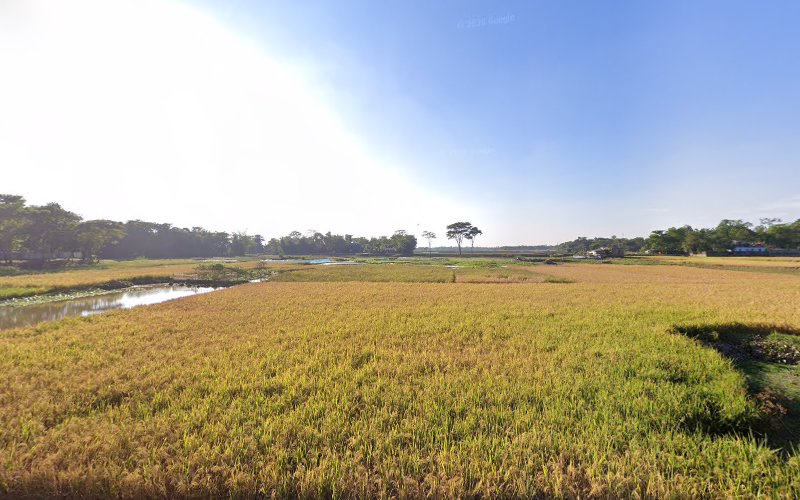
Zakiganj Rd
About Zakiganj Rd
Description
Zakiganj Road stretches through one of the most fascinating corners of northeastern Bangladesh, carving its way through Sylhet Division with a character that's entirely its own. This isn't your typical highway experience – it's more like a ribbon of asphalt that tells the story of a region where rivers, hills, and rural life converge in ways that'll surprise you. I've always believed that roads are never just about getting from point A to point B, and Zakiganj Rd proves that theory every single time. The route connects travelers to areas that most guidebooks barely mention, passing through landscapes where tea gardens meet traditional villages and where the pace of life still follows rhythms that have existed for generations. You'll find yourself driving past scenes that could've been pulled straight from a documentary about rural South Asia – farmers tending their fields, children playing cricket on patches of ground near the roadside, and small markets that spring up seemingly out of nowhere. The road itself serves as a lifeline for local communities while offering travelers a genuine peek into authentic Bangladeshi life beyond the tourist circuits. And honestly? That's what makes it special. There's no manufactured experience here, no carefully curated viewpoints designed for Instagram. What you see is what you get, and that rawness has its own appeal. The surrounding Zakiganj Upazila region holds significance for its proximity to the Indian border and its role in local trade and agriculture. The landscape shifts as you travel, from relatively flat plains to areas where the terrain becomes more interesting, hinting at the Meghalaya hills that lie not far to the north. Water is everywhere – ponds, rivers, and during monsoon season, fields that transform into temporary lakes reflecting massive skies.Key Features
The distinctive characteristics of Zakiganj Road make it worth considering for travelers who want something different from their Bangladesh journey: • Agricultural Landscapes: The route passes through extensive rice paddies and agricultural lands that showcase the region's farming heritage. During planting and harvest seasons, the visual transformation is remarkable. • River Crossings: Several waterways intersect with the road, offering glimpses of river life that's central to the local economy and culture. You might spot fishing activities and small boats navigating these channels. • Border Region Atmosphere: The proximity to India creates a unique cultural blend and commercial energy that's palpable in certain stretches, particularly near market areas. • Tea Garden Views: Portions of the journey offer sightings of tea estates that Sylhet Division is known for, with their orderly rows of bushes creating geometric patterns across hillsides. • Traditional Villages: Multiple settlements along the route maintain architectural styles and lifestyles that haven't changed dramatically over decades, providing cultural insight for observant travelers. • Local Markets: Periodic market areas along the road serve as community gathering points where you can witness genuine commerce and social interaction. • Religious Sites: Small mosques and shrines dot the landscape, reflecting the spiritual life of local communities. • Natural Beauty: The changing topography keeps the journey visually interesting, especially during golden hour when the light does magical things to the landscape.Best Time to Visit
Timing your journey along Zakiganj Road makes a huge difference in what kind of experience you'll have, and I can't stress this enough. The winter months from November through February offer the most comfortable travel conditions. Temperatures hover in that sweet spot where you're not sweating through your clothes but also not needing heavy layers. The skies tend toward clear, which means better visibility for appreciating the landscape. This is harvest season too, so you'll see agricultural activity at its peak – fields being worked, crops being gathered, and a general buzz of productivity that gives you real insight into how rural economies function. March and April bring warmer weather but still remain manageable for most travelers. These months fall just before the monsoon arrives, so there's a particular quality to the light and atmosphere. The countryside starts showing signs of the coming rains, and you might catch some of the pre-monsoon storms that are spectacular to watch (from a safe distance, naturally). But here's where opinions divide: the monsoon season from June through September transforms the entire region. The road conditions can deteriorate, and travel becomes more challenging. Yet for photographers and adventurous souls, this season offers dramatic scenery that you simply can't get any other time. Everything turns impossibly green, the skies are theatrical, and water becomes the dominant element in every view. Just know what you're getting into – delays are likely, and you need to be flexible with your plans. October serves as a transition month when the rains taper off and the landscape retains that lush quality while conditions improve for travel. It's actually one of my favorite times for this kind of journey, though fewer travelers think of it. Avoid planning trips during major religious holidays unless you're specifically interested in observing local celebrations, as traffic increases significantly and accommodation becomes scarce.How to Get There
Accessing Zakiganj Road requires a bit of planning since this isn't exactly a destination that's set up for casual drop-in visitors. Sylhet serves as the primary gateway for reaching the Zakiganj area. The city has an airport with regular connections to Dhaka, making it accessible for travelers coming from the capital or international destinations. From Sylhet city center, Zakiganj Road is roughly 40 kilometers northeast, which sounds straightforward but can take varying amounts of time depending on traffic and road conditions. Hiring a private vehicle offers the most flexibility for exploring the route. You can negotiate with drivers in Sylhet – look for someone who knows the area well and can provide context about what you're seeing. This approach costs more but gives you control over your pace and stopping points. Expect to pay reasonable rates compared to Western standards, but do agree on pricing beforehand to avoid misunderstandings. Local bus services run between Sylhet and Zakiganj, providing a budget-friendly alternative that's also culturally immersive. The buses aren't luxury coaches by any measure, but they're reliable enough and you'll be traveling alongside local residents rather than insulated in a private bubble. The experience has its charms, though comfort isn't really one of them. CNGs (motorized three-wheelers) can be hired for shorter distances or specific portions of the route, though they're less practical for covering the entire stretch. They work well if you're based in one area and want to explore sections without committing to a full-day vehicle hire. Some travelers arrange trips through tour operators in Sylhet who can organize transportation and potentially combine the journey with visits to other regional attractions. This takes the logistical burden off your shoulders but reduces spontaneity. Whatever method you choose, start early in the day. This gives you maximum daylight for travel and photography, and it means you're more likely to complete your journey before conditions change or fatigue sets in.Tips for Visiting
A few practical considerations will make your Zakiganj Road experience considerably smoother. First off, manage your expectations about facilities. This isn't a tourist corridor with rest stops and visitor centers. Bathroom facilities are limited and when available, they're basic. Plan accordingly and use facilities in Sylhet before departing. Bring water and snacks with you. Small shops exist along the route, but selection is limited and you can't always count on finding what you want when you want it. Staying hydrated is particularly important if you're traveling during warmer months. Dress modestly and respectfully. Sylhet Division is generally conservative, and while tourists get some latitude, showing cultural awareness through your clothing choices goes a long way. Women should keep shoulders and knees covered, and men should avoid going shirtless no matter how hot it gets. Photography requires sensitivity here. Yes, the scenes are photographically rich, but you're documenting people's daily lives, not visiting a theme park. Always ask permission before photographing individuals, and be prepared for refusal. Some folks don't want their picture taken, and that's their right. Candid shots of markets and landscapes are generally fine, but use judgment and respect. Cash is king in this region. Don't expect card payment options at small shops or when paying drivers. Carry smaller denomination notes because getting change for large bills can be problematic. Learn a few basic Bengali phrases. English proficiency drops significantly once you leave major cities, and even simple greetings in the local language create goodwill and can open up interactions that wouldn't happen otherwise. Be flexible with your schedule. Things take longer than expected in rural Bangladesh – that's just how it works. Roads might be blocked temporarily, a festival might slow traffic, weather could intervene. Fighting against this reality only creates frustration. Build buffer time into your plans and embrace a more relaxed pace. Keep your belongings secure but don't be paranoid. Serious crime against tourists is rare in these areas, but opportunistic theft can happen anywhere. Basic precautions like keeping valuables out of sight and maintaining awareness of your surroundings are sufficient. Consider hiring a local guide if you want deeper understanding of what you're seeing. A knowledgeable guide can explain agricultural practices, point out significant landmarks, and facilitate interactions with local people in ways that independent travelers can't easily achieve. The road conditions vary along different sections, so if you're driving yourself or have hired a driver, stay alert. Potholes appear suddenly, livestock wander onto the road, and traffic rules are... let's say they're interpreted creatively. Defensive driving is essential. Finally, bring patience and openness. The rewards of exploring Zakiganj Road aren't immediately obvious like at a famous monument. They reveal themselves gradually through accumulated small moments and observations. The journey requires you to slow down, look carefully, and appreciate subtleties. That's actually the whole point.Key Features
- Scenic rural landscapes and paddy fields along the route
- Access to local markets, roadside tea stalls and small eateries
- Proximity to river tributaries offering river life views and boat activity
- Gateway connection between Sylhet city and Zakiganj/near-border areas
- Opportunities for cycling, photography and informal cultural encounters
More Details
Updated January 18, 2026
Table of Contents
Description
Zakiganj Road stretches through one of the most fascinating corners of northeastern Bangladesh, carving its way through Sylhet Division with a character that’s entirely its own. This isn’t your typical highway experience – it’s more like a ribbon of asphalt that tells the story of a region where rivers, hills, and rural life converge in ways that’ll surprise you.
I’ve always believed that roads are never just about getting from point A to point B, and Zakiganj Rd proves that theory every single time. The route connects travelers to areas that most guidebooks barely mention, passing through landscapes where tea gardens meet traditional villages and where the pace of life still follows rhythms that have existed for generations. You’ll find yourself driving past scenes that could’ve been pulled straight from a documentary about rural South Asia – farmers tending their fields, children playing cricket on patches of ground near the roadside, and small markets that spring up seemingly out of nowhere.
The road itself serves as a lifeline for local communities while offering travelers a genuine peek into authentic Bangladeshi life beyond the tourist circuits. And honestly? That’s what makes it special. There’s no manufactured experience here, no carefully curated viewpoints designed for Instagram. What you see is what you get, and that rawness has its own appeal.
The surrounding Zakiganj Upazila region holds significance for its proximity to the Indian border and its role in local trade and agriculture. The landscape shifts as you travel, from relatively flat plains to areas where the terrain becomes more interesting, hinting at the Meghalaya hills that lie not far to the north. Water is everywhere – ponds, rivers, and during monsoon season, fields that transform into temporary lakes reflecting massive skies.
Key Features
The distinctive characteristics of Zakiganj Road make it worth considering for travelers who want something different from their Bangladesh journey:
• Agricultural Landscapes: The route passes through extensive rice paddies and agricultural lands that showcase the region’s farming heritage. During planting and harvest seasons, the visual transformation is remarkable.
• River Crossings: Several waterways intersect with the road, offering glimpses of river life that’s central to the local economy and culture. You might spot fishing activities and small boats navigating these channels.
• Border Region Atmosphere: The proximity to India creates a unique cultural blend and commercial energy that’s palpable in certain stretches, particularly near market areas.
• Tea Garden Views: Portions of the journey offer sightings of tea estates that Sylhet Division is known for, with their orderly rows of bushes creating geometric patterns across hillsides.
• Traditional Villages: Multiple settlements along the route maintain architectural styles and lifestyles that haven’t changed dramatically over decades, providing cultural insight for observant travelers.
• Local Markets: Periodic market areas along the road serve as community gathering points where you can witness genuine commerce and social interaction.
• Religious Sites: Small mosques and shrines dot the landscape, reflecting the spiritual life of local communities.
• Natural Beauty: The changing topography keeps the journey visually interesting, especially during golden hour when the light does magical things to the landscape.
Best Time to Visit
Timing your journey along Zakiganj Road makes a huge difference in what kind of experience you’ll have, and I can’t stress this enough.
The winter months from November through February offer the most comfortable travel conditions. Temperatures hover in that sweet spot where you’re not sweating through your clothes but also not needing heavy layers. The skies tend toward clear, which means better visibility for appreciating the landscape. This is harvest season too, so you’ll see agricultural activity at its peak – fields being worked, crops being gathered, and a general buzz of productivity that gives you real insight into how rural economies function.
March and April bring warmer weather but still remain manageable for most travelers. These months fall just before the monsoon arrives, so there’s a particular quality to the light and atmosphere. The countryside starts showing signs of the coming rains, and you might catch some of the pre-monsoon storms that are spectacular to watch (from a safe distance, naturally).
But here’s where opinions divide: the monsoon season from June through September transforms the entire region. The road conditions can deteriorate, and travel becomes more challenging. Yet for photographers and adventurous souls, this season offers dramatic scenery that you simply can’t get any other time. Everything turns impossibly green, the skies are theatrical, and water becomes the dominant element in every view. Just know what you’re getting into – delays are likely, and you need to be flexible with your plans.
October serves as a transition month when the rains taper off and the landscape retains that lush quality while conditions improve for travel. It’s actually one of my favorite times for this kind of journey, though fewer travelers think of it.
Avoid planning trips during major religious holidays unless you’re specifically interested in observing local celebrations, as traffic increases significantly and accommodation becomes scarce.
How to Get There
Accessing Zakiganj Road requires a bit of planning since this isn’t exactly a destination that’s set up for casual drop-in visitors.
Sylhet serves as the primary gateway for reaching the Zakiganj area. The city has an airport with regular connections to Dhaka, making it accessible for travelers coming from the capital or international destinations. From Sylhet city center, Zakiganj Road is roughly 40 kilometers northeast, which sounds straightforward but can take varying amounts of time depending on traffic and road conditions.
Hiring a private vehicle offers the most flexibility for exploring the route. You can negotiate with drivers in Sylhet – look for someone who knows the area well and can provide context about what you’re seeing. This approach costs more but gives you control over your pace and stopping points. Expect to pay reasonable rates compared to Western standards, but do agree on pricing beforehand to avoid misunderstandings.
Local bus services run between Sylhet and Zakiganj, providing a budget-friendly alternative that’s also culturally immersive. The buses aren’t luxury coaches by any measure, but they’re reliable enough and you’ll be traveling alongside local residents rather than insulated in a private bubble. The experience has its charms, though comfort isn’t really one of them.
CNGs (motorized three-wheelers) can be hired for shorter distances or specific portions of the route, though they’re less practical for covering the entire stretch. They work well if you’re based in one area and want to explore sections without committing to a full-day vehicle hire.
Some travelers arrange trips through tour operators in Sylhet who can organize transportation and potentially combine the journey with visits to other regional attractions. This takes the logistical burden off your shoulders but reduces spontaneity.
Whatever method you choose, start early in the day. This gives you maximum daylight for travel and photography, and it means you’re more likely to complete your journey before conditions change or fatigue sets in.
Tips for Visiting
A few practical considerations will make your Zakiganj Road experience considerably smoother.
First off, manage your expectations about facilities. This isn’t a tourist corridor with rest stops and visitor centers. Bathroom facilities are limited and when available, they’re basic. Plan accordingly and use facilities in Sylhet before departing.
Bring water and snacks with you. Small shops exist along the route, but selection is limited and you can’t always count on finding what you want when you want it. Staying hydrated is particularly important if you’re traveling during warmer months.
Dress modestly and respectfully. Sylhet Division is generally conservative, and while tourists get some latitude, showing cultural awareness through your clothing choices goes a long way. Women should keep shoulders and knees covered, and men should avoid going shirtless no matter how hot it gets.
Photography requires sensitivity here. Yes, the scenes are photographically rich, but you’re documenting people’s daily lives, not visiting a theme park. Always ask permission before photographing individuals, and be prepared for refusal. Some folks don’t want their picture taken, and that’s their right. Candid shots of markets and landscapes are generally fine, but use judgment and respect.
Cash is king in this region. Don’t expect card payment options at small shops or when paying drivers. Carry smaller denomination notes because getting change for large bills can be problematic.
Learn a few basic Bengali phrases. English proficiency drops significantly once you leave major cities, and even simple greetings in the local language create goodwill and can open up interactions that wouldn’t happen otherwise.
Be flexible with your schedule. Things take longer than expected in rural Bangladesh – that’s just how it works. Roads might be blocked temporarily, a festival might slow traffic, weather could intervene. Fighting against this reality only creates frustration. Build buffer time into your plans and embrace a more relaxed pace.
Keep your belongings secure but don’t be paranoid. Serious crime against tourists is rare in these areas, but opportunistic theft can happen anywhere. Basic precautions like keeping valuables out of sight and maintaining awareness of your surroundings are sufficient.
Consider hiring a local guide if you want deeper understanding of what you’re seeing. A knowledgeable guide can explain agricultural practices, point out significant landmarks, and facilitate interactions with local people in ways that independent travelers can’t easily achieve.
The road conditions vary along different sections, so if you’re driving yourself or have hired a driver, stay alert. Potholes appear suddenly, livestock wander onto the road, and traffic rules are… let’s say they’re interpreted creatively. Defensive driving is essential.
Finally, bring patience and openness. The rewards of exploring Zakiganj Road aren’t immediately obvious like at a famous monument. They reveal themselves gradually through accumulated small moments and observations. The journey requires you to slow down, look carefully, and appreciate subtleties. That’s actually the whole point.
Key Highlights
- Scenic rural landscapes and paddy fields along the route
- Access to local markets, roadside tea stalls and small eateries
- Proximity to river tributaries offering river life views and boat activity
- Gateway connection between Sylhet city and Zakiganj/near-border areas
- Opportunities for cycling, photography and informal cultural encounters
Location
Places to Stay Near Zakiganj Rd
Find and Book a Tour
Explore More Travel Guides
No reviews found! Be the first to review!
Traveler Reviews for Zakiganj Rd
There are no reviews yet. Be the first one to write one.
Have you visited Zakiganj Rd? Help other travelers by sharing your review.
Nearby Attractions
You Might Also Like
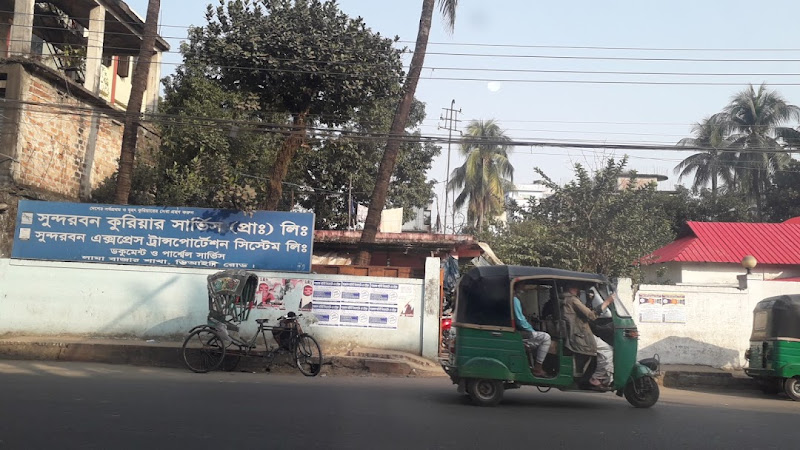
KUARPAR POINT
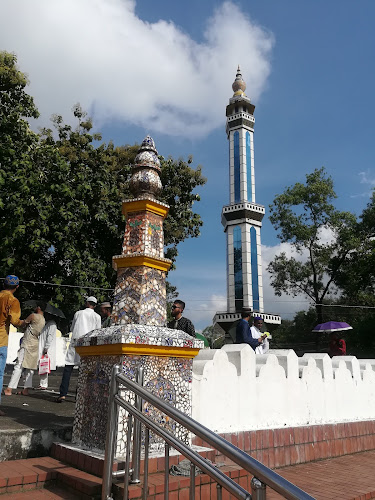
Shahi Eidgah
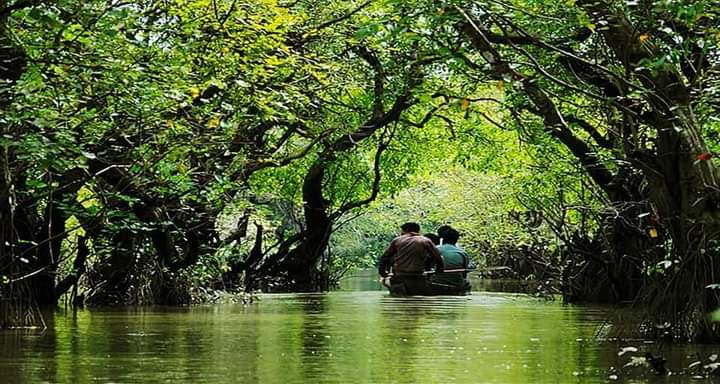
Sylhet
Find Accommodations Nearby
Recommended Tours & Activities
Visitor Reviews
There are no reviews yet. Be the first one to write one.
Share Your Experience
Have you visited Zakiganj Rd? Help other travelers by leaving a review.