
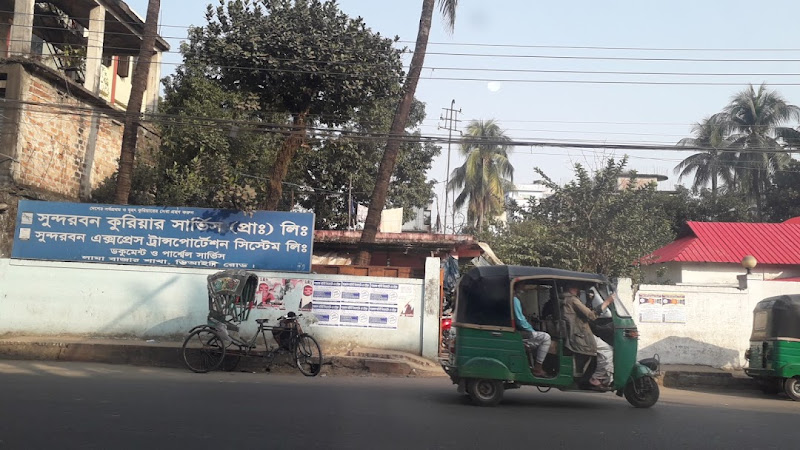
KUARPAR POINT
About KUARPAR POINT
Description
Kuarpar Point stands as one of those places that doesn't always make it to the glossy travel brochures, but honestly? That's part of its charm. This historical landmark carries stories from another era, though you'll need to dig a little deeper than just snapping a few photos to really appreciate what you're looking at here. The site has managed to preserve its character despite the passage of time, and there's something genuinely authentic about the experience when you visit. What makes Kuarpar Point particularly interesting is how it functions as both a historical site and a surprisingly functional community space. And I mean this – you'll actually find a bakery operating on the premises, which sounds unusual at first but actually adds this unexpected layer of local life to your visit. The smell of fresh bread mixing with the weight of history creates this odd juxtaposition that somehow just works. The place has garnered quite a bit of attention from visitors over the years, with most people walking away genuinely impressed by what they found. But it's not without its critics, and I think that's important to mention upfront. Some travelers have expressed disappointment, possibly because they arrived with different expectations or during less-than-ideal conditions. The majority of visitors, though, seem to connect with something special here – whether that's the historical significance, the peaceful atmosphere, or just the chance to step away from the more crowded tourist circuits. Families will find Kuarpar Point particularly accommodating since the site is well-suited for children. There's enough space for kids to explore safely, and the historical elements can actually be quite engaging for younger minds when presented properly. The onsite services mean you won't be left scrambling for basic necessities, which any parent knows is absolutely crucial when traveling with little ones.Key Features
- Historical Architecture: The structures at Kuarpar Point tell stories through their design, reflecting architectural styles and building techniques from periods that shaped the region's identity and cultural landscape
- Working Bakery: An active bakery operates on the premises, offering freshly baked goods that provide sustenance and a taste of local culinary traditions right where history happened
- Family-Friendly Environment: The site welcomes children and provides adequate space for families to explore together, making it accessible for multi-generational visits
- Onsite Services: Convenient facilities are available directly at the location, ensuring visitors have access to necessary amenities without having to leave the premises
- Authentic Local Experience: Unlike heavily commercialized tourist attractions, Kuarpar Point maintains a genuine connection to the community and its heritage
- Peaceful Atmosphere: The landmark offers a quieter alternative to busier tourist destinations, allowing for contemplation and appreciation of historical significance
- Photographic Opportunities: The historical structures and surrounding environment provide interesting subjects for photography enthusiasts looking to capture something beyond typical tourist shots
- Cultural Significance: The site represents important chapters in regional history, offering insights into the lives and events that shaped the local area
Best Time to Visit
Timing your visit to Kuarpar Point can really make or break your experience, and I've learned this the hard way at similar historical sites. The ideal window generally falls during the cooler, drier months when you can comfortably spend time outdoors exploring the grounds without battling extreme heat or monsoon rains. Think carefully about what you want from your visit before committing to specific dates. Early mornings bring a particular magic to historical landmarks like this one. The light is softer, perfect for photography, and you'll likely have more space to yourself before day-trippers and tour groups arrive. Plus, if you're planning to sample goods from the onsite bakery, getting there early means the freshest selection. I can't stress enough how much difference it makes experiencing a place before the crowds descend – it's almost like visiting two completely different locations. Weekdays typically offer a more relaxed experience compared to weekends when local families and domestic tourists tend to visit in larger numbers. But honestly, there's something to be said for seeing a place when it's buzzing with local life too. You get a truer sense of how the community interacts with their heritage. It just depends whether you prioritize solitude or atmosphere. Avoid visiting during major festivals or public holidays unless you specifically want that energy, because crowds can become overwhelming and might prevent you from really absorbing the historical significance. The same goes for extreme weather conditions – heavy rains can make exploring uncomfortable and potentially unsafe, while scorching heat will cut your visit shorter than you'd probably like. The shoulder seasons often represent the sweet spot where weather remains pleasant but tourist numbers haven't peaked. You'll find facilities and services fully operational without the strain of managing peak visitor loads. And the bakery will likely have consistent hours and full inventory, which matters more than you might think when you're planning your day.How to Get There
Getting to Kuarpar Point requires a bit of planning, but it's far from impossible. The landmark isn't situated in some remote wilderness – it's accessible, though you'll need to make deliberate transportation choices rather than just stumbling upon it during a casual walk. Local transportation options typically include hired vehicles, which give you the most flexibility in terms of timing and allowing you to explore surrounding areas at your own pace. Taxis or auto-rickshaws can get you there if you're staying relatively nearby, though you'll want to negotiate return arrangements or confirm that drivers are willing to wait. Nothing's worse than finishing a wonderful historical visit only to realize you're stranded with no way back to your accommodation. Public transportation might serve the general area, but you should research specific routes and schedules beforehand. Bus services can be irregular, and you don't want to build your entire day's itinerary around uncertain departure times. Ask locals or your accommodation staff for current information since routes and schedules can change without much notice in some regions. If you're the adventurous type and conditions allow, cycling to Kuarpar Point could add an extra dimension to your journey. You'll see more of the surrounding landscape and community life along the way. But be realistic about distances, road conditions, and your own fitness level before committing to this option. Heat and hills can turn an idyllic bike ride into a miserable slog pretty quickly. Navigation apps generally work well for finding the location, though signal strength might vary depending on exactly where you're coming from. Download offline maps as a backup, and don't hesitate to ask directions from locals – people are usually happy to help travelers find historical sites, and you might learn something interesting in the process.Tips for Visiting
Come prepared with realistic expectations. Kuarpar Point is a historical landmark with genuine character, not a theme park designed to entertain you every second. The value lies in what you bring to the experience – your curiosity, your willingness to imagine past lives and events, your appreciation for authenticity over manufactured attractions. Comfortable walking shoes are non-negotiable. Historical sites rarely feature perfectly smooth, modern pathways, and you'll want footwear that can handle uneven surfaces without leaving your feet aching. Trust me on this – I've ruined more than one travel day by making poor footwear choices, and it's just not worth it. Bring water, even though onsite services exist. Staying hydrated matters, especially if you're visiting during warmer months or planning to spend several hours exploring. The bakery can provide refreshments, but having your own supply gives you independence and ensures you're never stuck feeling parched. Take time to actually observe rather than just photographing everything. There's this tendency we all have now to experience places through our phone screens, documenting every angle for social media. But some of the best travel memories come from moments when you just stand still, look around, and let the significance of where you're standing actually sink in. Respect the historical nature of the site. These aren't just old buildings – they're physical connections to people who lived before us, to events that mattered, to stories worth preserving. Don't climb on structures that aren't meant to be climbed, don't leave trash behind, and be mindful that your behavior impacts the experience for everyone who comes after you. If you're visiting with children, prepare them beforehand about what they'll see and why it matters. Kids can absolutely appreciate historical sites, but they need context and maybe some stories to make the experience engaging. Turn it into a learning adventure rather than just another stop on an itinerary they don't understand. Consider timing your visit to coincide with the bakery's peak hours if sampling local baked goods interests you. Fresh items tend to sell out, and you'd hate to miss experiencing that unique aspect of Kuarpar Point. The combination of history and these simple, real-life services creates memorable moments that typical tourist attractions just can't replicate. Budget adequate time for your visit – rushing through diminishes the entire purpose of coming to a historical landmark. You need space to wander, to sit and contemplate, to explore at whatever pace feels right. Two to three hours minimum gives you room to properly experience what Kuarpar Point offers without feeling pressed. Engage with any available information about the site's history, whether that's signage, guides, or materials you've researched beforehand. The physical structures only tell part of the story – understanding the context, the people, the events adds layers of meaning that transform your visit from simple sightseeing into genuine connection with the past.Key Features
- Local historical significance with colonial and pre-colonial associations
- Scenic vantage point offering panoramic views of Sylhet’s surrounding countryside
- Traditional masonry/monument elements for close-up study
- Low visitor numbers — a peaceful, off-the-beaten-path experience
- Easy to combine with nearby cultural and nature sites in Sylhet
More Details
Updated January 18, 2026
Table of Contents
Description
Kuarpar Point stands as one of those places that doesn’t always make it to the glossy travel brochures, but honestly? That’s part of its charm. This historical landmark carries stories from another era, though you’ll need to dig a little deeper than just snapping a few photos to really appreciate what you’re looking at here. The site has managed to preserve its character despite the passage of time, and there’s something genuinely authentic about the experience when you visit.
What makes Kuarpar Point particularly interesting is how it functions as both a historical site and a surprisingly functional community space. And I mean this – you’ll actually find a bakery operating on the premises, which sounds unusual at first but actually adds this unexpected layer of local life to your visit. The smell of fresh bread mixing with the weight of history creates this odd juxtaposition that somehow just works.
The place has garnered quite a bit of attention from visitors over the years, with most people walking away genuinely impressed by what they found. But it’s not without its critics, and I think that’s important to mention upfront. Some travelers have expressed disappointment, possibly because they arrived with different expectations or during less-than-ideal conditions. The majority of visitors, though, seem to connect with something special here – whether that’s the historical significance, the peaceful atmosphere, or just the chance to step away from the more crowded tourist circuits.
Families will find Kuarpar Point particularly accommodating since the site is well-suited for children. There’s enough space for kids to explore safely, and the historical elements can actually be quite engaging for younger minds when presented properly. The onsite services mean you won’t be left scrambling for basic necessities, which any parent knows is absolutely crucial when traveling with little ones.
Key Features
- Historical Architecture: The structures at Kuarpar Point tell stories through their design, reflecting architectural styles and building techniques from periods that shaped the region’s identity and cultural landscape
- Working Bakery: An active bakery operates on the premises, offering freshly baked goods that provide sustenance and a taste of local culinary traditions right where history happened
- Family-Friendly Environment: The site welcomes children and provides adequate space for families to explore together, making it accessible for multi-generational visits
- Onsite Services: Convenient facilities are available directly at the location, ensuring visitors have access to necessary amenities without having to leave the premises
- Authentic Local Experience: Unlike heavily commercialized tourist attractions, Kuarpar Point maintains a genuine connection to the community and its heritage
- Peaceful Atmosphere: The landmark offers a quieter alternative to busier tourist destinations, allowing for contemplation and appreciation of historical significance
- Photographic Opportunities: The historical structures and surrounding environment provide interesting subjects for photography enthusiasts looking to capture something beyond typical tourist shots
- Cultural Significance: The site represents important chapters in regional history, offering insights into the lives and events that shaped the local area
Best Time to Visit
Timing your visit to Kuarpar Point can really make or break your experience, and I’ve learned this the hard way at similar historical sites. The ideal window generally falls during the cooler, drier months when you can comfortably spend time outdoors exploring the grounds without battling extreme heat or monsoon rains. Think carefully about what you want from your visit before committing to specific dates.
Early mornings bring a particular magic to historical landmarks like this one. The light is softer, perfect for photography, and you’ll likely have more space to yourself before day-trippers and tour groups arrive. Plus, if you’re planning to sample goods from the onsite bakery, getting there early means the freshest selection. I can’t stress enough how much difference it makes experiencing a place before the crowds descend – it’s almost like visiting two completely different locations.
Weekdays typically offer a more relaxed experience compared to weekends when local families and domestic tourists tend to visit in larger numbers. But honestly, there’s something to be said for seeing a place when it’s buzzing with local life too. You get a truer sense of how the community interacts with their heritage. It just depends whether you prioritize solitude or atmosphere.
Avoid visiting during major festivals or public holidays unless you specifically want that energy, because crowds can become overwhelming and might prevent you from really absorbing the historical significance. The same goes for extreme weather conditions – heavy rains can make exploring uncomfortable and potentially unsafe, while scorching heat will cut your visit shorter than you’d probably like.
The shoulder seasons often represent the sweet spot where weather remains pleasant but tourist numbers haven’t peaked. You’ll find facilities and services fully operational without the strain of managing peak visitor loads. And the bakery will likely have consistent hours and full inventory, which matters more than you might think when you’re planning your day.
How to Get There
Getting to Kuarpar Point requires a bit of planning, but it’s far from impossible. The landmark isn’t situated in some remote wilderness – it’s accessible, though you’ll need to make deliberate transportation choices rather than just stumbling upon it during a casual walk.
Local transportation options typically include hired vehicles, which give you the most flexibility in terms of timing and allowing you to explore surrounding areas at your own pace. Taxis or auto-rickshaws can get you there if you’re staying relatively nearby, though you’ll want to negotiate return arrangements or confirm that drivers are willing to wait. Nothing’s worse than finishing a wonderful historical visit only to realize you’re stranded with no way back to your accommodation.
Public transportation might serve the general area, but you should research specific routes and schedules beforehand. Bus services can be irregular, and you don’t want to build your entire day’s itinerary around uncertain departure times. Ask locals or your accommodation staff for current information since routes and schedules can change without much notice in some regions.
If you’re the adventurous type and conditions allow, cycling to Kuarpar Point could add an extra dimension to your journey. You’ll see more of the surrounding landscape and community life along the way. But be realistic about distances, road conditions, and your own fitness level before committing to this option. Heat and hills can turn an idyllic bike ride into a miserable slog pretty quickly.
Navigation apps generally work well for finding the location, though signal strength might vary depending on exactly where you’re coming from. Download offline maps as a backup, and don’t hesitate to ask directions from locals – people are usually happy to help travelers find historical sites, and you might learn something interesting in the process.
Tips for Visiting
Come prepared with realistic expectations. Kuarpar Point is a historical landmark with genuine character, not a theme park designed to entertain you every second. The value lies in what you bring to the experience – your curiosity, your willingness to imagine past lives and events, your appreciation for authenticity over manufactured attractions.
Comfortable walking shoes are non-negotiable. Historical sites rarely feature perfectly smooth, modern pathways, and you’ll want footwear that can handle uneven surfaces without leaving your feet aching. Trust me on this – I’ve ruined more than one travel day by making poor footwear choices, and it’s just not worth it.
Bring water, even though onsite services exist. Staying hydrated matters, especially if you’re visiting during warmer months or planning to spend several hours exploring. The bakery can provide refreshments, but having your own supply gives you independence and ensures you’re never stuck feeling parched.
Take time to actually observe rather than just photographing everything. There’s this tendency we all have now to experience places through our phone screens, documenting every angle for social media. But some of the best travel memories come from moments when you just stand still, look around, and let the significance of where you’re standing actually sink in.
Respect the historical nature of the site. These aren’t just old buildings – they’re physical connections to people who lived before us, to events that mattered, to stories worth preserving. Don’t climb on structures that aren’t meant to be climbed, don’t leave trash behind, and be mindful that your behavior impacts the experience for everyone who comes after you.
If you’re visiting with children, prepare them beforehand about what they’ll see and why it matters. Kids can absolutely appreciate historical sites, but they need context and maybe some stories to make the experience engaging. Turn it into a learning adventure rather than just another stop on an itinerary they don’t understand.
Consider timing your visit to coincide with the bakery’s peak hours if sampling local baked goods interests you. Fresh items tend to sell out, and you’d hate to miss experiencing that unique aspect of Kuarpar Point. The combination of history and these simple, real-life services creates memorable moments that typical tourist attractions just can’t replicate.
Budget adequate time for your visit – rushing through diminishes the entire purpose of coming to a historical landmark. You need space to wander, to sit and contemplate, to explore at whatever pace feels right. Two to three hours minimum gives you room to properly experience what Kuarpar Point offers without feeling pressed.
Engage with any available information about the site’s history, whether that’s signage, guides, or materials you’ve researched beforehand. The physical structures only tell part of the story – understanding the context, the people, the events adds layers of meaning that transform your visit from simple sightseeing into genuine connection with the past.
Key Highlights
- Local historical significance with colonial and pre-colonial associations
- Scenic vantage point offering panoramic views of Sylhet’s surrounding countryside
- Traditional masonry/monument elements for close-up study
- Low visitor numbers — a peaceful, off-the-beaten-path experience
- Easy to combine with nearby cultural and nature sites in Sylhet
Location
Places to Stay Near KUARPAR POINT
Find and Book a Tour
Explore More Travel Guides
No reviews found! Be the first to review!
Traveler Reviews for KUARPAR POINT
There are no reviews yet. Be the first one to write one.
Have you visited KUARPAR POINT? Help other travelers by sharing your review.
Nearby Attractions
You Might Also Like

Pikar Gaon
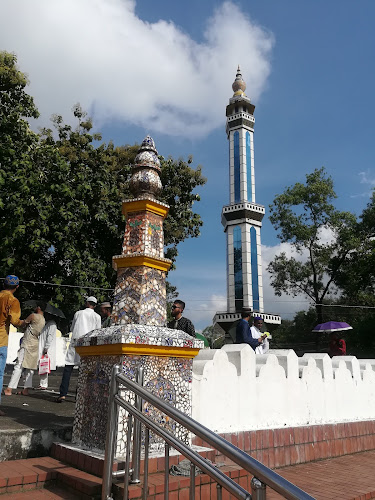
Shahi Eidgah
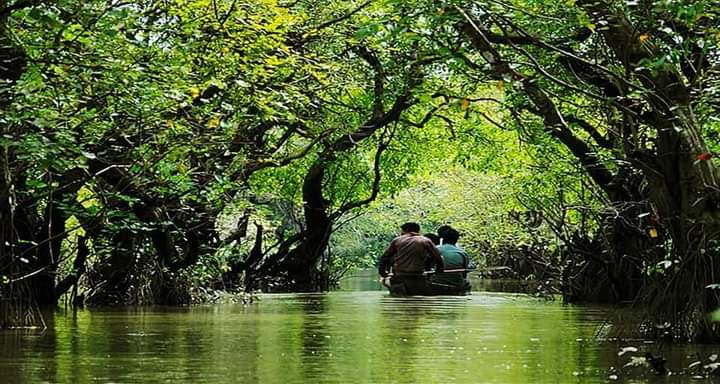
Sylhet
Find Accommodations Nearby
Recommended Tours & Activities
Visitor Reviews
There are no reviews yet. Be the first one to write one.
Share Your Experience
Have you visited KUARPAR POINT? Help other travelers by leaving a review.