
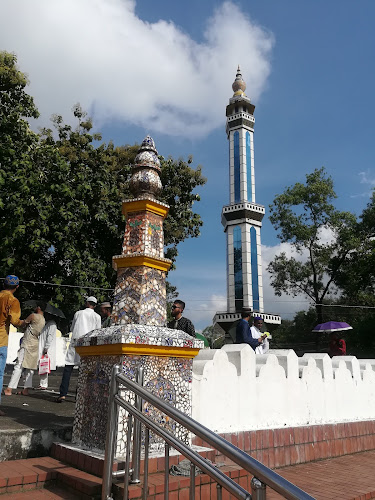
Shahi Eidgah
About Shahi Eidgah
Description
The Shahi Eidgah stands as one of those remarkable monuments that doesn't always make it into the glossy travel brochures, but honestly? That's part of its charm. This historical prayer ground has witnessed centuries of religious gatherings and cultural celebrations, serving as a testament to the architectural sensibilities and spiritual devotion of bygone eras. When you first lay eyes on it, there's this immediate sense that you're standing before something that has absorbed countless prayers, festivals, and moments of collective reflection. I've always believed that some places carry memories in their walls and stones, and the Shahi Eidgah is definitely one of them. The structure itself represents a significant piece of Islamic architectural heritage, designed specifically for the important occasion of Eid prayers when the local mosques simply couldn't accommodate the massive crowds that would gather to celebrate. And that's really what makes this place special – it wasn't built for everyday use but for those extraordinary moments when entire communities would come together in celebration and worship. The architecture follows traditional patterns you'd expect from historical religious structures in the region, with open spaces that once accommodated thousands of worshippers. The craftsmanship visible in the remaining structures showcases the skills of artisans who understood that beauty and functionality could coexist perfectly. Walking through the grounds, you can almost imagine the sea of people who would have filled this space during major religious festivals, the energy and devotion that would have permeated every corner. What strikes most travelers is how the Shahi Eidgah manages to maintain its dignity despite the passage of time. Sure, weathering has taken its toll in places, but there's something authentic about visiting a monument that hasn't been over-restored or turned into a theme park version of itself. The patina of age actually adds to the experience rather than detracting from it.Key Features
The Shahi Eidgah offers several distinctive elements that make it worth adding to your travel itinerary: • Historical Architecture: The prayer ground showcases traditional Islamic architectural elements that have survived through centuries, providing insight into construction techniques and aesthetic preferences of the period when it was built. • Open Prayer Space: Unlike enclosed mosques, the Eidgah features an expansive open area that was specifically designed to accommodate large congregations during Eid celebrations, making it an interesting study in functional religious architecture. • Cultural Significance: The structure represents the importance of communal religious practices and continues to serve as a reminder of the region's rich Islamic heritage and traditions. • Architectural Details: Despite its age, you can still observe intricate stonework and design elements that demonstrate the artistic capabilities of craftspeople from earlier centuries. • Peaceful Atmosphere: The grounds offer a quieter alternative to busier tourist sites, allowing for contemplative exploration and photography without battling massive crowds. • Historical Context: The Eidgah provides tangible connection to how religious celebrations were conducted in previous eras, offering educational value beyond just visual appeal. • Photographic Opportunities: The combination of aged stone, architectural details, and open spaces creates compelling subjects for photography enthusiasts interested in historical monuments.Best Time to Visit
Timing your visit to the Shahi Eidgah can significantly impact your experience, and I'd be remiss if I didn't share some practical wisdom on this front. The cooler months between October and March generally provide the most comfortable conditions for exploring outdoor historical sites. The harsh summer heat can make extended visits quite challenging, especially since there's limited shade in the open prayer areas. Early mornings have this magical quality at historical sites, and the Shahi Eidgah is no exception. The soft light creates beautiful shadows across the stonework, and you're more likely to have the place relatively to yourself. I've found that arriving around sunrise not only offers better lighting for photography but also allows for a more meditative experience before the day's activities pick up. If you want to witness the Eidgah serving its actual purpose, timing your visit around Eid celebrations would be extraordinary. But fair warning – you'll be sharing the space with hundreds or possibly thousands of worshippers, so it's a completely different experience from a quiet historical tour. The energy during these festivals is incredible though, if you're lucky enough to be in the area during those times. Weekdays typically see fewer visitors than weekends, which matters if you prefer a more solitary exploration. Local school holidays can also impact visitor numbers, so checking the academic calendar might save you from unexpected crowds. Weather conditions matter more than you might initially think – rain can make the grounds slippery and muddy, while extreme heat makes the open spaces quite uncomfortable. The afternoon sun can be brutally direct with minimal shade available, so if you must visit during midday hours, come prepared with sun protection. But honestly, late afternoon also has its merits when the golden hour light starts painting everything in warm tones. The temperature begins dropping, and there's often a gentle breeze that makes wandering the grounds much more pleasant.How to Get There
Getting to the Shahi Eidgah requires some planning, but it's definitely manageable for most travelers. Local transportation options vary depending on exactly which city or region you're visiting, but I'll give you the general approach that works in most situations. Auto-rickshaws remain one of the most practical ways to reach the Eidgah, especially if you're coming from nearby hotels or central areas. Make sure the driver actually knows where you want to go – showing them a map on your phone helps avoid confusion. Negotiating the fare beforehand saves awkward conversations later, though using ride-sharing apps when available eliminates that hassle entirely. Local buses serve many historical sites, though they can be crowded and confusing if you're not familiar with the routes. Ask locals or your hotel staff about which bus numbers serve the area near the Eidgah. The advantage of buses is cost – they're incredibly cheap – but the trade-off is time and comfort. You might need to walk a bit from the bus stop to the actual site. If you're renting a car or have hired a driver for the day, make sure they understand you'll want some time to explore rather than just a quick photo stop. Private transportation gives you flexibility in timing and the ability to combine your visit with other nearby attractions without worrying about catching buses or finding return rides. Walking might be feasible if you're staying very close by, but research the distance and route carefully. Some historical areas aren't in the most tourist-developed parts of town, and what looks like a short walk on a map might involve navigating busy roads without proper sidewalks. Bicycle rentals, where available, offer a nice middle ground between walking and motorized transport. You can move at your own pace and easily stop for photos or chai along the way. Just be prepared for local traffic patterns which can be intimidating if you're not used to them.Tips for Visiting
Let me share some practical advice that'll make your visit to the Shahi Eidgah more enjoyable and respectful. First thing – dress modestly. This is a religious site, even if it's also a historical monument, and showing respect through appropriate clothing matters. Cover your shoulders and knees at minimum, and women might want to carry a scarf just in case. Footwear becomes important because you'll be walking on uneven historical surfaces. Comfortable shoes with good grip prevent twisted ankles and let you explore without constantly watching your footing. And while we're on practicalities, bring water. There might not be vendors nearby, and dehydration sneaks up on you faster than you'd think. Photography is generally allowed, but be mindful if people are praying. Don't position yourself where you'll disrupt their worship, and definitely ask permission before photographing individuals. Some of my best travel photos came from respectfully engaging with locals first rather than just snapping away. Hiring a local guide can transform your experience from "looking at old stones" to understanding the historical and cultural significance of what you're seeing. Guides often know stories and details that aren't in any guidebook. But choose carefully – ask your hotel for recommendations or look for guides with official credentials. Carry cash in small denominations for any entry fees, donations, or purchases from local vendors. ATMs might be far away, and most small transactions won't accept cards. Speaking of which, check whether there's actually an entrance fee before you go – policies can change. The best visits happen when you give yourself time rather than rushing through. Budget at least an hour, maybe two if you're really interested in architecture or history or want to sit and absorb the atmosphere. These old places reveal more when you slow down and pay attention. Sunscreen and a hat aren't optional during warmer months – they're survival tools. The open nature of the Eidgah means prolonged sun exposure, and sunburn ruins the rest of your travel days. Bug spray might also be worth packing depending on the season. Be prepared for limited facilities. Restrooms might be basic or non-existent, so plan accordingly before you arrive. Food options nearby can also be hit-or-miss, so eat before your visit or bring snacks if you're prone to getting hangry. Local festivals and prayer times can affect access, so checking ahead prevents wasted trips. Your hotel staff or a quick online search usually reveals if there are any special events scheduled that might close the site to casual visitors. Finally, leave the place better than you found it. Don't litter, don't deface anything, and follow any posted rules even if they seem unnecessary. These monuments have survived this long partly because visitors respected them, and we all have a responsibility to ensure they remain for future generations.Key Features
- Large open-air prayer ground accommodating thousands during Eid
- Mughal-era architectural elements and historic masonry
- Prominent crenellated walls and entrance gateways
- Central location within Sylhet, easy access to city landmarks
- Atmospheric site for observing local religious and cultural practices
More Details
Updated January 18, 2026
Table of Contents
Description
The Shahi Eidgah stands as one of those remarkable monuments that doesn’t always make it into the glossy travel brochures, but honestly? That’s part of its charm. This historical prayer ground has witnessed centuries of religious gatherings and cultural celebrations, serving as a testament to the architectural sensibilities and spiritual devotion of bygone eras. When you first lay eyes on it, there’s this immediate sense that you’re standing before something that has absorbed countless prayers, festivals, and moments of collective reflection.
I’ve always believed that some places carry memories in their walls and stones, and the Shahi Eidgah is definitely one of them. The structure itself represents a significant piece of Islamic architectural heritage, designed specifically for the important occasion of Eid prayers when the local mosques simply couldn’t accommodate the massive crowds that would gather to celebrate. And that’s really what makes this place special – it wasn’t built for everyday use but for those extraordinary moments when entire communities would come together in celebration and worship.
The architecture follows traditional patterns you’d expect from historical religious structures in the region, with open spaces that once accommodated thousands of worshippers. The craftsmanship visible in the remaining structures showcases the skills of artisans who understood that beauty and functionality could coexist perfectly. Walking through the grounds, you can almost imagine the sea of people who would have filled this space during major religious festivals, the energy and devotion that would have permeated every corner.
What strikes most travelers is how the Shahi Eidgah manages to maintain its dignity despite the passage of time. Sure, weathering has taken its toll in places, but there’s something authentic about visiting a monument that hasn’t been over-restored or turned into a theme park version of itself. The patina of age actually adds to the experience rather than detracting from it.
Key Features
The Shahi Eidgah offers several distinctive elements that make it worth adding to your travel itinerary:
• Historical Architecture: The prayer ground showcases traditional Islamic architectural elements that have survived through centuries, providing insight into construction techniques and aesthetic preferences of the period when it was built.
• Open Prayer Space: Unlike enclosed mosques, the Eidgah features an expansive open area that was specifically designed to accommodate large congregations during Eid celebrations, making it an interesting study in functional religious architecture.
• Cultural Significance: The structure represents the importance of communal religious practices and continues to serve as a reminder of the region’s rich Islamic heritage and traditions.
• Architectural Details: Despite its age, you can still observe intricate stonework and design elements that demonstrate the artistic capabilities of craftspeople from earlier centuries.
• Peaceful Atmosphere: The grounds offer a quieter alternative to busier tourist sites, allowing for contemplative exploration and photography without battling massive crowds.
• Historical Context: The Eidgah provides tangible connection to how religious celebrations were conducted in previous eras, offering educational value beyond just visual appeal.
• Photographic Opportunities: The combination of aged stone, architectural details, and open spaces creates compelling subjects for photography enthusiasts interested in historical monuments.
Best Time to Visit
Timing your visit to the Shahi Eidgah can significantly impact your experience, and I’d be remiss if I didn’t share some practical wisdom on this front. The cooler months between October and March generally provide the most comfortable conditions for exploring outdoor historical sites. The harsh summer heat can make extended visits quite challenging, especially since there’s limited shade in the open prayer areas.
Early mornings have this magical quality at historical sites, and the Shahi Eidgah is no exception. The soft light creates beautiful shadows across the stonework, and you’re more likely to have the place relatively to yourself. I’ve found that arriving around sunrise not only offers better lighting for photography but also allows for a more meditative experience before the day’s activities pick up.
If you want to witness the Eidgah serving its actual purpose, timing your visit around Eid celebrations would be extraordinary. But fair warning – you’ll be sharing the space with hundreds or possibly thousands of worshippers, so it’s a completely different experience from a quiet historical tour. The energy during these festivals is incredible though, if you’re lucky enough to be in the area during those times.
Weekdays typically see fewer visitors than weekends, which matters if you prefer a more solitary exploration. Local school holidays can also impact visitor numbers, so checking the academic calendar might save you from unexpected crowds. Weather conditions matter more than you might initially think – rain can make the grounds slippery and muddy, while extreme heat makes the open spaces quite uncomfortable.
The afternoon sun can be brutally direct with minimal shade available, so if you must visit during midday hours, come prepared with sun protection. But honestly, late afternoon also has its merits when the golden hour light starts painting everything in warm tones. The temperature begins dropping, and there’s often a gentle breeze that makes wandering the grounds much more pleasant.
How to Get There
Getting to the Shahi Eidgah requires some planning, but it’s definitely manageable for most travelers. Local transportation options vary depending on exactly which city or region you’re visiting, but I’ll give you the general approach that works in most situations.
Auto-rickshaws remain one of the most practical ways to reach the Eidgah, especially if you’re coming from nearby hotels or central areas. Make sure the driver actually knows where you want to go – showing them a map on your phone helps avoid confusion. Negotiating the fare beforehand saves awkward conversations later, though using ride-sharing apps when available eliminates that hassle entirely.
Local buses serve many historical sites, though they can be crowded and confusing if you’re not familiar with the routes. Ask locals or your hotel staff about which bus numbers serve the area near the Eidgah. The advantage of buses is cost – they’re incredibly cheap – but the trade-off is time and comfort. You might need to walk a bit from the bus stop to the actual site.
If you’re renting a car or have hired a driver for the day, make sure they understand you’ll want some time to explore rather than just a quick photo stop. Private transportation gives you flexibility in timing and the ability to combine your visit with other nearby attractions without worrying about catching buses or finding return rides.
Walking might be feasible if you’re staying very close by, but research the distance and route carefully. Some historical areas aren’t in the most tourist-developed parts of town, and what looks like a short walk on a map might involve navigating busy roads without proper sidewalks.
Bicycle rentals, where available, offer a nice middle ground between walking and motorized transport. You can move at your own pace and easily stop for photos or chai along the way. Just be prepared for local traffic patterns which can be intimidating if you’re not used to them.
Tips for Visiting
Let me share some practical advice that’ll make your visit to the Shahi Eidgah more enjoyable and respectful. First thing – dress modestly. This is a religious site, even if it’s also a historical monument, and showing respect through appropriate clothing matters. Cover your shoulders and knees at minimum, and women might want to carry a scarf just in case.
Footwear becomes important because you’ll be walking on uneven historical surfaces. Comfortable shoes with good grip prevent twisted ankles and let you explore without constantly watching your footing. And while we’re on practicalities, bring water. There might not be vendors nearby, and dehydration sneaks up on you faster than you’d think.
Photography is generally allowed, but be mindful if people are praying. Don’t position yourself where you’ll disrupt their worship, and definitely ask permission before photographing individuals. Some of my best travel photos came from respectfully engaging with locals first rather than just snapping away.
Hiring a local guide can transform your experience from “looking at old stones” to understanding the historical and cultural significance of what you’re seeing. Guides often know stories and details that aren’t in any guidebook. But choose carefully – ask your hotel for recommendations or look for guides with official credentials.
Carry cash in small denominations for any entry fees, donations, or purchases from local vendors. ATMs might be far away, and most small transactions won’t accept cards. Speaking of which, check whether there’s actually an entrance fee before you go – policies can change.
The best visits happen when you give yourself time rather than rushing through. Budget at least an hour, maybe two if you’re really interested in architecture or history or want to sit and absorb the atmosphere. These old places reveal more when you slow down and pay attention.
Sunscreen and a hat aren’t optional during warmer months – they’re survival tools. The open nature of the Eidgah means prolonged sun exposure, and sunburn ruins the rest of your travel days. Bug spray might also be worth packing depending on the season.
Be prepared for limited facilities. Restrooms might be basic or non-existent, so plan accordingly before you arrive. Food options nearby can also be hit-or-miss, so eat before your visit or bring snacks if you’re prone to getting hangry.
Local festivals and prayer times can affect access, so checking ahead prevents wasted trips. Your hotel staff or a quick online search usually reveals if there are any special events scheduled that might close the site to casual visitors.
Finally, leave the place better than you found it. Don’t litter, don’t deface anything, and follow any posted rules even if they seem unnecessary. These monuments have survived this long partly because visitors respected them, and we all have a responsibility to ensure they remain for future generations.
Key Highlights
- Large open-air prayer ground accommodating thousands during Eid
- Mughal-era architectural elements and historic masonry
- Prominent crenellated walls and entrance gateways
- Central location within Sylhet, easy access to city landmarks
- Atmospheric site for observing local religious and cultural practices
Location
Places to Stay Near Shahi Eidgah
Find and Book a Tour
Explore More Travel Guides
No reviews found! Be the first to review!
Traveler Reviews for Shahi Eidgah
There are no reviews yet. Be the first one to write one.
Have you visited Shahi Eidgah? Help other travelers by sharing your review.
Nearby Attractions
You Might Also Like
55 Syed Burhan Uddin Rd

ALISHANGROUP MAJLIS @alisahebgroup
Lakkatura Tea Garden
Find Accommodations Nearby
Recommended Tours & Activities
Visitor Reviews
There are no reviews yet. Be the first one to write one.
Share Your Experience
Have you visited Shahi Eidgah? Help other travelers by leaving a review.