
Museum of Rajas’
About Museum of Rajas’
Description
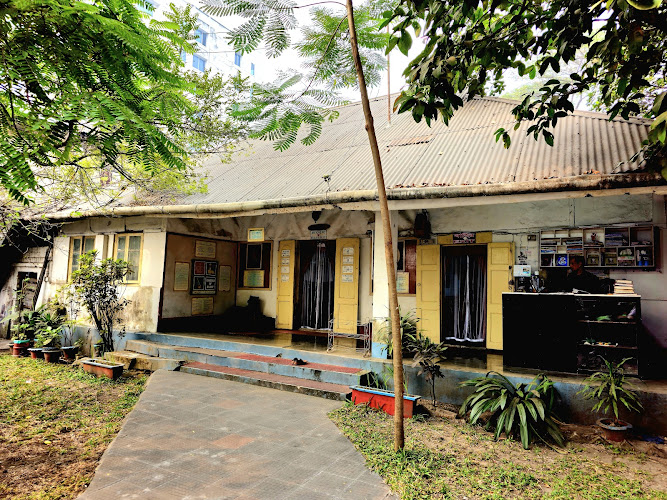
The Museum of Rajas offers travelers a rare glimpse into the life and legacy of Hason Raja, one of South Asia's most beloved mystical poets and songwriters. This intimate folk museum operates within the very walls where the poet once lived, breathed, and created his timeless works. Unlike the sprawling, impersonal museums that dominate most tourist circuits, this place feels different—almost like you're stepping into someone's actual home rather than a curated exhibition space. I've always found that the best museums are the ones that don't try too hard, you know? The ones where history just naturally seeps through the floorboards. That's exactly what happens here. Walking through these rooms, you can almost hear the echoes of Raja's compositions drifting through the air. The museum preserves personal belongings, manuscripts, and artifacts that paint an authentic picture of the poet's daily existence and creative process. What makes this destination particularly special for travelers is its accessibility to both literary enthusiasts and casual visitors. You don't need to be a poetry scholar to appreciate the atmosphere or understand the cultural significance of what's being presented. The museum does an admirable job of contextualizing Hason Raja's work within the broader tapestry of regional folk traditions and spiritual movements. And honestly, in an age where everything seems commercialized and sanitized for mass tourism, finding a place this genuine feels like discovering a hidden treasure. The modest size of the museum actually works in its favor—you won't spend hours wandering aimlessly or feeling overwhelmed by information overload. Instead, you get a focused, meaningful experience that respects both your time and intelligence.Key Features
The Museum of Rajas presents several distinctive attributes that set it apart from typical tourist attractions:- The museum occupies Hason Raja's actual former residence, providing an authentic historical setting that larger institutions simply cannot replicate
- Original manuscripts and handwritten lyrics showcase the poet's creative process in his own script, offering scholars and fans alike unprecedented access to primary sources
- Personal belongings and everyday items illuminate the domestic life of a 19th-century Bengali poet, bridging the gap between the legendary figure and the real human being
- Folk art displays complement the literary focus, demonstrating how Raja's work connected with traditional artistic expressions of the region
- The intimate scale allows for contemplative engagement with each exhibit without the crowds that plague more famous museums
- An on-site restaurant serves traditional cuisine, letting visitors extend their cultural immersion beyond the visual and literary into the culinary realm
- Family-friendly environment welcomes children, making it suitable for multi-generational travel groups who want meaningful experiences together
- Local guides often share oral histories and anecdotes passed down through generations, adding layers of storytelling that formal plaques can't convey
- The architecture itself reflects period-appropriate construction methods, functioning as an exhibit in its own right
- Affordability makes this attraction accessible regardless of your travel budget—you won't need to sacrifice other experiences to visit
Best Time to Visit
Timing your visit to the Museum of Rajas can significantly impact your experience, though I'll be honest—this isn't the kind of place where timing matters quite as much as it does for outdoor attractions. Still, there are some considerations worth keeping in mind. The cooler months generally provide the most comfortable touring conditions. If you've ever tried to appreciate delicate manuscripts while sweat drips into your eyes, you'll understand why climate matters even for indoor attractions. Late autumn through early spring typically offers pleasant temperatures that make the journey to and through the museum more enjoyable. But here's the thing about visiting during the off-peak season—you'll likely have more personal space to really absorb everything. During local holidays and festival periods, the museum sees increased foot traffic from domestic tourists celebrating their cultural heritage. While there's something beautiful about experiencing a place alongside people for whom it holds deep personal meaning, it can also make it harder to take your time with individual exhibits. Weekday mornings tend to be quieter than weekend afternoons, if your travel schedule allows for that flexibility. I've found that arriving within the first hour or two of opening gives you the best chance of having rooms nearly to yourself, which really enhances the contemplative atmosphere. The monsoon season presents its own challenges and charms. Rain can complicate travel logistics in the region, no question about it. Yet there's something poetic—forgive the pun—about visiting a poet's home while rain drums against the roof. Hason Raja himself wrote extensively about nature and the changing seasons, so experiencing the museum during dramatic weather somehow feels appropriate. Consider also aligning your visit with any special cultural events or poetry readings that occasionally take place at or near the museum. These aren't heavily advertised to international tourists, so you might need to do some digging or ask locally, but they can transform a simple museum visit into something truly memorable.How to Get There
Getting to the Museum of Rajas requires a bit more effort than clicking a ride-share app, and that's part of what makes arriving feel like an achievement rather than just another checkbox on your itinerary. Most travelers will find themselves approaching from major regional centers, and the journey typically involves multiple modes of transportation. Local buses connect surrounding towns to the area, though schedules can be... let's call them flexible. If you're the type who gets anxious about precise timetables, you might want to adjust your expectations or consider hiring private transport. Auto-rickshaws can cover the final legs of the journey and offer the advantage of door-to-door service. Don't be shy about negotiating fares beforehand—it's expected, not rude. I've learned that showing genuine interest in visiting the museum often gets you better rates than playing the typical tourist haggling game. Local drivers take pride in sharing their cultural heritage with visitors. For those renting vehicles, the roads are generally manageable though not always in pristine condition. GPS works reasonably well in the area, but having a downloaded offline map never hurts. And asking for directions can lead to some of the most genuine interactions you'll have—people are generally eager to help travelers find the museum. Train services connect to nearby stations, from where you'll need to arrange ground transportation. The rail journey itself can be quite pleasant if you're not in a massive hurry and enjoy watching the countryside roll past your window. Some travelers opt for organized tours that include the museum as part of broader cultural itineraries. This takes the logistical pressure off, though you'll sacrifice some independence and probably get less time at the museum than independent travelers might want.Tips for Visiting
Walking into the Museum of Rajas without some preparation is perfectly fine—you'll still have a good experience. But a few insider tips can elevate your visit from good to genuinely memorable. First off, bring your curiosity and leave your expectations at the door. This isn't the Louvre or the British Museum. It's small, it's specialized, and it's unapologetically focused on one person's legacy. If you arrive expecting blockbuster exhibits and multimedia presentations, you'll be disappointed. But if you come ready to engage with history on a human scale, you're in for something special. The restaurant on-site deserves more than just a bathroom-break visit. Traditional regional dishes prepared with local recipes offer cultural insights that complement what you'll see in the exhibit rooms. Plus, talking with staff over a meal often yields fascinating stories and recommendations you won't find in any guidebook. Photography policies should be confirmed upon arrival, as they can change. Generally speaking, respectful photography is permitted in most areas, but flash photography might be restricted to protect sensitive materials. Don't be that person who ruins historical documents for future visitors just to get a slightly brighter Instagram post. Dress modestly and comfortably. This is a cultural institution housed in what was once someone's home, and dressing appropriately shows respect. Also, practical clothing makes navigating the space easier—you're not here for a fashion show. Engaging with guides and staff members pays dividends. Many have deep connections to the area and can share context that brings exhibits to life. A handwritten manuscript is interesting; a handwritten manuscript accompanied by the story of how it was discovered, preserved, and what it meant to local communities becomes fascinating. Allow more time than you think you'll need. Yes, it's a small museum, but rushing through defeats the entire purpose. This isn't about checking off a list item—it's about connecting with creative legacy and cultural heritage. Bringing children actually works quite well here, contrary to what you might assume about a literary museum. The manageable size prevents the museum fatigue that hits kids in massive institutions, and many youngsters find the "this was someone's actual house" angle genuinely engaging. Consider visiting the surrounding area as well. The museum doesn't exist in isolation—it's part of a broader cultural landscape. Talking to neighbors, visiting local markets, and experiencing the contemporary community provides valuable context for understanding Hason Raja's historical world. Lastly, come with an open mind about what constitutes a "must-see" attraction. The Museum of Rajas won't make anyone's top ten world museums list, and that's completely fine. What it offers is authenticity, intimacy, and a window into a specific artistic legacy that shaped regional culture. For travelers seeking genuine connection over Instagram moments, that's worth more than any world-famous collection.Key Features
- Original residence of Hason Raja with preserved period architecture
- Collection of manuscripts, letters and personal belongings of the Raja family
- Exhibits on Bengali folk music and mystic poetry including traditional instruments
- Photographs and portraits documenting Sylhet’s zamindar-era social history
- Intimate gallery spaces that offer a contemplative, local cultural experience
More Details
Updated January 19, 2026
Table of Contents
Description
The Museum of Rajas offers travelers a rare glimpse into the life and legacy of Hason Raja, one of South Asia’s most beloved mystical poets and songwriters. This intimate folk museum operates within the very walls where the poet once lived, breathed, and created his timeless works. Unlike the sprawling, impersonal museums that dominate most tourist circuits, this place feels different—almost like you’re stepping into someone’s actual home rather than a curated exhibition space.
I’ve always found that the best museums are the ones that don’t try too hard, you know? The ones where history just naturally seeps through the floorboards. That’s exactly what happens here. Walking through these rooms, you can almost hear the echoes of Raja’s compositions drifting through the air. The museum preserves personal belongings, manuscripts, and artifacts that paint an authentic picture of the poet’s daily existence and creative process.
What makes this destination particularly special for travelers is its accessibility to both literary enthusiasts and casual visitors. You don’t need to be a poetry scholar to appreciate the atmosphere or understand the cultural significance of what’s being presented. The museum does an admirable job of contextualizing Hason Raja’s work within the broader tapestry of regional folk traditions and spiritual movements.
And honestly, in an age where everything seems commercialized and sanitized for mass tourism, finding a place this genuine feels like discovering a hidden treasure. The modest size of the museum actually works in its favor—you won’t spend hours wandering aimlessly or feeling overwhelmed by information overload. Instead, you get a focused, meaningful experience that respects both your time and intelligence.
Key Features
The Museum of Rajas presents several distinctive attributes that set it apart from typical tourist attractions:
- The museum occupies Hason Raja’s actual former residence, providing an authentic historical setting that larger institutions simply cannot replicate
- Original manuscripts and handwritten lyrics showcase the poet’s creative process in his own script, offering scholars and fans alike unprecedented access to primary sources
- Personal belongings and everyday items illuminate the domestic life of a 19th-century Bengali poet, bridging the gap between the legendary figure and the real human being
- Folk art displays complement the literary focus, demonstrating how Raja’s work connected with traditional artistic expressions of the region
- The intimate scale allows for contemplative engagement with each exhibit without the crowds that plague more famous museums
- An on-site restaurant serves traditional cuisine, letting visitors extend their cultural immersion beyond the visual and literary into the culinary realm
- Family-friendly environment welcomes children, making it suitable for multi-generational travel groups who want meaningful experiences together
- Local guides often share oral histories and anecdotes passed down through generations, adding layers of storytelling that formal plaques can’t convey
- The architecture itself reflects period-appropriate construction methods, functioning as an exhibit in its own right
- Affordability makes this attraction accessible regardless of your travel budget—you won’t need to sacrifice other experiences to visit
Best Time to Visit
Timing your visit to the Museum of Rajas can significantly impact your experience, though I’ll be honest—this isn’t the kind of place where timing matters quite as much as it does for outdoor attractions. Still, there are some considerations worth keeping in mind.
The cooler months generally provide the most comfortable touring conditions. If you’ve ever tried to appreciate delicate manuscripts while sweat drips into your eyes, you’ll understand why climate matters even for indoor attractions. Late autumn through early spring typically offers pleasant temperatures that make the journey to and through the museum more enjoyable.
But here’s the thing about visiting during the off-peak season—you’ll likely have more personal space to really absorb everything. During local holidays and festival periods, the museum sees increased foot traffic from domestic tourists celebrating their cultural heritage. While there’s something beautiful about experiencing a place alongside people for whom it holds deep personal meaning, it can also make it harder to take your time with individual exhibits.
Weekday mornings tend to be quieter than weekend afternoons, if your travel schedule allows for that flexibility. I’ve found that arriving within the first hour or two of opening gives you the best chance of having rooms nearly to yourself, which really enhances the contemplative atmosphere.
The monsoon season presents its own challenges and charms. Rain can complicate travel logistics in the region, no question about it. Yet there’s something poetic—forgive the pun—about visiting a poet’s home while rain drums against the roof. Hason Raja himself wrote extensively about nature and the changing seasons, so experiencing the museum during dramatic weather somehow feels appropriate.
Consider also aligning your visit with any special cultural events or poetry readings that occasionally take place at or near the museum. These aren’t heavily advertised to international tourists, so you might need to do some digging or ask locally, but they can transform a simple museum visit into something truly memorable.
How to Get There
Getting to the Museum of Rajas requires a bit more effort than clicking a ride-share app, and that’s part of what makes arriving feel like an achievement rather than just another checkbox on your itinerary.
Most travelers will find themselves approaching from major regional centers, and the journey typically involves multiple modes of transportation. Local buses connect surrounding towns to the area, though schedules can be… let’s call them flexible. If you’re the type who gets anxious about precise timetables, you might want to adjust your expectations or consider hiring private transport.
Auto-rickshaws can cover the final legs of the journey and offer the advantage of door-to-door service. Don’t be shy about negotiating fares beforehand—it’s expected, not rude. I’ve learned that showing genuine interest in visiting the museum often gets you better rates than playing the typical tourist haggling game. Local drivers take pride in sharing their cultural heritage with visitors.
For those renting vehicles, the roads are generally manageable though not always in pristine condition. GPS works reasonably well in the area, but having a downloaded offline map never hurts. And asking for directions can lead to some of the most genuine interactions you’ll have—people are generally eager to help travelers find the museum.
Train services connect to nearby stations, from where you’ll need to arrange ground transportation. The rail journey itself can be quite pleasant if you’re not in a massive hurry and enjoy watching the countryside roll past your window.
Some travelers opt for organized tours that include the museum as part of broader cultural itineraries. This takes the logistical pressure off, though you’ll sacrifice some independence and probably get less time at the museum than independent travelers might want.
Tips for Visiting
Walking into the Museum of Rajas without some preparation is perfectly fine—you’ll still have a good experience. But a few insider tips can elevate your visit from good to genuinely memorable.
First off, bring your curiosity and leave your expectations at the door. This isn’t the Louvre or the British Museum. It’s small, it’s specialized, and it’s unapologetically focused on one person’s legacy. If you arrive expecting blockbuster exhibits and multimedia presentations, you’ll be disappointed. But if you come ready to engage with history on a human scale, you’re in for something special.
The restaurant on-site deserves more than just a bathroom-break visit. Traditional regional dishes prepared with local recipes offer cultural insights that complement what you’ll see in the exhibit rooms. Plus, talking with staff over a meal often yields fascinating stories and recommendations you won’t find in any guidebook.
Photography policies should be confirmed upon arrival, as they can change. Generally speaking, respectful photography is permitted in most areas, but flash photography might be restricted to protect sensitive materials. Don’t be that person who ruins historical documents for future visitors just to get a slightly brighter Instagram post.
Dress modestly and comfortably. This is a cultural institution housed in what was once someone’s home, and dressing appropriately shows respect. Also, practical clothing makes navigating the space easier—you’re not here for a fashion show.
Engaging with guides and staff members pays dividends. Many have deep connections to the area and can share context that brings exhibits to life. A handwritten manuscript is interesting; a handwritten manuscript accompanied by the story of how it was discovered, preserved, and what it meant to local communities becomes fascinating.
Allow more time than you think you’ll need. Yes, it’s a small museum, but rushing through defeats the entire purpose. This isn’t about checking off a list item—it’s about connecting with creative legacy and cultural heritage.
Bringing children actually works quite well here, contrary to what you might assume about a literary museum. The manageable size prevents the museum fatigue that hits kids in massive institutions, and many youngsters find the “this was someone’s actual house” angle genuinely engaging.
Consider visiting the surrounding area as well. The museum doesn’t exist in isolation—it’s part of a broader cultural landscape. Talking to neighbors, visiting local markets, and experiencing the contemporary community provides valuable context for understanding Hason Raja’s historical world.
Lastly, come with an open mind about what constitutes a “must-see” attraction. The Museum of Rajas won’t make anyone’s top ten world museums list, and that’s completely fine. What it offers is authenticity, intimacy, and a window into a specific artistic legacy that shaped regional culture. For travelers seeking genuine connection over Instagram moments, that’s worth more than any world-famous collection.
Key Highlights
- Original residence of Hason Raja with preserved period architecture
- Collection of manuscripts, letters and personal belongings of the Raja family
- Exhibits on Bengali folk music and mystic poetry including traditional instruments
- Photographs and portraits documenting Sylhet’s zamindar-era social history
- Intimate gallery spaces that offer a contemplative, local cultural experience
Location
Places to Stay Near Museum of Rajas'
Find and Book a Tour
Explore More Travel Guides
No reviews found! Be the first to review!
Traveler Reviews for Museum of Rajas’
There are no reviews yet. Be the first one to write one.
Have you visited Museum of Rajas’? Help other travelers by sharing your review.
Nearby Attractions
You Might Also Like
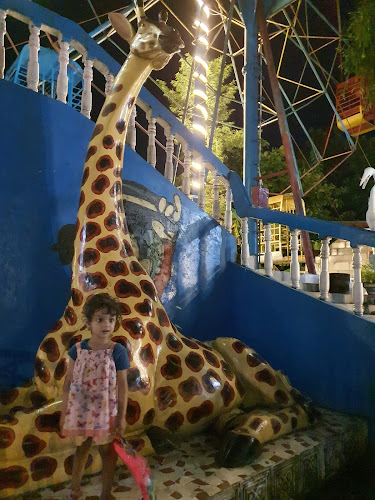
MAG Osmani Amusement Park
Zakiganj Rd
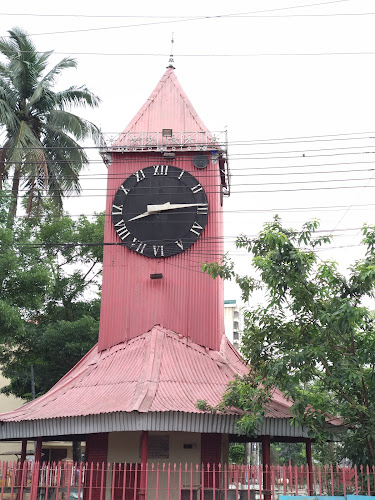
Ali Amjad's Clock
Find Accommodations Nearby
Recommended Tours & Activities
Visitor Reviews
There are no reviews yet. Be the first one to write one.
Share Your Experience
Have you visited Museum of Rajas’? Help other travelers by leaving a review.