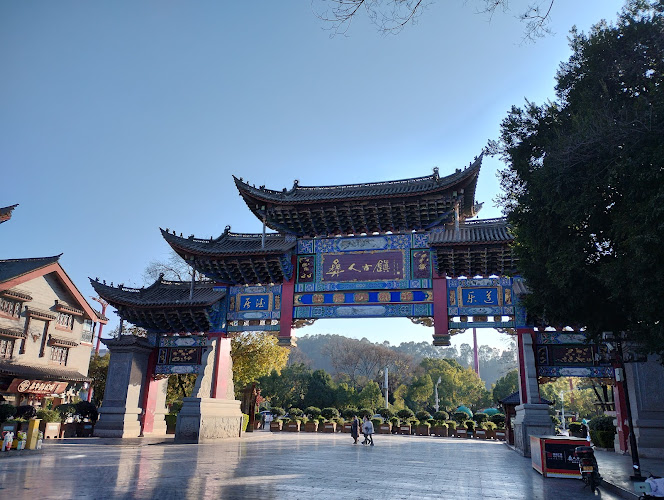
About Yiren Ancient Town

Description

Yiren Ancient Town stands as one of those places that makes you wonder why more travelers haven't caught on yet. Walking through its centuries-old streets feels a bit like stepping onto a movie set, except everything here is authentic - the weathered stone pathways, the traditional architecture, and the locals going about their daily routines just as their ancestors did generations before them. The town represents a living museum of Chinese cultural heritage, where history isn't just preserved behind glass cases but actually breathes through every alleyway and courtyard. I've visited quite a few ancient towns across China, and what strikes me most about Yiren is how it manages to maintain that delicate balance between welcoming tourists and staying true to its roots. You'll find elderly residents sitting outside their homes playing mahjong, craftspeople demonstrating traditional skills that have been passed down through families, and architecture that tells stories spanning multiple dynasties. What really gets me is how this place hasn't been completely commercialized like some other ancient towns. Sure, there are shops and restaurants catering to visitors, but they don't overwhelm the authentic character of the streets. The town covers a substantial area with well-preserved buildings that showcase classical Chinese architectural elements - think curved eaves, ornate wood carvings, and courtyards designed according to feng shui principles. The atmosphere changes throughout the day too. Early mornings bring a peaceful quality when mist sometimes hangs over the old structures, while afternoons buzz with activity as local markets come alive. By evening, traditional lanterns cast a warm glow that transforms the town into something almost magical. And yes, they have restrooms available which honestly is something you need to know before visiting any historical site in China.

Key Features

Travelers exploring Yiren Ancient Town will discover several distinctive characteristics that set it apart: • Traditional architectural heritage showcasing multiple historical periods with remarkably well-preserved buildings featuring classic Chinese design elements including intricate wooden frameworks and stone foundations • Authentic local culture where residents continue practicing traditional crafts and customs, providing visitors with genuine cultural exchanges rather than staged performances • Kid-friendly environment with safe pedestrian streets and fascinating visual elements that capture children's imagination while teaching them about history • Accessible facilities including public restrooms that meet modern standards while maintaining aesthetic harmony with historical surroundings • Active artisan workshops where visitors can observe traditional skills like calligraphy, paper cutting, and ceramic work being practiced by master craftspeople • Local markets offering regional specialties and handmade products that reflect the area's cultural traditions and culinary heritage • Photogenic streetscapes with ancient stone pathways, traditional doorways, and architectural details that create countless memorable moments worth capturing • Cultural exhibits and small museums integrated throughout the town that provide historical context without disrupting the organic flow of exploration • Traditional teahouses where you can rest and experience authentic Chinese tea culture while people-watching from beautifully preserved historic buildings • Seasonal festivals and celebrations that bring additional cultural experiences for visitors lucky enough to time their visit right

Best Time to Visit

Timing your visit to Yiren Ancient Town can really make or break your experience. I learned this the hard way during my travels through China - showing up during peak seasons sometimes means fighting crowds when you'd rather be soaking in the atmosphere. Spring months from April through May offer probably the most pleasant conditions. Temperatures hover in that comfortable range where you're not sweating through your shirt or bundling up in layers. The surrounding landscape comes alive with blooming flowers, and the weather cooperates beautifully for walking tours. Plus, you'll catch some traditional spring festivals if you time it right. Autumn, particularly September through November, runs a close second. The weather stays mild and the fall colors add another dimension to an already picturesque setting. I've found that early autumn especially gives you that sweet spot before the chill sets in but after the summer heat dissipates. Summer can get pretty intense with both heat and humidity. But if you don't mind the weather, you might actually prefer it since some travelers avoid this season. Just bring a good hat and stay hydrated. Winter brings fewer crowds too, though temperatures can drop significantly. The town takes on a different character in winter - quieter, more contemplative maybe. Weekdays beat weekends hands down if you have the flexibility. Chinese domestic tourism peaks on weekends and holidays, particularly during Golden Week in October and Chinese New Year. Those times can see visitor numbers jump dramatically. Early mornings regardless of season offer the best experience - you'll catch that special light and have spaces more to yourself before tour groups arrive around mid-morning.

How to Get There

Getting to Yiren Ancient Town requires a bit of planning, but it's definitely manageable even if you don't speak Mandarin. The transportation infrastructure in this region has improved significantly over recent years, making access easier than it used to be. Most travelers will approach from the nearest major city, which serves as the primary transportation hub for the region. From there, you've got several options depending on your budget and comfort preferences. Public buses run regularly throughout the day and represent the most economical choice. The journey takes longer than private transportation, but it gives you a window into local life that air-conditioned tour buses don't provide. Hiring a private car or joining an organized tour offers more convenience and flexibility. Many hotels in nearby cities can arrange transportation, and the cost when split among several travelers becomes quite reasonable. The drive itself passes through some beautiful countryside that gives context to the ancient town's historical significance. For the more adventurous, some travelers combine different transportation modes - perhaps taking a train partway and then switching to local buses for the final leg. This approach takes more time and navigation skills, but it definitely creates a more immersive experience. Once you arrive in the general area, local signage and helpful residents can point you toward the ancient town entrance. Most taxi drivers know the location, though having the name written in Chinese characters on your phone helps avoid miscommunication. The town itself is pedestrian-only in most areas, which contributes to its charm but means you'll be doing a fair amount of walking. Wear comfortable shoes - those ancient stone pathways weren't designed with sneakers in mind, and they can get uneven in places.

Tips for Visiting

Let me share some practical insights that'll help you make the most of your time at Yiren Ancient Town, stuff I wish someone had told me before my first visit to similar historical sites. Bring cash in small denominations. While digital payments have taken over much of China, some older vendors still prefer traditional currency. And nothing's more awkward than trying to buy a five-yuan snack with a hundred-yuan note while a line forms behind you. The town is absolutely suitable for families with children, and kids often find the ancient architecture fascinating once you help them see it through the right lens. Turn it into a scavenger hunt - have them look for specific architectural features or count how many courtyards they can find. The pedestrian streets mean you won't be constantly worried about traffic, though you should still watch for the occasional bicycle or delivery cart. Photography enthusiasts should bring extra batteries and memory cards. This place eats through both. The lighting changes dramatically throughout the day, and you'll want to capture it all. Early morning and late afternoon provide the best natural light for those Instagram-worthy shots. Don't rush through. I've seen too many tourists spend just an hour or two here before checking it off their list and moving on. Give yourself at least half a day, preferably longer. Some of the best experiences come from wandering down side streets, stumbling into a local's courtyard (always ask permission first), or sitting in a teahouse watching life unfold. Try the local food from small family-run establishments rather than just the obvious tourist restaurants. Point at what looks good if you can't read the menu. Some of my best meals in China have come from places where I had no idea what I was ordering until it arrived. Dress in layers since temperatures can shift throughout the day and some buildings stay cooler inside. Comfortable walking shoes are non-negotiable - you'll be on your feet more than you think. Learn a few basic Mandarin phrases before you go. Even butchered attempts at "hello," "thank you," and "how much" earn you smiles and better interactions with locals. Most residents don't speak English, but they appreciate the effort. Respect the cultural sites and residential areas. Remember that people actually live here. Keep noise down, ask before photographing individuals, and don't wander into private homes uninvited. Consider hiring a local guide for at least part of your visit. They'll share stories and historical details that bring the ancient stones to life in ways you'd miss exploring independently. Plus, you're supporting the local economy directly. Check if any festivals or special events coincide with your visit. These can provide extraordinary cultural experiences, though they also mean bigger crowds and possibly higher accommodation prices if you're staying nearby. The restroom facilities are available but not everywhere, so use them when you spot them rather than assuming another will appear around the next corner. They're generally clean and well-maintained for a historical site. Finally, manage your expectations. Yiren Ancient Town isn't Disneyland with perfectly manicured everything. It's a real place with real history and real people. Some areas show their age, some corners aren't picture-perfect, and that's exactly what makes it authentic and worth visiting.

Key Features

  • Wangjiang Tower — prominent landmark and viewpoint
  • Peach Blossom Stream — landscaped waterside promenade
  • Deyun Square — events, performances and local gatherings
  • Traditional Yi architecture and craft workshops (embroidery, silverwork)
  • Seasonal cultural performances and Torch Festival activities

More Details

Updated March 30, 2026

Description

Yiren Ancient Town stands as one of those places that makes you wonder why more travelers haven’t caught on yet. Walking through its centuries-old streets feels a bit like stepping onto a movie set, except everything here is authentic – the weathered stone pathways, the traditional architecture, and the locals going about their daily routines just as their ancestors did generations before them.

The town represents a living museum of Chinese cultural heritage, where history isn’t just preserved behind glass cases but actually breathes through every alleyway and courtyard. I’ve visited quite a few ancient towns across China, and what strikes me most about Yiren is how it manages to maintain that delicate balance between welcoming tourists and staying true to its roots. You’ll find elderly residents sitting outside their homes playing mahjong, craftspeople demonstrating traditional skills that have been passed down through families, and architecture that tells stories spanning multiple dynasties.

What really gets me is how this place hasn’t been completely commercialized like some other ancient towns. Sure, there are shops and restaurants catering to visitors, but they don’t overwhelm the authentic character of the streets. The town covers a substantial area with well-preserved buildings that showcase classical Chinese architectural elements – think curved eaves, ornate wood carvings, and courtyards designed according to feng shui principles.

The atmosphere changes throughout the day too. Early mornings bring a peaceful quality when mist sometimes hangs over the old structures, while afternoons buzz with activity as local markets come alive. By evening, traditional lanterns cast a warm glow that transforms the town into something almost magical. And yes, they have restrooms available which honestly is something you need to know before visiting any historical site in China.

Key Features

Travelers exploring Yiren Ancient Town will discover several distinctive characteristics that set it apart:

• Traditional architectural heritage showcasing multiple historical periods with remarkably well-preserved buildings featuring classic Chinese design elements including intricate wooden frameworks and stone foundations

• Authentic local culture where residents continue practicing traditional crafts and customs, providing visitors with genuine cultural exchanges rather than staged performances

• Kid-friendly environment with safe pedestrian streets and fascinating visual elements that capture children’s imagination while teaching them about history

• Accessible facilities including public restrooms that meet modern standards while maintaining aesthetic harmony with historical surroundings

• Active artisan workshops where visitors can observe traditional skills like calligraphy, paper cutting, and ceramic work being practiced by master craftspeople

• Local markets offering regional specialties and handmade products that reflect the area’s cultural traditions and culinary heritage

• Photogenic streetscapes with ancient stone pathways, traditional doorways, and architectural details that create countless memorable moments worth capturing

• Cultural exhibits and small museums integrated throughout the town that provide historical context without disrupting the organic flow of exploration

• Traditional teahouses where you can rest and experience authentic Chinese tea culture while people-watching from beautifully preserved historic buildings

• Seasonal festivals and celebrations that bring additional cultural experiences for visitors lucky enough to time their visit right

Best Time to Visit

Timing your visit to Yiren Ancient Town can really make or break your experience. I learned this the hard way during my travels through China – showing up during peak seasons sometimes means fighting crowds when you’d rather be soaking in the atmosphere.

Spring months from April through May offer probably the most pleasant conditions. Temperatures hover in that comfortable range where you’re not sweating through your shirt or bundling up in layers. The surrounding landscape comes alive with blooming flowers, and the weather cooperates beautifully for walking tours. Plus, you’ll catch some traditional spring festivals if you time it right.

Autumn, particularly September through November, runs a close second. The weather stays mild and the fall colors add another dimension to an already picturesque setting. I’ve found that early autumn especially gives you that sweet spot before the chill sets in but after the summer heat dissipates.

Summer can get pretty intense with both heat and humidity. But if you don’t mind the weather, you might actually prefer it since some travelers avoid this season. Just bring a good hat and stay hydrated. Winter brings fewer crowds too, though temperatures can drop significantly. The town takes on a different character in winter – quieter, more contemplative maybe.

Weekdays beat weekends hands down if you have the flexibility. Chinese domestic tourism peaks on weekends and holidays, particularly during Golden Week in October and Chinese New Year. Those times can see visitor numbers jump dramatically. Early mornings regardless of season offer the best experience – you’ll catch that special light and have spaces more to yourself before tour groups arrive around mid-morning.

How to Get There

Getting to Yiren Ancient Town requires a bit of planning, but it’s definitely manageable even if you don’t speak Mandarin. The transportation infrastructure in this region has improved significantly over recent years, making access easier than it used to be.

Most travelers will approach from the nearest major city, which serves as the primary transportation hub for the region. From there, you’ve got several options depending on your budget and comfort preferences. Public buses run regularly throughout the day and represent the most economical choice. The journey takes longer than private transportation, but it gives you a window into local life that air-conditioned tour buses don’t provide.

Hiring a private car or joining an organized tour offers more convenience and flexibility. Many hotels in nearby cities can arrange transportation, and the cost when split among several travelers becomes quite reasonable. The drive itself passes through some beautiful countryside that gives context to the ancient town’s historical significance.

For the more adventurous, some travelers combine different transportation modes – perhaps taking a train partway and then switching to local buses for the final leg. This approach takes more time and navigation skills, but it definitely creates a more immersive experience.

Once you arrive in the general area, local signage and helpful residents can point you toward the ancient town entrance. Most taxi drivers know the location, though having the name written in Chinese characters on your phone helps avoid miscommunication.

The town itself is pedestrian-only in most areas, which contributes to its charm but means you’ll be doing a fair amount of walking. Wear comfortable shoes – those ancient stone pathways weren’t designed with sneakers in mind, and they can get uneven in places.

Tips for Visiting

Let me share some practical insights that’ll help you make the most of your time at Yiren Ancient Town, stuff I wish someone had told me before my first visit to similar historical sites.

Bring cash in small denominations. While digital payments have taken over much of China, some older vendors still prefer traditional currency. And nothing’s more awkward than trying to buy a five-yuan snack with a hundred-yuan note while a line forms behind you.

The town is absolutely suitable for families with children, and kids often find the ancient architecture fascinating once you help them see it through the right lens. Turn it into a scavenger hunt – have them look for specific architectural features or count how many courtyards they can find. The pedestrian streets mean you won’t be constantly worried about traffic, though you should still watch for the occasional bicycle or delivery cart.

Photography enthusiasts should bring extra batteries and memory cards. This place eats through both. The lighting changes dramatically throughout the day, and you’ll want to capture it all. Early morning and late afternoon provide the best natural light for those Instagram-worthy shots.

Don’t rush through. I’ve seen too many tourists spend just an hour or two here before checking it off their list and moving on. Give yourself at least half a day, preferably longer. Some of the best experiences come from wandering down side streets, stumbling into a local’s courtyard (always ask permission first), or sitting in a teahouse watching life unfold.

Try the local food from small family-run establishments rather than just the obvious tourist restaurants. Point at what looks good if you can’t read the menu. Some of my best meals in China have come from places where I had no idea what I was ordering until it arrived.

Dress in layers since temperatures can shift throughout the day and some buildings stay cooler inside. Comfortable walking shoes are non-negotiable – you’ll be on your feet more than you think.

Learn a few basic Mandarin phrases before you go. Even butchered attempts at “hello,” “thank you,” and “how much” earn you smiles and better interactions with locals. Most residents don’t speak English, but they appreciate the effort.

Respect the cultural sites and residential areas. Remember that people actually live here. Keep noise down, ask before photographing individuals, and don’t wander into private homes uninvited.

Consider hiring a local guide for at least part of your visit. They’ll share stories and historical details that bring the ancient stones to life in ways you’d miss exploring independently. Plus, you’re supporting the local economy directly.

Check if any festivals or special events coincide with your visit. These can provide extraordinary cultural experiences, though they also mean bigger crowds and possibly higher accommodation prices if you’re staying nearby.

The restroom facilities are available but not everywhere, so use them when you spot them rather than assuming another will appear around the next corner. They’re generally clean and well-maintained for a historical site.

Finally, manage your expectations. Yiren Ancient Town isn’t Disneyland with perfectly manicured everything. It’s a real place with real history and real people. Some areas show their age, some corners aren’t picture-perfect, and that’s exactly what makes it authentic and worth visiting.

Key Highlights

  • Wangjiang Tower — prominent landmark and viewpoint
  • Peach Blossom Stream — landscaped waterside promenade
  • Deyun Square — events, performances and local gatherings
  • Traditional Yi architecture and craft workshops (embroidery, silverwork)
  • Seasonal cultural performances and Torch Festival activities

Location

Places to Stay Near Yiren Ancient Town

Find and Book a Tour

Explore More Travel Guides

No reviews found! Be the first to review!

Yiren Ancient Town is a prominent attractions located in Chuxiong Yi Autonomous Prefecture.

Visit us at: China, Yunnan, Chuxiong Yi Autonomous Prefecture, Chuxiong City, Yongan Rd, 永安路.

Traveler Reviews for Yiren Ancient Town

There are no reviews yet. Be the first one to write one.

Share Your Experience

Have you visited Yiren Ancient Town? Help other travelers by sharing your review.

Nearby Attractions

Chuxiong City museums and market area Yi Ethnic Culture Museum (Chuxiong) Local countryside and ethnic villages around Chuxiong

Find Accommodations Nearby

Recommended Tours & Activities

Visitor Reviews

There are no reviews yet. Be the first one to write one.

Share Your Experience

Have you visited Yiren Ancient Town? Help other travelers by leaving a review.