About Chuxiong Lufeng World Dinosaur Valley

Description

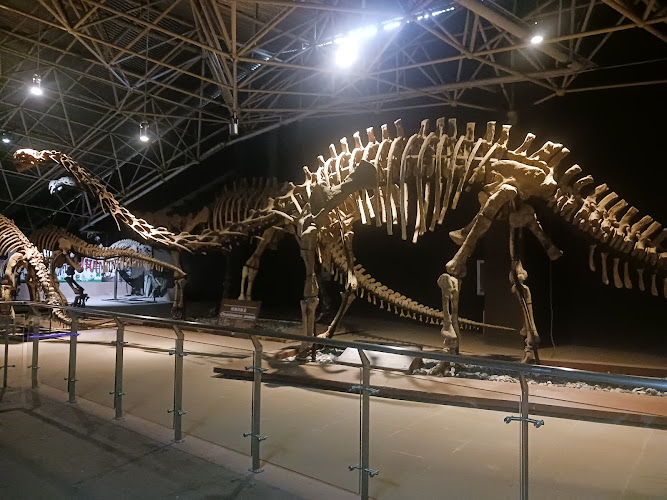
The Chuxiong Lufeng World Dinosaur Valley sits in Yunnan Province, China, where some of the most significant paleontological discoveries in Asia have taken place. This isn't just another theme park trying to cash in on humanity's fascination with prehistoric creatures. The site represents genuine scientific importance, built directly on ground where researchers have unearthed remarkable dinosaur fossils dating back to the Jurassic period. When I first learned about this place, I'll admit I was skeptical. Having visited my fair share of dinosaur museums that felt more like dusty archives than exciting experiences, I wondered if this would be different. But Lufeng holds something special – it's one of the few places where travelers can see actual excavation sites alongside educational exhibits and life-sized recreations. The region gained international recognition after paleontologists discovered Lufengosaurus, a herbivorous dinosaur that roamed these lands roughly 180 million years ago. What makes this destination particularly fascinating is how it bridges science and tourism without compromising either aspect. The facility spans a massive area where visitors can explore multiple zones, each offering different perspectives on prehistoric life. And honestly, standing where ancient creatures once walked does something to your imagination that photos in textbooks never quite manage. The museum complex houses an impressive collection of fossils, many discovered right in this region. You're not looking at replicas shipped in from elsewhere – these specimens came from the surrounding hills and valleys. That authenticity adds weight to the experience. The exhibits walk you through different geological periods, explaining how this part of China transformed over millions of years.

Key Features

  • Extensive fossil collection featuring specimens unique to the Lufeng region, including the famous Lufengosaurus and other Jurassic-period dinosaurs discovered through local excavations
  • Active excavation sites where visitors can observe ongoing paleontological work and understand the meticulous process researchers use to uncover prehistoric remains
  • Life-sized dinosaur replicas and animatronic displays that bring extinct species back to life, helping visitors visualize the actual scale and appearance of these ancient creatures
  • Interactive exhibition halls with multimedia presentations explaining dinosaur evolution, extinction theories, and the specific geological conditions that preserved fossils in this area
  • Outdoor theme park sections featuring walking trails through landscaped areas designed to represent different prehistoric environments and time periods
  • Educational programs and guided tours led by knowledgeable staff who can explain the scientific significance of various fossils and answer questions about paleontology
  • Children's activity zones where young visitors can participate in simulated fossil digs and hands-on learning experiences that make science accessible and fun
  • Research facilities visible to the public, offering transparency into how scientists study and preserve ancient specimens
  • Viewing platforms overlooking actual fossil beds embedded in rock formations, providing perspective on how these discoveries remain partially in situ
  • Museum shops and cultural centers highlighting the connection between ancient history and local heritage

Best Time to Visit

Timing your visit to Lufeng World Dinosaur Valley makes a significant difference in your experience. The region experiences distinct seasons, and each brings different advantages and challenges for travelers. Spring months from March through May offer probably the most comfortable conditions. Temperatures hover in a pleasant range, usually between 15-25 degrees Celsius, making outdoor exploration enjoyable. The surrounding countryside blooms during this period, which adds natural beauty to the prehistoric theme. But be prepared for occasional rain showers – nothing too disruptive, just enough to warrant bringing a light jacket or umbrella. Summer, particularly July and August, brings warm weather and crowds. Chinese families visit during school holidays, so expect busier exhibition halls and longer waits at popular attractions. The heat can be intense, sometimes reaching 30 degrees Celsius or higher. If you don't mind the crowds and can handle warm weather, summer does have advantages. The facility operates extended hours, and all attractions run at full capacity. Plus, watching kids get excited about dinosaurs has its own charm. Autumn stands out as another excellent choice. September through November delivers comfortable temperatures and typically clear skies. The tourist rush subsides after summer vacation ends, meaning you'll have more breathing room in the museums and better photo opportunities without crowds in your shots. I'd personally lean toward autumn if I had to pick a favorite season for this type of attraction. Winter months see fewer visitors, which some travelers prefer. The weather gets chilly, with temperatures sometimes dropping near freezing, but indoor exhibitions remain heated and comfortable. If you're someone who values having attractions mostly to yourself, winter visits can feel almost private. Just dress warmly for transitioning between indoor and outdoor sections. Weekdays generally prove less crowded than weekends throughout the year. If your schedule allows flexibility, arriving on a Tuesday or Wednesday gives you a much more relaxed experience than weekend visits.

How to Get There

Getting to Lufeng World Dinosaur Valley requires some planning, but the journey isn't overly complicated once you understand your options. Most international travelers start in Kunming, the capital of Yunnan Province and a major transportation hub. Kunming Changshui International Airport connects to numerous domestic and international destinations. From Kunming, you've got several ways to reach Lufeng County where the dinosaur park is located. The most straightforward option involves taking a bus from Kunming's long-distance bus stations. Both the West Bus Station and South Bus Station run regular services to Lufeng, with buses departing throughout the day. The journey takes approximately two to three hours depending on traffic and which specific route the bus follows. Tickets are affordable, usually costing around 50-70 yuan. The buses are generally comfortable with air conditioning, though they make occasional stops along the way. If you prefer more control over your schedule, hiring a private car or taxi works well. The drive from Kunming follows the G56 Expressway, covering roughly 140 kilometers. Having your own vehicle lets you stop for photos or meals whenever you want. The cost runs higher than buses – expect to pay several hundred yuan – but splitting among a group makes it reasonable. Some tour companies in Kunming offer day trips to the dinosaur valley, which bundle transportation with admission and sometimes lunch. These packages simplify logistics for travelers who don't want to arrange everything independently. However, group tours operate on fixed schedules that might not align with how much time you want to spend exploring. Once you arrive in Lufeng County, local taxis or ride-hailing apps can take you directly to the World Dinosaur Valley entrance. The site sits a few kilometers from the county center. And don't worry too much about language barriers – showing drivers the destination name in Chinese characters on your phone usually works perfectly fine.

Tips for Visiting

Planning ahead makes your visit to Lufeng World Dinosaur Valley considerably more enjoyable. Here's what travelers should keep in mind. Allocate enough time for your visit. Rushing through defeats the purpose. Most people need at least four to five hours to properly explore the exhibits, outdoor areas, and major attractions. If you're particularly interested in paleontology or traveling with children who want to participate in all the interactive activities, consider budgeting six hours or even a full day. Wear comfortable walking shoes. This advice sounds obvious, I know, but the site covers extensive ground and involves considerable walking. Those cute sandals or fashionable-but-impractical shoes will leave you miserable halfway through. The terrain includes both smooth museum floors and outdoor paths that can be uneven. Bring water and snacks, though the facility does have restaurants and shops. Staying hydrated matters, especially during warmer months, and having your own supplies saves time. That said, supporting the onsite restaurants isn't a bad idea either – they serve decent food at prices that aren't outrageously inflated. Download a translation app if you don't read Chinese. While some exhibits include English descriptions, many displays remain Chinese-only. Being able to translate signage and informational plaques significantly enriches your understanding. And honestly, even imperfect translations provide more context than just looking at fossils without any explanation. Consider hiring a guide for a portion of your visit. The scientific staff can share insights about specific discoveries and research that you won't find on posted signs. Even an hour with a knowledgeable guide transforms how you perceive the collection. Photography is generally allowed in most areas, but check for any restrictions in specific exhibition halls. Some fossil preservation efforts require controlled lighting conditions. Flash photography might be prohibited in certain sections to protect delicate specimens. Dress in layers if visiting during transitional seasons. Moving between air-conditioned indoor spaces and warm outdoor areas means your comfort level changes frequently. Being able to add or remove a layer makes the day more pleasant. Visit the actual excavation sites early or late in your trip. Seeing where fossils come from provides context that makes the museum displays more meaningful. Some visitors prefer starting with the excavation areas to understand the discovery process, while others save them for last as a culmination of their learning. Don't skip the animatronic sections just because they seem touristy. Sure, they're not real science, but they help visualize the living creatures behind the fossilized bones. Kids especially respond to these displays, and they serve an educational purpose by making abstract concepts concrete. Check the weather forecast before your visit and adjust plans accordingly. Outdoor portions of the attraction become less enjoyable during heavy rain. The facility remains open, but your experience suffers if you're stuck mostly indoors when you planned to explore everything. Bring hand sanitizer and any personal medications you might need. Facilities are available throughout the park, but having your own supplies offers convenience and peace of mind. And let's be real – touching railings and interactive displays that thousands of other people have touched means keeping your hands clean is just smart. The gift shop actually stocks some quality items alongside the typical tourist trinkets. If you're interested in paleontology or buying educational materials for children, you'll find books, fossil replicas, and other worthwhile purchases. Not everything is cheap plastic dinosaurs, though those are available too for the kids who want them. Finally, approach your visit with realistic expectations. This isn't a world-class museum comparable to institutions in major international cities, but it doesn't pretend to be. What it offers is a unique combination of genuine scientific sites, educational exhibits, and accessible entertainment that makes paleontology interesting to general audiences. Appreciate it for what it is – a window into an incredibly rich fossil heritage that few places can match.

Key Features

  • Real fossil exhibits including Lufengosaurus specimens
  • Life‑size dinosaur reconstructions and themed outdoor displays
  • Interpretive trails and geology/paleontology signage
  • Cultural elements highlighting Yi ethnic traditions
  • Scenic canyon and mountain views suitable for photography

More Details

Updated March 30, 2026

Description

The Chuxiong Lufeng World Dinosaur Valley sits in Yunnan Province, China, where some of the most significant paleontological discoveries in Asia have taken place. This isn’t just another theme park trying to cash in on humanity’s fascination with prehistoric creatures. The site represents genuine scientific importance, built directly on ground where researchers have unearthed remarkable dinosaur fossils dating back to the Jurassic period.

When I first learned about this place, I’ll admit I was skeptical. Having visited my fair share of dinosaur museums that felt more like dusty archives than exciting experiences, I wondered if this would be different. But Lufeng holds something special – it’s one of the few places where travelers can see actual excavation sites alongside educational exhibits and life-sized recreations. The region gained international recognition after paleontologists discovered Lufengosaurus, a herbivorous dinosaur that roamed these lands roughly 180 million years ago.

What makes this destination particularly fascinating is how it bridges science and tourism without compromising either aspect. The facility spans a massive area where visitors can explore multiple zones, each offering different perspectives on prehistoric life. And honestly, standing where ancient creatures once walked does something to your imagination that photos in textbooks never quite manage.

The museum complex houses an impressive collection of fossils, many discovered right in this region. You’re not looking at replicas shipped in from elsewhere – these specimens came from the surrounding hills and valleys. That authenticity adds weight to the experience. The exhibits walk you through different geological periods, explaining how this part of China transformed over millions of years.

Key Features

  • Extensive fossil collection featuring specimens unique to the Lufeng region, including the famous Lufengosaurus and other Jurassic-period dinosaurs discovered through local excavations
  • Active excavation sites where visitors can observe ongoing paleontological work and understand the meticulous process researchers use to uncover prehistoric remains
  • Life-sized dinosaur replicas and animatronic displays that bring extinct species back to life, helping visitors visualize the actual scale and appearance of these ancient creatures
  • Interactive exhibition halls with multimedia presentations explaining dinosaur evolution, extinction theories, and the specific geological conditions that preserved fossils in this area
  • Outdoor theme park sections featuring walking trails through landscaped areas designed to represent different prehistoric environments and time periods
  • Educational programs and guided tours led by knowledgeable staff who can explain the scientific significance of various fossils and answer questions about paleontology
  • Children’s activity zones where young visitors can participate in simulated fossil digs and hands-on learning experiences that make science accessible and fun
  • Research facilities visible to the public, offering transparency into how scientists study and preserve ancient specimens
  • Viewing platforms overlooking actual fossil beds embedded in rock formations, providing perspective on how these discoveries remain partially in situ
  • Museum shops and cultural centers highlighting the connection between ancient history and local heritage

Best Time to Visit

Timing your visit to Lufeng World Dinosaur Valley makes a significant difference in your experience. The region experiences distinct seasons, and each brings different advantages and challenges for travelers.

Spring months from March through May offer probably the most comfortable conditions. Temperatures hover in a pleasant range, usually between 15-25 degrees Celsius, making outdoor exploration enjoyable. The surrounding countryside blooms during this period, which adds natural beauty to the prehistoric theme. But be prepared for occasional rain showers – nothing too disruptive, just enough to warrant bringing a light jacket or umbrella.

Summer, particularly July and August, brings warm weather and crowds. Chinese families visit during school holidays, so expect busier exhibition halls and longer waits at popular attractions. The heat can be intense, sometimes reaching 30 degrees Celsius or higher. If you don’t mind the crowds and can handle warm weather, summer does have advantages. The facility operates extended hours, and all attractions run at full capacity. Plus, watching kids get excited about dinosaurs has its own charm.

Autumn stands out as another excellent choice. September through November delivers comfortable temperatures and typically clear skies. The tourist rush subsides after summer vacation ends, meaning you’ll have more breathing room in the museums and better photo opportunities without crowds in your shots. I’d personally lean toward autumn if I had to pick a favorite season for this type of attraction.

Winter months see fewer visitors, which some travelers prefer. The weather gets chilly, with temperatures sometimes dropping near freezing, but indoor exhibitions remain heated and comfortable. If you’re someone who values having attractions mostly to yourself, winter visits can feel almost private. Just dress warmly for transitioning between indoor and outdoor sections.

Weekdays generally prove less crowded than weekends throughout the year. If your schedule allows flexibility, arriving on a Tuesday or Wednesday gives you a much more relaxed experience than weekend visits.

How to Get There

Getting to Lufeng World Dinosaur Valley requires some planning, but the journey isn’t overly complicated once you understand your options.

Most international travelers start in Kunming, the capital of Yunnan Province and a major transportation hub. Kunming Changshui International Airport connects to numerous domestic and international destinations. From Kunming, you’ve got several ways to reach Lufeng County where the dinosaur park is located.

The most straightforward option involves taking a bus from Kunming’s long-distance bus stations. Both the West Bus Station and South Bus Station run regular services to Lufeng, with buses departing throughout the day. The journey takes approximately two to three hours depending on traffic and which specific route the bus follows. Tickets are affordable, usually costing around 50-70 yuan. The buses are generally comfortable with air conditioning, though they make occasional stops along the way.

If you prefer more control over your schedule, hiring a private car or taxi works well. The drive from Kunming follows the G56 Expressway, covering roughly 140 kilometers. Having your own vehicle lets you stop for photos or meals whenever you want. The cost runs higher than buses – expect to pay several hundred yuan – but splitting among a group makes it reasonable.

Some tour companies in Kunming offer day trips to the dinosaur valley, which bundle transportation with admission and sometimes lunch. These packages simplify logistics for travelers who don’t want to arrange everything independently. However, group tours operate on fixed schedules that might not align with how much time you want to spend exploring.

Once you arrive in Lufeng County, local taxis or ride-hailing apps can take you directly to the World Dinosaur Valley entrance. The site sits a few kilometers from the county center. And don’t worry too much about language barriers – showing drivers the destination name in Chinese characters on your phone usually works perfectly fine.

Tips for Visiting

Planning ahead makes your visit to Lufeng World Dinosaur Valley considerably more enjoyable. Here’s what travelers should keep in mind.

Allocate enough time for your visit. Rushing through defeats the purpose. Most people need at least four to five hours to properly explore the exhibits, outdoor areas, and major attractions. If you’re particularly interested in paleontology or traveling with children who want to participate in all the interactive activities, consider budgeting six hours or even a full day.

Wear comfortable walking shoes. This advice sounds obvious, I know, but the site covers extensive ground and involves considerable walking. Those cute sandals or fashionable-but-impractical shoes will leave you miserable halfway through. The terrain includes both smooth museum floors and outdoor paths that can be uneven.

Bring water and snacks, though the facility does have restaurants and shops. Staying hydrated matters, especially during warmer months, and having your own supplies saves time. That said, supporting the onsite restaurants isn’t a bad idea either – they serve decent food at prices that aren’t outrageously inflated.

Download a translation app if you don’t read Chinese. While some exhibits include English descriptions, many displays remain Chinese-only. Being able to translate signage and informational plaques significantly enriches your understanding. And honestly, even imperfect translations provide more context than just looking at fossils without any explanation.

Consider hiring a guide for a portion of your visit. The scientific staff can share insights about specific discoveries and research that you won’t find on posted signs. Even an hour with a knowledgeable guide transforms how you perceive the collection.

Photography is generally allowed in most areas, but check for any restrictions in specific exhibition halls. Some fossil preservation efforts require controlled lighting conditions. Flash photography might be prohibited in certain sections to protect delicate specimens.

Dress in layers if visiting during transitional seasons. Moving between air-conditioned indoor spaces and warm outdoor areas means your comfort level changes frequently. Being able to add or remove a layer makes the day more pleasant.

Visit the actual excavation sites early or late in your trip. Seeing where fossils come from provides context that makes the museum displays more meaningful. Some visitors prefer starting with the excavation areas to understand the discovery process, while others save them for last as a culmination of their learning.

Don’t skip the animatronic sections just because they seem touristy. Sure, they’re not real science, but they help visualize the living creatures behind the fossilized bones. Kids especially respond to these displays, and they serve an educational purpose by making abstract concepts concrete.

Check the weather forecast before your visit and adjust plans accordingly. Outdoor portions of the attraction become less enjoyable during heavy rain. The facility remains open, but your experience suffers if you’re stuck mostly indoors when you planned to explore everything.

Bring hand sanitizer and any personal medications you might need. Facilities are available throughout the park, but having your own supplies offers convenience and peace of mind. And let’s be real – touching railings and interactive displays that thousands of other people have touched means keeping your hands clean is just smart.

The gift shop actually stocks some quality items alongside the typical tourist trinkets. If you’re interested in paleontology or buying educational materials for children, you’ll find books, fossil replicas, and other worthwhile purchases. Not everything is cheap plastic dinosaurs, though those are available too for the kids who want them.

Finally, approach your visit with realistic expectations. This isn’t a world-class museum comparable to institutions in major international cities, but it doesn’t pretend to be. What it offers is a unique combination of genuine scientific sites, educational exhibits, and accessible entertainment that makes paleontology interesting to general audiences. Appreciate it for what it is – a window into an incredibly rich fossil heritage that few places can match.

Key Highlights

  • Real fossil exhibits including Lufengosaurus specimens
  • Life‑size dinosaur reconstructions and themed outdoor displays
  • Interpretive trails and geology/paleontology signage
  • Cultural elements highlighting Yi ethnic traditions
  • Scenic canyon and mountain views suitable for photography

Location

Places to Stay Near Chuxiong Lufeng World Dinosaur Valley

Find and Book a Tour

Explore More Travel Guides

No reviews found! Be the first to review!

Chuxiong Lufeng World Dinosaur Valley is a prominent attractions located in Chuxiong Yi Autonomous Prefecture.

Visit us at: Chine, Yunnan, Chuxiong Yi Autonomous Prefecture, Lufeng County, 川街世界恐龙谷风景区.

Traveler Reviews for Chuxiong Lufeng World Dinosaur Valley

There are no reviews yet. Be the first one to write one.

Share Your Experience

Have you visited Chuxiong Lufeng World Dinosaur Valley? Help other travelers by sharing your review.

Nearby Attractions

Lufeng Dinosaur Museum / local fossil sites Golden Temple (nearby cultural site referenced by local tours) Chuxiong city attractions and Yi cultural villages

Find Accommodations Nearby

Recommended Tours & Activities

Visitor Reviews

There are no reviews yet. Be the first one to write one.

Share Your Experience

Have you visited Chuxiong Lufeng World Dinosaur Valley? Help other travelers by leaving a review.