
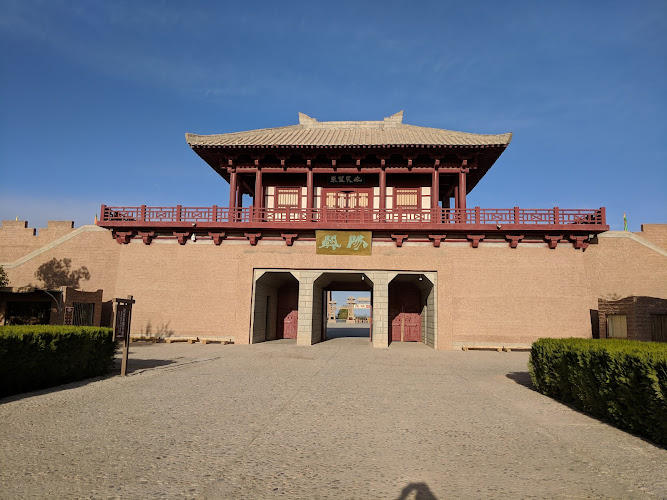
Yangguan Museum
About Yangguan Museum
Description
Yangguan Museum sits on the western approaches to the ancient Silk Road, a compact but surprisingly layered museum that tells stories of travel, trade, and the harsh desert frontier around Dunhuang in Jiuquan, Gansu, China. It is part museum, part interpretive tower complex — think of it as a focused stop that explains why Yangguan pass mattered to caravans and empires. The site is near the modern reference W3M4+JWW and postal region 736203, so it’s easy to locate on maps used by travelers who like to pin coordinates before they go.
The museum’s core strength is storytelling through objects and context. Exhibits include local stonework, fragments of trade goods, replicas of caravan equipment, and interpretive panels that place the Yangguan tower into military and cultural history. Instead of overwhelming with dozens of rooms, Yangguan Museum curates a tight narrative: why this pass was guarded, how goods moved across dunes, and what daily life could have been like for soldiers and merchants stationed at the outpost. A small tower structure attached to the complex gives a modest viewpoint and a tangible sense of the watchposts that once controlled this stretch of the Silk Road.
Visitors who like tactile, sensory experiences will appreciate the way the museum mixes artifacts with hands-on displays. There are models that show caravan routes, scaled reliefs of the surrounding landscape, and multimedia kiosks that play short historical reenactments. It’s not a blockbuster museum, but it fits well into an itinerary for people exploring Dunhuang and the Gansu region: quick to see, but with enough detail to make the stop feel worthwhile. And because it’s smaller, it’s often possible to linger in a quiet corner without feeling rushed.
Accessibility is a clear plus here. The site provides a wheelchair accessible restroom and basic visitor amenities like restrooms and seating. Families will find it good for kids; displays are organized so younger visitors can touch some replica objects and walk through the tower structure safely, which helps keep little ones engaged. The museum’s layout tends to favor short pathways and viewable panels rather than long corridors, so it’s easier on tired legs.
Atmosphere varies with the season. In cooler months the interior feels cozy and reflective; in high summer the desert light wraps the adjacent tower in a kind of stark gold that photographs beautifully. The museum staff are generally friendly and practical — they’ll point out highlights and sometimes suggest a short walk to a nearby viewpoint, but don’t expect theatrical guided tours unless one is scheduled. Most visitors who linger leave with a clearer sense of how strategic geography shaped life along the Silk Road.
There are some real, human imperfections. A few displays are dated and could use fresh translations or updated labels. And because the museum is small, peak-season crowds (or a single tour group) can make it feel cramped for a bit. That said, the majority find the exhibits informative and the tower experience evocative. It’s a place that rewards curiosity: ask a question about a shard of pottery or the defensive layout and someone on staff will usually dig up an extra tidbit or point to a relevant model.
What often surprises visitors is how the museum complements the nearby natural and archaeological sites. People who come to see the more famous Mogao Caves or the desert landscapes around Dunhuang often add Yangguan Museum to their list because it helps frame what they see in the field. Think of the museum as the context-setter: it fills in why a lone tower matters, and how one narrow pass could influence trade, diplomacy, and even fashion across continents.
Practical tips for planning: allow 45 minutes to 90 minutes for a satisfying visit. That’s enough time to read the panels, climb the small tower, handle a few tactile exhibits, and sit for a moment to absorb the landscape. During low season it’s mellow and almost meditative; during the busier months it’s lively and social. Photography is generally allowed in the public areas but signage will indicate if a specific exhibit is restricted. Wear comfortable shoes — there are a couple short stair climbs to get the full tower view.
In short, Yangguan Museum near Dunhuang, Jiuquan, Gansu, China is a concentrated, well-focused stop for travelers interested in Silk Road history and desert frontier life. It’s accessible, family-friendly, and small enough to fit into a half-day plan without feeling like a rushed tick-box. Travelers who appreciate context and texture — the nuts-and-bolts of how history played out at a particular crossing — will leave satisfied.
Key Features
More Details
Updated August 30, 2025
Table of Contents
Description
Yangguan Museum sits on the western approaches to the ancient Silk Road, a compact but surprisingly layered museum that tells stories of travel, trade, and the harsh desert frontier around Dunhuang in Jiuquan, Gansu, China. It is part museum, part interpretive tower complex — think of it as a focused stop that explains why Yangguan pass mattered to caravans and empires. The site is near the modern reference W3M4+JWW and postal region 736203, so it’s easy to locate on maps used by travelers who like to pin coordinates before they go.
The museum’s core strength is storytelling through objects and context. Exhibits include local stonework, fragments of trade goods, replicas of caravan equipment, and interpretive panels that place the Yangguan tower into military and cultural history. Instead of overwhelming with dozens of rooms, Yangguan Museum curates a tight narrative: why this pass was guarded, how goods moved across dunes, and what daily life could have been like for soldiers and merchants stationed at the outpost. A small tower structure attached to the complex gives a modest viewpoint and a tangible sense of the watchposts that once controlled this stretch of the Silk Road.
Visitors who like tactile, sensory experiences will appreciate the way the museum mixes artifacts with hands-on displays. There are models that show caravan routes, scaled reliefs of the surrounding landscape, and multimedia kiosks that play short historical reenactments. It’s not a blockbuster museum, but it fits well into an itinerary for people exploring Dunhuang and the Gansu region: quick to see, but with enough detail to make the stop feel worthwhile. And because it’s smaller, it’s often possible to linger in a quiet corner without feeling rushed.
Accessibility is a clear plus here. The site provides a wheelchair accessible restroom and basic visitor amenities like restrooms and seating. Families will find it good for kids; displays are organized so younger visitors can touch some replica objects and walk through the tower structure safely, which helps keep little ones engaged. The museum’s layout tends to favor short pathways and viewable panels rather than long corridors, so it’s easier on tired legs.
Atmosphere varies with the season. In cooler months the interior feels cozy and reflective; in high summer the desert light wraps the adjacent tower in a kind of stark gold that photographs beautifully. The museum staff are generally friendly and practical — they’ll point out highlights and sometimes suggest a short walk to a nearby viewpoint, but don’t expect theatrical guided tours unless one is scheduled. Most visitors who linger leave with a clearer sense of how strategic geography shaped life along the Silk Road.
There are some real, human imperfections. A few displays are dated and could use fresh translations or updated labels. And because the museum is small, peak-season crowds (or a single tour group) can make it feel cramped for a bit. That said, the majority find the exhibits informative and the tower experience evocative. It’s a place that rewards curiosity: ask a question about a shard of pottery or the defensive layout and someone on staff will usually dig up an extra tidbit or point to a relevant model.
What often surprises visitors is how the museum complements the nearby natural and archaeological sites. People who come to see the more famous Mogao Caves or the desert landscapes around Dunhuang often add Yangguan Museum to their list because it helps frame what they see in the field. Think of the museum as the context-setter: it fills in why a lone tower matters, and how one narrow pass could influence trade, diplomacy, and even fashion across continents.
Practical tips for planning: allow 45 minutes to 90 minutes for a satisfying visit. That’s enough time to read the panels, climb the small tower, handle a few tactile exhibits, and sit for a moment to absorb the landscape. During low season it’s mellow and almost meditative; during the busier months it’s lively and social. Photography is generally allowed in the public areas but signage will indicate if a specific exhibit is restricted. Wear comfortable shoes — there are a couple short stair climbs to get the full tower view.
In short, Yangguan Museum near Dunhuang, Jiuquan, Gansu, China is a concentrated, well-focused stop for travelers interested in Silk Road history and desert frontier life. It’s accessible, family-friendly, and small enough to fit into a half-day plan without feeling like a rushed tick-box. Travelers who appreciate context and texture — the nuts-and-bolts of how history played out at a particular crossing — will leave satisfied.
Key Highlights
Yangguan Museum
Location
Places to Stay Near Yangguan Museum
Find and Book a Tour
Explore More Travel Guides
No reviews found! Be the first to review!
Traveler Reviews for Yangguan Museum
There are no reviews yet. Be the first one to write one.
Have you visited Yangguan Museum? Help other travelers by sharing your review.
You Might Also Like
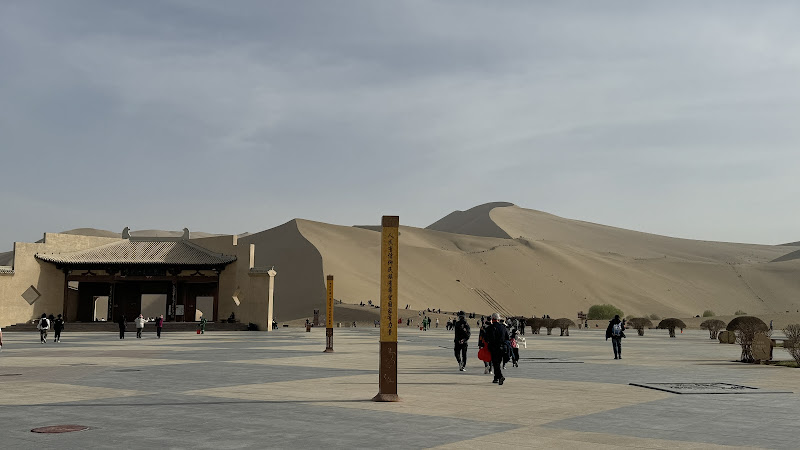
Dunhuang Minsu Museum
Dunhuang Park (Northwest Gate)
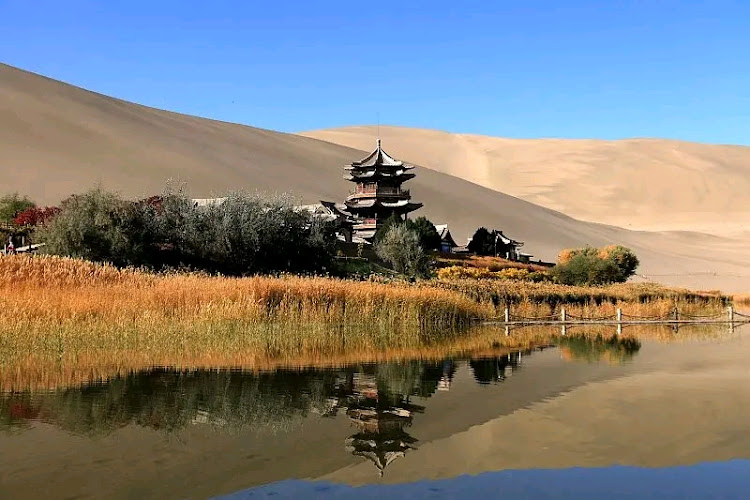
Mingsha Mountain and Crescent Moon Spring
Find Accommodations Nearby
Recommended Tours & Activities
Visitor Reviews
There are no reviews yet. Be the first one to write one.
Share Your Experience
Have you visited Yangguan Museum? Help other travelers by leaving a review.