About Xihemen

Description

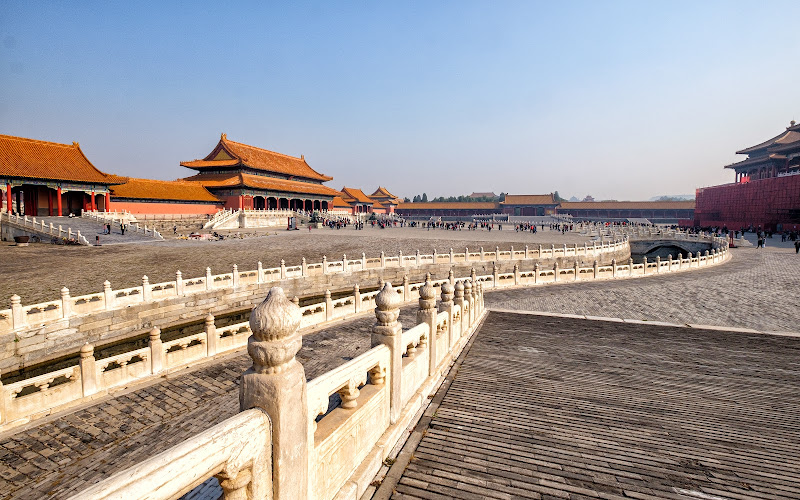
Xihemen stands as one of those places that somehow manages to slip under the radar of mainstream travel guides, yet leaves every visitor who discovers it feeling like they've stumbled upon something genuinely special. I've always been drawn to spots that don't scream for attention but quietly reward those who make the effort to seek them out, and this scenic attraction fits that bill perfectly. The site represents a beautiful example of traditional Chinese architecture meeting natural landscapes in a way that feels both intentional and effortless. When you first approach Xihemen, there's this moment where the structure reveals itself gradually - not all at once like some tourist traps do - and that gradual unveiling creates an anticipation that modern attractions just can't replicate. The design philosophy here speaks to centuries of understanding how humans interact with space and nature, which sounds pretentious when I write it out, but you'll get what I mean when you're actually standing there. What really strikes most travelers is how the location manages to feel serene even during busier periods. There's something about the layout and the surrounding environment that seems to absorb crowds rather than amplify them. I remember talking to a couple from Australia who told me they'd spent three hours there without even realizing it, just wandering and discovering new perspectives and angles. That's the kind of place Xihemen is - time moves differently, and your usual tourist anxiety about checking boxes on an itinerary just sort of melts away. The scenic elements surrounding the main attraction deserve their own moment of appreciation. We're talking about natural formations, carefully cultivated gardens, and pathways that wind through the landscape in ways that feel organic rather than manufactured. And the photography opportunities? Absolutely incredible, especially if you've got even a passing interest in capturing architectural details or landscape compositions.

Key Features

The elements that make Xihemen worth adding to your travel plans include several standout characteristics:
  • Architectural authenticity that reflects traditional Chinese building techniques and design principles spanning multiple historical periods
  • Scenic integration where structures complement rather than compete with the natural landscape around them
  • Peaceful atmosphere that provides genuine respite from the usual tourist circuit chaos
  • Photography-friendly vantage points offering diverse compositional opportunities throughout different times of day
  • Well-maintained grounds that show respect for both preservation and visitor accessibility
  • Cultural significance that becomes more apparent the longer you spend exploring the site
  • Less commercialized environment compared to many comparable attractions in the region
  • Walking paths designed to encourage exploration rather than rushing through predetermined routes
  • Seasonal transformations that make return visits worthwhile for those who have the opportunity

Best Time to Visit

Timing your visit to Xihemen really depends on what kind of experience you're chasing. Spring months bring an awakening to the surrounding gardens and natural areas that's honestly pretty spectacular. We're talking late March through May when everything's coming back to life after winter. The temperatures sit comfortably in that sweet spot where you're not sweating through your clothes but also not bundled up like you're heading to the Arctic. But here's where I'll share a slightly contrarian opinion - autumn might actually steal the show. September through early November offers this golden light that photographers dream about, and the changing foliage creates layers of color that transform the entire landscape. I visited in mid-October once, and the way the afternoon sun hit the architectural details while leaves were falling around the pathways created one of those travel moments you can't really plan for. Summer brings warmth and longer daylight hours, which means more time to explore. However, it's also when you'll encounter the largest crowds, particularly on weekends and public holidays. If you're someone who values having space to yourself for contemplation or photography, summer weekends might test your patience a bit. Winter presents an interesting option for the adventurous traveler. The site takes on a completely different character when there's snow on the ground or frost highlighting the architectural details. You'll practically have the place to yourself, though you'll need to bundle up properly. I'm talking layers, good boots, the whole winter warrior setup. Early mornings year-round offer the best light and smallest crowds. If you can drag yourself out of bed and arrive within the first hour of opening, you'll experience Xihemen in a way that most visitors miss entirely. That morning quietness amplifies the contemplative quality of the space in ways that are hard to describe but impossible to forget.

How to Get There

Getting to Xihemen requires a bit more planning than just hopping on a tour bus, but that's part of what keeps it from being overrun with crowds. Public transportation can get you close, though you'll want to research current routes and schedules since these can shift seasonally. Local buses tend to be the most economical option, and the journey itself offers glimpses of daily life that you'd miss in a taxi or private car. If you're staying in a nearby city, hiring a private car or using ride-sharing services provides the most flexibility, especially if you're traveling with companions and can split the cost. The roads leading to the area are generally well-maintained, though traffic patterns can get unpredictable during peak tourist seasons. I've learned the hard way that what looks like a 45-minute journey on a map can easily stretch to 90 minutes on a holiday weekend. For the more adventurous traveler, combining public transportation with walking creates an interesting journey. You'll need decent stamina and comfortable shoes, but approaching Xihemen on foot from the nearest transport stop lets you transition gradually from the modern world into this more historical space. That transition matters more than you might think. Taxi drivers in the region generally know the location, though having the name written in Chinese characters on your phone saves a lot of potential confusion and misdirection. I can't tell you how many times having a screenshot ready has saved me from ending up somewhere completely different because of pronunciation issues. Organized tours occasionally include Xihemen as part of larger itineraries, but these typically allow limited time at the site. If you're serious about really experiencing the place rather than just checking it off a list, independent travel gives you the control to spend as much or as little time as feels right.

Tips for Visiting

Comfortable walking shoes aren't just recommended - they're absolutely essential. The paths wind and sometimes include uneven surfaces or gentle inclines that might not seem challenging until you've been exploring for a couple hours. I made the mistake once of wearing new shoes thinking I'd break them in during a visit, and let's just say that was a decision I regretted thoroughly. Bring water and snacks, especially if you're visiting during warmer months. While there might be some vendors near the entrance, options within the grounds tend to be limited. This isn't Disneyland with a snack cart every fifty feet. Part of the charm is that commercial elements don't intrude on the experience, but that means you need to plan accordingly. Photography enthusiasts should arrive with fully charged batteries and empty memory cards. The light changes throughout the day create completely different moods and opportunities. I've watched photographers return multiple times trying to capture specific lighting conditions or seasonal variations. If you're shooting with a phone, consider bringing a portable charger because you'll take more photos than you planned. Weather can shift quickly depending on the season, so checking forecasts and bringing adaptable clothing makes sense. A light rain jacket takes up minimal space but can save an entire visit if unexpected weather rolls in. And honestly, some of the most atmospheric moments happen when weather conditions aren't picture-perfect anyway. Respect for the site goes without saying, but it's worth emphasizing. This isn't just a pretty backdrop for selfies - it's a place with cultural and historical significance. Staying on designated paths, not touching or climbing on structures, and keeping noise levels reasonable ensures the site remains accessible and well-preserved for future visitors. Give yourself more time than you think you'll need. The biggest mistake I see travelers make is treating Xihemen as a quick stop on a packed itinerary. The place rewards slow exploration and quiet observation. Plan for at least two to three hours, though you could easily spend half a day if you're really engaging with the space. Consider visiting on a weekday if your schedule allows. The difference in crowd levels between weekdays and weekends can be dramatic, and having more space to move and think makes a noticeable difference in the overall experience. Plus, weekday visitors tend to be more serious about appreciation rather than just collecting social media content, which creates a better atmosphere for everyone. Bringing a basic understanding of the historical and cultural context enriches the visit tremendously. You don't need a PhD in Chinese history, but reading up even briefly about architectural traditions and the region's background helps you notice details and significance you'd otherwise walk right past.

Key Features

  • Architectural authenticity that reflects traditional Chinese building techniques and design principles spanning multiple historical periods
  • Scenic integration where structures complement rather than compete with the natural landscape around them
  • Peaceful atmosphere that provides genuine respite from the usual tourist circuit chaos
  • Photography-friendly vantage points offering diverse compositional opportunities throughout different times of day
  • Well-maintained grounds that show respect for both preservation and visitor accessibility
  • Cultural significance that becomes more apparent the longer you spend exploring the site
  • Less commercialized environment compared to many comparable attractions in the region
  • Walking paths designed to encourage exploration rather than rushing through predetermined routes

More Details

Updated January 18, 2026

Description

Xihemen stands as one of those places that somehow manages to slip under the radar of mainstream travel guides, yet leaves every visitor who discovers it feeling like they’ve stumbled upon something genuinely special. I’ve always been drawn to spots that don’t scream for attention but quietly reward those who make the effort to seek them out, and this scenic attraction fits that bill perfectly.

The site represents a beautiful example of traditional Chinese architecture meeting natural landscapes in a way that feels both intentional and effortless. When you first approach Xihemen, there’s this moment where the structure reveals itself gradually – not all at once like some tourist traps do – and that gradual unveiling creates an anticipation that modern attractions just can’t replicate. The design philosophy here speaks to centuries of understanding how humans interact with space and nature, which sounds pretentious when I write it out, but you’ll get what I mean when you’re actually standing there.

What really strikes most travelers is how the location manages to feel serene even during busier periods. There’s something about the layout and the surrounding environment that seems to absorb crowds rather than amplify them. I remember talking to a couple from Australia who told me they’d spent three hours there without even realizing it, just wandering and discovering new perspectives and angles. That’s the kind of place Xihemen is – time moves differently, and your usual tourist anxiety about checking boxes on an itinerary just sort of melts away.

The scenic elements surrounding the main attraction deserve their own moment of appreciation. We’re talking about natural formations, carefully cultivated gardens, and pathways that wind through the landscape in ways that feel organic rather than manufactured. And the photography opportunities? Absolutely incredible, especially if you’ve got even a passing interest in capturing architectural details or landscape compositions.

Key Features

The elements that make Xihemen worth adding to your travel plans include several standout characteristics:

  • Architectural authenticity that reflects traditional Chinese building techniques and design principles spanning multiple historical periods
  • Scenic integration where structures complement rather than compete with the natural landscape around them
  • Peaceful atmosphere that provides genuine respite from the usual tourist circuit chaos
  • Photography-friendly vantage points offering diverse compositional opportunities throughout different times of day
  • Well-maintained grounds that show respect for both preservation and visitor accessibility
  • Cultural significance that becomes more apparent the longer you spend exploring the site
  • Less commercialized environment compared to many comparable attractions in the region
  • Walking paths designed to encourage exploration rather than rushing through predetermined routes
  • Seasonal transformations that make return visits worthwhile for those who have the opportunity

Best Time to Visit

Timing your visit to Xihemen really depends on what kind of experience you’re chasing. Spring months bring an awakening to the surrounding gardens and natural areas that’s honestly pretty spectacular. We’re talking late March through May when everything’s coming back to life after winter. The temperatures sit comfortably in that sweet spot where you’re not sweating through your clothes but also not bundled up like you’re heading to the Arctic.

But here’s where I’ll share a slightly contrarian opinion – autumn might actually steal the show. September through early November offers this golden light that photographers dream about, and the changing foliage creates layers of color that transform the entire landscape. I visited in mid-October once, and the way the afternoon sun hit the architectural details while leaves were falling around the pathways created one of those travel moments you can’t really plan for.

Summer brings warmth and longer daylight hours, which means more time to explore. However, it’s also when you’ll encounter the largest crowds, particularly on weekends and public holidays. If you’re someone who values having space to yourself for contemplation or photography, summer weekends might test your patience a bit.

Winter presents an interesting option for the adventurous traveler. The site takes on a completely different character when there’s snow on the ground or frost highlighting the architectural details. You’ll practically have the place to yourself, though you’ll need to bundle up properly. I’m talking layers, good boots, the whole winter warrior setup.

Early mornings year-round offer the best light and smallest crowds. If you can drag yourself out of bed and arrive within the first hour of opening, you’ll experience Xihemen in a way that most visitors miss entirely. That morning quietness amplifies the contemplative quality of the space in ways that are hard to describe but impossible to forget.

How to Get There

Getting to Xihemen requires a bit more planning than just hopping on a tour bus, but that’s part of what keeps it from being overrun with crowds. Public transportation can get you close, though you’ll want to research current routes and schedules since these can shift seasonally. Local buses tend to be the most economical option, and the journey itself offers glimpses of daily life that you’d miss in a taxi or private car.

If you’re staying in a nearby city, hiring a private car or using ride-sharing services provides the most flexibility, especially if you’re traveling with companions and can split the cost. The roads leading to the area are generally well-maintained, though traffic patterns can get unpredictable during peak tourist seasons. I’ve learned the hard way that what looks like a 45-minute journey on a map can easily stretch to 90 minutes on a holiday weekend.

For the more adventurous traveler, combining public transportation with walking creates an interesting journey. You’ll need decent stamina and comfortable shoes, but approaching Xihemen on foot from the nearest transport stop lets you transition gradually from the modern world into this more historical space. That transition matters more than you might think.

Taxi drivers in the region generally know the location, though having the name written in Chinese characters on your phone saves a lot of potential confusion and misdirection. I can’t tell you how many times having a screenshot ready has saved me from ending up somewhere completely different because of pronunciation issues.

Organized tours occasionally include Xihemen as part of larger itineraries, but these typically allow limited time at the site. If you’re serious about really experiencing the place rather than just checking it off a list, independent travel gives you the control to spend as much or as little time as feels right.

Tips for Visiting

Comfortable walking shoes aren’t just recommended – they’re absolutely essential. The paths wind and sometimes include uneven surfaces or gentle inclines that might not seem challenging until you’ve been exploring for a couple hours. I made the mistake once of wearing new shoes thinking I’d break them in during a visit, and let’s just say that was a decision I regretted thoroughly.

Bring water and snacks, especially if you’re visiting during warmer months. While there might be some vendors near the entrance, options within the grounds tend to be limited. This isn’t Disneyland with a snack cart every fifty feet. Part of the charm is that commercial elements don’t intrude on the experience, but that means you need to plan accordingly.

Photography enthusiasts should arrive with fully charged batteries and empty memory cards. The light changes throughout the day create completely different moods and opportunities. I’ve watched photographers return multiple times trying to capture specific lighting conditions or seasonal variations. If you’re shooting with a phone, consider bringing a portable charger because you’ll take more photos than you planned.

Weather can shift quickly depending on the season, so checking forecasts and bringing adaptable clothing makes sense. A light rain jacket takes up minimal space but can save an entire visit if unexpected weather rolls in. And honestly, some of the most atmospheric moments happen when weather conditions aren’t picture-perfect anyway.

Respect for the site goes without saying, but it’s worth emphasizing. This isn’t just a pretty backdrop for selfies – it’s a place with cultural and historical significance. Staying on designated paths, not touching or climbing on structures, and keeping noise levels reasonable ensures the site remains accessible and well-preserved for future visitors.

Give yourself more time than you think you’ll need. The biggest mistake I see travelers make is treating Xihemen as a quick stop on a packed itinerary. The place rewards slow exploration and quiet observation. Plan for at least two to three hours, though you could easily spend half a day if you’re really engaging with the space.

Consider visiting on a weekday if your schedule allows. The difference in crowd levels between weekdays and weekends can be dramatic, and having more space to move and think makes a noticeable difference in the overall experience. Plus, weekday visitors tend to be more serious about appreciation rather than just collecting social media content, which creates a better atmosphere for everyone.

Bringing a basic understanding of the historical and cultural context enriches the visit tremendously. You don’t need a PhD in Chinese history, but reading up even briefly about architectural traditions and the region’s background helps you notice details and significance you’d otherwise walk right past.

Key Highlights

  • Architectural authenticity that reflects traditional Chinese building techniques and design principles spanning multiple historical periods
  • Scenic integration where structures complement rather than compete with the natural landscape around them
  • Peaceful atmosphere that provides genuine respite from the usual tourist circuit chaos
  • Photography-friendly vantage points offering diverse compositional opportunities throughout different times of day
  • Well-maintained grounds that show respect for both preservation and visitor accessibility
  • Cultural significance that becomes more apparent the longer you spend exploring the site
  • Less commercialized environment compared to many comparable attractions in the region
  • Walking paths designed to encourage exploration rather than rushing through predetermined routes

Location

Places to Stay Near Xihemen

Find and Book a Tour

Explore More Travel Guides

No reviews found! Be the first to review!

Traveler Reviews for Xihemen

There are no reviews yet. Be the first one to write one.

Share Your Experience

Have you visited Xihemen? Help other travelers by sharing your review.

Find Accommodations Nearby

Recommended Tours & Activities

Visitor Reviews

There are no reviews yet. Be the first one to write one.

Share Your Experience

Have you visited Xihemen? Help other travelers by leaving a review.