

北京杜莎夫人蜡像馆
About 北京杜莎夫人蜡像馆
Description
Madame Tussauds Beijing, known locally as 北京杜莎夫人蜡像馆, once stood proudly in the heart of the city’s historic Qianmen area—a place where the old charm of Beijing met a modern, almost cinematic allure. It wasn’t just a wax museum; it was a curious blend of art, celebrity culture, and storytelling. Visitors could wander through halls lined with eerily lifelike figures, each one crafted with painstaking detail by artists from Madame Tussauds London. You could stand shoulder to shoulder with movie icons, global leaders, and even local heroes who’ve shaped China’s cultural landscape. It was the kind of place where you’d catch yourself smiling at a wax figure, half expecting it to blink back.
What made the museum special wasn’t just the craftsmanship—it was the atmosphere. The lighting, the music, the subtle scent of the polished floors—it all worked together to make you forget, at least for a moment, that these weren’t real people. Families loved it, especially kids who’d tug their parents’ sleeves excitedly to take pictures with their favorite pop stars. And for travelers like me, it offered a break from the ancient temples and palaces. It was a different side of Beijing—playful, creative, and surprisingly intimate.
Although the museum has since closed its doors, its memory lingers in the stories shared by those who visited. It represented a fascinating intersection of East and West, where global fame met local pride. To this day, people still talk about the uncanny realism of the wax figures and the joy it brought to thousands who walked through its halls.
Key Features
- Lifelike Wax Figures: Over 100 meticulously crafted figures representing global celebrities, political leaders, athletes, and Chinese cultural icons.
- Interactive Exhibits: Visitors could pose for photos, step into themed sets, and even engage in playful activities designed to make the experience immersive.
- Artistry from London: Each wax figure was created by skilled artists from Madame Tussauds London using precise measurements and advanced sculpting techniques.
- Family-Friendly Environment: The venue was designed to be accessible and enjoyable for visitors of all ages, with wide paths and interactive displays for children.
- Wheelchair Accessibility: The museum featured a wheelchair-accessible entrance and restrooms, ensuring that every visitor could comfortably explore the exhibits.
- Modern Meets Historic: Located in the culturally rich Qianmen district, the museum juxtaposed modern celebrity culture with Beijing’s deep historical roots.
One of my favorite things about Madame Tussauds Beijing was how it managed to surprise you around every corner. You’d turn a corner expecting another movie star, and suddenly you’d find yourself face-to-face with a wax version of a historic Chinese emperor. The transitions between sections were seamless, and the lighting was theatrical enough to make you feel like part of the scene.
Best Time to Visit
If you ever had the chance to visit before it closed, the best time was definitely on weekdays, preferably in the late morning or early afternoon. That’s when the crowds were thinner, and you could take your time without feeling rushed. The lighting inside was consistent year-round, but I always thought winter visits had a special charm—stepping in from the cold Beijing air into the warmly lit halls felt like entering a different world.
Seasonally, Beijing can get quite busy during national holidays like Golden Week or Chinese New Year, and Madame Tussauds was no exception. Those days brought long lines and lots of excited chatter, which added to the energy but could make photography a bit tricky. If you prefer a quieter experience, off-peak times were ideal. And trust me, taking photos with wax figures is a lot more fun when you’re not photobombed by a dozen other visitors.
How to Get There
The museum was conveniently located in central Beijing’s Dongcheng District, right along the famous Qianmen Street. This area is well-connected to public transportation, making it easy for both locals and tourists to reach. The nearest subway station was Qianmen Station, which connected directly to Line 2 of the Beijing Subway. From there, it was just a short walk through the pedestrian street lined with traditional shops and eateries.
For those who preferred taxis or ride-hailing apps, drivers usually knew the location well—it was one of those landmarks you didn’t need to explain twice. If you were staying near Tiananmen Square or Wangfujing, it was just a quick ride away. I remember walking down Qianmen Avenue one chilly autumn afternoon, passing old tea houses and souvenir stalls, before spotting the museum’s sleek glass entrance. It stood out like a modern gem among the old brick facades—a small symbol of how Beijing continues to evolve while keeping its soul intact.
Tips for Visiting
For anyone planning a visit back in the day—or just curious about how to make the most of a similar experience—here are some tips I learned from my own trip.
- Arrive Early: The museum used to get busy, especially on weekends. Arriving early meant shorter lines and better photo opportunities.
- Bring a Good Camera: Lighting inside was designed to highlight the figures beautifully, but a camera with good low-light settings really made a difference.
- Take Your Time: Don’t rush through. The magic was in the details—the texture of the hair, the glint in the eyes, the way each figure seemed mid-motion.
- Engage with the Exhibits: Some sections were interactive, letting you pose on stage or sit beside your favorite stars. It was meant to be fun, not just a walk-through gallery.
- Travel Light: Since it was in a pedestrian area, carrying heavy bags wasn’t ideal. A small backpack or crossbody bag was perfect.
- Stay Nearby: Qianmen and the surrounding Dongcheng District were full of great cafes, small museums, and cultural spots. Spending a full day exploring the area made the trip even more rewarding.
I still remember laughing with a group of travelers from France as we all tried to mimic the poses of Jackie Chan’s wax figure. It’s funny how a place like that could bring strangers together through something as simple as a shared sense of wonder. Madame Tussauds Beijing wasn’t just about famous faces—it was about human connection, about art imitating life so closely that it reminded you of your own.
Even though the museum has now permanently closed, its legacy continues to live on in the memories of those who visited. It showed that Beijing wasn’t just about imperial history and ancient grandeur—it was also about creativity, global culture, and a playful curiosity about the world. For travelers, it offered a glimpse into how tradition and modernity can coexist beautifully, side by side.
So, while you can no longer walk through its doors, the spirit of Madame Tussauds Beijing remains a reminder that art doesn’t always hang on walls—it sometimes stands right in front of you, smiling back with a waxen grin that feels almost alive.
Key Features
- Key Features
- Best Time to Visit
- How to Get There
- Tips for Visiting
More Details
Updated November 7, 2025
Table of Contents
Description
Madame Tussauds Beijing, known locally as 北京杜莎夫人蜡像馆, once stood proudly in the heart of the city’s historic Qianmen area—a place where the old charm of Beijing met a modern, almost cinematic allure. It wasn’t just a wax museum; it was a curious blend of art, celebrity culture, and storytelling. Visitors could wander through halls lined with eerily lifelike figures, each one crafted with painstaking detail by artists from Madame Tussauds London. You could stand shoulder to shoulder with movie icons, global leaders, and even local heroes who’ve shaped China’s cultural landscape. It was the kind of place where you’d catch yourself smiling at a wax figure, half expecting it to blink back.
What made the museum special wasn’t just the craftsmanship—it was the atmosphere. The lighting, the music, the subtle scent of the polished floors—it all worked together to make you forget, at least for a moment, that these weren’t real people. Families loved it, especially kids who’d tug their parents’ sleeves excitedly to take pictures with their favorite pop stars. And for travelers like me, it offered a break from the ancient temples and palaces. It was a different side of Beijing—playful, creative, and surprisingly intimate.
Although the museum has since closed its doors, its memory lingers in the stories shared by those who visited. It represented a fascinating intersection of East and West, where global fame met local pride. To this day, people still talk about the uncanny realism of the wax figures and the joy it brought to thousands who walked through its halls.
Key Features
- Lifelike Wax Figures: Over 100 meticulously crafted figures representing global celebrities, political leaders, athletes, and Chinese cultural icons.
- Interactive Exhibits: Visitors could pose for photos, step into themed sets, and even engage in playful activities designed to make the experience immersive.
- Artistry from London: Each wax figure was created by skilled artists from Madame Tussauds London using precise measurements and advanced sculpting techniques.
- Family-Friendly Environment: The venue was designed to be accessible and enjoyable for visitors of all ages, with wide paths and interactive displays for children.
- Wheelchair Accessibility: The museum featured a wheelchair-accessible entrance and restrooms, ensuring that every visitor could comfortably explore the exhibits.
- Modern Meets Historic: Located in the culturally rich Qianmen district, the museum juxtaposed modern celebrity culture with Beijing’s deep historical roots.
One of my favorite things about Madame Tussauds Beijing was how it managed to surprise you around every corner. You’d turn a corner expecting another movie star, and suddenly you’d find yourself face-to-face with a wax version of a historic Chinese emperor. The transitions between sections were seamless, and the lighting was theatrical enough to make you feel like part of the scene.
Best Time to Visit
If you ever had the chance to visit before it closed, the best time was definitely on weekdays, preferably in the late morning or early afternoon. That’s when the crowds were thinner, and you could take your time without feeling rushed. The lighting inside was consistent year-round, but I always thought winter visits had a special charm—stepping in from the cold Beijing air into the warmly lit halls felt like entering a different world.
Seasonally, Beijing can get quite busy during national holidays like Golden Week or Chinese New Year, and Madame Tussauds was no exception. Those days brought long lines and lots of excited chatter, which added to the energy but could make photography a bit tricky. If you prefer a quieter experience, off-peak times were ideal. And trust me, taking photos with wax figures is a lot more fun when you’re not photobombed by a dozen other visitors.
How to Get There
The museum was conveniently located in central Beijing’s Dongcheng District, right along the famous Qianmen Street. This area is well-connected to public transportation, making it easy for both locals and tourists to reach. The nearest subway station was Qianmen Station, which connected directly to Line 2 of the Beijing Subway. From there, it was just a short walk through the pedestrian street lined with traditional shops and eateries.
For those who preferred taxis or ride-hailing apps, drivers usually knew the location well—it was one of those landmarks you didn’t need to explain twice. If you were staying near Tiananmen Square or Wangfujing, it was just a quick ride away. I remember walking down Qianmen Avenue one chilly autumn afternoon, passing old tea houses and souvenir stalls, before spotting the museum’s sleek glass entrance. It stood out like a modern gem among the old brick facades—a small symbol of how Beijing continues to evolve while keeping its soul intact.
Tips for Visiting
For anyone planning a visit back in the day—or just curious about how to make the most of a similar experience—here are some tips I learned from my own trip.
- Arrive Early: The museum used to get busy, especially on weekends. Arriving early meant shorter lines and better photo opportunities.
- Bring a Good Camera: Lighting inside was designed to highlight the figures beautifully, but a camera with good low-light settings really made a difference.
- Take Your Time: Don’t rush through. The magic was in the details—the texture of the hair, the glint in the eyes, the way each figure seemed mid-motion.
- Engage with the Exhibits: Some sections were interactive, letting you pose on stage or sit beside your favorite stars. It was meant to be fun, not just a walk-through gallery.
- Travel Light: Since it was in a pedestrian area, carrying heavy bags wasn’t ideal. A small backpack or crossbody bag was perfect.
- Stay Nearby: Qianmen and the surrounding Dongcheng District were full of great cafes, small museums, and cultural spots. Spending a full day exploring the area made the trip even more rewarding.
I still remember laughing with a group of travelers from France as we all tried to mimic the poses of Jackie Chan’s wax figure. It’s funny how a place like that could bring strangers together through something as simple as a shared sense of wonder. Madame Tussauds Beijing wasn’t just about famous faces—it was about human connection, about art imitating life so closely that it reminded you of your own.
Even though the museum has now permanently closed, its legacy continues to live on in the memories of those who visited. It showed that Beijing wasn’t just about imperial history and ancient grandeur—it was also about creativity, global culture, and a playful curiosity about the world. For travelers, it offered a glimpse into how tradition and modernity can coexist beautifully, side by side.
So, while you can no longer walk through its doors, the spirit of Madame Tussauds Beijing remains a reminder that art doesn’t always hang on walls—it sometimes stands right in front of you, smiling back with a waxen grin that feels almost alive.
Key Highlights
- Key Features
- Best Time to Visit
- How to Get There
- Tips for Visiting
Location
Places to Stay Near 北京杜莎夫人蜡像馆
Find and Book a Tour
Explore More Travel Guides
No reviews found! Be the first to review!
Traveler Reviews for 北京杜莎夫人蜡像馆
There are no reviews yet. Be the first one to write one.
Have you visited 北京杜莎夫人蜡像馆? Help other travelers by sharing your review.
You Might Also Like
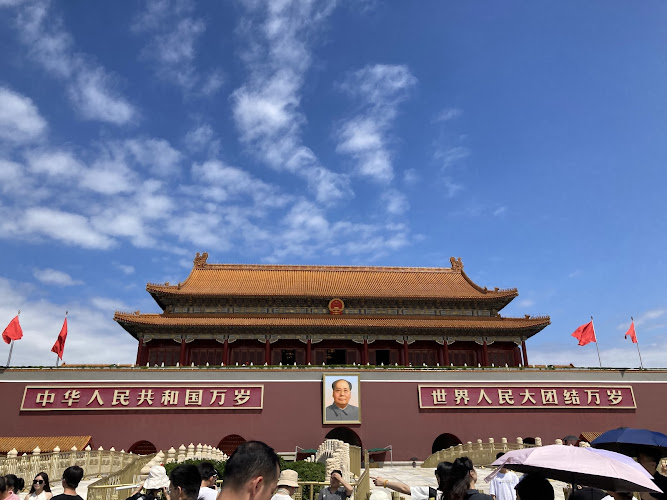
Tiananmen
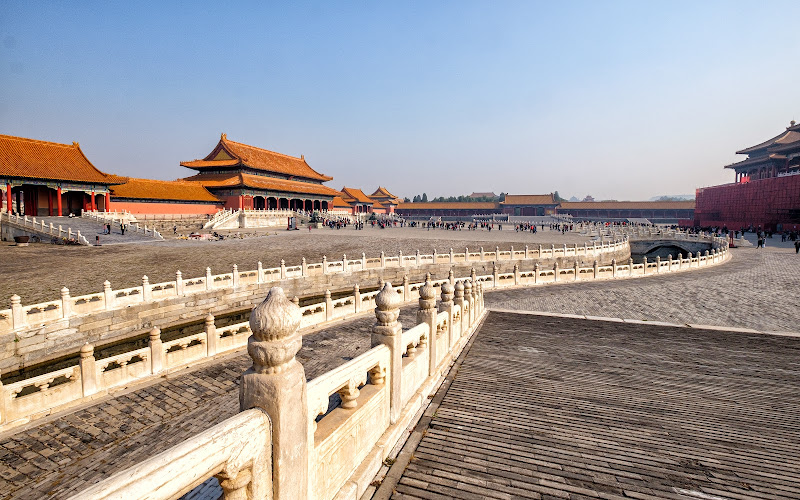
Xihemen
Former Residence
Find Accommodations Nearby
Recommended Tours & Activities
Visitor Reviews
There are no reviews yet. Be the first one to write one.
Share Your Experience
Have you visited 北京杜莎夫人蜡像馆? Help other travelers by leaving a review.